 SW-04 · LVP & Vinyl Installation
LVP warranties cover the product, not the installation. Mohawk's residential LVT/LVP warranty excludes problems from installing outside its click guide, including non-recommended adhesive, underlayment or substrate preparation, and four plank corners together.1 It also excludes moisture from below, radiant heat above 85º F, stairs, rubber-backed mats, and residential product in commercial spaces.1 Read the warranty before the job, not after the claim.
A long warranty on vinyl plank sounds like a promise that the floor will last. It is a narrower promise: that first-quality product, installed and used as the manufacturer specifies, will not fail in specific ways. The exclusions section is where most claims are decided, and most exclusions describe something the installer or owner did. Mohawk's residential LVT and LVP warranty is a clear example, and other manufacturers' guides say much the same.
The warranty covers the product, not the work
Mohawk states that installation errors are not manufacturing related conditions, and that it does not warrant installer workmanship.1 Its coverage applies when the product is installed according to its click installation guide, over approved substrates and underlayments.1 It adds that the installation manual is reviewed regularly. Floors must be installed to the recommendations current at the time of installation.1 That last point catches crews who install from memory or from an old copy. Download the current guide for each job.
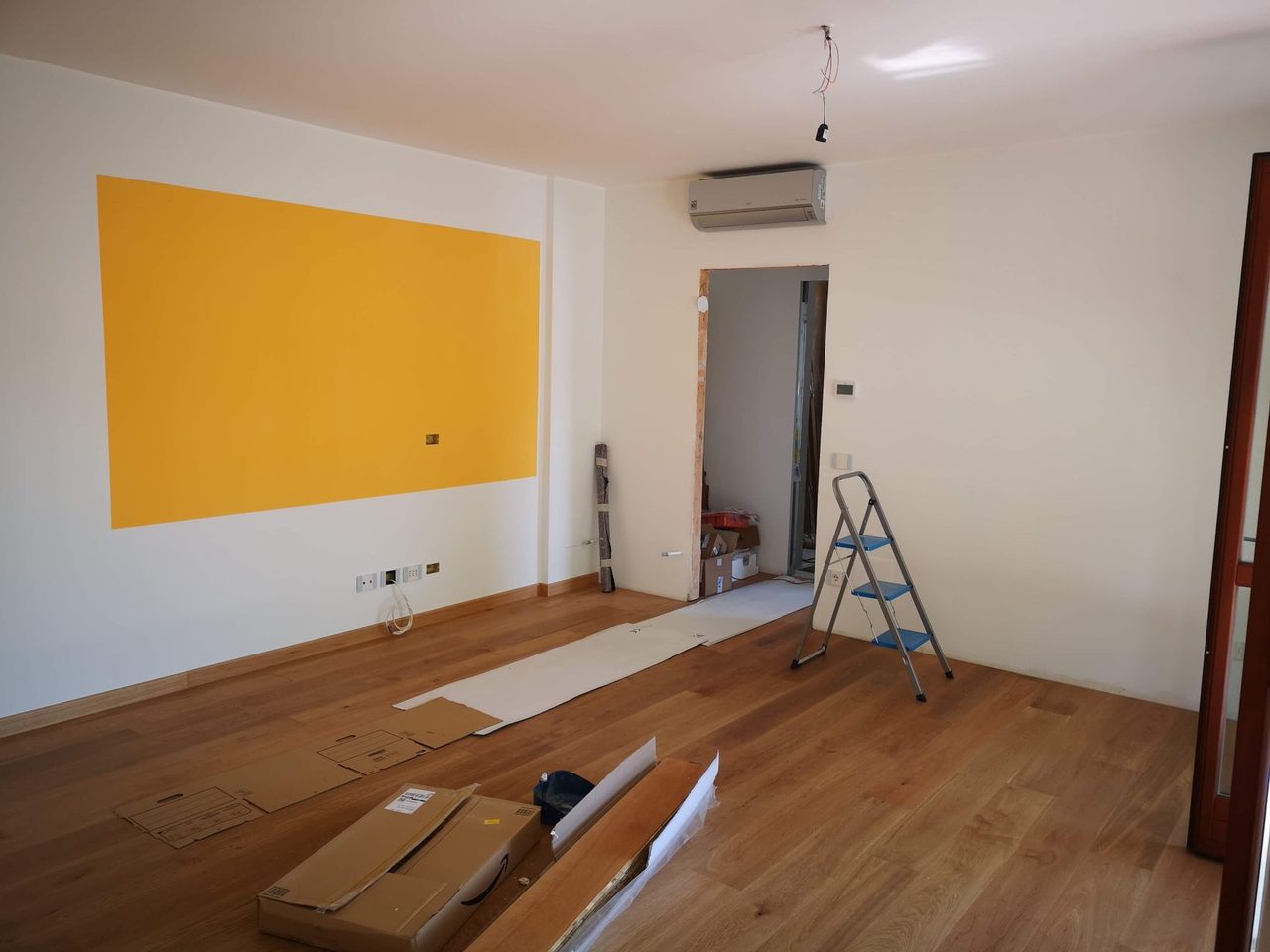
Twelve mistakes that can void coverage
| Mistake | What the documents say |
|---|---|
| Wrong adhesive, underlayment or substrate prep | Problems caused by non-recommended adhesive, underlayment or substrate preparation are not warranted1 |
| Extra pad under an attached pad | Elite does not warrant its product with an additional pad installed under it2 |
| Four corners together | Not recommended for click products and therefore not warranted1 |
| Installing visibly defective planks | No labor paid to replace material with visible conditions apparent before installation1 |
| Temperature outside the range | 65º to 85º Fahrenheit for 24 hours for click product, during and after installation1 |
| Moisture or pH from the subfloor | Excluded when outside the click installation guidelines1 |
| Radiant heat too hot | Must not exceed 85º F and be approved for the product1 |
| Cabinets on a floating floor | EverStep: do not install cabinets on top of floating LVP3 |
| Stairs | Flooring installed on stairs is excluded1 |
| Hard acrylic caulk | Elite does not approve acrylic caulks; it recommends 100% silicone2 |
| Rubber-backed mats | Discoloration from latex or rubber-backed mats is excluded1 |
| Residential product in a commercial space | Excluded; Mohawk recommends commercially warranted product in commercial settings1 |
Underlayment, pads and caulk
The underlayment question causes more voided claims than it should. Many rigid planks now come with a pad attached, and the joint is designed around it. Elite says its click end joints are designed to work with its attached pad, and it does not warrant the product with an additional pad underneath.2 Marquis rules out any extra underlayment beneath planks that already carry a cushion.4 Adding a second pad for sound or comfort feels like an upgrade. To the manufacturer, it is a non-approved underlayment.
Caulk is the same kind of detail. Elite approves only 100% silicone caulk where caulk is needed. It explains that silicone stays flexible and lets the floor move, while acrylic hardens over time.2 A bead of acrylic at a tub or a door can pin the floor and turn a movement problem into a warranty dispute.
Expansion and fixed objects
Floating floors must be allowed to move, and the guides are explicit about what stops them. Timeless says cabinets, heavy furnishings, fireplaces and other built-ins must not be installed on top of its floor, because they restrict expansion.5 EverStep's click guide puts it in capitals: cabinets do not go on top of a floating floor.3 Elite allows some fixed items on its SPC only under conditions, such as wall-mounted cabinets and free-standing islands, or a 3/4” expansion hole where bolts pass through.2 Gapping or buckling around a pinned island is not a product defect under these guides. See expansion gaps.
Site conditions are the installer's call
Several exclusions depend on conditions the installer is expected to check. Moisture and pH from below are excluded when outside the guide's limits.1 The waterproof warranty covers topical water, not moisture coming from below the product.1 Mohawk notes that if a floor is replaced because of bottom-up staining or mold growth, that is a site condition, and the replacement is not warranted against it.1 Testing is the only defense. See moisture testing.
Temperature matters too. Mohawk's three-season room allowance requires a 72-hour set time and the 65º to 85º range before, during and after installation. A three-season room open to the elements or direct sun voids the warranty.1 Timeless excludes problems from excessive heat or sunlight, including joint gapping.5
Commercial jobs need commercial product
The last exclusion matters most for this audience. Installing a residential product in a commercial environment is excluded from Mohawk's residential warranty.1 So are rolling loads and wheelchairs, and casters on furniture.1 An office, a clinic or a retail store needs a product with a commercial warranty that names the space type. Marquis gives light commercial terms only for its thicker wear layers.4 See wear layers and warranties.
Stairs and other special areas
Stairs are a common surprise. Mohawk excludes flooring installed on stairs.1 EverStep's click guide sends steps, ramps and landings to its glue-down method.3 Where a project needs plank on stairs, choose a product and accessories whose maker covers it, and get that in writing. See vinyl plank on stairs.

What a claim needs
When a claim is made, the manufacturer decides the remedy. Mohawk says it will determine whether to help repair the defective area or supply new material of the same color, design or grade, if available.1 If the product is discontinued, it may supply similar material instead.1 It may also bring in a certified inspector to determine unknown causes, at its discretion.1 The inspector will look for exactly the conditions in the exclusions list. A job file with moisture readings, temperatures, the product labels and photos of the finished floor answers most of those questions before they become disputes.
Owner obligations
Coverage also depends on the owner. Mohawk lists obligations: know which warranties apply, and keep proof of purchase showing the date and price paid, including labor.1 It asks for wide, non-staining furniture protectors at least one inch across, and chair mats under all chairs with casters.1 It also requires regular cleaning and maintenance to its care guide.1 Hand those obligations to the owner in writing at closeout. A claim can be lost after a perfect installation.
Before the job
- Download the current installation guide and warranty for the exact product.
- Confirm the product's warranty covers the space type.
- Test moisture and pH; record conditions and temperatures.
- Use only the named adhesive, underlayment and caulk.
- Inspect material before installing, and set aside anything questionable.
- Hand the owner the care guide and their obligations.
Then document the job; see photographing for warranty claims.
Sources
- Mohawk (via Lowe's), “LVT/LVP Residential Limited Warranty”. pdf.lowes.com/warrantyguides/842374006031_warranty.pdf
- Elite Flooring, “Välinge Installation Guide (Woodlands)”. eliteflooringusa.com/links/install-instructions/Elite-Installation-Guide
- EverStep Flooring, “LVP Click Lock Installation Guidelines”. everstepflooring.com/lvp-click-installation-guidelines/
- Marquis Industries, “Rigid Vinyl Plank Installation Instructions (Angle)”. marquisind.com/static/resources/Angle_Angle%20Installation%20Instruction
- Timeless Designs, “Click Floating Luxury Vinyl Installation Instructions”. timelessdesignsflooring.com/wp-content/uploads/2023/05/TD-Rigid-Core-Ins
General information for the flooring trade. This article was drafted with AI assistance and checked against the sources listed above; the manufacturer's current instructions and the project specification govern any real job. If something here is wrong or out of date, tell us.