 SW-04 · Troubleshooting & Repairs
The wear layer is the clear film over the printed design. Warranties usually cover wear-through, meaning the pattern is worn away, not scratches, scuffs or gouges.1 2 Thicker wear layers carry longer warranties and, in some product lines, light commercial coverage.3 Protecting the surface with pads, rubber casters and grit control matters more than anything after installation.
A luxury vinyl plank is a photograph under glass, more or less. The printed design layer carries the wood or stone look, and a clear wear layer on top protects it. Scratches, scuffs and gouges all happen in or through that top layer. Whether they matter, and whether anyone pays for them, depends on how deep they go and what the warranty says.
What the wear layer is for
The wear layer takes the traffic so the print does not. Its thickness is usually stated in mils on the product data sheet. Manufacturers tie their warranties to it: Marquis states that the length of each warranty is determined by the product's wear layer thickness.3 A thicker layer takes longer to wear through. It does not make the surface immune to scratching, because a scratch is a mark in the surface, not a loss of the layer.
Wear-through versus scratches
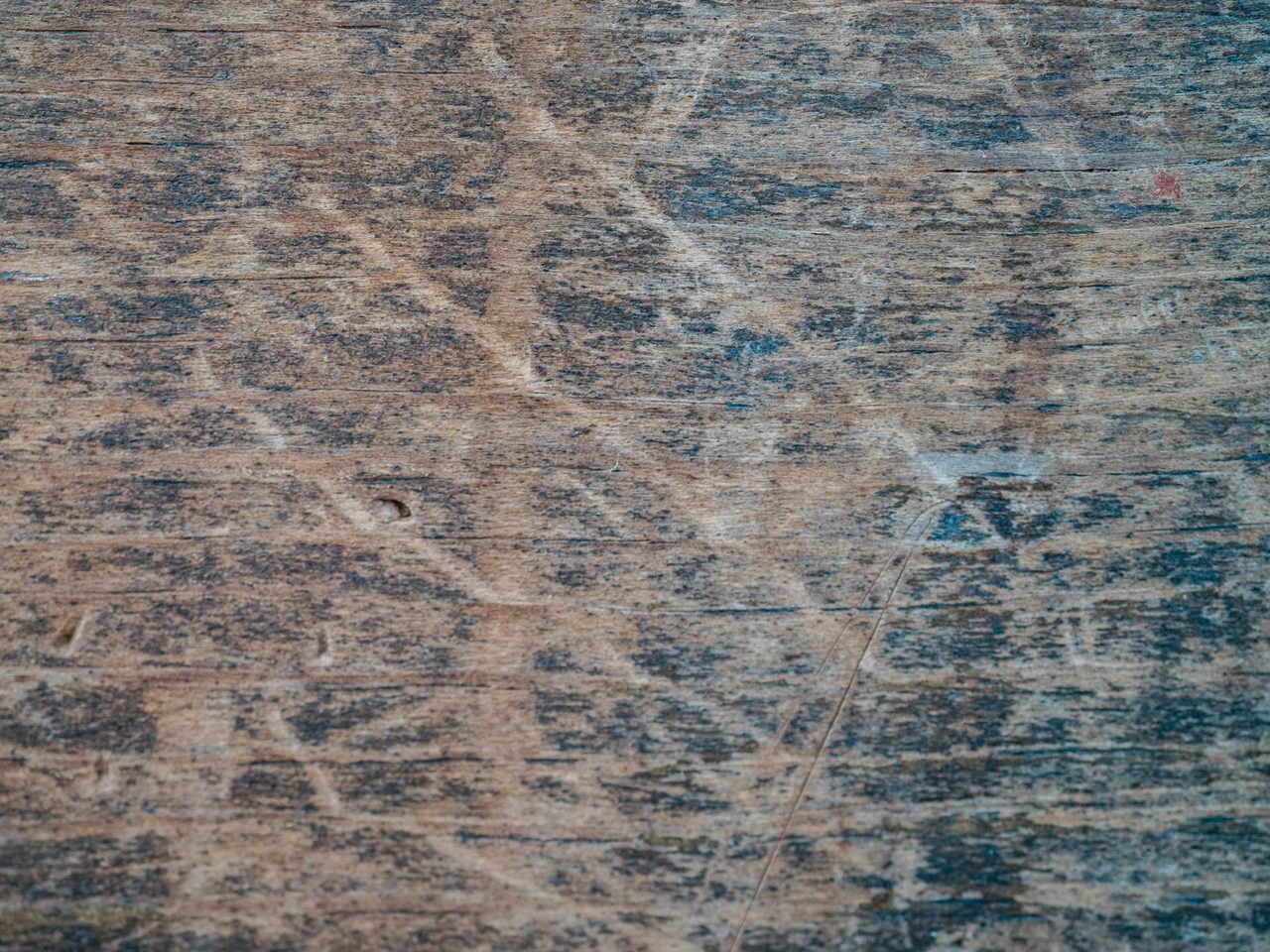
Warranties draw a sharp line between the two. Mohawk's residential warranty covers wear-through, defined as complete loss of the wear layer so that the printed pattern or design is altered.1 It states that gloss reduction is not considered wear and is not covered.1 Timeless uses the same definition of wear-through for its residential warranty.2 It also excludes scuffs, scratches and cuts from coverage.2
In practice, most complaints about a new floor are scratches and scuffs, and most are outside warranty. True wear-through is rare on a well-maintained floor within its rated use. That makes prevention the real protection.
Thickness and warranty terms
Marquis publishes how warranty terms scale with wear layer thickness for its rigid vinyl plank.
| Wear layer | Residential warranty | Light commercial warranty |
|---|---|---|
| 6 mil | 15 Years | N/A3 |
| 12 mil | 25 Years | 7 Years3 |
| 20 mil | 30 Years | 10 Years3 |
| 22 mil | 35 Years | 12 Years3 |
Two points stand out. The thinnest layer carries no light commercial warranty at all. And the commercial terms are a fraction of the residential ones for the same product, because commercial traffic wears floors faster. For a commercial space, the commercial rating and its definition matter more than the residential headline number. Marquis refers readers to its written warranty for the definition of light commercial spaces.3

Read the exclusions, not just the years
The warranty years get the attention. The exclusions decide most claims. Mohawk's residential warranty notes exclusions for caster and rolling loads, because of the unusual characteristics of that type of wheel traffic.1 Marquis excludes damage from furniture without felt pads or protective covers, and products installed in areas subject to rolling loads.3 Mohawk's coverage also depends on installation to its own click guide, over approved substrates and underlayments, with proper care and maintenance.1 For a commercial specification, compare products on their commercial terms and their exclusions side by side, and confirm the space type is one the warranty names. An office with caster chairs and a corridor with carts are exactly the conditions many residential warranties exclude.
Where scratches come from
- Grit. Sand and grit tracked in act like sandpaper underfoot. Timeless asks for walk-off mats at entrances to keep dirt and grit off the floor.2
- Furniture. Marquis asks for felt pads on all furniture and chair legs, replaced when dirty or worn.3
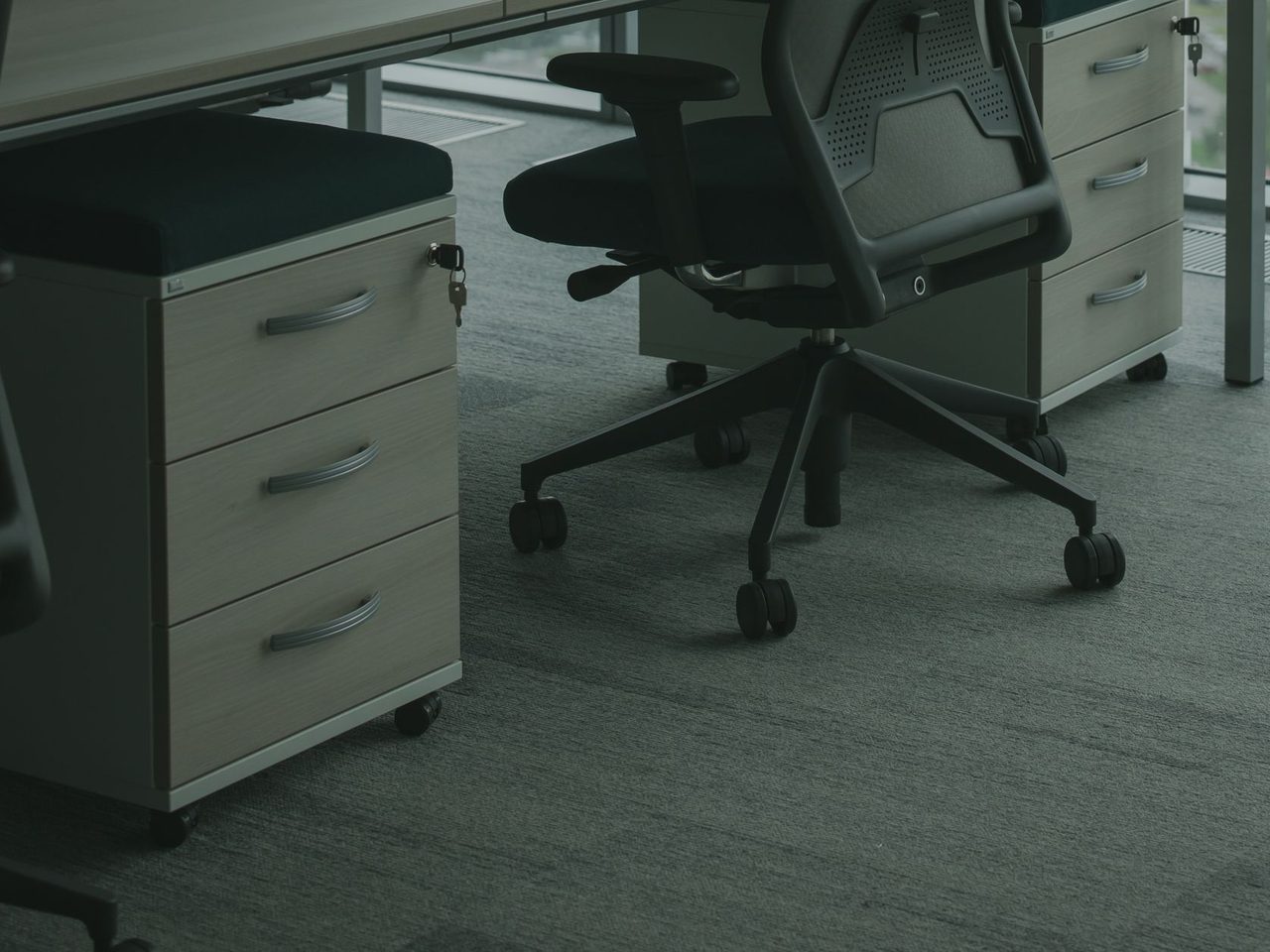
- Casters. Timeless wants caster chairs fitted with wide rubber casters and protective mats under them.2 Daltile recommends replacing plastic or metal casters with rubber.4
- Moving heavy items. Dragging appliances or furniture causes gouges; see appliances and rolling loads.
- Pets. Mohawk excludes pet damage such as chewing, digging and clawing from normal household use.1
What buffs out and what does not
Fine surface scuffs often sit in the top coating and may be reduced with the cleaning method the manufacturer approves. Deeper scratches that cut into the wear layer stay visible. Gouges that reach the print cannot be repaired invisibly. The usual fix for a damaged plank is replacement; see replacing a single plank. Avoid abrasive pads and cleaners. Roppe warns that some cleaning products damage, soften or discolor flooring.5 Check the floor's own care guide before trying to remove a mark.
Prevention in commercial spaces
Offices, clinics and retail floors see casters, carts and constant traffic. Specify the wear layer for the use, with a commercial warranty that names the space type. Provide entry matting with non-staining backs; see rubber-backed mats. Put chair mats and rubber casters in the furniture specification, not just the flooring one. And write the cleaning method into the closeout maintenance instructions, so the floor is cared for as its warranty assumes.

Sources
- Mohawk (via Lowe's), “LVT/LVP Residential Limited Warranty”. pdf.lowes.com/warrantyguides/842374006031_warranty.pdf
- Timeless Designs, “Click Floating Luxury Vinyl Installation Instructions”. timelessdesignsflooring.com/wp-content/uploads/2023/05/TD-Rigid-Core-Ins
- Marquis Industries, “Rigid Vinyl Plank Installation Instructions (Angle)”. marquisind.com/static/resources/Angle_Angle%20Installation%20Instruction
- Daltile, “ProSeries Luxury Vinyl Flooring Installation & Care Guide (Rigid Core Click, Glue Down)”. s1.img-b.com/build.com/mediabase/specifications/daltile/1996309/daltile-
- Roppe, “Smooth & Marbleized Rubber Tile Maintenance”. roppe.com/wp-content/uploads/2016/12/Roppe_Smooth-Marbleized_RubberTile_
General information for the flooring trade. This article was drafted with AI assistance and checked against the sources listed above; the manufacturer's current instructions and the project specification govern any real job. If something here is wrong or out of date, tell us.