 SW-04 · LVP & Vinyl Installation
Most vinyl installation guides ask for about 48 hours of acclimation, but the real requirement is the building: enclosed, with its HVAC running and holding normal temperatures before, during and after installation.1 2 One guide skips acclimation unless the product was stored hot.3 What none of them allow is installing into a cold, unconditioned shell and hoping it evens out.
On a fast commercial job, acclimation is usually the first step to get squeezed. The flooring arrives on a Friday, the crew starts on Monday, and the building may or may not have heat. The installation guides treat that as a warranty question. Read closely, they also show that acclimation is mostly about the space, not the cartons.
Why it matters
Vinyl moves with temperature. Shaw measured a single plank shrinking 1/16 of an inch when cold and growing the same amount when hot.4 Install a cold floor and it will grow when the building warms up. Install a hot one and it will shrink when the air conditioning starts. Timeless Designs warns that extreme differences in temperature and humidity between the product and the job site can cause gapping, buckling, or joints that are hard to engage.1
What the guides require
| Document | Acclimation | Conditions | Storage |
|---|---|---|---|
| Marquis, rigid vinyl plank | 48 hours before installation | 65°F to 85°F before, during, and 48 hours after | Not installed in spaces without a permanent HVAC system2 |
| Timeless Designs | Minimum 48 hours, cartons opened at the start | Working heat and air conditioning for 48 hours before, and kept running | Product designed to need less acclimation than traditional PVC floating floors1 |
| EverStep, click and glue-down | Minimum 48 hours in the installation area | Glue-down: 65°F to 85°F for 48 hours before, during and after | Cartons no more than two high, away from ducts and sun5 6 |
| Daltile ProSeries | Minimum 48 hours in a controlled environment | 50°F to 80°F for 48 hours before, during and after | No more than 5 cartons high on a flat surface7 |
| National Flooring Products | Minimum 48 hours in the temperature-controlled room | HVAC able to hold 30% to 60% RH and 60° to 85°F | Incorrectly acclimated product cannot be claimed after installation8 |
| Elite Flooring, Välinge lock | Not required, unless stored at high temperatures just before installation | Normal use 65 to 85 degrees F | Inspect every plank before installing3 |
The table shows something the waiting period hides. The numbers of hours are almost identical. The real differences are in the conditions: the temperature band, whether humidity is controlled, and how the cartons are stored. Two cartons high versus five is not a trivial difference on a crowded site.
The building is the requirement
Every guide that sets a temperature band assumes something the jobsite often lacks: a closed building with its permanent HVAC running. Timeless asks for working heat and air conditioning for at least 48 hours before installation, kept running during and after.1 Marquis excludes installations in spaces without a permanent HVAC system.2 FloorFolio's guide is the most explicit about commercial conditions. It asks for areas that are clean, fully enclosed and weathertight, with permanent, fully operational HVAC set at a uniform temperature of at least 68°F.9
Those conditions are not the flooring contractor's to create. They depend on the general contractor's schedule and the mechanical trade. That is why acclimation belongs in the pre-installation meeting and in writing. If the floor is going into a shell with temporary heat, the flooring contractor should say so, ask for direction, and record the conditions.
Measuring the conditions
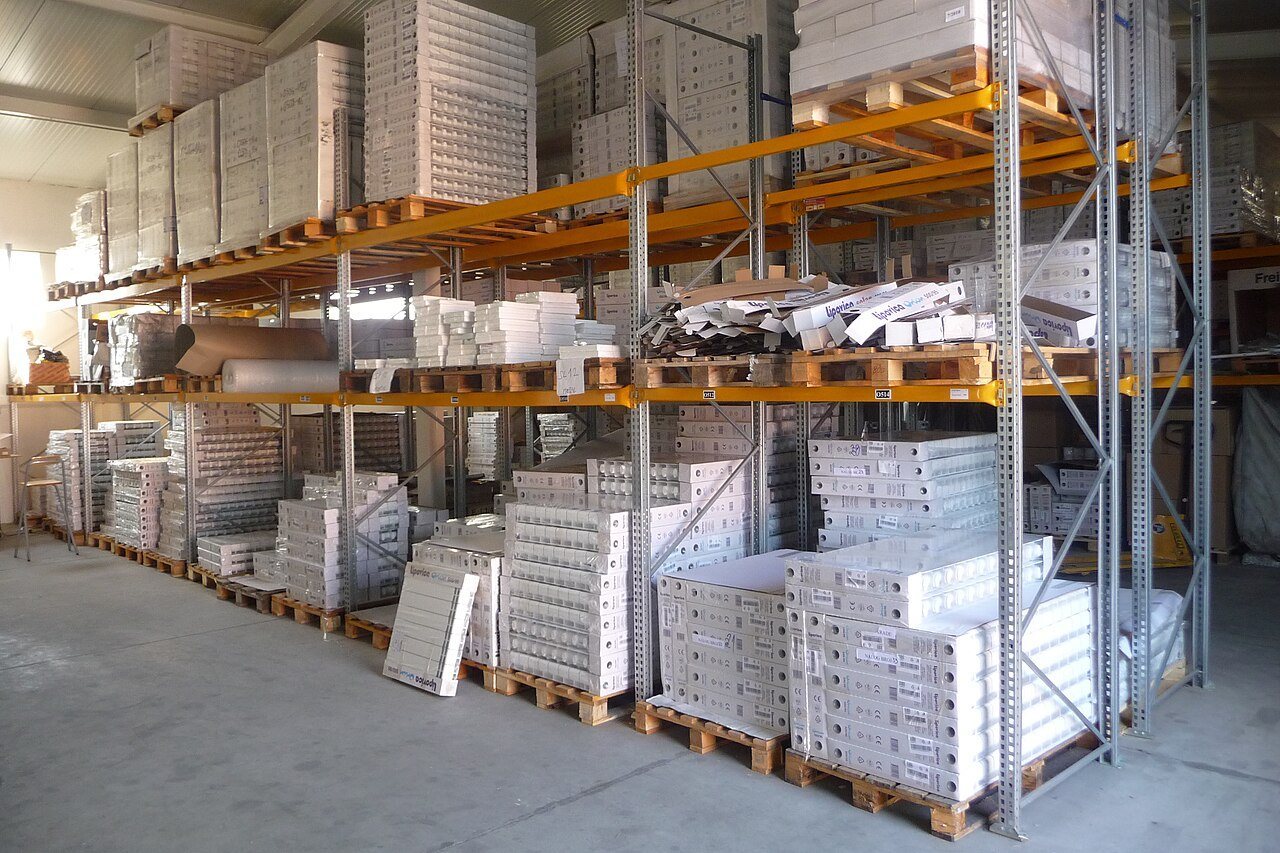
A thermometer on the wall says little about the floor. National Flooring Products asks installers to use a hygrometer that reads temperature and relative humidity to check the job site's heating and cooling.8 Read the air and the substrate, in the morning and the afternoon, near exterior walls and away from them. A slab that has been cold all winter takes time to warm even after the air does. On radiant floors, the guides set their own schedules; see click-lock vinyl over radiant heat.
Winter and summer jobs
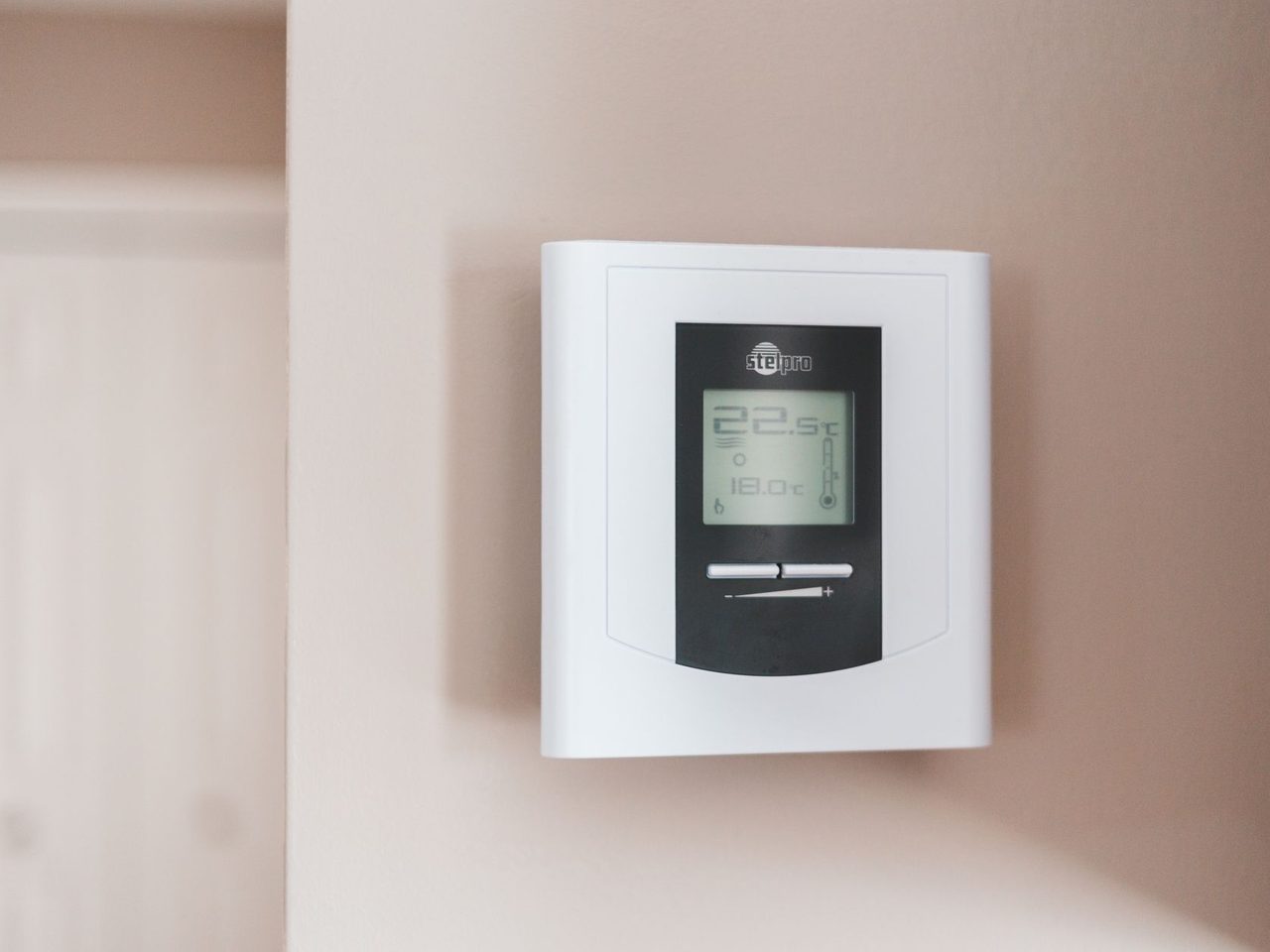
Seasons change what acclimation means. In winter, cartons delivered from an unheated warehouse arrive cold, and the building may be under-heated. In summer, product left in a truck or near a south-facing window arrives hot; Elite treats that heat as the one case where acclimation is needed.3 EverStep asks for cartons to be kept away from heating and cooling ducts and direct sunlight.5 The rule is the same in both seasons: bring the product and the space to normal use conditions, then keep them there.
What skipped acclimation looks like later
The failures arrive weeks or months after the crew has left, which is why they are so often blamed on the product. A floor laid cold and then warmed by a newly running system tends to push against its walls and fixed objects. It peaks at end joints and tents at doorways. A floor laid warm and then cooled tends to open at its seams, with the gaps widest in the coldest part of the building. Glue-down floors show the same movement as small gaps between tiles.
Two details make these failures hard to argue. First, the symptom matches a dozen other causes, from a pinned edge to a wet slab, so the cause has to be proven. Second, the guides put the burden on the installer. National Flooring Products says incorrectly acclimated product cannot be claimed after installation.8 The only defense is a record of the conditions at the time. A photo of a hygrometer reading, with a date and a room name, is worth more than a promise that the heat was on. See why plank seams open up for the full list of causes.
A short acclimation checklist
- Building enclosed, weathertight, with permanent HVAC running for the period the guide requires.
- Product stored in the installation area, stacked as the guide allows, away from ducts and sun.
- Air and substrate temperature, and humidity, measured and recorded.
- Conditions maintained during installation and afterward, as the guide states.
- Any departure from the guide raised in writing before installation starts.

Sources
- Timeless Designs, “Click Floating Luxury Vinyl Installation Instructions”. timelessdesignsflooring.com/wp-content/uploads/2023/05/TD-Rigid-Core-Ins
- Marquis Industries, “Rigid Vinyl Plank Installation Instructions (Angle)”. marquisind.com/static/resources/Angle_Angle%20Installation%20Instruction
- Elite Flooring, “Välinge Installation Guide (Woodlands)”. eliteflooringusa.com/links/install-instructions/Elite-Installation-Guide
- Shaw Floors, “LVP Case Study: How Temperature Affects Dimension”. shawfloors-sherwinwilliams.com/SiteFiles/sherwinwilliamsdigital/Images/L
- EverStep Flooring, “LVP Click Lock Installation Guidelines”. everstepflooring.com/lvp-click-installation-guidelines/
- EverStep Flooring, “LVP Glue Down Installation Guidelines”. everstepflooring.com/technical/lvp-glue-down-installation-instructions/
- Daltile, “ProSeries Luxury Vinyl Flooring Installation & Care Guide (Rigid Core Click, Glue Down)”. s1.img-b.com/build.com/mediabase/specifications/daltile/1996309/daltile-
- NFP, “Architect’s Choice LVP Installation Guide”. my-nfp.com/resource/architects-choice-lvp-installation-guide
- FloorFolio, “Installation Guide 2025”. floorfolio.com/wp-content/uploads/2025/FloorFolio-Installation-Guide-202
General information for the flooring trade. This article was drafted with AI assistance and checked against the sources listed above; the manufacturer's current instructions and the project specification govern any real job. If something here is wrong or out of date, tell us.


_02.jpg)