 SW-04 · LVP & Vinyl Installation
Direct sun can push a floor far above room temperature; Shaw notes sunny areas can exceed 130 degrees.1 Vinyl grows as it heats, so sun-loaded zones expand faster than the shaded floor next to them.1 Guides ask for shading during peak sun and for temperatures inside a set band, and commercial installers often choose a glued system for heavily glazed spaces.2 3
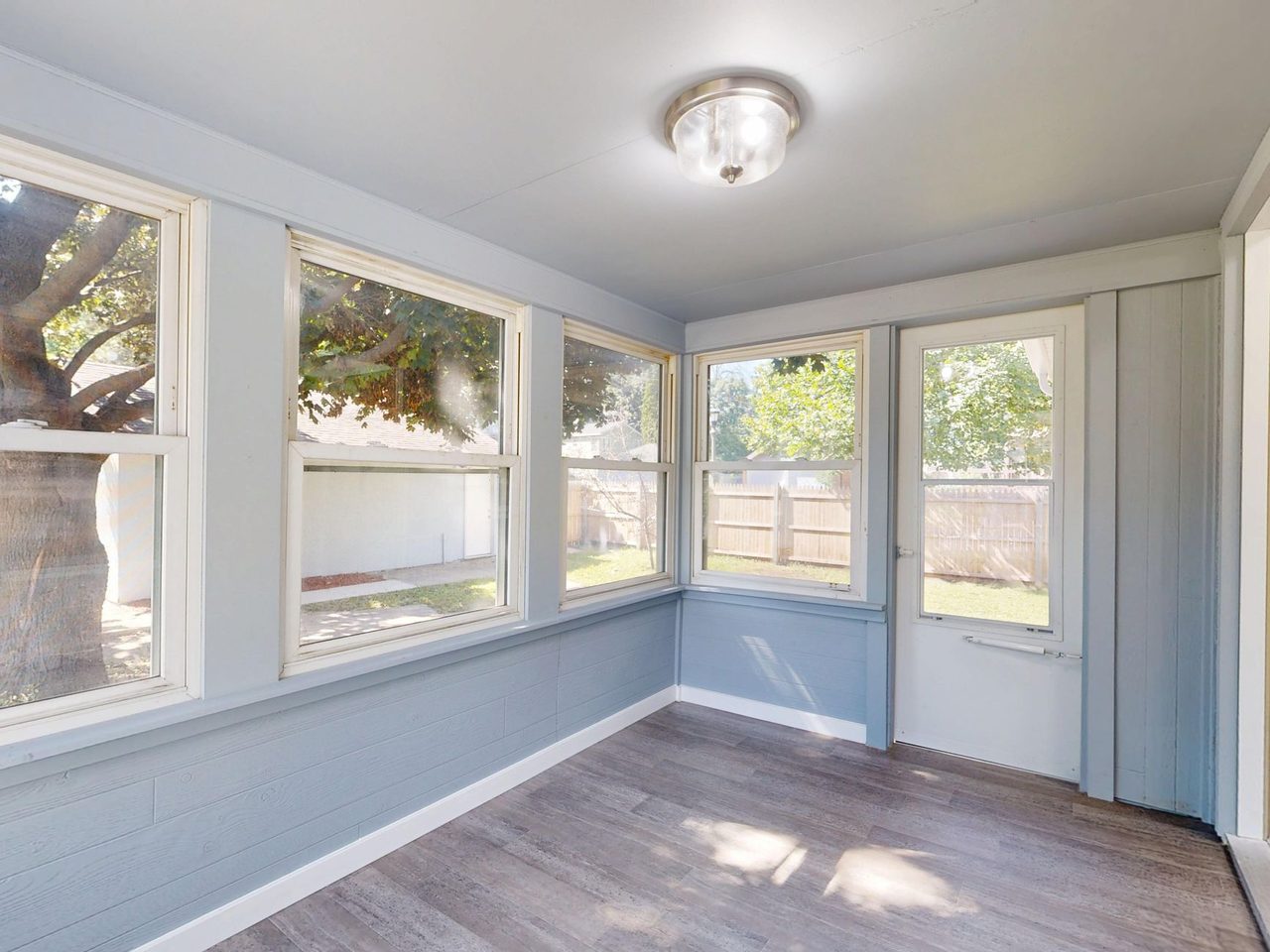
A sunroom, a storefront and a glazed atrium share one problem. For part of the day, a band of floor sits in direct sun while the rest of the space stays at room temperature. The building's thermostat never sees it. The floor does. Floating vinyl in those spaces is one of the most common sources of peaking, gapping and buckling, and it usually shows up in the first summer.
How hot a sunny floor gets
Shaw's case study on temperature puts numbers on it. Sunny areas of a floor grow faster than cool areas, and their temperature can exceed 130 degrees.1 Shaw measured a single plank growing by 1/16 of an inch when heated to 135 degrees, and sums up the movement as roughly 1/8 of an inch for every 100 degrees of change.1 A contractor's guide to heat damage in commercial settings puts the expansion at up to 1/4 inch per 100 feet of LVT for a 20°F rise, and singles out retail spaces with significant solar exposure.3
The problem is not only the size of the movement. It is the difference between zones. The sunlit band expands while the shaded floor beside it does not, so stress concentrates at the boundary.

What the guides require
Most vinyl guides set a temperature band for the life of the floor, and direct sun can break it on its own. Marquis asks for 55°F to 85°F to be maintained for the life of the product.2 It also asks for blinds, shades or drapes to be closed during peak sunlight, to keep the product from overheating and to prevent thermal expansion.2 Timeless warns that excessive temperatures will cause its product to expand and buckle.4 Daltile notes that long-term exposure to direct sunlight is a concern for its floor.5
On a residential sunroom, shading may be practical. On a storefront or an atrium, the glazing is the point of the design and nobody will close blinds at noon. That changes the decision from an installation detail to a product and system choice.
Floating or glued
A floating floor moves as a single sheet. In a sun-loaded zone it pushes against its walls and fixed objects, and if it has nowhere to go, it peaks. Continental Flooring's guide notes that floating click-lock and loose-lay systems may show more pronounced movement during thermal expansion because they are not anchored to the subfloor.3 Glue-down is not immune. The same guide warns that high temperatures can affect the bond between LVT and the subfloor.3 But a well-bonded floor moves plank by plank rather than as a sheet, which keeps the movement local.
For heavily glazed commercial spaces, the choice usually comes down to a glued system with an adhesive rated for the temperatures involved, or a different floor type. Whatever is chosen, the specification should name the product, the adhesive and their temperature limits, and the submittal should show the floor is approved for direct sun exposure.
If floating is used anyway
- Generous breaks. Put a transition at the edge of the sun-loaded zone, not just at doorways. See transition strips.
- Full expansion space. Use the product's perimeter space everywhere, and do not let trim or caulk close it. See expansion gaps.
- Install at use conditions. A floor laid on a cool morning starts the afternoon already compressed. Acclimation and install timing matter more here than anywhere.
- Shading in writing. If the guide requires shading during peak sun, put that requirement in the owner's maintenance instructions.
Timing the installation
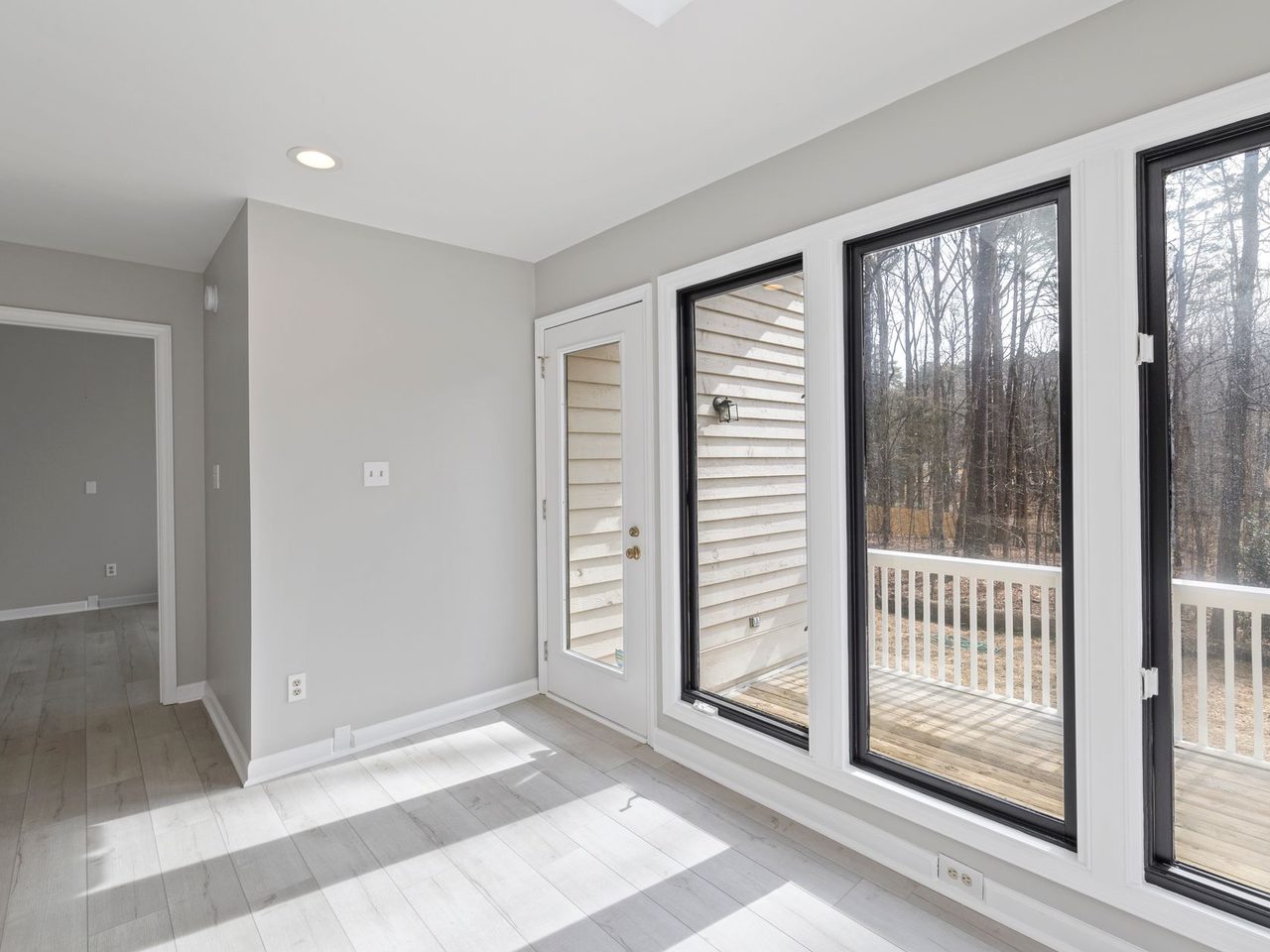
When the floor goes down matters in a glazed space. A floor installed in the cool of the morning, or in winter, starts the first hot afternoon already pushed against its edges. Timeless asks for jobsite conditions to match the temperature and humidity expected in normal use, between 65 and 85 degrees F.4 In a sunroom, normal use includes the afternoon sun. Measure the floor surface in the sunlit zone as well as the air, and record both.
Color matters too
Dark floors absorb more sun than light ones and run hotter in the same light. In a heavily glazed space, a lighter colorway is a practical choice as well as an aesthetic one. Fading is a separate issue. Long-term sun exposure can change the color of many floor coverings, so check the manufacturer's statements on light exposure before placing a floor under a skylight or a south-facing storefront.

A sun-loading checklist
- Identify glazed zones and the hours they receive direct sun.
- Check the product's temperature limits and any statements on sunlight.
- Choose a glued system or another floor type where shading is not practical.
- Where floating is used, add breaks at the sun line and keep expansion space clear.
- Record the decision and any shading requirement in the closeout documents.
Sources
- Shaw Floors, “LVP Case Study: How Temperature Affects Dimension”. shawfloors-sherwinwilliams.com/SiteFiles/sherwinwilliamsdigital/Images/L
- Marquis Industries, “Rigid Vinyl Plank Installation Instructions (Angle)”. marquisind.com/static/resources/Angle_Angle%20Installation%20Instruction
- Continental Flooring, “How Heat Affects Vinyl Flooring in Commercial Settings”. continentalflooring.com/commercial-vinyl-flooring-heat-damage/
- Timeless Designs, “Click Floating Luxury Vinyl Installation Instructions”. timelessdesignsflooring.com/wp-content/uploads/2023/05/TD-Rigid-Core-Ins
- Daltile, “ProSeries Luxury Vinyl Flooring Installation & Care Guide (Rigid Core Click, Glue Down)”. s1.img-b.com/build.com/mediabase/specifications/daltile/1996309/daltile-
General information for the flooring trade. This article was drafted with AI assistance and checked against the sources listed above; the manufacturer's current instructions and the project specification govern any real job. If something here is wrong or out of date, tell us.