 SW-04 · LVP & Vinyl Installation
Concrete slabs are expected to crack and curl; good practice only reduces it.1 Contraction joints and dormant cracks can usually be filled and bridged once the slab has finished shrinking. True expansion and isolation joints cannot: flooring laid across them tends to buckle or crack, and the guides call for expansion joint covers instead.2 3
Commercial slabs come with joints. Some are saw-cut lines that tell the concrete where to crack. Some are full breaks that let one slab move against another. Some are cracks that formed anyway. A floating vinyl floor laid across all of them will cope with some and fail over others. The difference is whether the joint still moves.
Slabs are expected to crack
The American Concrete Institute's guide to floor and slab construction is candid about this. It says present technology permits only a reduction in cracking and curling, not their elimination, and that even with the best designs and construction it is unrealistic to expect completely crack-free and curl-free floors.1 The joints in a slab exist to control where that movement happens. A flooring contractor's job is to know which joints are which before laying a floor over them.
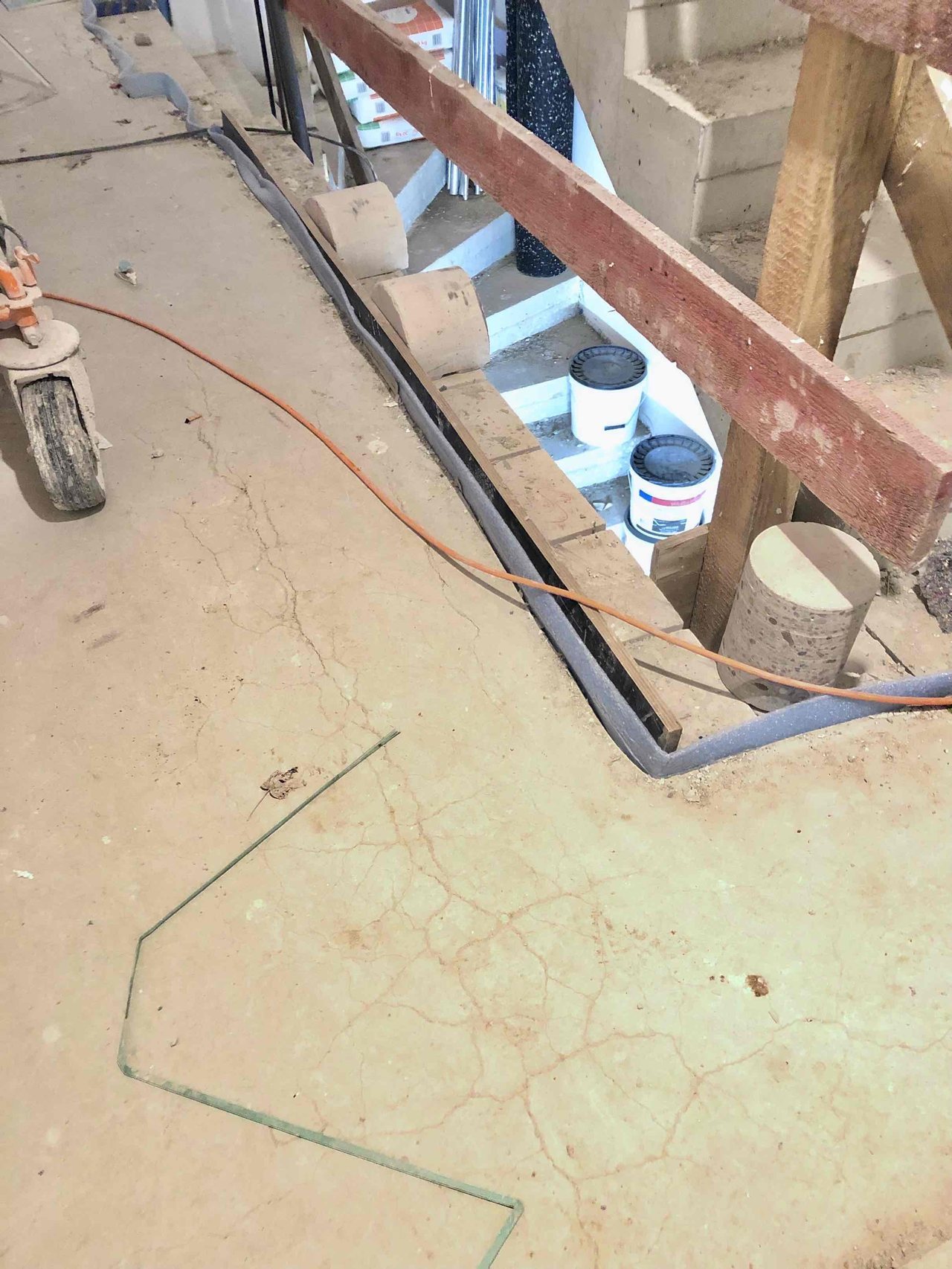
The three joint types
ACI describes isolation, contraction and construction joints as the joints commonly used in concrete slabs on ground.1 Each behaves differently under flooring.
- Isolation joints separate the slab from columns, walls and other structures. ACI says they should be used wherever complete freedom of vertical and horizontal movement is required.1 They are designed to move, and they keep moving.
- Contraction joints, often saw-cut, create planned lines of weakness so the slab cracks along them as it shrinks. Once the slab has finished most of its shrinkage, they usually move far less.
- Construction joints are where one pour stops and the next begins. Depending on design, they may act like contraction joints or carry load across.
Honor the joints that move
The installation guides draw a hard line at true expansion joints. FloorFolio says floor coverings installed over expansion joints will more than likely suffer bond failure and bubbling or buckling. It says flooring should not be installed over them, and calls for expansion joint covers designed for resilient flooring instead.2 EverStep's glue-down instructions agree. Patch, underlayment and resilient flooring laid across true expansion joints will often buckle or crack when the slabs move. They add that architects usually specify expansion joint covers for use with floor coverings, and that true expansion joints must not be filled with materials meant to absorb movement.3
On a commercial project, the joint cover is a designed detail with its own specification section. Before installing, find every expansion and isolation joint on the drawings, confirm the cover detail, and lay out the floor so a break or transition lands on each one.

Bridge the joints that have stopped
Saw-cut contraction joints and dormant cracks are usually filled and bridged. EverStep lists filling saw cuts and construction joints among the uses of its patching compound.3 The fill has to be flush and flat, or it telegraphs. FloorFolio warns that if the concrete moves after flooring is installed, the joint may still telegraph through.2 That is the real risk: a joint judged dormant that is still opening. Check the slab's age and the joint's behavior. A filled joint that has cracked open again is still moving.
Cracks: read them before filling them
Not every crack is the same. Fine, random shrinkage cracks across the surface are common and usually stable. A crack that runs straight between columns, steps in height, or has opened since the slab was poured is a different problem. ACI's guide notes the slab-related causes of floor problems include cracking and curling from normal volume change.1 Curling lifts slab edges at joints, which shows up under thin flooring as a ridge.
A practical sequence works for most slabs. Map the cracks. Mark any with height differences or recent movement. Fill dormant cracks with a product the flooring manufacturer accepts, and feather them flat. Raise anything that looks structural with the general contractor before the floor goes down. Under tile, crack isolation membranes handle limited in-plane movement; the tile substrates guide covers their limits.
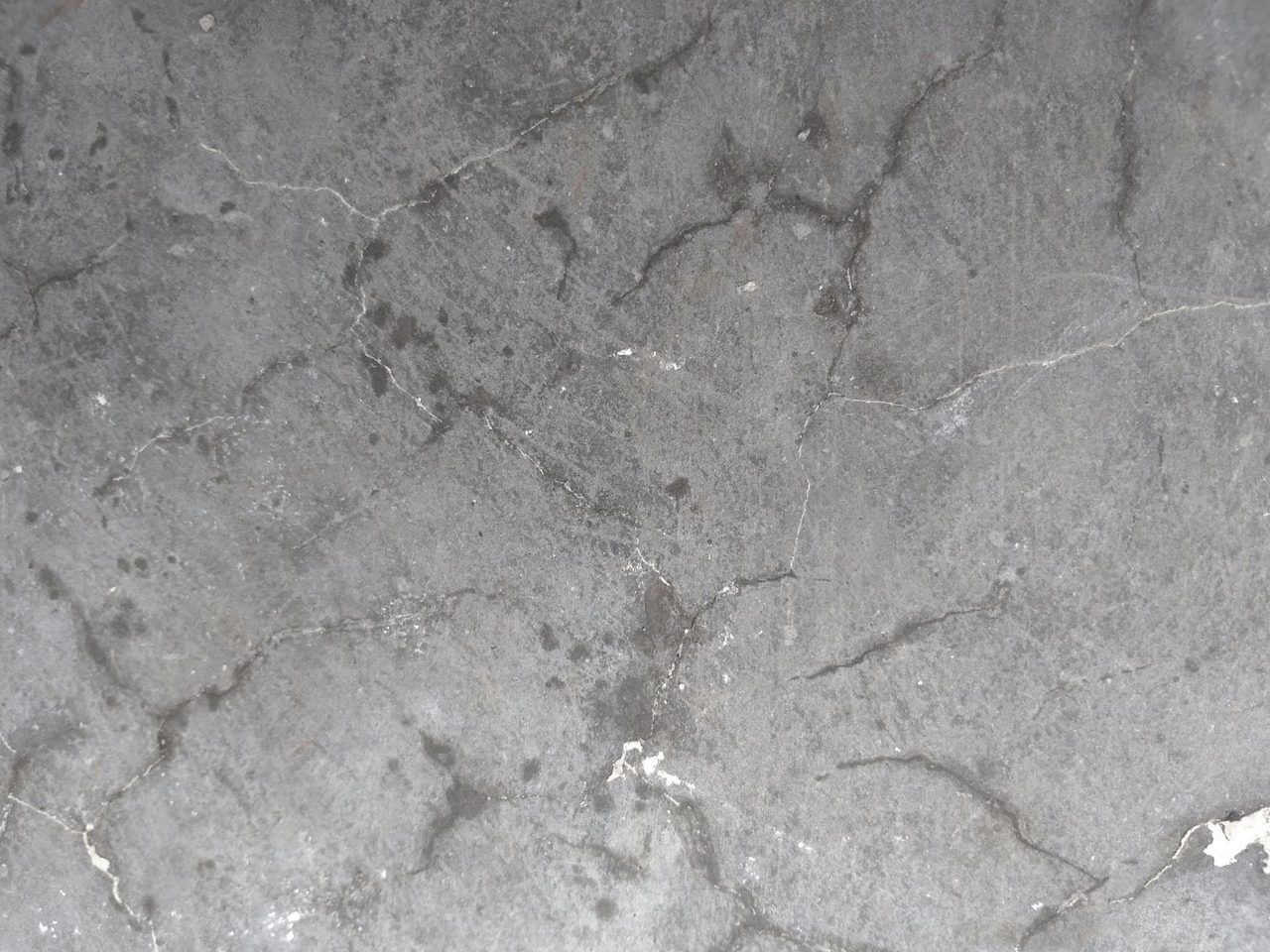
Why a floating floor splits over a joint
A floating floor moves as one piece with its own temperature. Laid over a joint that moves with the slab, it can be pulled or pushed at that line. The result is a line of open or peaked seams that follows the joint below. Click-lock floors are especially vulnerable when the joint movement is vertical, from curling or settlement, because the locks are designed for in-plane forces. Glued floors over a moving joint tend to crack or debond along it instead.
A joints checklist
- Identify isolation, contraction and construction joints on the drawings and on site.
- Honor expansion and isolation joints with the specified cover; do not install across them.
- Fill dormant saw cuts and cracks flush, with a compatible product, and check flatness.
- Flag cracks with height change or recent movement before installation.
- Record the joint plan with the substrate acceptance documents.

Sources
- American Concrete Institute, “ACI 302.1R-15 Guide to Concrete Floor and Slab Construction, Chapter 5 (excerpt)”. concrete.org/Portals/0/Files/PDF/302.1R-15_Chapter5.pdf
- FloorFolio, “Installation Guide 2025”. floorfolio.com/wp-content/uploads/2025/FloorFolio-Installation-Guide-202
- EverStep Flooring, “LVP Glue Down Installation Guidelines”. everstepflooring.com/technical/lvp-glue-down-installation-instructions/
General information for the flooring trade. This article was drafted with AI assistance and checked against the sources listed above; the manufacturer's current instructions and the project specification govern any real job. If something here is wrong or out of date, tell us.


_01.jpg)