 SW-03 · Adhesives & Underlayment
Hot-melt adhesives are solid at room temperature, melted for spreading, and bond on solidification, which makes them fast but less heat-resistant than reacting adhesives.1 Reactive polyurethane and isocyanate adhesives cure chemically and resist water and damp atmospheres.1 Cured isocyanate adhesives in bonded products are not considered hazardous; uncured ones are sensitizers and are the reason for the handling rules.1 2
Almost every floor is bonded twice. Once in a plant, where a laminate plank gets its wear layer, a carpet gets its secondary backing, and a piece of molding gets its wrapped foil. Then again on site, where an installer spreads adhesive from a pail or irons a seam. The adhesives doing those two jobs are not the same family, and the difference is not brand preference. It is whether the bond forms by cooling or by a chemical reaction.
Hot melt: bonds by cooling
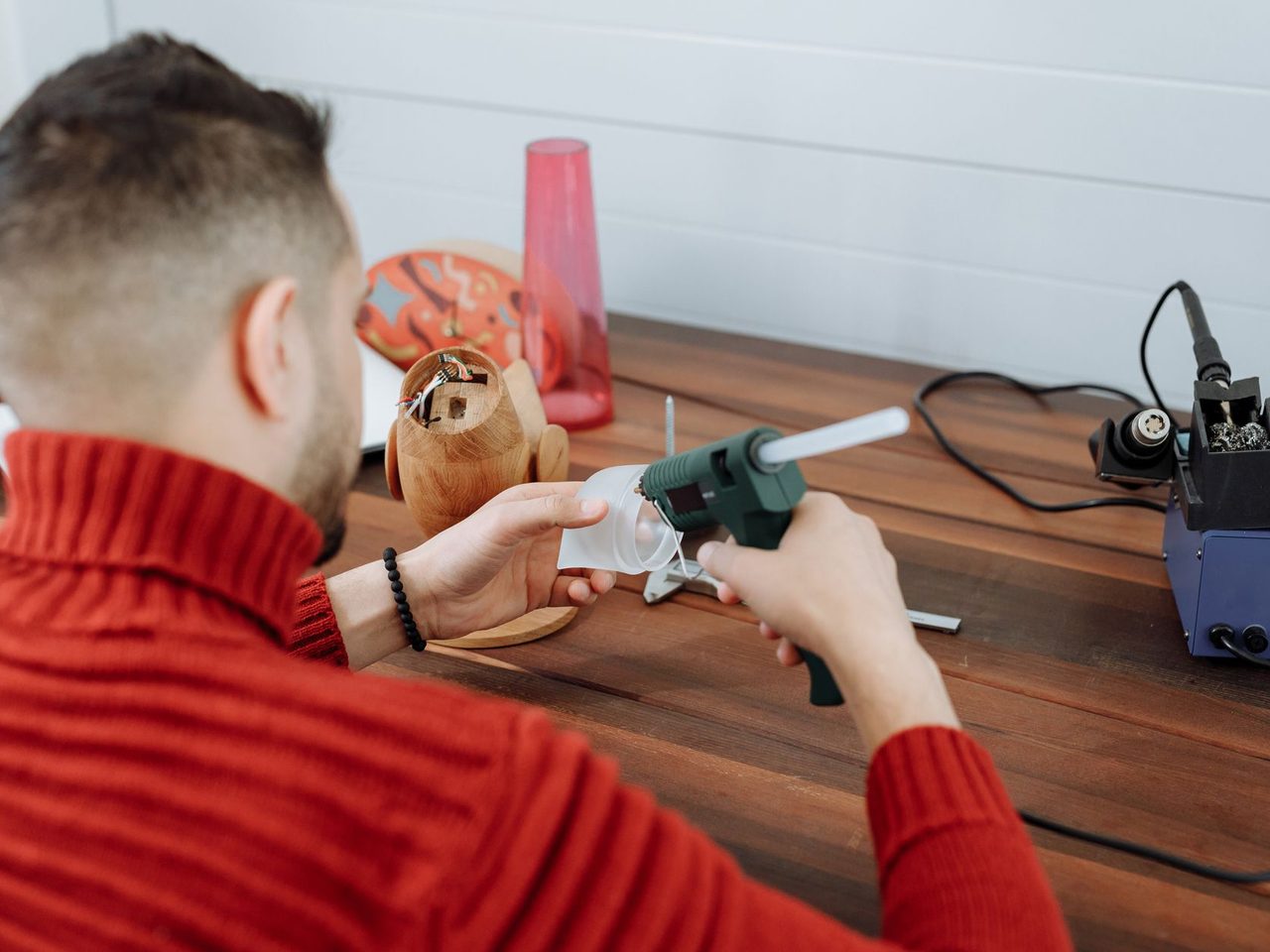
Hot-melt adhesives are solid at room temperature. The USDA Forest Products Laboratory's Wood Handbook describes them as supplied in solid blocks, pellets, ribbons, rods or films, melted for spreading, with the bond formed on solidification.1 They need special application equipment to control melt and flow.1 The strength properties follow from the mechanism. Strength develops quickly on cooling, but is lower than conventional wood adhesives. Moisture resistance is moderate, and gap filling is good with minimal penetration into the substrate.1 The handbook lists their typical uses as edge-banding of panels, plastic lamination, patching, film and paper overlays and furniture assembly.1
Read that list against a flooring plant and it maps almost item for item. Edge-banding and plastic lamination are what a laminate or rigid-core plank is: a decorative film and a wear layer bonded to a core. Film and paper overlays are the printed décor layers. Patching and furniture assembly cover the trim and accessory work that ships alongside the floor. Hot melt is used there because it sets in seconds on a production line. That matters more than ultimate strength on a bond that will never be loaded in shear or soaked.
Reactive adhesives: bonds by chemistry
The other family forms its bond by reacting, usually with moisture or with a second component. The Wood Handbook's entry for isocyanate adhesives describes a liquid containing isomers and oligomers of methylene diphenyl diisocyanate.1 It is applied by spray or spread, is reactive with water and produces carbon dioxide gas, and is cured with heat under pressure in panel products.1 Its strength properties are the mirror image of hot melt. The handbook gives high dry and wet strength, very resistant to water and damp atmosphere, with excellent spreading and adhesion to metals and plastics.1 The handbook names its typical uses as oriented strandboard, particleboard and fiberboards.1
Polymeric MDI with a low molecular weight, the handbook notes, develops highly durable bonds in structural strandboard even though those products deteriorate from swelling and shrinkage stresses.1 One-part polyurethane adhesives provide durable films, but as molecular weight increases, adhesion to porous wood generally decreases.1 That trade-off between film toughness and penetration is why adhesive makers formulate so many variants of what looks like one product.
The handbook also groups emulsion polymer isocyanates, polymer emulsion polyurethanes and polyurethanes together. All contain the reactive isocyanate group, so chronic contact with them while uncured should be avoided.1 Properly cured isocyanate-containing adhesives are not considered hazardous in bonded wood products.1 Thermoplastic adhesives, the hot-melt family, are described as generally of low toxicity.1
Why the uncured state is the one with rules
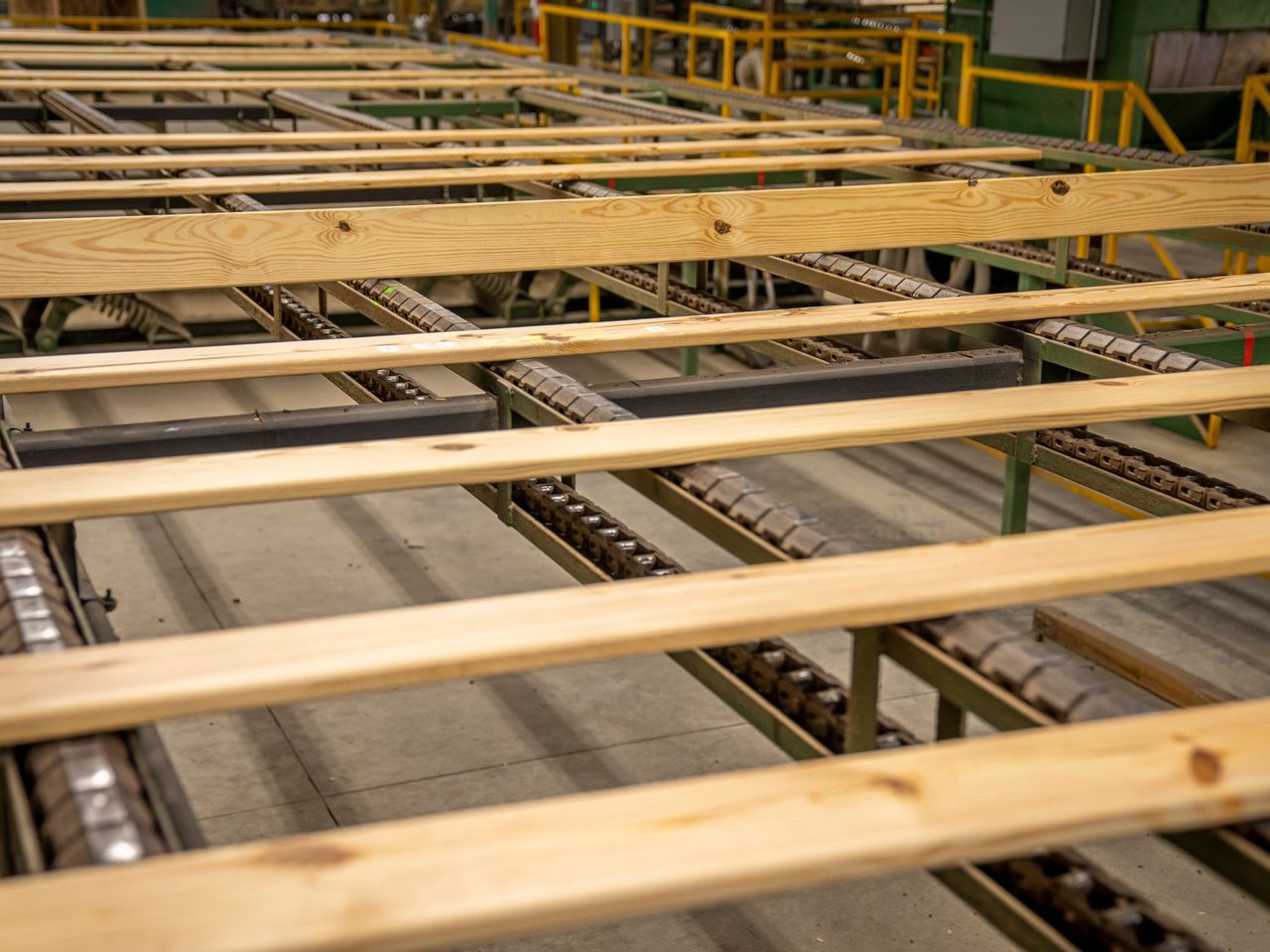
That distinction between cured and uncured runs through the regulatory material too. EPA's action plan on MDI explains that products containing free isocyanate groups are intended to react and cure in the process of use. An adhesive is applied uncured and bonds as it hardens.2 Other polyurethane products, such as mattresses and pillows, are fully reacted before sale, and completely cured products are considered inert and non-toxic.2 The plan therefore focuses on concerns for unreacted uncured products.2
The reason is occupational. EPA states that diisocyanates are well known dermal and inhalation sensitizers in the workplace and have been documented to cause asthma, lung damage and, in severe cases, fatal reactions.2 It notes they are a major cause of work-related asthma worldwide.2 They are commonly available in unreacted forms, in products widely used in construction and similar applications that require an end-use reaction.2 A urethane adhesive in a pail is exactly that: a product sold uncured because the reaction has to happen on the floor.
ATSDR's plain-language summary describes MDI as a light yellow crystalline solid, combined with other chemicals to produce polyurethanes.3 Products made with those polyurethanes include foam for furniture cushions, carpet padding and waterproof sealants.3 It adds that MDI is extremely reactive and does not stay in the environment long.3 On classification, ATSDR reports that EPA considers the carcinogenicity of MDI unable to be determined, with suggestive evidence raising concern.3 The International Agency for Research on Cancer determined MDI is not classifiable as to its carcinogenicity to humans.3
The practical reading for a flooring contractor is narrow and useful. The hazard sits in the open pail, the spray and the mixing, not in the finished floor. Ventilation, gloves and respiratory protection belong to the installation phase; the cured bond line under a plank is not the exposure.
Where the same chemistry turns up in a carpet
Polyurethane reaches the floor in forms that do not look like adhesive at all. The Polyurethane Foam Association reports that more than 1.4 billion pounds of flexible polyurethane foam are used annually for carpet cushion, and that most of it comes from recycling.4 Bonded, or rebond, cushion is made by grinding scrap foam into small particles bonded together with adhesives and heat, which is where its multi-colored look comes from.4 Frothed foam cushion is made on carpet backing machinery.4 Liquid ingredients are applied either directly to the back of some carpet styles or to a non-woven material, and the materials react to form a thin dense foam.4 See carpet cushion types.
That last description is worth noticing. The cushion is not glued to the carpet in a separate step; the polyurethane is poured and reacts in place against the backing. It is the same reactive chemistry, run as a manufacturing process rather than an adhesive application.
The one hot melt installers handle directly
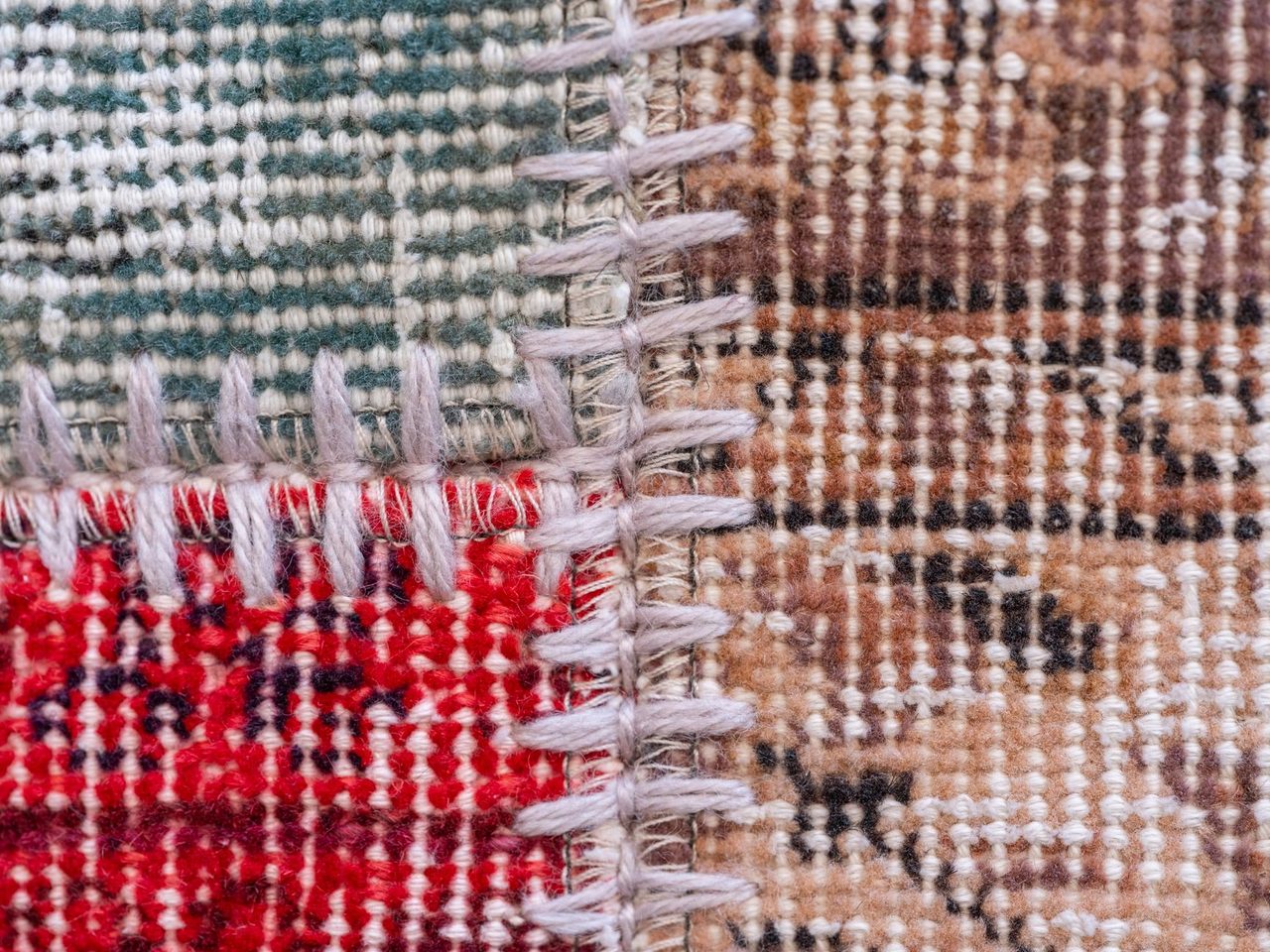
Most hot melt in flooring stays in the plant. The exception is carpet seaming. CRI 104, the commercial carpet installation standard, describes hot-melt seaming as a seaming tape pre-coated with a thermoplastic adhesive, centered beneath the seam.5 The tape is heated by a seaming device that melts the adhesive and laminates the carpet backing to it.5 It asks for seams to be made over a hard, flat surface such as a seaming board.5 A carpet seam roller is recommended to achieve proper penetration of adhesive into the backing.5
The standard's cautions all come back to heat and pressure, which is what a thermoplastic bond depends on. It recommends premium grade tape with high tensile strength, sufficient adhesive on the woven scrim and a stated minimum adhesive width.5 Rollers with a star or spike design are not recommended on hot-melt seams, particularly on cut or cut-loop constructions.5 A grooved iron is recommended for better penetration, and proper iron temperature is essential to avoid secondary backing distortion.5 The iron should be run in the direction of the pile, and a heat shield is required.5 Temperature settings vary by iron and tape manufacturer, so the number comes from the products in hand rather than from the standard.5 See seam problems and fixes.
On site, reactive adhesives dominate
Where an installer is bonding a floor rather than a seam, the pail usually holds a reacting adhesive. Bona's silane-based wood floor adhesive is a one-component product.6 Its published maximum shear strength is 340 psi at final cure by lap shear test, with a maximum elongation of 220 percent.6 That combination, a strong bond that still stretches, is what a wood floor needs over a substrate that moves. Mercier's installation bulletin recommends assisting the nailing of its wider floor boards with a urethane-based or silane adhesive, to reduce creaking.7 It is applied with a trowel at approximately 20 inches width, perpendicular to the direction of installation.7 See silane adhesives.
Spray and epoxy adhesives occupy the edges of the same category. Armstrong's adhesive guidance names a spray adhesive and an epoxy adhesive as the two options suitable for use under hospital beds.8 It says the spray adhesive requires no wait time before returning heavy loads to a room, and none before heat welding a vinyl sheet floor.8 Those answers are about reaction speed, which is the variable that decides the schedule. See heat-welded seams.
What to take from the difference
- A hot-melt bond is reversible with heat; a reacted urethane bond is not. That decides repair method as much as removal effort.
- Hot melt's moisture resistance is moderate, so a factory-laminated edge is not a waterproofing detail.1
- Reactive adhesives need their reaction conditions met. Temperature, substrate moisture and open time are part of the product, not advice.
- Protective equipment belongs to the uncured stage, where the sensitizers are.2 1
- When a supplier changes an adhesive on a product you specify, ask which family it moved to, not just whether the warranty is unchanged.
Sources
- USDA Forest Products Laboratory, “Wood Handbook: Wood as an Engineering Material (FPL-GTR-282)”. research.fs.usda.gov/download/treesearch/62200.pdf
- U.S. Environmental Protection Agency, “Methylene Diphenyl Diisocyanate (MDI) and Related Compounds Action Plan”. 19january2021snapshot.epa.gov/sites/static/files/2020-02/documents/mdi.p
- Agency for Toxic Substances and Disease Registry, “ToxFAQs: Toluene Diisocyanate (TDI) and Methylenediphenyl Diisocyanate (MDI)”. atsdr.cdc.gov/toxfaqs/tfacts206.pdf
- Polyurethane Foam Association, “Carpet Cushion Case Study”. pfa.org/carpet-cushion-case-study/
- Carpet and Rug Institute, “CRI 104 Standard for Installation of Commercial Carpet”. carpet-rug.org/wp-content/uploads/2019/03/CRI-104-STANDARD-For-INSTALLAT
- Bona, “Bona Quantum R851 technical data sheet”. arcat.com/datasheets/bonaus/Bona_Quantum_R851.pdf
- Mercier Wood Flooring, “Technical Bulletin #9: Fastener selection table”. icms.mercier-wood-flooring.com/icms/webfolder_download/f5da71d27054c1efe
- Armstrong Flooring, “Adhesives FAQs”. armstrongflooring.com/commercial/en-us/resources/flooring-faqs/adhesives
General information for the flooring trade. This article was drafted with AI assistance and checked against the sources listed above; the manufacturer's current instructions and the project specification govern any real job. If something here is wrong or out of date, tell us.