 SW-03 · Carpet & Soft Flooring
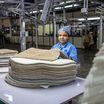
Most carpet cushion is flexible polyurethane foam, and the Polyurethane Foam Association says much of it comes from recycling.1 Bonded urethane, or rebond, is made from chopped foam pieces formed into one sheet and graded by density.2 For commercial carpet, CRI 104 says cushion thickness should not exceed 3/8 inch and must follow the carpet maker's recommendation, or the warranty may be void.3
Broadloom carpet installed over a separate cushion is still common in multifamily corridors, hospitality, senior living and residential projects. The cushion affects how the carpet feels, how quiet it is, how long it keeps its appearance, and whether its warranty holds. It is also one of the most frequently substituted items on a job. Knowing the types and the rules makes it easier to specify and to check what arrives.
What cushion does
The Polyurethane Foam Association lists cushion's functions. It absorbs noise and the initial shock of foot traffic, which otherwise compacts carpet fibers and causes matting.1 It notes that carpet seldom wears out; it "uglies" out, as fibers crush and traffic patterns appear, and cushion helps prevent that.1 It adds that many carpets with appearance retention warranties require a proper cushion to validate the warranty.1 For commercial installations, it points out that carpet over cushion is less costly to remove and replace than carpet glued directly to the floor.1
The main types
Bane-Clene's guide to carpet cushion describes three basic types: foam, rubber and fiber, each with subtypes.2
- Prime urethane foam is made by combining two liquid ingredients into a large mass of foam, then slicing it into sheets. It is graded by density.2
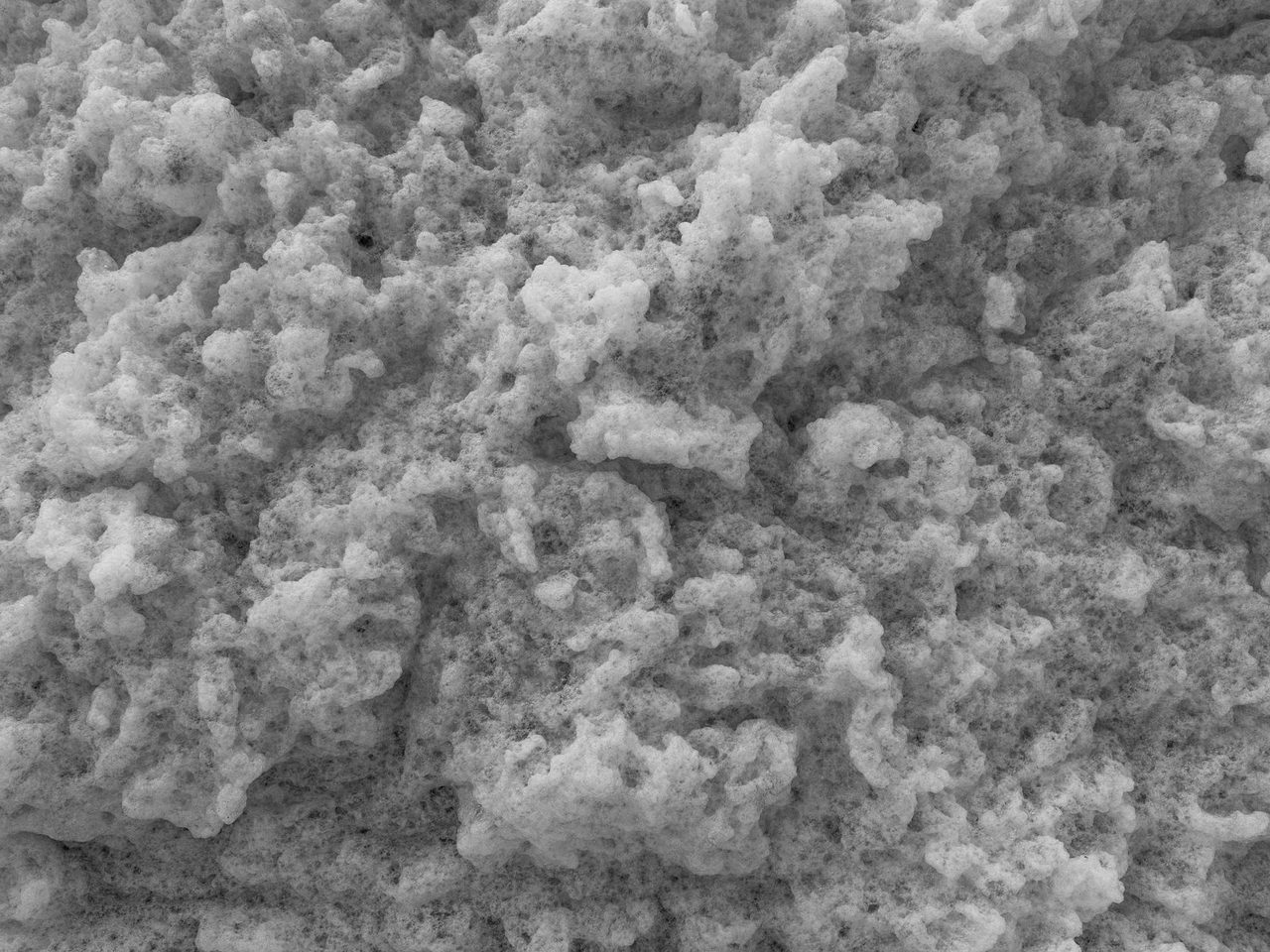
- Bonded urethane, or rebond, is formed by combining chopped and shredded pieces of foam into one solid piece, often with a surface net. It is also graded by density.2
- Frothed urethane is made on carpet backing machinery, applied to a nonwoven sheet, and is typically higher in density and firmer.2
- Sponge rubber comes as waffled or flat sponge, graded by weight in ounces per square yard. Flat sponge rubber is firm and dense, normally used in large commercial jobs and under loop carpet.2
- Fiber cushions are made from natural or synthetic fibers.2
Flexible polyurethane foam dominates the market. The Polyurethane Foam Association puts it at approximately 85-90% of carpet cushion, and says more than 1.4 BILLION pounds are used each year, most of it from recycling.1
Rebond in particular
Rebond is the most common residential and light commercial cushion. Bane-Clene notes two cautions. Rebond pad can cause yellowing of olefin carpet and stain-resist nylon carpet.2 Some rebond has contained BHT, a preservative linked to yellowing, though many cushion makers have since removed it.2 Ask the cushion maker about BHT where the carpet is olefin or light colored.
Rebond's density grade is the number to compare. Two rebond pads of the same thickness can feel similar on the day and perform very differently after a year of traffic. Compare density grades, not just thickness, and confirm the grade the carpet maker requires.
The commercial thickness limit
Commercial carpet is installed to a firmer standard than residential. CRI 104, the commercial carpet installation standard, says cushion thickness for commercial installations should not exceed 3/8 inch (10 mm).3 It requires the cushion to conform to the carpet manufacturer's recommendations for the specific product. It warns that failure to follow them may void manufacturer warranties.3 A thick, soft residential pad under commercial carpet is one of the most common ways a carpet warranty is lost.
Accessibility adds a limit too. The 2010 ADA Standards require carpet on accessible routes to have a firm cushion, pad or backing, or none.4 Soft cushion makes wheelchairs harder to push.
Installing cushion
CRI 104 sets out the method for separate cushion. Install it in the longest continuous lengths possible, with cushion seams at right angles to carpet seams or offset at least 6 inches (150 mm).3 Trim it flush with the tack strip, and fasten it to the substrate with staples or nonflammable cushion adhesive at seams and the perimeter.3 For double-glue installations, it says cushion seams are butted without compression, and not taped or stapled.3 On radiant-heated floors, Bane-Clene notes the cushion should be a low-insulating type, such as a thin flat sponge rubber or synthetic fiber cushion.2
Substitutions and site checks
Cushion is easy to swap and hard to inspect once covered. A pallet labeled with the wrong density, or a lighter pad sent because the specified one was out of stock, goes under the carpet and is never seen again until the carpet mats early. Check the cushion roll labels against the specification before installation starts, and photograph them. Paul Pleshek, a flooring inspector writing in Flooring Contractor magazine, recommends photographing labels on the flooring, cushion, pad and barriers at every job.5 That record shows the cushion met the carpet maker's requirement if the carpet's appearance warranty is ever claimed. On commercial work, a substitution needs written approval, because the cushion is part of the specified system, not an accessory.
Cushion and sound ratings
In multifamily buildings, cushion often helps carry the floor assembly's impact rating. The Los Angeles building department's standard sound-rated floor assemblies use carpet with specified cushions. Options include 40 oz. jutted pad, 48 oz. foam rubber, 3/8" rebonded urethane foam (4 pcf), or ½" urethane foam (2.4 pcf).6 If a cushion is swapped on a rated assembly, the rating may no longer apply. See underlayment and impact noise.
A cushion checklist
- Use the cushion type, density and thickness the carpet maker recommends for the product.
- On commercial jobs, keep cushion within the CRI thickness limit unless the carpet maker says otherwise.
- Check the cushion against any sound-rated assembly or accessibility requirement.
- Ask about BHT where carpet is olefin or light colored.
- Install seams and fastening to the commercial carpet standard.
Sources
- Polyurethane Foam Association, “Carpet Cushion Case Study”. pfa.org/carpet-cushion-case-study/
- Bane-Clene, “Carpet Padding / Carpet Cushion”. baneclene.com/pages/carpetpad
- Carpet and Rug Institute, “CRI 104 Standard for Installation of Commercial Carpet”. carpet-rug.org/wp-content/uploads/2019/03/CRI-104-STANDARD-For-INSTALLAT
- U.S. Access Board, “ADA Accessibility Standards”. access-board.gov/ada/#ada-303
- Flooring Contractor magazine, “Inspector Input (Winter 2019)”. digitaladmin.bnpmedia.com/publication/
- Los Angeles Department of Building and Safety, “Sound Rated Assemblies (Information Bulletin P/BC 2023-069)”. dbs.lacity.gov/sites/default/files/efs/forms/pc17/IB-P-BC-2023-069-Sound
General information for the flooring trade. This article was drafted with AI assistance and checked against the sources listed above; the manufacturer's current instructions and the project specification govern any real job. If something here is wrong or out of date, tell us.