 SW-03 · Carpet & Soft Flooring
Olefin is solution dyed, absorbs almost no water and is chemically inert, so it resists stains, bleach and fading.1 Its weaknesses are just as clear: virtually no resilience, a strong attraction to oily soil, and a low melting point that lets dragged furniture or casters damage it.1 2 Low-profile level loop olefin suits stain-prone areas; plush olefin in heavy or oily traffic does not.2
Polypropylene, sold in carpet as olefin, is found everywhere from apartment corridors to walk-off mats and outdoor carpet. It is chosen for price and stain resistance, and it delivers both. It is also blamed for carpets that flatten in a year and corridors that turn gray with soil. Both reputations are deserved. The fiber's chemistry explains when it is a good choice and when it is not.
What olefin is
Bane-Clene, a carpet cleaning manufacturer, publishes a fiber guide for cleaners. It names nylon, olefin, polyester, wool and PTT as the fibers that account for nearly all carpets.2 Its olefin data sheet lists the fiber's properties: a specific gravity of 0.90, moisture absorption of 0.01%, and a melt point of 320º F.1 It is solution dyed, with the color added before the fiber is formed.1 Because it is lighter than water, it floats, which is one way to identify it.1
What it does well
Olefin's strengths come from having nothing for stains to grab. Bane-Clene explains that its stain resistance comes from its lack of dye sites, near-zero water absorption and chemical inertness. It says chlorine bleach and even battery acid have no effect on it.1 It describes the fiber as inherently mold resistant, and resistant to fading in sunlight, which makes it the fiber of choice for outdoor use.1 Its color retention and stain resistance are rated excellent.1 And it costs significantly less than nylon.1
Where it fails
The weaknesses are equally consistent. Bane-Clene lists olefin's resilience, its ability to spring back after traffic, as none: it mats severely.1 It strongly attracts oily soil.1 It wicks stains more than nylon, which leads to complaints of reappearing spots, streaking, yellowing and resoiling.1 Its low melting point means friction from moving furniture or casters can permanently damage the fibers.1 It has no resistance to cigarette burns.1
For comparison, the same guide describes nylon as having good resilience, soil resistance, abrasion resistance and color retention. It notes nylon stains with acid dyes and fades in prolonged sunlight.2 It recommends solution dyed nylon where durability and stain resistance both matter, naming hospitals, schools, nursing homes and restaurants.2
Where it fits
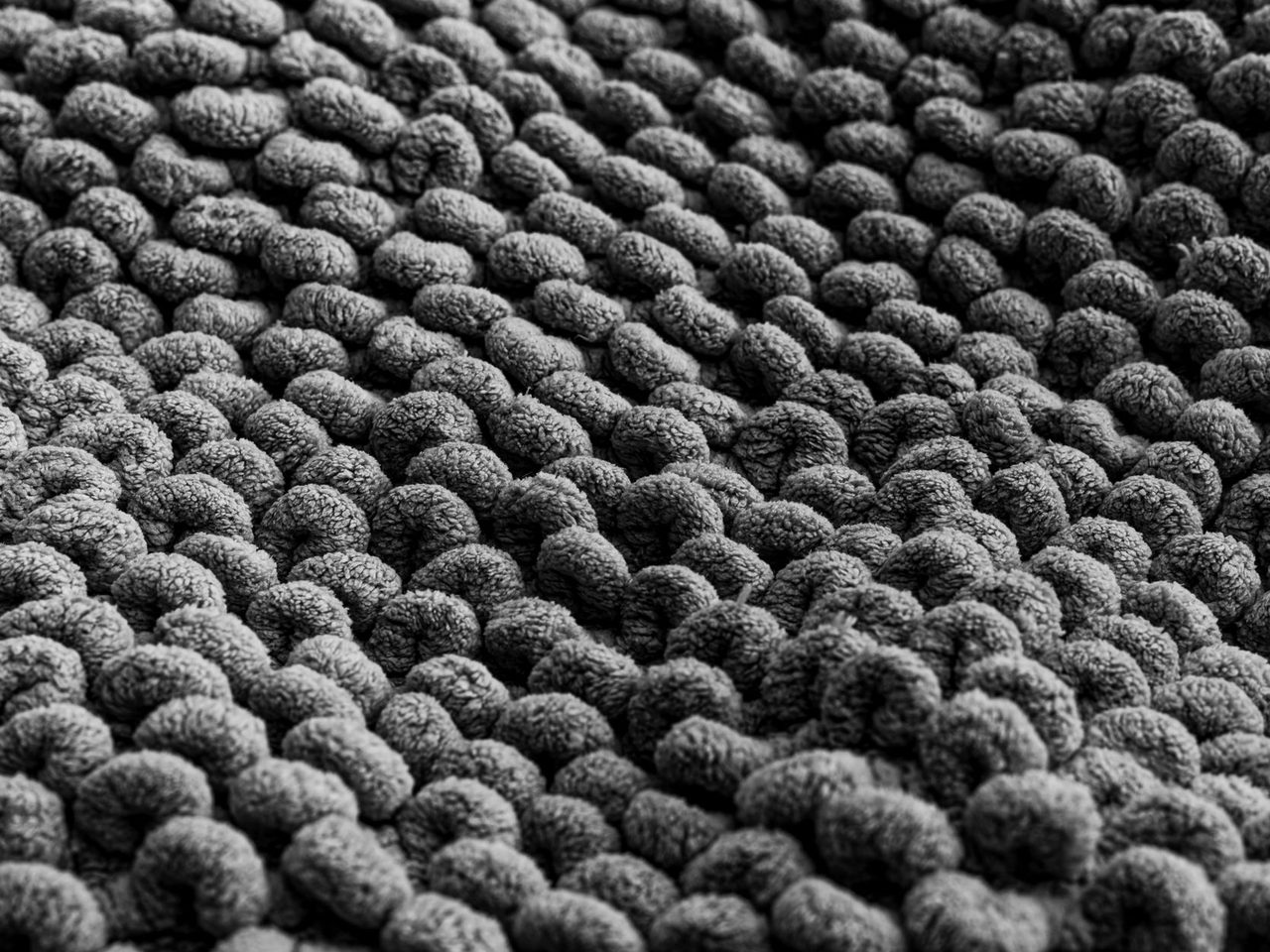
The guide's recommendations follow from those properties. It suggests low profile level-loop olefin where stain resistance is critical, such as nursing homes, apartment buildings and grocery stores.2 It says olefin berber should never be installed on stairs, in high-traffic situations, or where there is a lot of oily soil.2 It says olefin should never be used where the main soil is oil, giving a car showroom as the example.1
Construction matters as much as fiber. A dense, low, level loop resists matting far better than a tall cut pile in the same fiber. For commercial olefin, the tight loop is usually the right construction. Accessibility rules point the same way. The 2010 ADA Standards allow carpet on accessible routes in level loop, textured loop, level cut pile or level cut/uncut pile textures. They set a pile height of ½ inch maximum.3
Entrances and walk-off mats
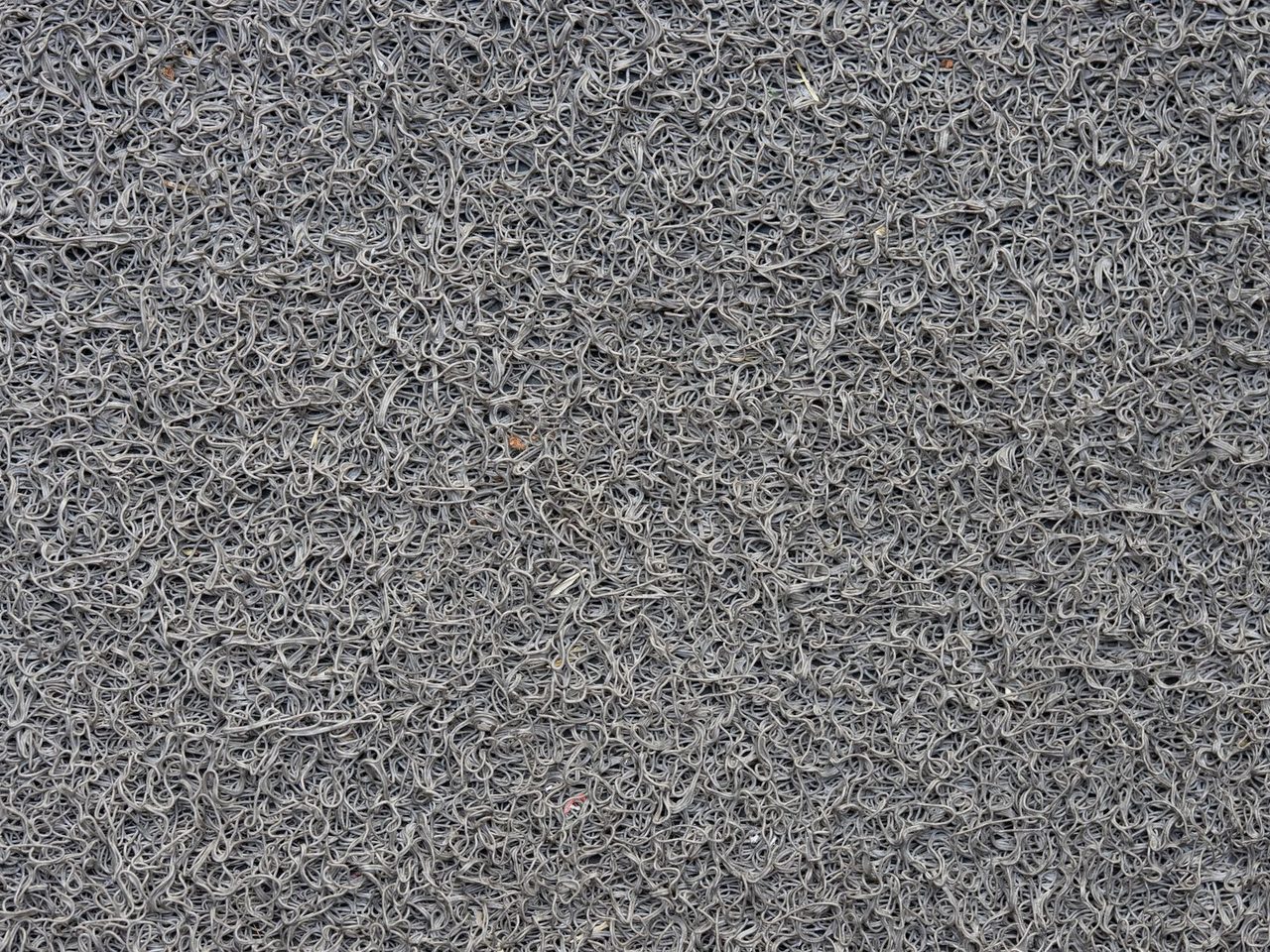
Olefin's resistance to water, mold and sunlight makes it common in entrance matting and outdoor carpet.1 Entrance mats do important work for every floor behind them. AHF's maintenance guidance calls grit control crucial to the appearance of any floor. It recommends walk-off mats with a high-friction, open surface that knocks grit off shoes and traps it.4 It asks for mats at every entrance, inside and outside, at least as wide as the doorway and 8′ to 12´ long, with a backing that will not stain the floor.4 It says the mats must be cleaned regularly.4 An olefin mat that has matted flat and filled with oily soil stops trapping grit, and starts spreading it. Replace or deep clean entrance mats on a schedule, not when they look bad.
Appearance over the floor's life
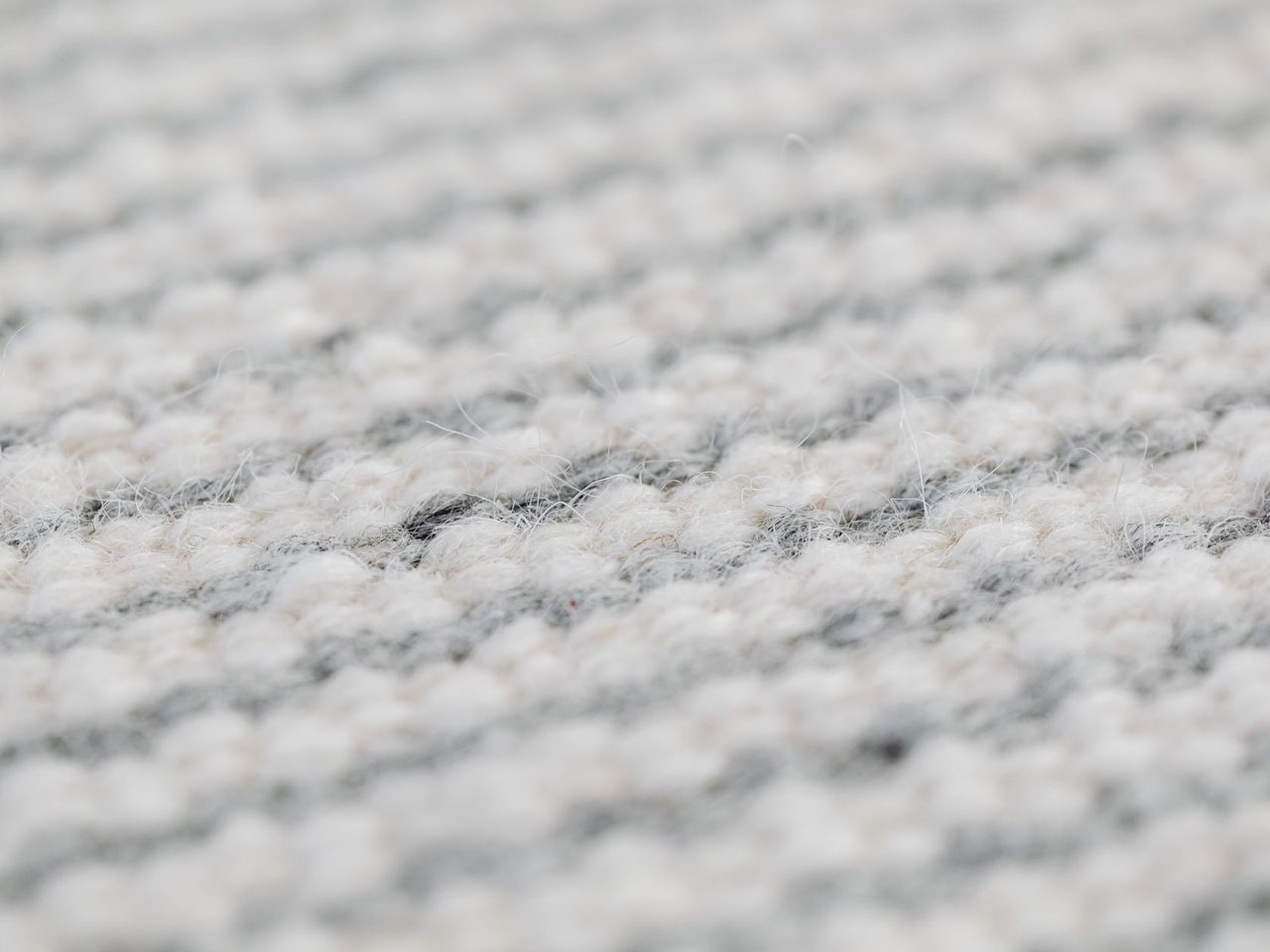
The Polyurethane Foam Association makes a point that applies directly to olefin: carpet seldom wears out, it "uglies" out as fibers crush and traffic patterns appear.5 Olefin rarely wears through. It loses its appearance first, through matting and soiling. When comparing olefin with nylon on cost, compare how long each will look acceptable in the space, not just the price per yard. In a low-traffic room where stains are the main threat, olefin may win. In a busy corridor, the cheaper fiber can cost more once early replacement is counted.
Cushion and backing
Olefin carpet is sensitive to some cushions. Bane-Clene notes that rebond pad can cause yellowing of olefin carpet, and that some rebond has contained BHT, a preservative linked to yellowing.6 It says BHT was removed from most olefin backings in 1985 for that reason.6 Specify a cushion the carpet maker approves, and ask about BHT. See carpet cushion types.
Cleaning olefin
Because it is chemically inert, olefin tolerates aggressive cleaning agents.1 Bane-Clene recommends pre-vacuuming, extra drying passes and air movers to reduce wicking.1 It says olefin should never be treated with a solvent-based protector.1 It warns that a broken vacuum belt can melt rubber into the fiber and permanently damage an olefin carpet.1 Put those points in the maintenance instructions at handover, especially for multifamily corridors where the cleaning contractor may assume nylon.
A specification checklist
- Use olefin where stain resistance and cost lead, and traffic and oil are moderate.
- Choose a dense, low, level loop construction for commercial use.
- Avoid olefin on stairs, in heavy traffic, and where oily soil is tracked in.
- Protect it from dragged furniture and hard casters; use chair mats.
- Specify a compatible cushion, and olefin-appropriate cleaning.
Sources
- Bane-Clene, “Olefin Fiber Properties in Carpet”. baneclene.com/pages/olefin
- Bane-Clene, “Carpet and Rug Fibers Overview and Chemistry”. baneclene.com/pages/fiberoverview
- U.S. Access Board, “ADA Accessibility Standards”. access-board.gov/ada/#ada-303
- AHF Products (Armstrong Flooring), “Armstrong Flooring Maintenance Recommendations for Vinyl Composition Tile (VCT) with Diamond 10® Technology Coating – Floor Expert”. floorexpert.com/knowledge-base/maintenance-recommendations-for-vinyl-com
- Polyurethane Foam Association, “Carpet Cushion Case Study”. pfa.org/carpet-cushion-case-study/
- Bane-Clene, “Carpet Padding / Carpet Cushion”. baneclene.com/pages/carpetpad
General information for the flooring trade. This article was drafted with AI assistance and checked against the sources listed above; the manufacturer's current instructions and the project specification govern any real job. If something here is wrong or out of date, tell us.