 SW-04 · Troubleshooting & Repairs
New flooring rarely matches an installed floor exactly. Manufacturers treat color variation between lots, samples and replacement material as normal; Elite says it is expected and not a defect.1 The best match is spare stock from the original production, stored properly.2 3 Light and wear change the installed floor too, so place new pieces where the difference shows least.4
A partial floor repair succeeds or fails on one question: does the new piece match? A plank, tile or carpet square that is a shade off draws the eye to exactly the spot the repair was meant to hide. Owners often expect a perfect match because the product name is the same. It rarely is. The reasons are well understood, and most of them can be planned for.
Why new material does not match
Flooring is made in batches, and batches differ. Interface ships carpet tile in dye batches that should not be mixed unless stated otherwise.5 The VA master specification for resilient tile asks for materials from the same production run.6 Manufacturers are open about this. Elite says color variations between flooring, samples and replacement material are expected and are not a product defect.1 Mohawk's vinyl plank warranty says minor color, shade or texture variations are normal.7 Timeless excludes color, shade and texture variations from its limited warranty.8
A product bought years after installation may be from a run made under different conditions, from different raw materials, or after a design update. Even the same color name can drift.
The installed floor has changed too
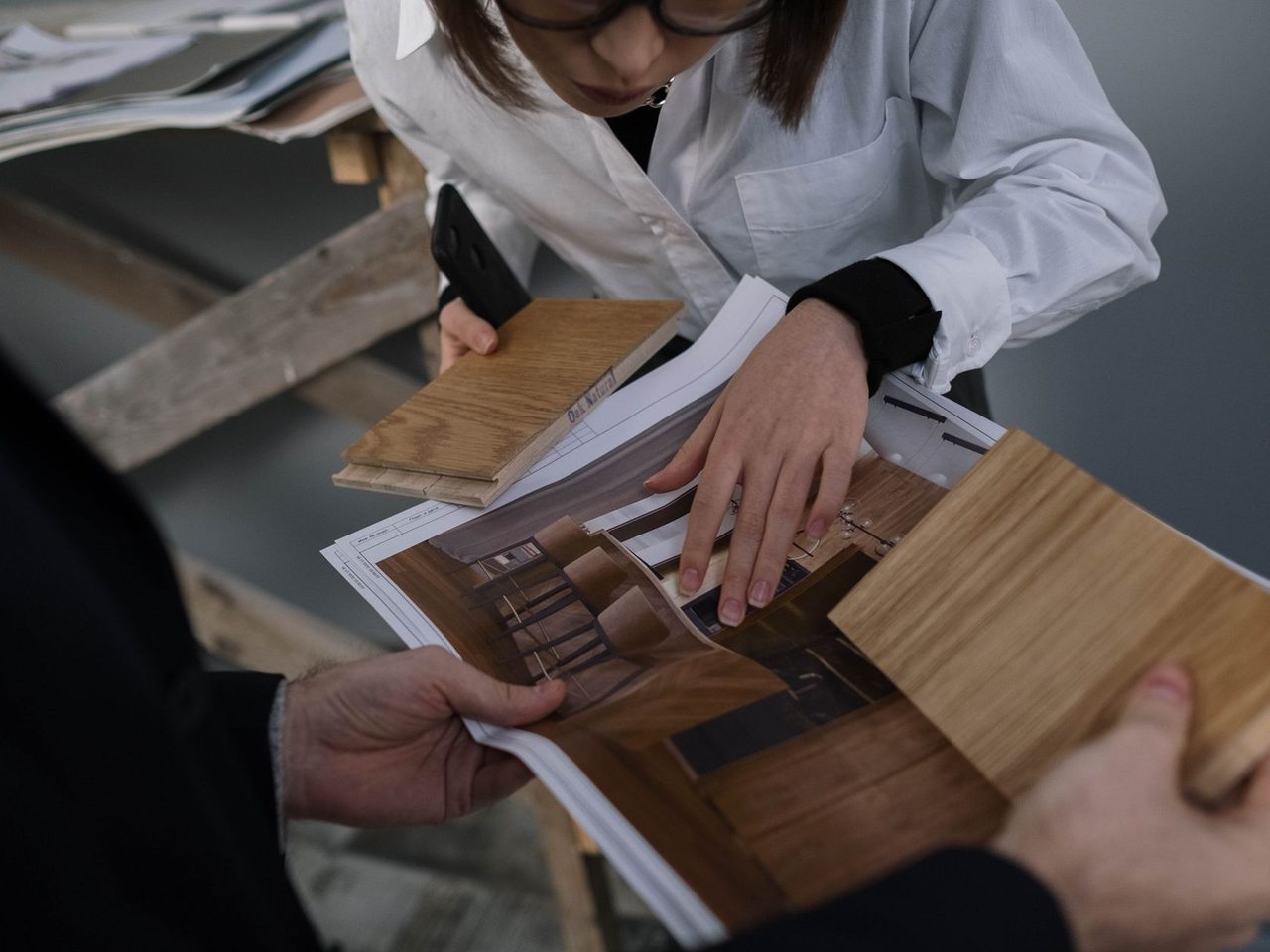
The old floor is not the color it was on day one. Marquis warns that over time intense natural and artificial light may discolor floors.4 Elite notes that prolonged direct sunlight can cause discoloration.1 Traffic wears the surface, and polish builds up or wears away on finished floors. AHF says the brightness and colors of a polished VCT floor appear dull when old polish needs stripping.9 A new tile set into a sun-faded or heavily polished floor will look different even if it came from the same box.
Attic stock is the best match
The closest match is material from the original installation. Daltile asks for excess flooring to be stored in a protected, climate-controlled environment for possible future repairs.2 One guide specification asks for extra materials from the same production run as the products installed, delivered to the owner in labeled packaging.3 Mohawk recommends buying a few extra cartons of laminate in case the product is later discontinued.10 Texas State University's design standard sets the overage at 5% of each product, or 2% on jobs over 10,000 sf.11
Attic stock only works if it survives. Label it with product, color and lot, store it flat in conditioned space, and tell the facility team where it is.
Blending at installation helps later
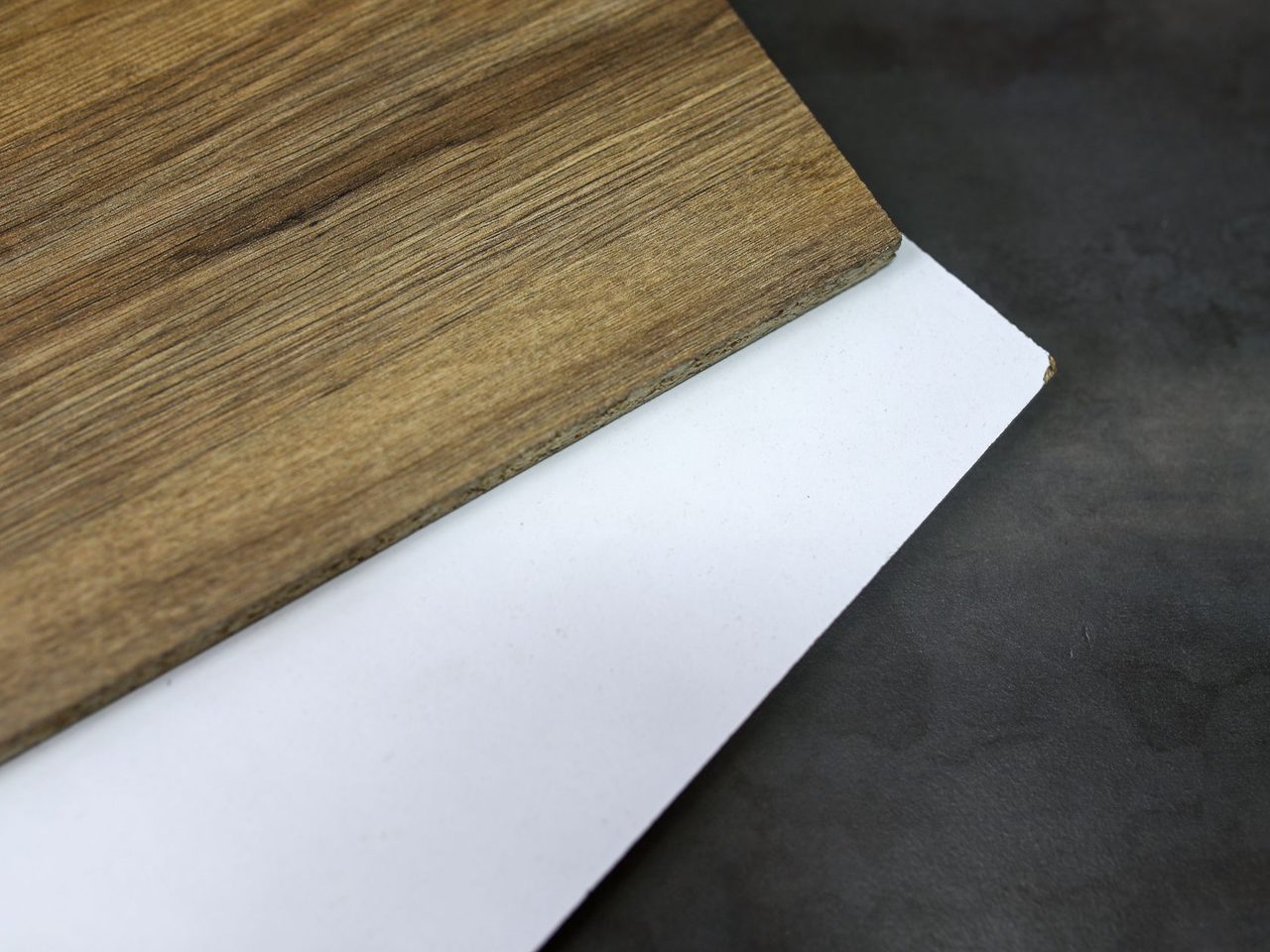
A floor laid from a single carton shows more contrast when a new piece goes in than one blended from many. EverStep asks installers to mix planks from two to three cartons from the same production.12 Elite recommends working from a minimum of 3 boxes.1 The VA specification asks for tile mixed from at least two containers, and rejects an apparent line of shade.6 A floor with natural variation built in absorbs a replacement more easily.
Placing the new material
When the match is imperfect, location decides how visible it is. For carpet tile and plank floors, take an installed piece from an out-of-the-way area, such as under a desk, inside a closet or behind a door. Use it in the visible spot, and put the new piece in the hidden one. The worn-in piece blends with its neighbors; the new piece sits where no one looks. For larger repairs, run the new material to a natural break, such as a doorway, a column line or a change of room. Avoid leaving an island of new floor in old.
For carpet tile, check the arrow direction too. A tile turned the wrong way looks like a different color. See replacing a carpet tile.
Record the lot at installation
Matching is easier when the job file says what went down. Paul Pleshek, a flooring inspector writing in Flooring Contractor magazine, advises photographing carton end stamps or back labels at installation. That confirms the product is as ordered and whether the shipment was one manufacturing lot.13 Years later, those photos tell the owner which lot to ask for, and whether the attic stock on the shelf really is from the original floor. Keep them with the closeout documents, not on a phone that will be replaced.
Checking the match before committing
Lay the replacement loose beside the existing floor before fixing it. Look at it from several angles, in the room's normal lighting and, where there are windows, at different times of day. Compare against the floor around the repair, not against a sample board. If the difference is visible standing up, it will be visible to the owner.
Agree the result with the owner before installing it. A replacement that is "the closest available" should be shown and accepted, not discovered. Take photos of the comparison for the file.
When there is no match
Sometimes no stock exists and the product is discontinued. Then the options are a deliberate contrast or a larger replacement. A contrasting border, inset or band can turn a patch into a design element. Otherwise, replace the whole area back to a natural break, so no old and new floor sit side by side. Either way, the decision belongs to the owner, with costs, before the work.
A checklist for matching
- Keep labeled attic stock from the original lot, stored properly.
- Blend from several cartons at installation.
- Expect differences from light, wear and finish on the installed floor.
- Swap a worn piece from a hidden area into the visible spot.
- Dry-lay and compare in real light; get the owner's acceptance.

Sources
- Elite Flooring, “Välinge Installation Guide (Woodlands)”. eliteflooringusa.com/links/install-instructions/Elite-Installation-Guide
- Daltile, “ProSeries Luxury Vinyl Flooring Installation & Care Guide (Rigid Core Click, Glue Down)”. s1.img-b.com/build.com/mediabase/specifications/daltile/1996309/daltile-
- Regupol America, “Specification Guide, Section 09 65 00 Resilient Flooring (REGUPOL revolution)”. commercial.regupol.com/fileadmin/user_upload/us/products/regupol-revolut
- Marquis Industries, “Rigid Vinyl Plank Installation Instructions (Angle)”. marquisind.com/static/resources/Angle_Angle%20Installation%20Instruction
- Interface, “Carpet Tile Installation Instructions”. interface.com/content/dam/interfaceinc/interface/technical/emea/installa
- U.S. Department of Veterans Affairs (via WBDG), “Section 09 65 19, Resilient Tile Flooring (master specification)”. nibs-s3-wbdg3-production.s3.us-east-1.amazonaws.com:443/FFC/VA/VANCAS/VA
- Mohawk (via Lowe's), “LVT/LVP Residential Limited Warranty”. pdf.lowes.com/warrantyguides/842374006031_warranty.pdf
- Timeless Designs, “Click Floating Luxury Vinyl Installation Instructions”. timelessdesignsflooring.com/wp-content/uploads/2023/05/TD-Rigid-Core-Ins
- AHF Products (Armstrong Flooring), “Maintenance Recommendations for Vinyl Composition Tile (VCT) Installed in Your Home – Floor Expert”. floorexpert.com/knowledge-base/maintenance-recommendations-for-vinyl-com
- laminate manufacturer (via Home Depot), “Mohawk Laminate Installation Instructions”. images.homedepot-static.com/catalog/pdfImages/36/36608e02-c5f4-4f65-8f0b
- Texas State University, “09 65 19 Resilient Tile Flooring and Base design standard”. docs.gato.txst.edu/141401/09_65_19-Resilient-Tile-FlooringBase.pdf
- EverStep Flooring, “LVP Click Lock Installation Guidelines”. everstepflooring.com/lvp-click-installation-guidelines/
- Flooring Contractor magazine, “Inspector Input (Winter 2019)”. digitaladmin.bnpmedia.com/publication/
General information for the flooring trade. This article was drafted with AI assistance and checked against the sources listed above; the manufacturer's current instructions and the project specification govern any real job. If something here is wrong or out of date, tell us.