 SW-07 · Contracting & Specs
A good RFI asks one specific question, references the drawings and specification, gives the context with photos or test results, proposes an answer and sets a response date.1 Flooring RFIs usually concern moisture results, flatness, transitions, layout direction and conflicts between the spec and the manufacturer's instructions.2 If the answer changes cost or time, it should lead to a change order, not a handshake.3
Flooring is installed near the end of a job, so its problems are found late. The slab is wetter than the spec allows. The drawings show two floor finishes meeting at a door with no transition. Or the specified adhesive is not one the flooring maker approves. The tool for each is a request for information. A well-written RFI gets an answer in days. A vague one comes back with a question of its own, and the schedule slips while everyone writes emails.
What an RFI is for
An RFI is a formal document asking for information about a specific aspect of a project. It is submitted by a contractor, a supplier or another stakeholder, and answered by the team that holds the information.1 The Access Group's guide for contractors notes that RFIs also create a paper trail, kept for reference through the project and for future disputes or changes.1 That record is half the value. An answer given verbally on site protects no one.
The parts of a good RFI
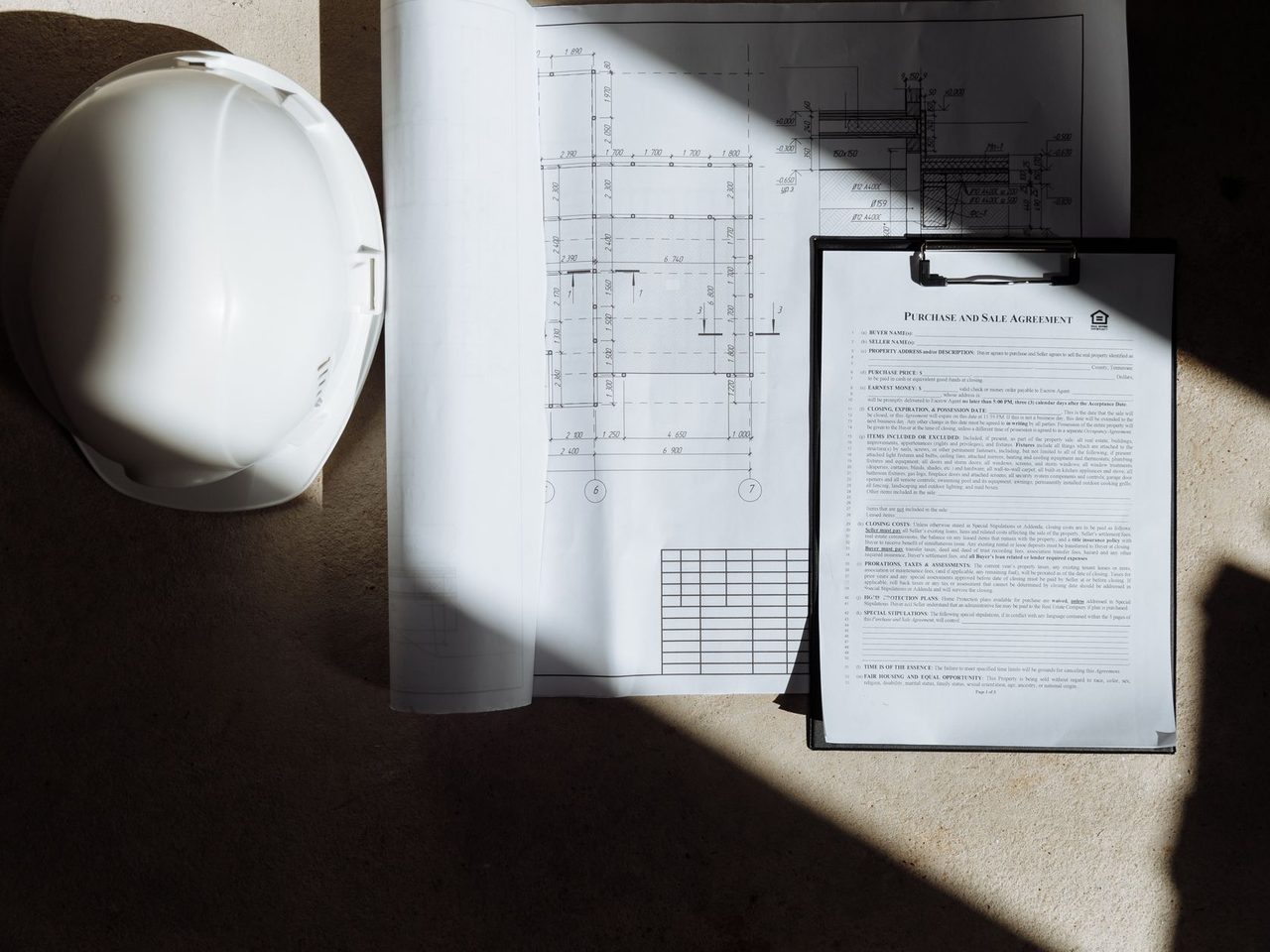
The guide sets out a sequence.1
- Project details: project name, an RFI number for tracking, the date, and who is asking.
- A clear subject line that says what the RFI is about.
- The issue or question, with references to previous RFIs or construction documents.
- Context, with supporting documents attached.
- The information requested, stated plainly.
- Urgency and a response deadline.
- Contact information.
Its best practices are equally plain. Ask direct questions and avoid open-ended ones. Use the same format throughout the project. Set clear deadlines, and track every RFI and response.1 It also suggests limiting the number of RFIs, consolidating related ones, because a flood of them suggests poor planning.1
One question, with a proposed answer
The fastest RFIs ask one thing and suggest a solution. "Please advise on flooring at the east classroom" invites a site visit. Compare: "The finish schedule shows LVT in the east classroom and carpet tile in the corridor. No transition is detailed at the classroom door. Proposed: rubber reducer per the transition detail, centered under the door. Please confirm by Friday." That one can be answered with a yes. The reviewer is not asked to design the solution, only to approve or correct yours.
Flooring issues that need an RFI
Moisture and pH results. Specifications often set limits that apply when the manufacturer gives none. The VA master specification for resilient tile, for example, calls for testing as the flooring and adhesive makers recommend. Without other guidance it allows 3lb of water/1000 sq. ft. in 24 hours by ASTM F1869, and 75 percent relative humidity by ASTM F2170.2 When results exceed the limit, the RFI should attach the test report with locations and ask how to proceed. Do not guess at a mitigation. See moisture testing.
Flatness. The same specification asks for existing slabs to be measured by the F-number method, with an overall value not to exceed FF30/FL20.2 If the slab fails, the RFI should state the measurements and propose the preparation needed.
Conflicts between documents. The VA specification asks for adhesives, underlayment and primers recommended by the flooring manufacturer.2 If the spec names one product and the manufacturer requires another, ask. Installing the wrong one to follow the spec can void the warranty.
Layout, direction and seams. CRI 104 asks for shop drawings that identify seam locations and dye lot changes.4 If the drawings do not show plank direction, starting points or pattern, ask before the shop drawing goes in.
Attachments that help
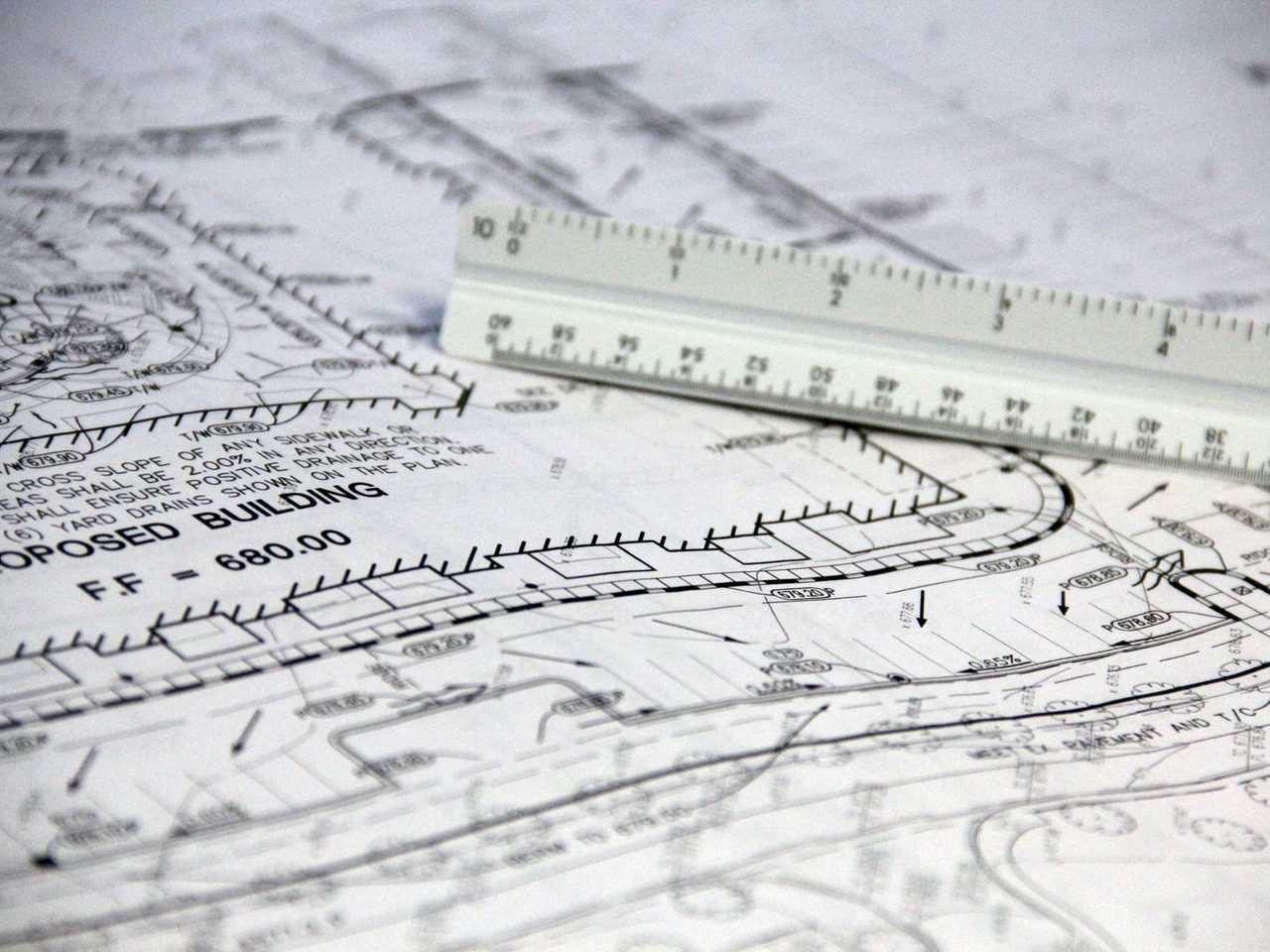
Photos with a scale, marked-up drawings, test reports with locations, and the manufacturer's page that conflicts with the spec. The guide recommends attaching supporting documents and asking questions that can be answered directly.1 A marked-up plan with the question area clouded saves the reviewer from hunting through sheets. A photo of the slab with the meter reading in frame is better than a sentence describing it.
When the answer changes the price
Many RFI answers are free: a detail clarified, a product confirmed. Some are not. A required moisture mitigation, extra floor preparation or a change of product all cost money and time. AIA Contract Documents lists an RFI among the common triggers of a change order.3 It warns that informal direction, such as verbal instructions, emails or field conversations, can lead to disputes over whether work was authorized and what it should cost.3 When an RFI answer adds work, say so in writing and ask for a change order before proceeding. See flooring change orders.
Ask early
The best time for a flooring RFI is before the flooring crew arrives. Review the finish schedule, the transition details and the flooring sections when the submittal is prepared, and send questions then. Test the slab as soon as the building is enclosed and conditioned, not on the morning of installation. The Access Group notes that without an RFI, contractors may proceed on assumptions, which leads to errors and delays.1 A question asked six weeks ahead costs nothing. The same question asked with a crew waiting costs a day's labor.
Keep the log
Track every RFI: number, date sent, question, date answered, answer, and whether it affected cost or time. The Access Group recommends tracking RFIs and responses so they arrive within the deadline.1 At closeout, the log explains why the floor differs from the drawings, and who decided it. Hand a copy over with the closeout documents.
Sources
- The Access Group, “What are RFIs in construction”. theaccessgroup.com/en-us/construction/resources/rfis-in-construction/
- U.S. Department of Veterans Affairs (via WBDG), “Section 09 65 19, Resilient Tile Flooring (master specification)”. nibs-s3-wbdg3-production.s3.us-east-1.amazonaws.com:443/FFC/VA/VANCAS/VA
- AIA Contract Documents, “Construction Change Directive vs. Change Order: What is the Difference?”. learn.aiacontracts.com/articles/construction-change-directive-vs-change-
- Carpet and Rug Institute, “CRI 104 Standard for Installation of Commercial Carpet”. carpet-rug.org/wp-content/uploads/2019/03/CRI-104-STANDARD-For-INSTALLAT
General information for the flooring trade. This article was drafted with AI assistance and checked against the sources listed above; the manufacturer's current instructions and the project specification govern any real job. If something here is wrong or out of date, tell us.