 SW-07 · Contractor Business
A finished floor can lose its value in a single afternoon. A dragged cabinet, wet drywall compound, or rolling lift can leave damage that no cleaner or repair kit can fully hide.
Clear floor protection rules prevent disputes before they start. They define who covers the floor, which materials are allowed, where traffic goes, and who pays when another trade ignores the plan.
The best time to control jobsite damage is before the next crew arrives.
Key Takeaways
- Floor protection starts with a written handoff, not a roll of kraft paper.
- Protection materials must match the flooring type, site conditions, and expected traffic.
- Other trades need clear limits for carts, ladders, wet work, adhesives, and material storage.
- Daily inspection matters because damaged coverings can trap grit and create worse scratches.
- Photos, sign-offs, and incident records protect the flooring contractor’s work and warranty position.
Set Floor Protection Rules Before the Handoff
The flooring contractor should establish protection requirements before installation is complete. Waiting until painters, millworkers, or appliance installers arrive leaves too much room for assumptions.
Start with the contract and job schedule. Identify the date the floor becomes a finished surface, the date protection goes down, and the planned date it comes off. The general contractor should confirm which trade owns protection after the flooring crew leaves.
A solid handoff document states:
- The flooring material, finish, and installation method.
- Approved cover materials and prohibited tapes or films.
- Traffic routes, staging zones, and loading paths.
- Limits on ladders, rolling equipment, and stored materials.
- The contact person who can approve protection removal or replacement.
For example, a floating LVP floor may need room to move at perimeters and transitions. A heavy cabinet crew can create joint failures if it loads or drags across the surface improperly. The same care applies when protecting vinyl floors during appliance installation, where lifting, load spreading, and controlled movement prevent damage at locking edges.
A floor cover is a temporary shield, not permission to use the finished floor as a work platform.
Protection also needs a release condition. The flooring contractor should verify that the floor is clean, dry, and free of installation residue before coverage begins. If dust, fasteners, or grit sit beneath the cover, foot traffic can grind them into the finish.
Choose Protection Materials for the Actual Risk
One cover doesn’t fit every project. A light-duty paper product may work during final punch work, yet it won’t protect hardwood from rolling scaffold wheels or protect resilient flooring from a loaded pallet jack.
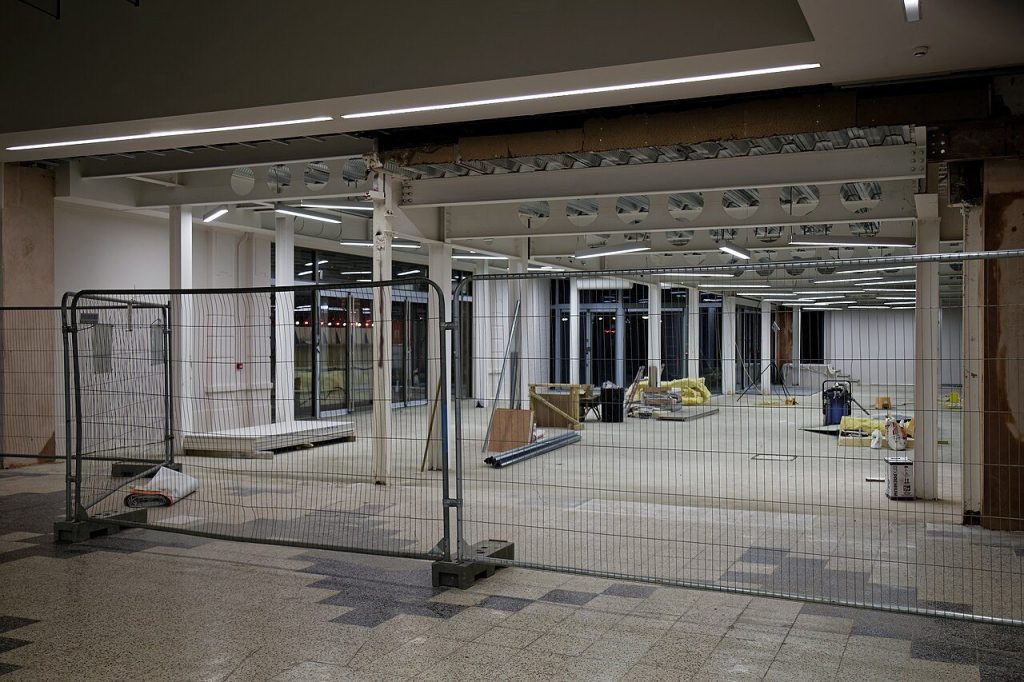

The protection plan should account for the floor, the work ahead, and the environmental conditions. Moisture-sensitive wood and adhesive-set flooring need special care when crews use wet compounds, paint, or water-based cleaning methods. Non-breathable films can hold moisture against some surfaces, while an absorbent cover can become saturated and transfer stains.
For high-traffic routes, use a durable top layer designed for construction traffic. Under it, use a clean, compatible buffer that won’t scratch or discolor the flooring. Secure seams to the protection itself whenever possible. Direct tape contact can pull finish, leave adhesive residue, or discolor resilient surfaces.
Builders commonly install protection immediately after flooring is laid or once the surface faces tool, foot-traffic, or equipment exposure. That timing aligns with the practical guidance in this construction floor protection guide.
Never assume a product is safe because it worked on another project. Test tapes, films, and protective boards in an inconspicuous area when the manufacturer permits it. Then follow the flooring manufacturer’s written instructions over habit or convenience.
For LVP and other resilient floors, documentation matters as much as material selection. Photos of the clean floor, protection layout, seams, and finished edges support LVP warranty coverage if a later claim blames the installation.
Match Protection Rules to Each Trade
Different crews create different types of risk. A painter may create overspray and ladder-point damage. An electrician may introduce sharp carts, wire scraps, and tool cases. Cabinet installers can concentrate hundreds of pounds on a narrow footprint.
Use trade-specific instructions at the jobsite meeting.
| Trade | Common flooring risk | Required protection rule |
|---|---|---|
| Painters and drywall crews | Overspray, wet compound, ladder marks | Use drop protection under work areas and clean spills immediately |
| Cabinet and millwork crews | Dragging, point loads, dropped hardware | Lift units into place and use load-spreading panels under staging points |
| Electricians and low-voltage crews | Rolling tool carts, wire scraps, sharp fasteners | Keep carts on protected routes and sweep before moving equipment |
| Plumbers | Water, sealants, solvents, pipe debris | Protect work zones and remove wet materials the same day |
| HVAC crews | Equipment wheels, sheet-metal edges, condensate | Use rigid wheel paths and keep equipment off finished areas |
| Appliance installers | Concentrated loads and dragged feet | Lift, slide on approved barriers, and avoid rolling over joints |
Painters need a written rule against taping paper directly to finished flooring unless the flooring manufacturer allows it. They also need a defined place for wash buckets, sprayers, and paint cans. A small spill that sits under a protective sheet can become a permanent stain.
Cabinet teams should never slide boxes, islands, or appliances into place across the cover. The cover protects the surface from dust and minor abrasion. It does not eliminate the force of a loaded cabinet edge pressing into a plank, tile corner, or hardwood finish.
Commercial painting questions often focus on large areas and temporary coverings. A discussion about protecting floors during commercial painting shows why crews need an agreed system before work begins, rather than making decisions after equipment and paint arrive.
Inspect the Covering Every Day
Protection fails when it becomes part of the debris problem. A torn path exposes the floor. A curled seam becomes a trip hazard. Sand and gypsum dust beneath the cover act like abrasive paper under work boots.
The superintendent or designated flooring lead should walk protected areas daily. Check doorways, elevator exits, corridor turns, material staging zones, and areas around installed fixtures. These locations receive the highest traffic and deserve the strongest protection.
Replace damaged sections immediately. Don’t patch a soaked paper cover with another loose layer. Remove the wet material, inspect the flooring, dry the area, and install compatible replacement protection.
Keep records simple but complete:
- Photograph the floor before coverage, after coverage, and before final removal.
- Record visible damage as soon as it appears, with the room number and date.
- Note which trade occupied the space when the issue occurred.
- Require written acknowledgment when another trade takes control of a protected area.
A consumer-oriented construction floor protection question reaches the same basic point seen on commercial sites: material choice depends on the surface and the work being performed. Flooring professionals add accountability, documented conditions, and manufacturer requirements to that decision.
Keep Protection Practices Current With Industry Changes
Floor protection methods change as products change. The newest flooring products often have different wear layers, finishes, locking systems, adhesive requirements, and warranty language than earlier lines.
Flooring manufacturing factories continue to develop products with more realistic visuals, larger formats, and different core constructions. That makes physical product handling more important. At annual flooring shows, contractors and retailers can inspect the newest flooring trends and products in person, ask manufacturers about temporary protection, and compare performance claims against actual samples.
Flooring Markets describes its events as places where dealers, manufacturers, installers, designers, and builders meet to review new lines. Those regional flooring market events can help teams connect protection methods with the newest flooring products before they reach active jobsites.
Flooring news also affects field practice. The National Tile Contractors Association announced 21 free workshops and six regional training sessions for January 2026, covering skills for installers and contractors. Its 2026 education schedule is a useful reminder that trade education includes jobsite discipline, not only installation technique.
Follow flooring industry news with a practical filter. New flooring trends may change how a material looks, but they can also change how it handles pressure, heat, moisture, and temporary coverings.
Final Protection Is Part of Final Quality
Floor protection rules turn a vague expectation into a working jobsite standard. They give every trade clear boundaries and give the flooring contractor evidence when damage occurs.
A clean handoff, compatible materials, daily inspections, and documented responsibility protect more than the finished surface. They protect the schedule, the warranty, and the reputation attached to the work.