 SW-04 · Troubleshooting & Repairs
Rubber flooring is maintained by cleaning and dry buffing, not by stripping and refinishing. Nora calls for pH neutral cleaners, soft nylon brushes or red pads at 150-300 RPM, and dry buffing not exceeding 300 RPM.1 Roppe warns that detergents, abrasive cleaners, solvents and highly alkaline or acidic cleaners can damage, soften or discolor rubber.2 Prevent scuffs with board protection and soft casters.3
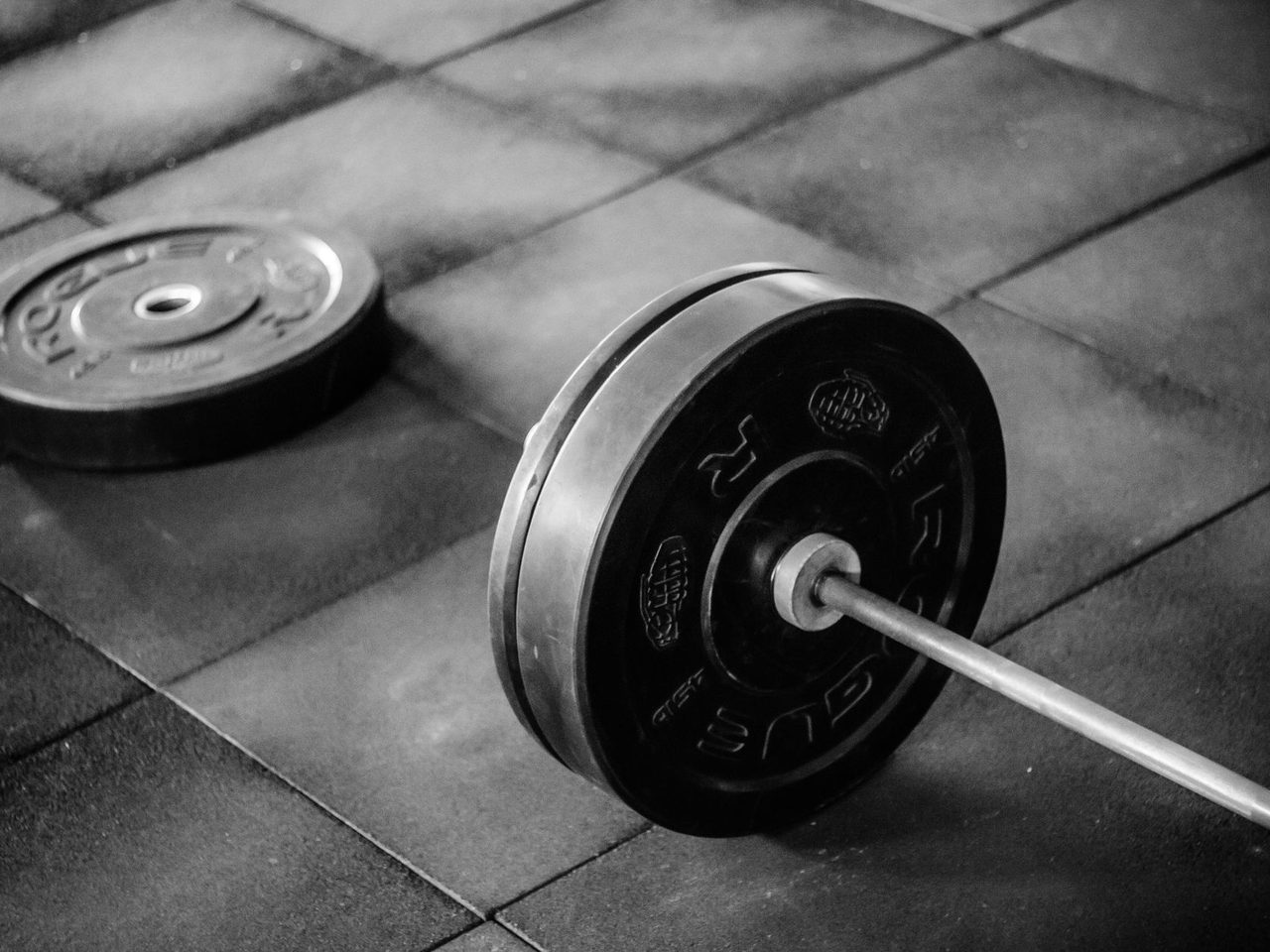
Rubber flooring is chosen for hard-working spaces: gym floors, school corridors, labs, hospitals, airport concourses. It handles that traffic well, but the surface shows marks from shoe soles, carts, equipment feet and dragged furniture. Facilities staff often reach for the same tools and chemicals they use on vinyl tile. That is where rubber floors get damaged. The manufacturers' care guides are specific about what works and what does not.
Rubber is not maintained like VCT
The first difference is the finish. Roppe notes that one of the main benefits of rubber flooring is that it does not require a floor finish, or wax, within a maintenance program.2 It says rubber can be maintained by routine cleaning and dry buffing.2 Nora says its rubber floors have a natural luster and do not need artificial coatings.4 Its maintenance recommendations say not to apply any hard coating to its rubber flooring.1
That changes how scuffs come off. On a waxed VCT floor, a scuff sits in the finish and is buffed or stripped away. On rubber, it sits on the rubber surface. It is removed by cleaning and buffing with the right pad, not by cutting into the floor.
The cleaner
Use a neutral cleaner. Nora's initial maintenance applies a diluted pH neutral cleaner and lets it act for 15-20 minutes, without letting the solution dry.1 Its general precautions say not to use cleaning agents with a pH higher than 12.1 Roppe uses a neutral cleaner at 2-4 ounces per gallon of clean water, left on the floor for 5-10 minutes before scrubbing.2
Some cleaners do lasting harm. Roppe says not to use highly alkaline or acidic cleaners, detergents, abrasive cleaners or "mop and shine" products, which will damage, soften or discolor the flooring.2 It says not to use kerosene, gasoline, naphtha or other solvents on rubber tile.2 A solvent may lift a black heel mark, and leave a soft, dull patch the size of the rag.
The pad and the machine
Most scuff damage comes from too aggressive a pad. Nora's precautions say never to use grit brushes or black, green or blue pads, and not to use high speed buffing machines.1 For hammered and smooth surfaces, it scrubs with a single disc machine at 150-300 RPM and a soft nylon brush or red pad.1 For raised round pastille surfaces it uses a soft nylon brush only.1 Roppe scrubs at 175 – 350 RPM with a 22 gauge soft bristled brush or a red cleaning pad.2
Then the floor is dry buffed. Nora asks for a soft nylon brush or white pad, not exceeding 300 RPM, and says not to heel the machine.1 Roppe dry buffs with a low-speed machine and a polishing brush or white polishing pad.2 Dry buffing is what lifts most routine scuffs and restores the even sheen. Done regularly, it also keeps scuffs from building up between deeper cleans.
A scuff removal routine
- Sweep, dust mop or vacuum to remove grit. Roppe warns against vacuums with a beater bar, which can cause discoloration, scratching and loss of sheen.2
- Spot clean the marks with the neutral cleaner at the manufacturer's dilution.
- For stubborn marks, scrub the area with the approved brush or red pad at low speed.
- Pick up the solution, rinse with clean water, and let the floor dry fully.
- Dry buff with a white pad or soft brush at low speed.
Keep water from sitting on the floor. Roppe warns that cleaning solution working its way under the flooring can cause adhesive failure.2
New floors
New rubber floors need different first steps. Nora floors leave the factory with a protective finish that must be removed in an initial cleaning before use, or it will attract dust and dirt.1 Nora says initial maintenance should not be performed within the first 72 hours after installation.1 Roppe says not to scrub, buff or mop within the adhesive's traffic limits, which it gives as 48-72 hours.2 Scuffs left by other trades during that window should wait until the adhesive has cured.

Preventing scuffs
Much of the scuffing on new rubber floors comes from construction and moving. Roppe asks for the floor to be swept and covered with a protective board, such as Masonite or Ram Board, before furniture or heavy equipment is moved. It warns that the scuffing and scratching may not come out in maintenance.2 Its accessories guide says not to slide or drag pallets or heavy equipment across new flooring.3
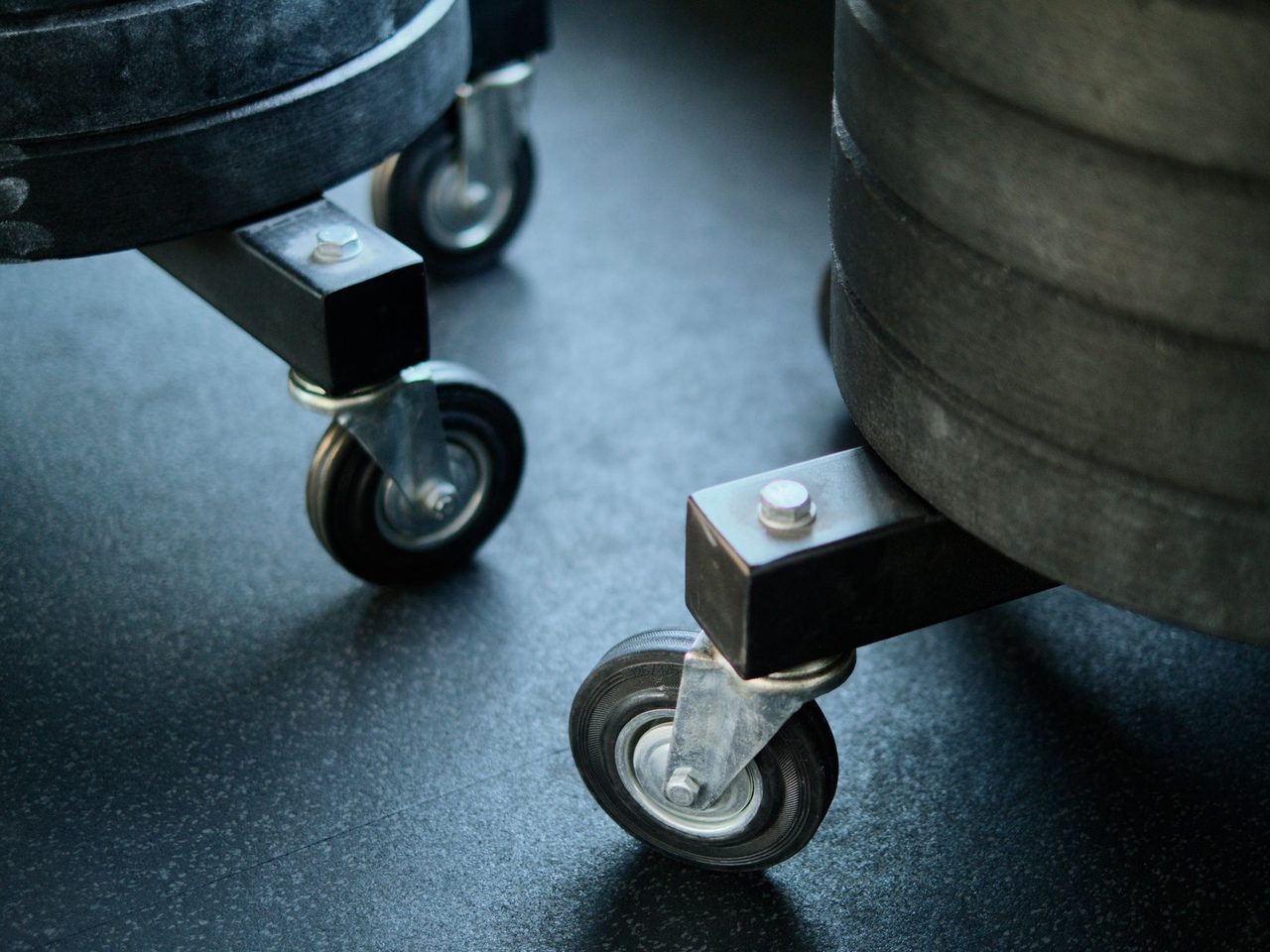
In use, the details are furniture and grit. Roppe asks for casters made of soft material with a contact point of at least 1" in width.3 It requires a resilient flooring chair pad under rolling chairs.3 Nora recommends walk-off mats at entrances, cleaned at regular intervals, to stop dirt and grit being tracked in.1 Roppe adds that debris building up under chair and furniture feet or casters can damage the flooring when furniture is moved repeatedly.2
When a finish is used
Some facilities do finish rubber floors, often in areas that cannot be machine maintained. Roppe allows a compatible floor finish in such areas, applied in 3-4 coats after initial cleaning.2 On a finished rubber floor, scuffs sit in the finish, and the finish is periodically removed and reapplied.2 Nora says customers who prefer a coating should contact the manufacturer for a suitable product.1 Know which kind of floor you have before choosing the method, and write it into the cleaning contract. For finished vinyl tile, see VCT maintenance mistakes.

Sources
- nora systems, “General Maintenance Recommendations (US)”. hawk.cfd.rit.edu/products/manuals/NORA%20Floor/general_maintenance_recom
- Roppe, “Smooth & Marbleized Rubber Tile Maintenance”. roppe.com/wp-content/uploads/2016/12/Roppe_Smooth-Marbleized_RubberTile_
- Roppe, “Rubber Accessories Maintenance”. roppe.com/wp-content/uploads/2016/12/Roppe_RubberAccessories_Maintenance
- Interface (nora), “nora Rubber Maintenance & Cleaning Instructions”. interface.com/US/en-US/resilient/nora-rubber-maintenance
General information for the flooring trade. This article was drafted with AI assistance and checked against the sources listed above; the manufacturer's current instructions and the project specification govern any real job. If something here is wrong or out of date, tell us.