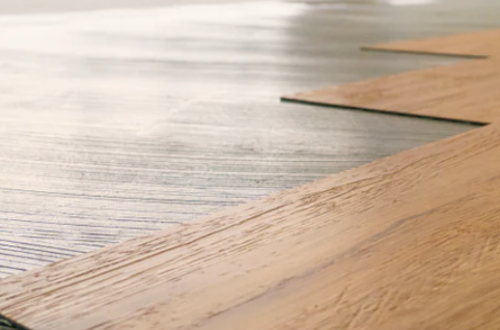
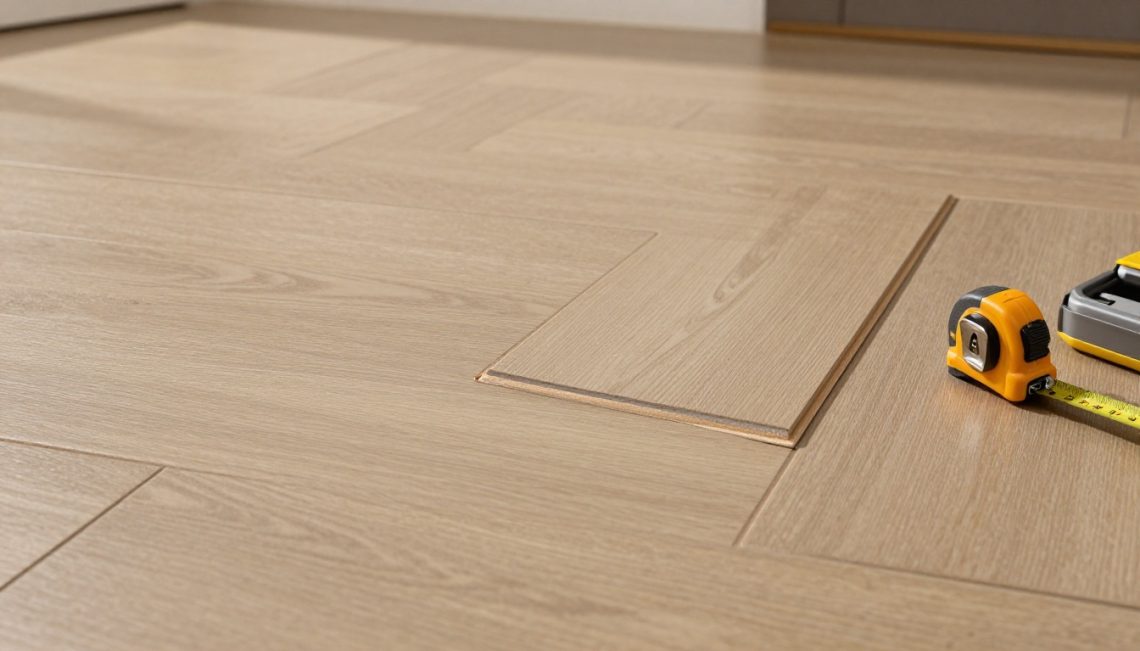
Is there any pattern that looks more “custom” than herringbone? It’s also one of the fastest ways to spot a rushed install. A small gap that would hide in a straight lay can stand out like a crooked button on a suit.
Herringbone click-lock LVP adds one more challenge: you’re not only building a pattern, you’re building it on a locking system that can crack if it’s forced or stressed in the wrong direction. This guide breaks down a practical plank selection checklist, a reliable locking order, and the habits that prevent broken tongues on the job.

Why herringbone click-lock LVP behaves differently than straight-lay planks
Herringbone isn’t just a layout choice, it’s a stress test for the locking profile. In a straight lay, most of the force runs in predictable lines. In herringbone, every “V” pushes and pulls at the next one, and small alignment errors multiply across the field.
That’s why subfloor prep matters more than usual. LVP can bridge tiny imperfections, but herringbone doesn’t forgive them. A low spot can create a soft hinge point. When someone walks it, the planks flex, the joint works, and the tongue takes the hit. If your crew has ever heard that sharp “snap” while clicking a short end, you know the sound.
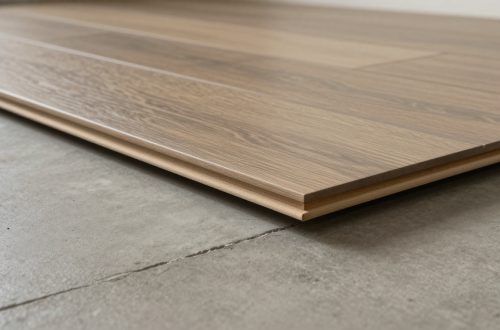
Material choice also changes the feel of the lock. Stiffer cores can help keep lines crisp, but they can also be less forgiving if you’re slightly off-angle during engagement. Softer cores can be easier to close, yet they may telegraph subfloor issues sooner. Either way, treat the locking mechanism like a precision part, because it is.
From a manufacturing standpoint, herringbone is where tolerances show up. Lock profiles are cut and formed at scale in flooring manufacturing factories, and even small variation can turn a smooth click into a fight. That’s one reason many brands keep refining “stronger click” geometries and edge treatments. (Some products are also marketed with thicker builds, for example, Cali Vinyl Legends is promoted at about 1/2 inch overall thickness, but thickness alone doesn’t guarantee a tougher lock.)
Plank selection checklist before you start snapping joints
If herringbone is the plan, plank selection can’t be an afterthought. The box might say “click,” but not every click system is meant for this pattern, and not every plank size looks right once the pattern repeats.
Here’s a practical checklist to run before material is staged in the room:
- Herringbone compatibility: Confirm the manufacturer lists herringbone as an approved installation method for that specific click system.
- Left and right planks (A and B): Many herringbone-specific products come as mirrored planks. Make sure cartons are clearly labeled and you have balanced quantities.
- Plank size that suits the space: Long planks can look elegant, but tight rooms can make the pattern feel crowded or create awkward cuts at borders.
- Edge and bevel details: A pronounced bevel can help hide micro-variation, but it can also highlight misalignment if the pattern drifts.
- Lock profile strength and feel: If you can test-click a few planks, do it. A lock that closes cleanly without “crunching” is a good sign.
- Batch consistency and visual repeats: In a repeating pattern, duplicated prints can become obvious. Mix cartons early.
- Jobsite conditions and install method: Floating installs need correct expansion space and stable temperature. If the spec calls for any adhesive assist on certain joints, follow it.

One more real-world tip: open multiple boxes and sort A and B stacks before layout. It’s like setting up ingredients before cooking. You’ll move faster and make fewer mistakes when the pattern starts to run.
A locking order that stays square, plus habits that prevent broken tongues
A clean herringbone install is built from a stable “spine.” If the first few units wander, the rest of the floor will chase that error.
A reliable locking order for herringbone click-lock LVP
Most crews get better results with this sequence (always confirm against the product’s instructions):
- Establish centerlines and a reference rectangle based on the room and the most visible sightline. Snap lines, then dry-lay a small section to confirm the pattern lands well at borders.
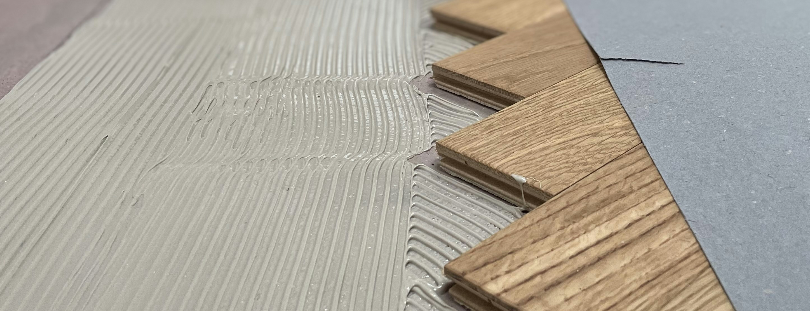
- Build a starter cluster (often 4 to 10 planks) on a flat surface, checking that the “V” points are tight and true.
- Place and square the cluster on your lines, then expand the field by adding planks in a consistent direction, keeping the pattern locked and supported.
- Work in controlled rows rather than jumping around the room. Consistency reduces the “twist” load on short-end joints.
Think of the lock like a zipper. If the teeth are aligned, it closes with light pressure. If it’s skewed, forcing it breaks the teeth.
How tongues actually get broken (and how to stop it)
Broken tongues usually come from one of three things: misalignment, contamination, or flex.
A few habits prevent most damage:
- Keep joints clean. Small debris in the groove can stop full engagement. The plank feels “almost closed,” then the installer taps harder and the tongue fractures.
- Respect the angle. Over-angling can stress the tongue. Under-angling can shave it. Aim for the angle the lock is designed for, then lower smoothly.
- Don’t beat on click-lock. Use the right tapping block when allowed, and keep strikes light and square. If it needs heavy force, something’s wrong.
- Support the joint when closing. In herringbone, a free-floating plank end can bounce. Support nearby planks so the lock closes instead of flexing.
- Fix the subfloor, don’t “click through it”. If the joint is bridging a dip, the lock is doing structural work it wasn’t meant to do.
Quick diagnosis table for tongue failures
| What you see | Most common cause | What to check | Practical fix |
|---|---|---|---|
| Tongue snaps on short end during install | Plank not fully aligned | Pattern drift, off-square starter | Re-square the spine, re-lay the last few units |
| Joint won’t close, then cracks when tapped | Debris in groove | Dust, underlayment fibers | Vacuum joints, wipe edges, re-click |
| Ends separate after install | Flex from uneven subfloor | Flatness, soft spots | Patch and level, replace damaged planks |
| “Crunchy” click feel | Lock damage or poor fit | Manufacturing variation, mishandling | Sort planks, don’t use damaged pieces in the field |
January 2026 flooring news: what installers and product teams should watch
Herringbone demand ties directly to flooring trends and what’s being shown to dealers. In recent flooring industry news, there’s been continued talk of stronger visuals and better performance across categories, including ongoing improvements in wood visuals and durability features. At the same time, laminate has been forecast by industry sources as poised to gain momentum, and tile has been described as headed for mild growth, both of which can influence what retailers push on the selling floor.
If your team follows newest flooring trends and products, keep an eye on education and events too. January brings training opportunities for installers through the National Tile Contractors Association, and the winter calendar is packed with annual flooring shows and previews. That matters even if you live in LVP, because these events shape what buyers ask for next, including newest flooring products that promote tougher locking systems, cleaner bevels, and easier install workflows.
Another headline worth tracking: Shaw Industries has announced a new testing method aimed at detecting PFAS in manufacturing materials, after finding older protocols did not fit many non-drinking-water inputs. For many teams, that’s more than flooring news, it’s a sign that material scrutiny and documentation expectations are rising.
Conclusion
Herringbone looks effortless only when the prep and process are disciplined. Choose planks that are truly approved for the pattern, build a square spine, and treat the click profile like a precision edge, not something you can force into place. When your crew prevents broken tongues, they also prevent call-backs, margin loss, and tense conversations with retail partners. The next time a client asks for herringbone, the better question is simple: are you set up to install it calmly, or are you about to wrestle it?