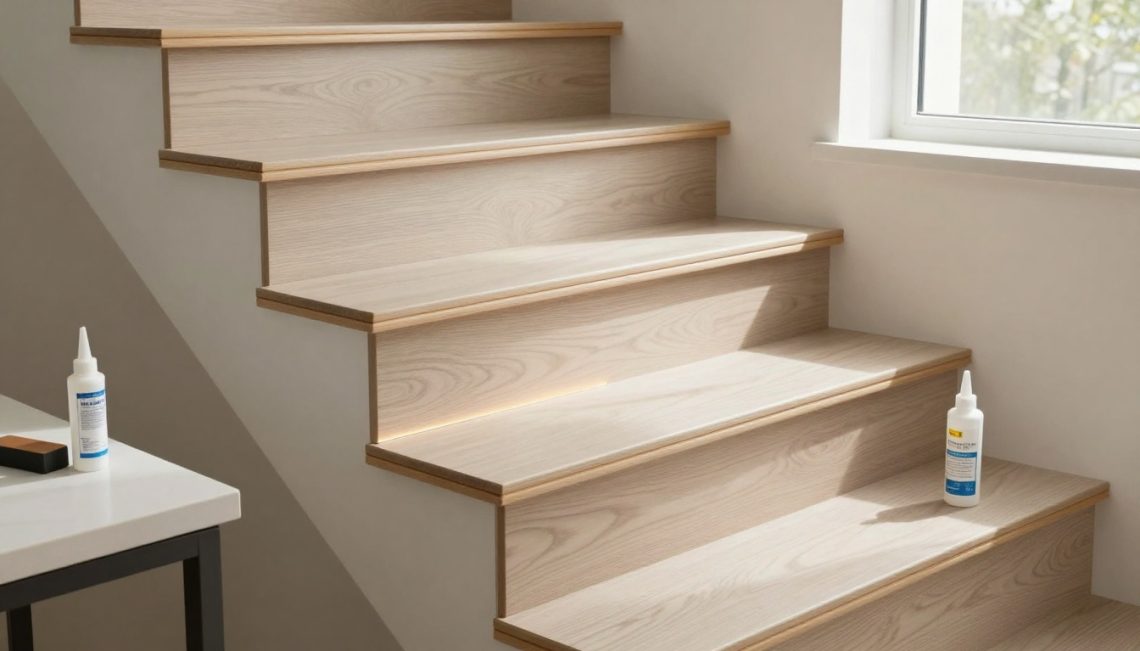
If you’ve ever finished a staircase and heard that first little “tick” underfoot, you know the feeling. Stairs are loud when something’s loose, and click lock LVP stairs can be the worst place to learn that lesson.
Click-lock vinyl was designed to float across big, flat floors. Stairs are the opposite. Short runs, heavy point loads, and a nosing that takes constant abuse. If the install plan treats stairs like a tiny room, the planks can creep, seams can open, and nosings can pop.
This guide covers what stops shifting in the real world: which nosing profile fits the job, which adhesive approach holds best, and a step-by-step order that keeps every tread tight.
Why click-lock LVP shifts on stairs (and how to stop the “creep”)
On a floor, click-lock works because the whole surface shares the load. On stairs, a single foot lands near the nosing, over and over. That impact tries to slide the tread forward like a book being pushed off a shelf.
A few common causes show up on callbacks:
- You relied on the click joint alone. Stairs need mechanical restraint, usually adhesive (and sometimes temporary pins).
- The tread surface isn’t flat. Hollow spots and crowned treads let the LVP flex, then the lock works loose.
- Squeaks and movement were left in the framing. If the wood stair moves, the vinyl follows.
- Underlayment got left in place. Floating layers under a stair tread feel soft at first, then they pump movement into the joints.
Before any plank goes down, treat the staircase like a subfloor repair job. Tighten treads and risers, eliminate squeaks, and patch dips. Stairs don’t forgive “good enough,” because every step repeats the same stress thousands of times.
A simple rule that prevents most shifting: don’t ask click-lock to do the job of glue on stairs. Use the lock to align, then use the right adhesive strategy to keep it there.
Stair nosing types for LVP (and what each one hides)
Nosing choice is half performance and half appearance. It also decides how much forgiveness you get for small measurement errors.
Overlap (cap) nosing
Overlap nosing covers the tread edge and drops over the riser face. It’s forgiving, fast, and hides minor gaps at the front edge. It also creates a visible lip, so it can look less “built-in” on modern jobs.
Flush (square) stair-nose profile
Flush nosing is cleaner looking because it meets the tread surface with a tight line. It demands better cuts and better substrate work, because there’s less profile to hide anything. When installed right, it’s the most “hardwood-like” look.
Bullnose (rounded) profile
Bullnose softens the front edge visually and can be friendlier on shins and moving carts. It can also telegraph unevenness if the tread isn’t flat, because the curve draws the eye.
A practical way to choose:
- Rental turns or value-driven installs: overlap is efficient and forgiving.
- High-end remodels: flush noses look sharp, but only if the prep is sharp.
- Family homes with heavy traffic: bullnose can wear well when properly bonded.
Whatever profile you pick, confirm stair geometry and safety requirements with local code and job specs. A great-looking nose that changes the walking edge too much can cause a failed inspection or a customer complaint.
Glue choices that stop movement (beads vs full-spread)
There’s no single “best glue” for every stair, but there is a best rule: use manufacturer-approved adhesive for the LVP and for the stair accessory parts. Stairs are where warranty arguments start.
Here’s how most installers think about adhesive choices on click lock LVP stairs:
Urethane or hybrid adhesives: Often used for strong bond and a little flexibility. They tend to grab well on wood and can help resist the constant impact at the nosing.
Two-part epoxy (common for nosings in some systems): High strength, but less forgiving. It’s a “get it right the first time” product, so dry fit matters.
Construction adhesive: It’s tempting because it’s on every truck. The problem is inconsistency, cure behavior, and bond reliability with vinyl and coated accessories. Many pros avoid it on finished stair work unless the product system explicitly allows it.
Pattern matters too:
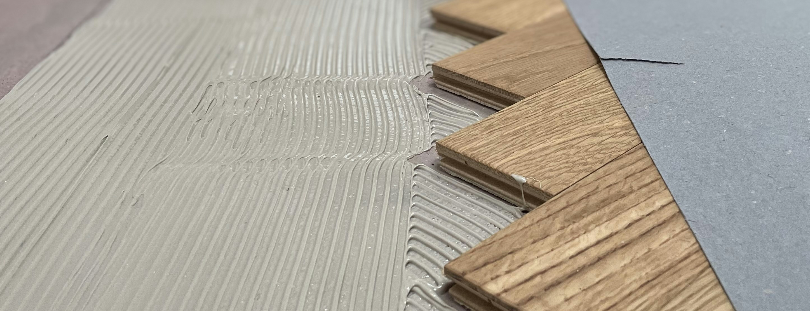
- Full-spread with the correct trowel reduces hollow spots and flex. Less flex means less joint stress.
- Beads can work on certain parts, but beads leave voids, and voids invite movement.
Also, don’t be afraid of temporary holding methods if allowed. A few 18-gauge brads or pins can keep a nosing tight while adhesive cures, then they disappear with proper fill. Always check accessory guidance before nailing, because some profiles can crack if fastened wrong.
The step-by-step order that keeps risers tight and nosings locked in
This is the order that prevents gaps from stacking up and keeps the nose from acting like a pry bar.
- Control the site conditions: Follow the LVP acclimation and temperature range from the manufacturer. Stairs see the same expansion and contraction as floors.
- Remove carpet, pad, tack strip, and staples: Anything soft or uneven under LVP becomes movement later.
- Fix squeaks and deflection: Screw down loose treads, tighten risers, and address bounce.
- Flatten and clean: Patch low spots, sand high spots, vacuum dust, and remove paint drips.
- Plan your reveals: Decide where you want consistent lines (riser to tread, tread to nosing). Mark reference lines so every step matches.
- Dry fit every piece for that step: Check stringer gaps and side cuts before adhesive is open.
- Install the riser first: Bond it, press it flat, and keep it aligned. A crooked riser makes every tread look off.
- Install the tread second: Use the adhesive method your system needs (often full-spread), then set the tread and roll or press to seat it.
- Install the nosing last: Bond the nose, then hold it with painter’s tape, clamping blocks, or approved temporary fasteners until cure.
- Repeat one step at a time: Consistency beats speed on stairs.
Small details that prevent shifting later
Leave a small, consistent expansion gap at the side stringers if the system calls for it. Many crews also do a subtle relief or back-cut where the nosing meets the plank edge, so the pieces can sit fully without a hidden “high point” forcing the nose up.
The big takeaway is simple: don’t rely on click-lock alone on stairs. Use the locking joint for alignment, and use proper bonding to stop creep.
January 2026 notes: what installers and retailers are watching
Stair work is tied to remodel demand, and recent housing data suggests homeowners are still improving the homes they already have. Existing-home sales edged up in November to 4.13 million, but many owners remain hesitant to move because they’re holding low mortgage rates. That keeps stair upgrades, LVP replacements, and safety-driven renovations in the mix.
On the professional side, January is packed with training and events. Installer education is a strong theme in current flooring industry news, including free January workshops and regional sessions announced by national tile and contractor groups. At the same time, major flooring shows in early Q1 keep pushing style shifts, from longer plank visuals to refreshed color lines, as brands highlight the newest flooring products for the year.
Manufacturing is changing too. Recent flooring news includes improved material screening methods for chemicals such as PFAS, a sign that flooring factories are putting more focus on testing and transparency. For retailers, that blends into 2026 flooring trends that customers can feel and ask about, performance, safety, and cleaner specs.
Conclusion
Click-lock LVP can look great on stairs, but only when the install treats stairs like their own system. Pick the nosing profile that fits the job, bond the tread like it has to survive thousands of impacts, and follow a riser-first, tread-second, nosing-last order that keeps everything tight.
If your team is tracking flooring trends and wants fewer stair callbacks this year, standardize your prep and adhesive approach, then train it the same way every time. The staircase should feel like one solid piece, because that’s what the customer expects when they take the first step.