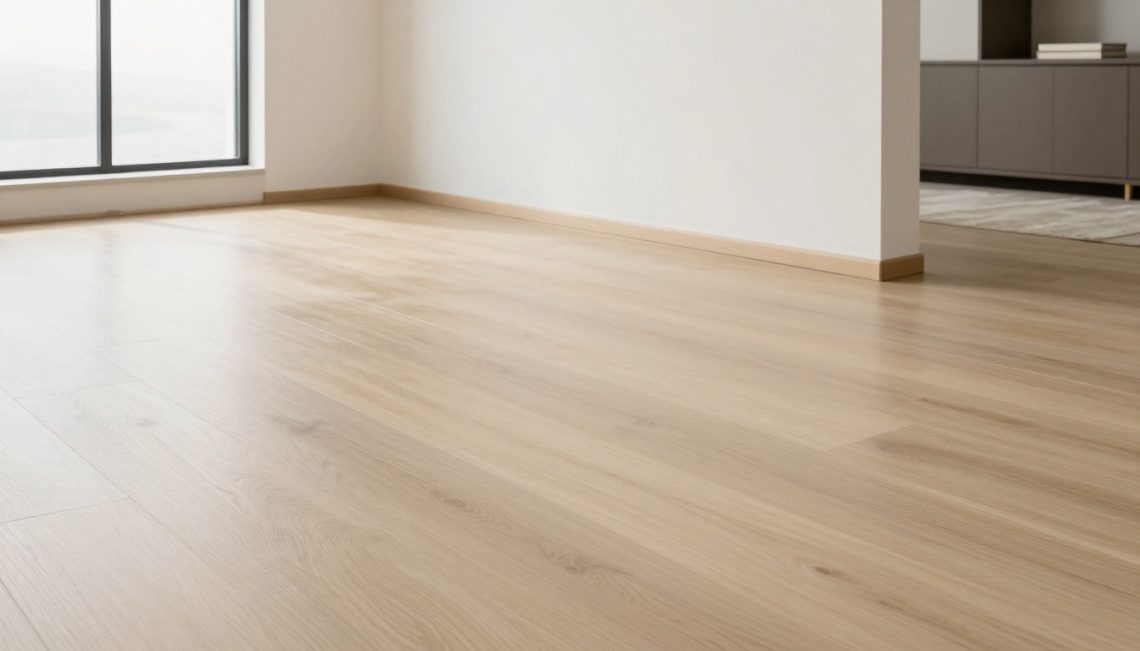
When LVP buckling shows up in a single room, it feels personal. One minute the floor is flat and quiet, the next it’s tenting like a little ridge you can feel under your sock.
The good news is that a one-room problem is usually easier to trace than buckling across the whole house. Local buckling often points to a local trigger: something pinning the floor, moisture in one area, or a heat swing in that room only.
This guide breaks down the 9 most common causes of LVP buckling in one room, plus the quickest checks to confirm them.
Start with these 5-minute checks (before you pull anything up)
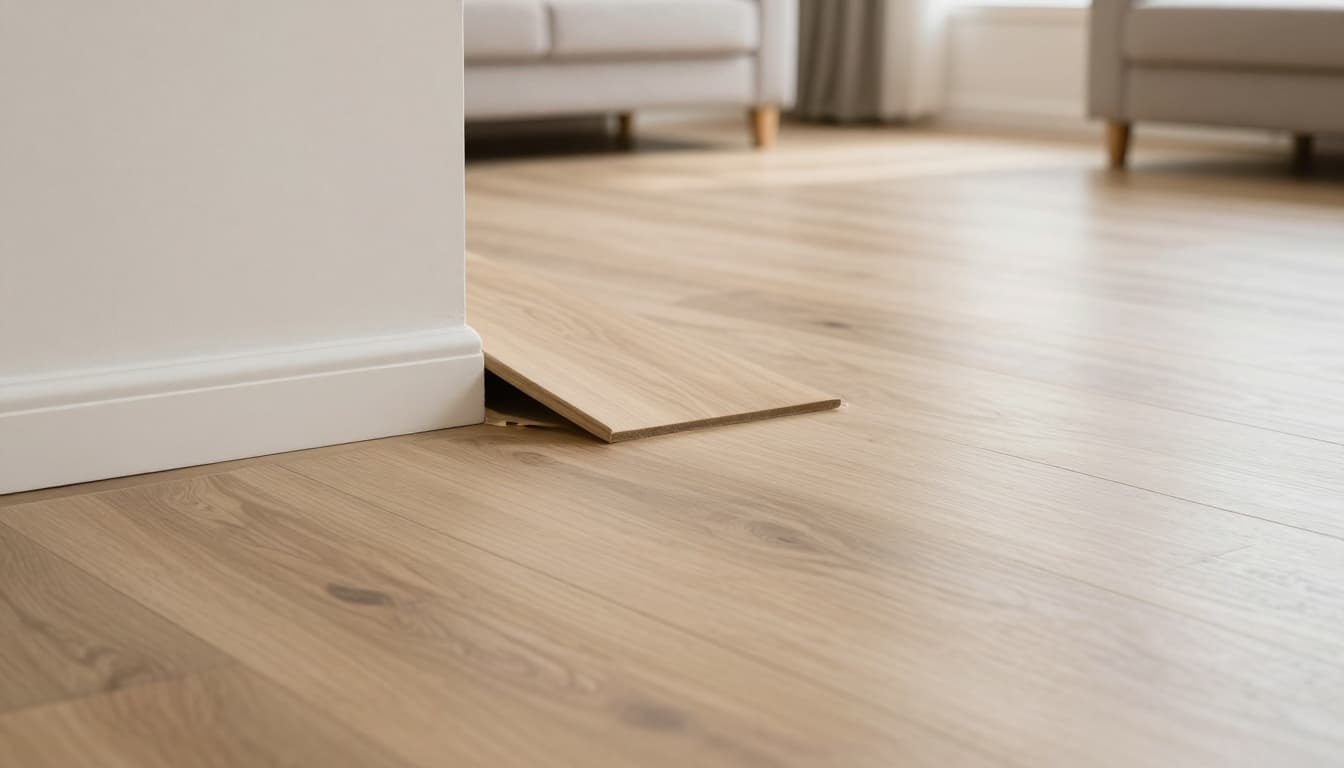
Think of a floating LVP floor like a fitted sheet. It stays smooth until something holds one edge, then the tension pops up somewhere else. Start by figuring out what’s “holding the sheet.”
Quick check 1: Find the high point and follow it. Step around the peak and look for the direction it seems to push toward. The restraint is often within a few feet, commonly a wall, doorway, or a heavy built-in.
Quick check 2: Look at the room edges. Remove one floor vent or a shoe molding section if possible and see if planks are tight to the wall. If there’s no visible expansion space, that’s a prime suspect.
Quick check 3: Check transitions and thresholds. Doorways are common failure points. If a metal track, reducer, or T-mold is screwed down through the plank, the “floating” floor is no longer floating.
Quick check 4: Scan for heat and sun. Is the buckling near a sliding door, south-facing window, fireplace, or heat register? A single hot zone can make one room expand more than the rest.
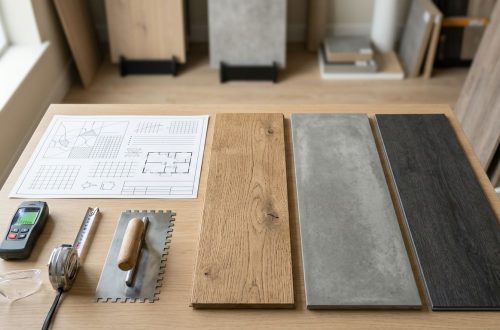
Quick check 5: Rule out moisture fast. If the room is near a bathroom, laundry, exterior door, or slab edge, use a moisture meter if you have one, and sniff for that damp, closed-up smell.
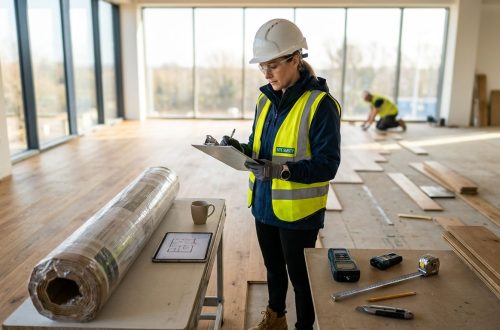
If you’re documenting for a claim, take a few photos and jot down indoor temperature and relative humidity. Retailers see this often, and manufacturers usually ask for basic site conditions.
Cause group 1: Expansion restraint (the floor can’t move)
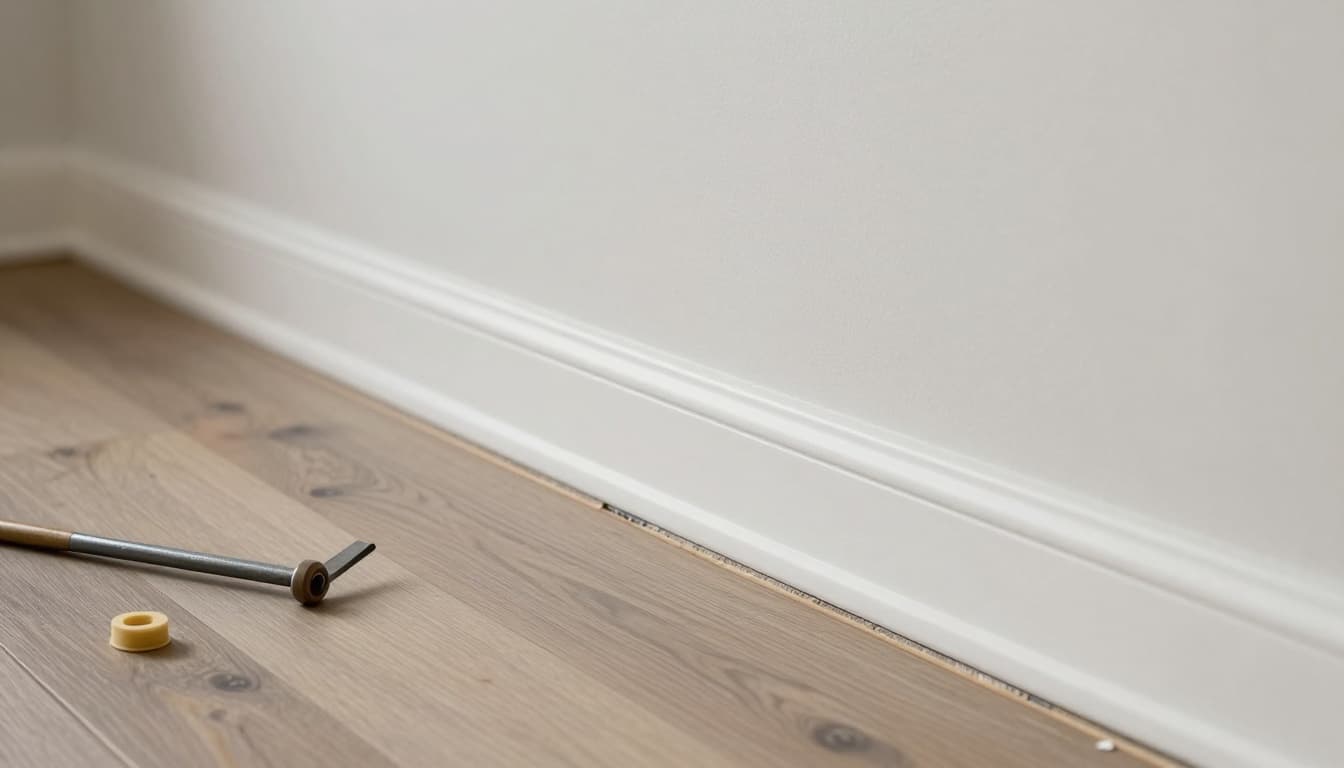
Most one-room buckles trace back to the same story: the floor expanded a bit, hit something solid, then lifted.
1) No expansion gap at the perimeter
Fast check: Look where the buckling points toward a wall. If planks are tight to drywall, base, or door jambs, you’ve found a common cause. LVP needs space to move, even in small rooms.
2) Door jambs and trim pinching the planks
Fast check: At the doorway, look for planks tucked under casing so tight you can’t slide a thin card in. Undercuts that are too low, or caulk/paint gluing the edge, can lock the floor.
3) Transition strip or metal track “nailing down” a floating floor
Fast check: Inspect the reducer or T-mold. If fasteners go through the LVP, or the track clamps the planks, the floor can’t expand freely. Buckling often starts within a plank or two of that choke point.
4) Heavy fixtures or built-ins installed on top of the LVP
Kitchen islands, cabinets, or even a very heavy safe can anchor a floating system.
Fast check: Is the peak line marching away from a heavy object? If the floor runs under a built-in in that room (but not elsewhere), it explains why only one room is affected.
For retailers and installers, these are also the fastest “teach-back” moments with homeowners. They connect directly to installation basics and are common topics at training events. In January 2026, industry calendars include hands-on installer education sessions (tile-focused training was widely publicized), and that same skills-first mindset applies to floating floors too.
Cause group 2: Moisture and temperature swings that hit one room harder
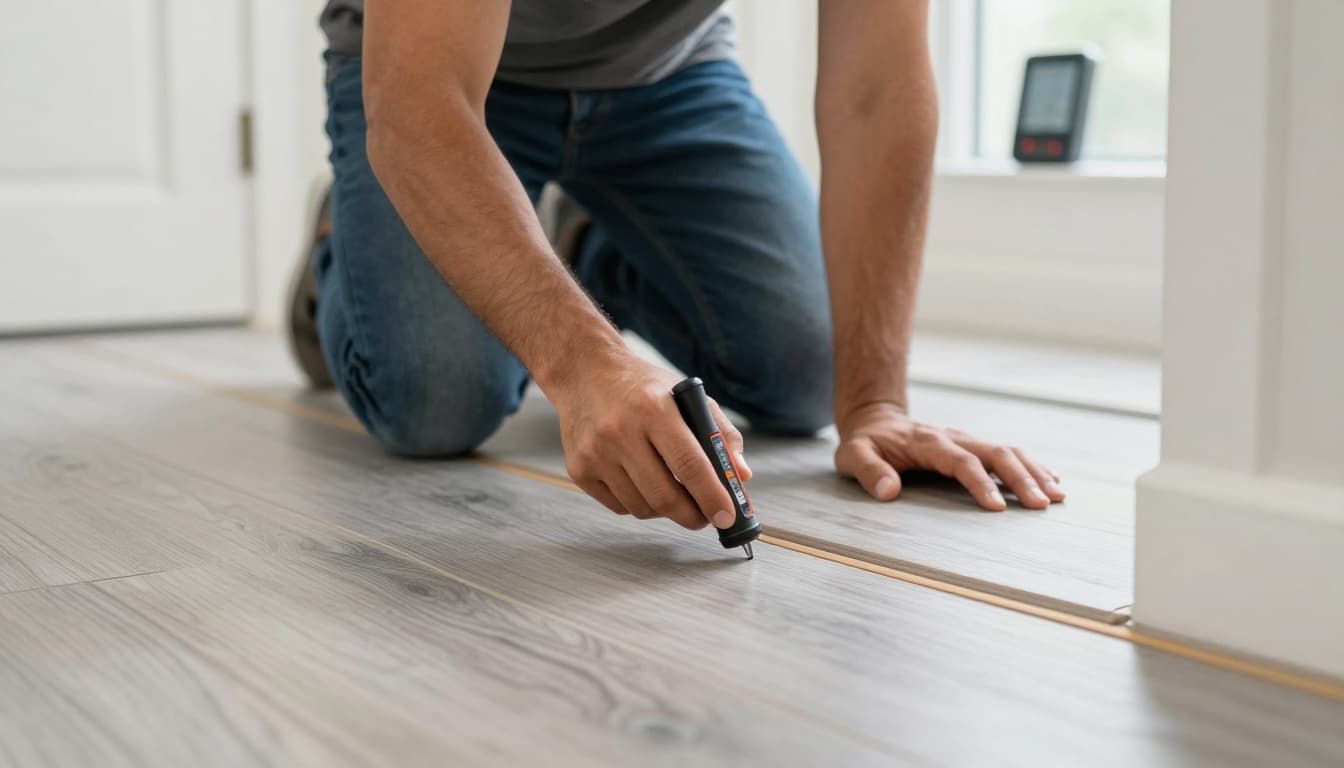
A whole-house moisture problem usually shows up everywhere. A one-room problem often points to a single source: a doorway, appliance, slab edge, or a room that runs hotter or wetter.
5) Moisture coming from below (slab, crawlspace, or a local leak)
Fast check: Test a few spots: right at the buckle, then 6 to 10 feet away. If readings jump near the buckle, you may have a localized moisture issue. Also check nearby walls and base for discoloration.
6) A “wet room” routine (bath, laundry, entry) that overwhelms seams
Even waterproof labeled products can have issues if water is regularly trapped at edges or under rugs.
Fast check: Look for a pattern: buckling near tub, washer, pet bowl area, or an exterior door where wet boots sit.
7) Temperature spikes from sun, fireplaces, or HVAC registers
Sunlight through glass can heat a small zone fast, especially darker visuals.
Fast check: Does buckling appear after sunny afternoons and relax later? Also look for a peak near a register that blows hot air across the surface.
This is where current flooring industry news matters. Safety and material testing are getting more attention across categories, including new methods suppliers are developing to detect certain chemicals in inputs. That kind of process focus, often reported in flooring news, reminds everyone that site conditions still decide most field outcomes, even when the newest flooring products add better cores and coatings. Flooring is getting tougher, but physics still wins.
Cause group 3: Subfloor and product issues that show up locally
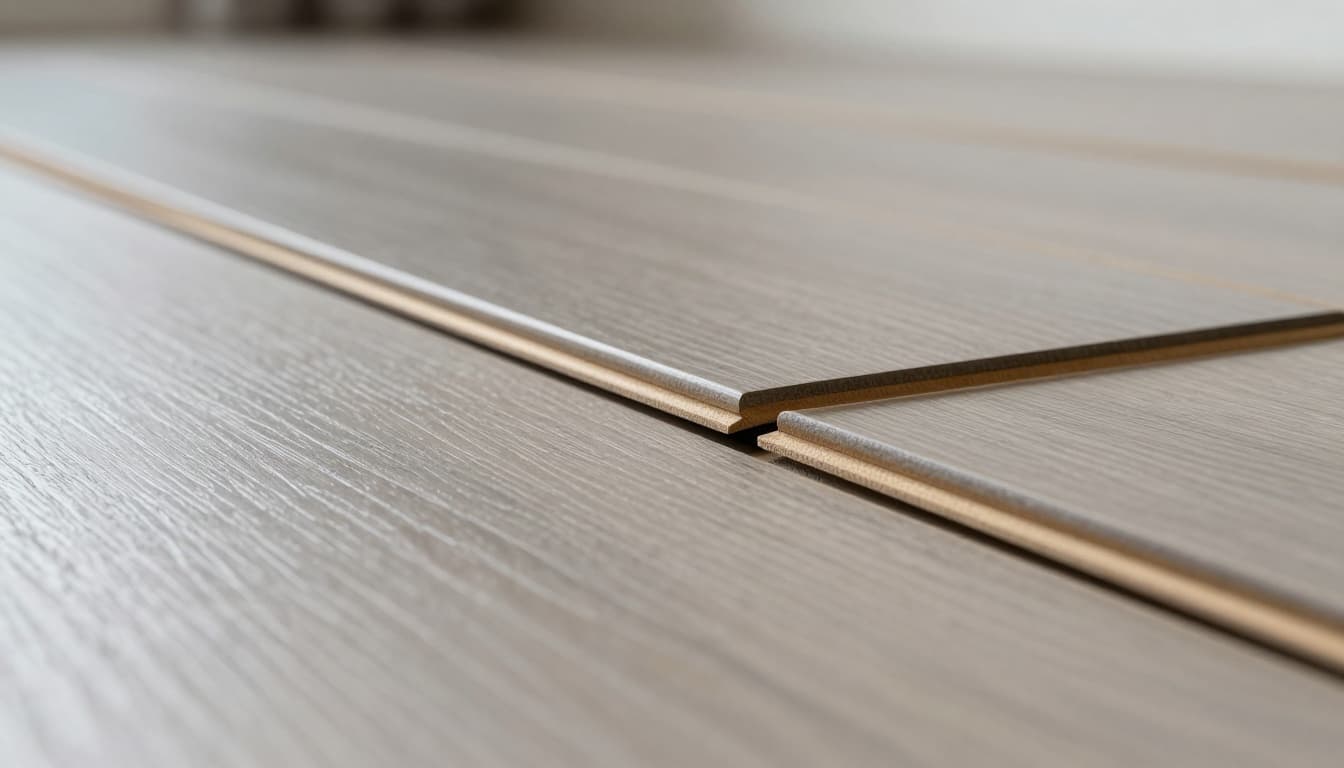
Sometimes the room is the clue. The living room is fine, but the back bedroom buckles. That often means the subfloor or install details change at that room.
8) Subfloor flatness problems, high spots, or a patch that failed
A floating floor bridges minor dips, but a sharp crown or ridge can create stress that releases as tenting.
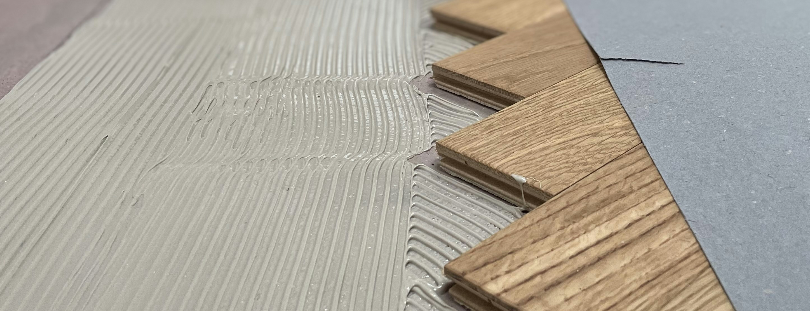
Fast check: Use a straightedge (or a long level) across the buckle area and perpendicular to it. If you can rock the tool or see daylight, the subfloor may be pushing the lock system.
9) Locking system damage, mixed runs, or a weak batch in a single room
If one room was installed from a different carton run, stored differently, or clicked together with damaged tongues, that room can fail first. This can happen when material comes from different flooring factories or production runs and gets separated on site.
Fast check: Look closely at the peaked seams. If you see chipped edges, gaps that were “forced” closed, or broken click lips, the floor may be releasing at the joint under normal expansion.
Retail teams hear plenty about flooring trends and flooring shows, and those events are still useful because photos can’t fully show texture, edge detail, and locking profiles. Product storytelling matters, but field performance still comes down to prep, movement room, and moisture control.
Conclusion: Treat one-room LVP buckling like a local clue
Single-room LVP buckling is usually a localized restraint, moisture source, or heat swing, not a mystery. Start at the peak, check edges and transitions, then confirm moisture and subfloor shape before you pull rows.
If you’re advising a customer or writing up a service call, capture photos, room conditions, and the exact location. That small set of facts often leads to the fix faster than guesswork, and it keeps the conversation grounded in flooring trends plus real jobsite reality.