 SW-04 · Troubleshooting & Repairs
A swollen laminate edge is rarely a surface-only problem. Once moisture reaches the fiberboard core, the board can expand like a sponge and permanently distort the locking profile.
For flooring stores, installers, and manufacturers, the repair decision starts with diagnosis. A small chip may accept a careful cosmetic repair, while edge swelling often calls for board replacement and a search for the moisture source.
The condition of the damaged board tells only part of the story. The surrounding joints, substrate, room humidity, and cleaning practices reveal whether the repair will last.
Key Takeaways
- Swollen laminate edges usually cannot be flattened permanently. Replace boards when the core has expanded or the click profile has weakened.
- Find and correct the moisture source before installing replacement planks. Leaks, wet mopping, slab moisture, and failed transitions can all cause damage.
- Small chips can often be concealed with color-matched wax, putty, or laminate repair compound.
- Avoid sanding swollen edges or flooding open seams with glue. Both methods can make the damage worse.
- Keep replacement boards from the same product line, thickness, and visual batch whenever possible.
Start With the Cause, Not the Damage
Laminate repair begins with a close inspection. A raised edge beside a dishwasher, exterior door, or pet-water station points toward a localized water event. Widespread peaking along several rows may indicate inadequate expansion space, high indoor humidity, or moisture coming up through the subfloor.
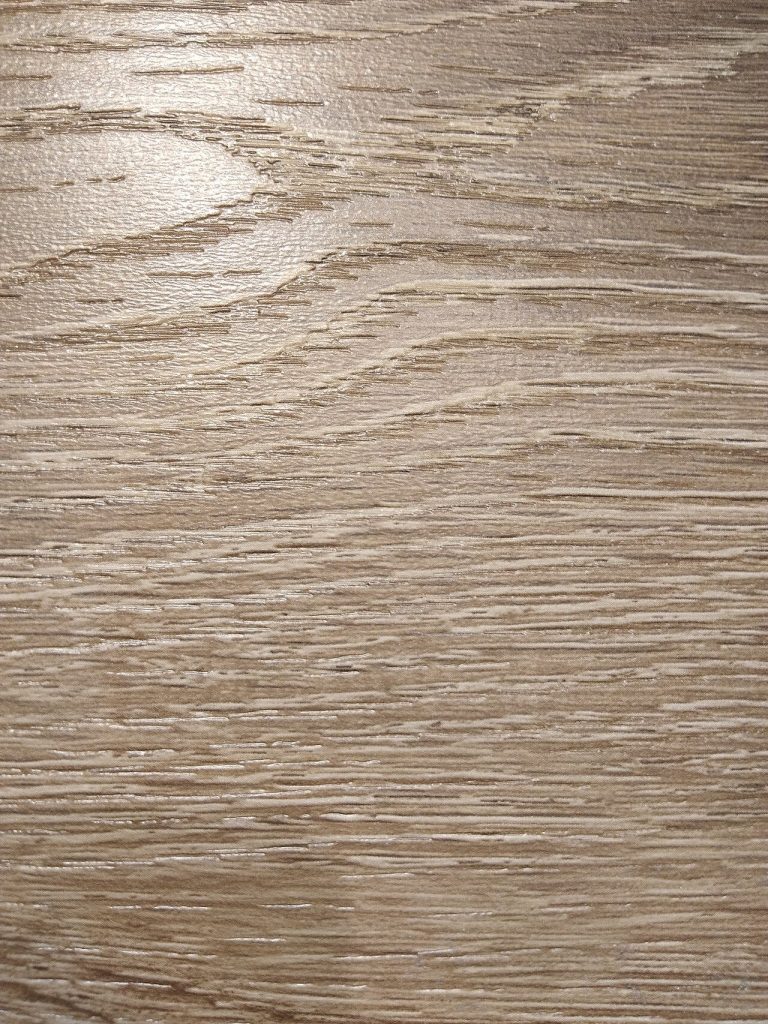

Check whether the decorative layer remains intact. If the edge is merely lifted but the board is still flat and firm, debris in the joint or seasonal movement may be part of the problem. However, a soft, rounded, crumbly edge confirms core swelling.
Use a moisture meter carefully. Pinless meters can compare readings across the damaged and undamaged areas, but laminate surface readings are not a final moisture test. Instead, use those readings to guide the investigation. Test the substrate according to the flooring manufacturer’s requirements if moisture is suspected below the floor.
Look for these clues before authorizing a repair:
- Darkened seams, white haze, or staining near a wall often indicate water exposure.
- A continuous ridge across a room may mean the floor has no room to expand.
- Damage at a transition can come from a loose reducer, failed sealant, or a wet entry mat.
- Swelling near a sink, refrigerator, or toilet calls for a plumbing inspection before any new boards go in.
A replacement plank will fail again if moisture remains trapped below it or continues entering through the same opening.
Document the location, board pattern, and visible condition before removal. Photos, moisture readings, lot information, and installation records help stores and contractors separate a product issue from a site-condition issue.
Repairing Swollen Laminate Edges
A swollen laminate edge cannot regain its original dimensions after drying. Heat guns, heavy weights, and sanding may make the area look less obvious for a short time, but they don’t restore the dense core or the click-lock connection.
First, stop the water source and dry the area. Remove wet rugs, improve airflow, and correct leaks. If water reached the underlayment or substrate, pull affected boards as needed to inspect below. Leaving moisture under a floating floor invites odor, mold growth on organic debris, and further board movement.
When a Board Must Be Replaced
Replace the plank when it has any of these conditions:
- The edge feels soft or flakes apart when pressed.
- The locking lip has fractured or no longer holds the adjoining board.
- The seam stays raised after the area is dry.
- The laminate face has split, bubbled, or separated from the core.
- The damaged area sits in a high-traffic path where a raised seam can catch shoes or cleaning equipment.
The most durable repair is often to remove planks from the nearest wall, replace the damaged boards, and reinstall the row. This preserves the factory click system. Remove baseboard or shoe molding carefully, then release planks in reverse installation order.
A mid-floor cutout can work in limited situations, but it carries more risk with laminate than with vinyl. The removal method differs from replacing a single damaged LVP plank, where a modified replacement can bond into place. Laminate locking edges are less forgiving, and trimming them often weakens the joint.
If a cut-in repair is approved, use a matching plank and follow the manufacturer’s method. Never present an altered lock profile as equal to a full click connection. Record the repair method for warranty and closeout files.
Protect the New Edges
Before reinstalling, vacuum the joints and inspect the underlayment. Replace wet or compressed material. Confirm that the perimeter expansion gap meets the product instructions, especially at door jambs, pipes, kitchen islands, and heavy built-ins.
Do not use ordinary wood glue in click joints unless the laminate manufacturer calls for it. Glue can prevent normal movement and may complicate future service. At wet-prone locations, use the approved joint sealant or perimeter treatment, if the product system permits one.
Fixing Chips Without Replacing the Plank
A chip differs from swelling because the core may still be sound. Dropped tools, moving furniture, abrasive grit, and impact at exposed corners can break the decorative surface. A small repair can keep a chip from collecting dirt and turning into a larger defect.
Clean the damaged spot with a manufacturer-approved laminate cleaner and let it dry completely. Remove loose fragments with a plastic scraper or sharp utility blade. Avoid enlarging the opening while cleaning the edges.
For small chips, a laminate repair kit with hard wax sticks or colored repair putty usually gives the best result. Choose two or three close shades rather than one exact-looking color. Most decors contain light and dark grain variation, so layered color looks more natural.
A Practical Chip Repair Method
- Test repair colors on a scrap board or an inconspicuous area.
- Fill the deepest part of the chip first, keeping material below the face level.
- Add lighter and darker tones to follow the plank’s grain pattern.
- Level the patch with the kit’s scraper before the material fully hardens.
- Clean surrounding residue with a soft cloth, not an abrasive pad.
A clear laminate touch-up coating may help protect a shallow scratch, but it won’t rebuild a missing edge. Likewise, wood filler can crack because laminate flexes slightly under foot traffic. Use a repair product designed for laminate and follow its curing instructions.
Replace the plank when a chip reaches the click edge, exposes a large area of core, or occurs in a commercial aisle with rolling loads. Cosmetic filler can hide damage, yet it cannot rebuild a failed locking system.
Preventing Repeat Swelling in Stores and Installed Floors
Repair work should end with a prevention plan. In retail displays, protect exposed sample-floor edges from wet entry traffic and cleaning machines. On installed projects, give owners clear instructions about spill response, cleaning, and indoor conditions.
Laminate handles everyday spills when crews remove them promptly. It does not tolerate standing water at seams. A damp microfiber mop is safer than a saturated string mop. Steam cleaners and wet extraction machines can force moisture into joints and void warranties.
For new installs, verify flatness and moisture requirements before underlayment goes down. Floating laminate follows the substrate, so a high spot can stress joints while a low area can allow deflection. Also leave required clearance at walls and fixed objects. A floor pinched under cabinets or tight against a steel door frame has nowhere to move.
Save unopened cartons from every project. A few extra planks make later laminate repair faster and improve the odds of matching the original visual. Record product name, color, thickness, batch number, purchase date, and installation direction in the closeout package.
What 2026 Flooring News Means for Repair Teams
Recent flooring industry news has carried a more positive outlook for laminate in 2026, even as housing activity and interest rates remain uneven. Manufacturers continue to improve visual realism, embossed textures, water-resistance claims, and locking systems.
That product progress makes repair knowledge more important. The newest flooring trends and products often use deeper texture and more varied grain, which can make a poor patch more visible. Flooring stores should keep current repair kits, sample boards, and technical data sheets alongside each laminate collection.
Annual flooring shows remain useful because product photos cannot reveal edge profiles, texture depth, or joint behavior. Installers and sales teams can handle the newest flooring products, compare locking systems, and ask direct questions about approved repair methods.
Ask suppliers for written answers about water exposure, joint sealants, replacement procedures, and acceptable humidity ranges. Flooring manufacturing factories may use different core densities, overlays, and edge treatments within similar-looking collections. Product-specific instructions matter more than broad claims on a display tag.
Monitor flooring news for product updates, warranty changes, and technical training. Flooring trends can shape what customers request, but field performance still depends on dry conditions, correct preparation, and disciplined maintenance.
Conclusion
The strongest laminate repair starts with a clear distinction between cosmetic damage and structural failure. Chips often accept a careful color repair, while swollen edges usually need replacement after the moisture source is corrected.
A dry substrate, intact click joints, and documented product information protect the replacement work. Treat every swollen edge as evidence to investigate, not merely a blemish to cover.