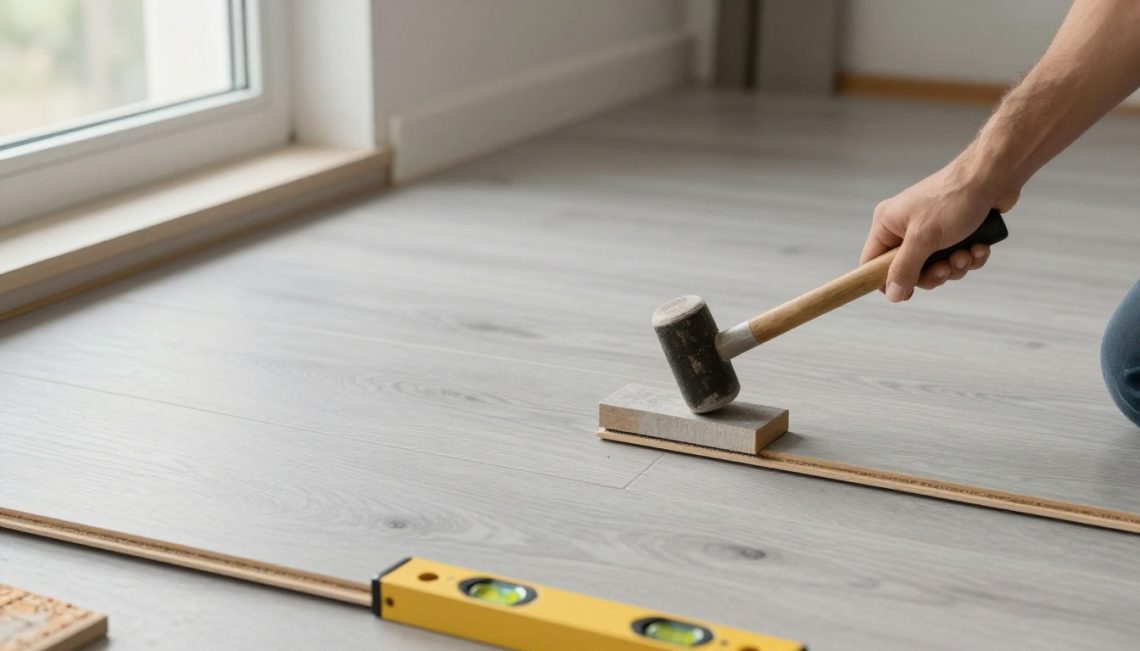
Installing LVP over OSB can look perfect on day one, then slowly start “printing” every panel joint and fastener line like a bruise under thin skin. It’s frustrating because click-lock LVP is sold as forgiving, but OSB has its own personality: texture, edge swelling risk, and seams that love to show up right where your lights hit.
If you want a quiet floor with clean lines, the goal isn’t to “hide” OSB. It’s to make OSB act like a stable, flat underlayment. That means controlling flatness, moisture, and movement before the first plank clicks in.
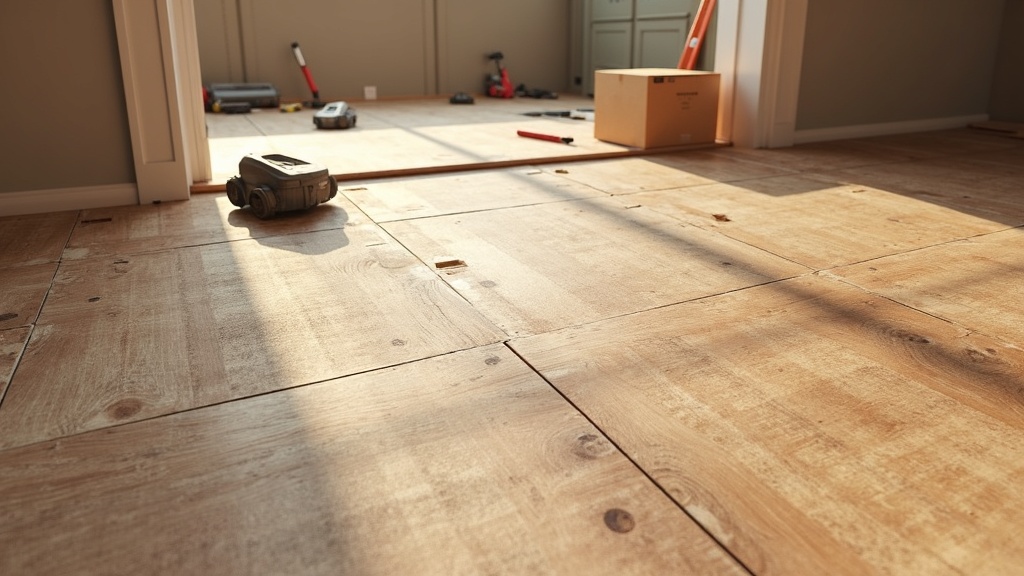
Start with the right expectations for click-lock LVP over OSB
OSB is strong and common, but it’s not naturally “finish-ready” under floating vinyl. It has a visible flake pattern, raised strands, and panel edges that can change thickness when exposed to moisture. Those small height changes don’t stay small once a floating floor bridges over them. The result is seam telegraphing, a ridge you can feel underfoot, or a line you see across the room.
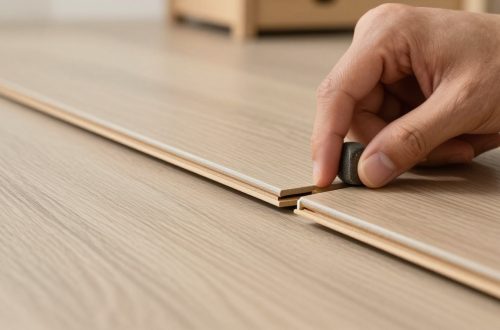
Click-lock LVP also doesn’t like localized flex. If the subfloor dips at a seam, the plank joints take the stress. Over time that can create gaps, broken locks, or a hollow “clack” when you walk by.
Before you touch a leveling compound or underlayment, align on two basics:
Follow the flatness and moisture rules that actually matter
Every manufacturer sets limits for flatness and acceptable subfloor moisture. Those numbers vary by product line and core type, so use the instructions for the exact floor you’re installing. If you need a plain-language refresher on common LVT and plank installation methods, Shaw’s installation overview is a solid baseline.
Know what “floating” really means
A floating floor moves as a sheet. If OSB panels move independently (from loose fasteners, bounce, or edge swell), that motion transfers straight into the click system. Think of it like a zipper on a jacket. If the fabric underneath bunches, the zipper teeth don’t stay aligned.
For teams selling and installing, this is also where flooring stores can reduce claims: set customer expectations early that subfloor prep is part of the job, not an add-on.
Stop seam telegraphing, flattening beats padding every time
If you remember one rule: underlayment doesn’t fix flatness. Softer pads can actually make telegraphing worse because the planks flex into low spots and rock over high seams.
Start by mapping the OSB.
Find the high seams, not just the low spots
Use a long straightedge and mark ridges at panel edges and fastener lines. Many floors “look” flat until you check them in raking light. Then those seams show up like speed bumps.
Here’s a quick diagnostic that helps crews move fast without guessing:
| Symptom under LVP | Likely OSB cause | Practical fix |
|---|---|---|
| Visible line at every panel joint | Edge ridge or minor swell | Sand ridge, then skim-coat to feather |
| “Shadow” pattern of OSB flakes | Surface texture telegraphing | Skim-coat the field, not just seams |
| Click joints feel stressed | High seam beside low seam | Grind/sand highs, patch lows, re-check flatness |
Skim-coat is often the cleanest solution
For many OSB installs, the best approach is a compatible patch or feather-finish skim coat across seams and textured areas, applied per the compound maker’s directions (some require priming OSB first). The goal is a smooth, continuous plane, not a “filled crack” that leaves a hump.
If you want a cautionary example of what happens when OSB texture and seams are ignored, this OSB floating LVP warning lays out the typical failure pattern in plain terms.
When an overlay makes more sense than patching
If the OSB is wavy, heavily swelled, or patched to death, adding a properly rated plywood underlayment layer can be more predictable than chasing imperfections. It costs more in labor and materials, but it creates a uniform substrate that reduces callbacks.
For a broader checklist on evaluating different subfloors for vinyl, including common prep mistakes, this subfloor guide is a helpful reference for sales teams and installers.
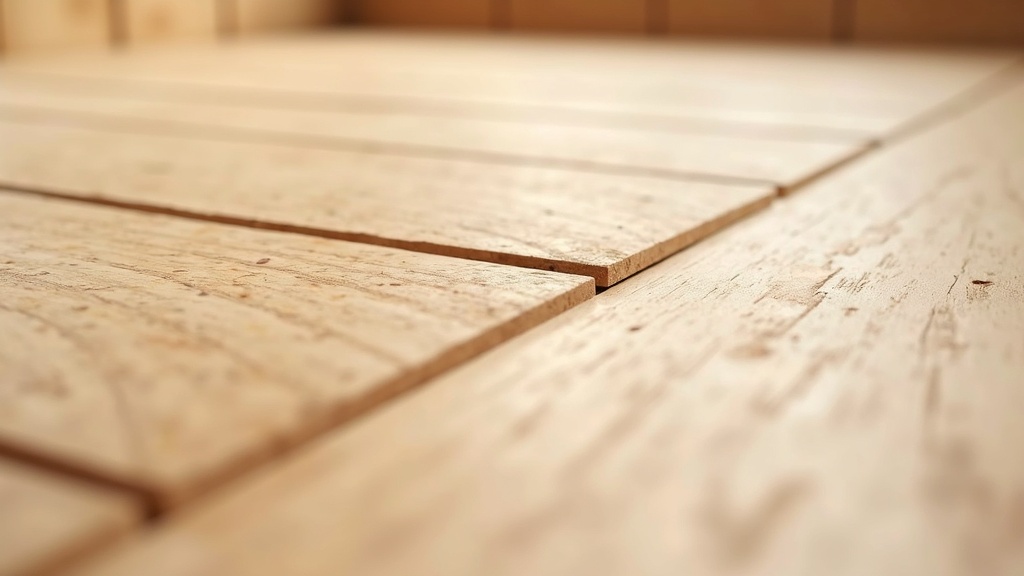
Fix fastener pops and OSB panel-edge swell before install day
Seam telegraphing gets the attention, but fastener pops are what make a floating floor feel cheap. That “tick” you hear is usually the OSB moving against a nail shank, or a nail head that wasn’t set and is now kissing the bottom of the plank.
Re-fastening beats re-nailing
If the subfloor squeaks or moves, re-fastening is step one. Many crews prefer screws because they clamp panels tight and resist backing out. The exact spacing and type depends on structure and local requirements, but the principle is consistent: stop panel movement first, then flatten.
After re-fastening, walk the floor again. If it still talks back, it’s not ready.
Panel-edge swell is a moisture story
OSB edge swell usually traces back to one of these:
A past leak (dishwasher, fridge line, exterior door)
A wet construction phase where OSB took on water before the building was closed in
High indoor humidity in an unconditioned space
Drying the home matters. Running HVAC for a period before install, keeping the space within the product’s required temperature and humidity range, and fixing the moisture source are not “nice to haves.” They’re what keeps the edges from growing again after you sand them down.
If an OSB edge is permanently swollen or crumbly, replacement is often the only long-term fix. Sanding can reduce a ridge, but it can’t restore lost density.
Underlayment: choose it for sound and minor texture, not for leveling
Many click-lock LVP products include an attached pad and limit what you can add underneath. When an additional underlayment is allowed, pick one that supports the locking system and the sound goals of the project. For a straightforward explanation of common underlayment installation details, this underlayment walkthrough is useful.
At the same time, keep an eye on flooring industry news and installation guidance updates. Late-2025 flooring news highlighted more focus on installer training and materials testing (including better screening for certain chemicals in inputs), and that emphasis is showing up in specs and warranties. That’s part of why many flooring manufacturing factories are tightening documentation around subfloor prep, adhesives, and underlayment compatibility.
From a market angle, the push for fewer claims also aligns with newest flooring trends and products: thicker rigid cores, improved locking profiles, and tools like in-home visualizers are designed to reduce buyer regret, but they still can’t float over a moving, swollen seam. If you track flooring trends through annual flooring shows, it’s also worth watching dealer events like the 2026 Alliance Flooring Convention for what manufacturers and retailers are prioritizing in real-world installs, not just color boards and displays. That’s where newest flooring products often get paired with the install systems meant to protect them.
Conclusion
A click-lock floor is only as good as the surface it rides on. If you want LVP over OSB to stay quiet and look flat, treat OSB like a substrate that needs conditioning: lock it down, dry it out, and flatten it until panel joints stop being a “feature.” Do that, and seam telegraphing, fastener pops, and edge swell stop being mysteries and start being preventable problems.
Keep reading
More in Uncategorized: Fix common subfloor issues before tile installs to avoid callbacks., Replacing a single damaged click-lock LVP plank without pulling up half the room, the tool list and the cut-out method that holds tight, How to Remove Scuff Marks From Rubber Flooring Safely.