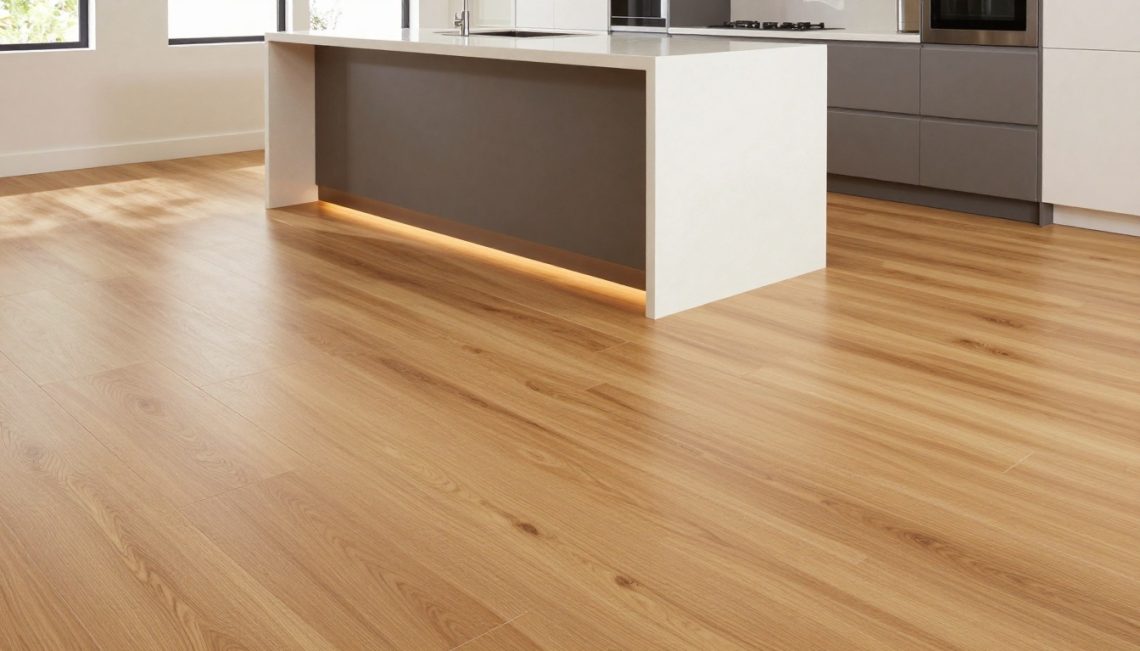
If click-lock LVP installs were as simple as “start in a corner and keep going,” kitchen islands wouldn’t cause so many callbacks. The island sits in the middle of the room, it’s heavy, and it’s usually wrapped with trim that wants to grab the floor like a vise.
When people ask about LVP around kitchen island details, they’re really asking three questions: Where does the floating floor need room to move, where can it run continuous, and what finish details won’t accidentally lock it in place?
This guide lays out the common field-proven options, what to avoid, and how to talk customers through the decision.
The main rule: your LVP must float, even around an island
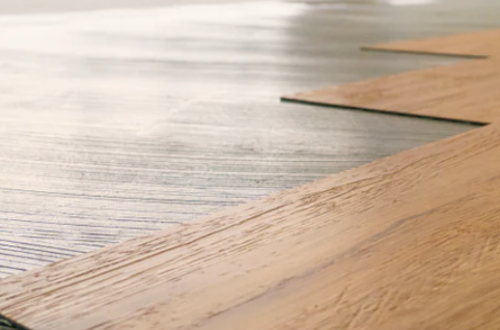
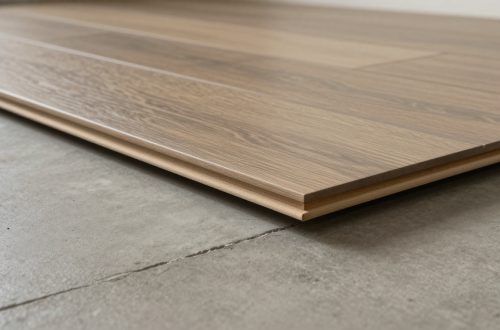
Click-lock LVP is designed to move as one “raft.” Temperature changes, sun exposure, and normal indoor humidity shifts make the floor expand and contract. If the floor can’t move freely, it looks for the weakest spot to release that stress, often the click joints.
A kitchen island is a classic pin point because it’s heavy, fixed in place, and often built tight to the floor. If the LVP is trapped on all four sides around an island, the floor can’t slide the way it was designed to. The result is familiar: peaked seams, gaps that open seasonally, or planks that unlock near the island corners.
Two details matter more than almost anything else:
- Expansion space all the way around the island (many products call for roughly 1/4 inch, always verify the specific brand’s instructions).
- No fasteners through the floating floor, and no trim that presses the floor down hard enough to stop movement.
Many installers prefer to set the kitchen, including the island, first, then run the floating floor around it with a clean perimeter detail. Some systems also allow the floor to slide under the island’s toe-kick area if the trim is relieved and there’s clearance at legs or panels. A helpful example is the Floorify demonstration of laying a floating vinyl floor around an island, which reinforces the basic idea: the floor must not be blocked by the island.
Option A: Float LVP under the island trim (clean look, but only if you create clearance)
This is the “seamless” approach: the floating LVP runs under (or slightly under) the island’s toe-kick or base trim, so you don’t see a shoe molding band around the island. It can look sharp in a showroom kitchen, but it only works when the island detail is treated like a doorway casing, meaning the trim is relieved so the floor can move.
A practical way to think about it: you’re not trying to wedge LVP under a fixed cabinet, you’re creating a tunnel the floor can slide through.
How to avoid pinning when you run under the toe-kick
- Relieve the toe-kick or island trim with an oscillating tool so the LVP can slip under it without lifting.
- Keep the required expansion gap hidden under the overhang of the trim, not eliminated.
- If the island has feet or a support frame, maintain clearance around contact points so the floor isn’t trapped at a few hard spots.
- Watch for island panels that sit tight to the subfloor at the ends, those corners are where buckling starts.
One more reminder that saves headaches: don’t “solve” tight spots with construction adhesive. A spot-glued plank in the island zone can turn a floating floor into a restrained floor. That restraint shows up somewhere else.
If the customer wants a cleaner island edge, this option is worth it, but only when the carpentry supports it.
Option B: Stop at the island, then finish the gap without locking the floor
Sometimes you can’t relieve the island trim. Maybe the island is stone-clad, maybe it’s already set, or maybe it’s built tight with no removable toe-kick. In those cases, the safer move is to stop the floating field at the island perimeter, leave the proper expansion space, and cover it with a finish detail that’s attached to the island, not the floor.
Here’s a quick comparison you can use in-store when explaining choices:
| Decision point | Float under toe-kick | Stop and finish at perimeter |
|---|---|---|
| Visual look | Minimal trim showing | Often needs shoe or quarter-round |
| Risk of pinning | Medium if trim isn’t relieved | Low if trim is fastened correctly |
| Best when | Island trim can be undercut | Island can’t be modified |
| Common mistake | Too tight at corners or legs | Nailing trim into the floor |
| Serviceability | Harder to change later | Easier to remove and rework |
Finishing details that won’t bind the floating floor
Quarter-round or shoe molding: Fasten it to the island base only. Keep it lightly touching the floor, not squeezing it. If a nail or brad hits the LVP, you’ve just pinned it.
Color-matched flexible sealant: In some kitchens, a small flexible bead can hide the gap without rigid trim. It needs to stay flexible, and you still can’t bridge the floor to the island like a hard glue joint.
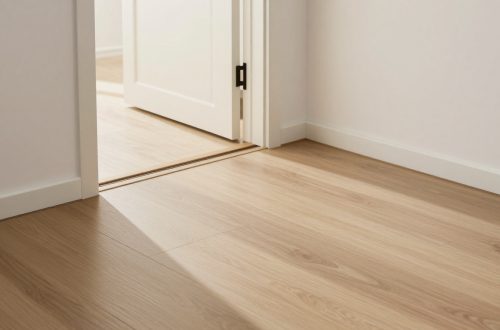
A transition profile at a planned stop point: If the island location forces an awkward break, you can place a T-molding or end profile at a logical line (often where the island aligns with a cabinet run or doorway). This is also useful when the product has maximum run-length limits.
Also watch what happens under appliances. Some instructions allow floating under freestanding appliances, others warn against it because weight can restrict movement. If your team gets questions like “Can I run it under the fridge and range?”, the discussion in vinyl plank under appliances is a good example of why installers should default to the manufacturer’s written guidance, not habit.
January 2026 shop talk: what’s changing around LVP installs
Customers don’t ask for “floating floor mechanics.” They ask for style and speed, fueled by flooring trends and the constant stream of flooring news online. What’s useful for dealers is tying good install practice to what buyers already care about: performance, safety, and the look.
- Flooring industry news is paying more attention to material inputs and testing, including PFAS detection methods in manufacturing, which affects how some products are positioned and specified.
- Buyers shopping the newest flooring products still want “waterproof,” but they also ask about indoor air and cleanability.
- In-person flooring shows still matter because customers and pros want to see texture and locking detail up close, something photos can’t fully capture.
- When customers ask what’s popular, point them to mainstream summaries like 2026 flooring trends from Better Homes and Gardens, then bring it back to proper install details.
- For a pulse on launches and category direction, keep an eye on trade coverage such as Floor Covering News coverage of The Great Reveal 2026, it’s the kind of recap retailers use to plan assortments and talk track.
This is also where flooring factories matter to the conversation, tighter quality control on locking systems reduces failures, but only if the floor is allowed to float.
Conclusion
Installing click-lock LVP around an island isn’t hard, but it is unforgiving. Decide early whether you’ll float under relieved trim or stop at the island and cover the gap, then execute that plan with clean spacing and island-only fasteners. When the floor can move, the locks stay quiet, the seams stay flat, and the job stays off the callback list. The simplest goal is still the right one: don’t pin the floor.