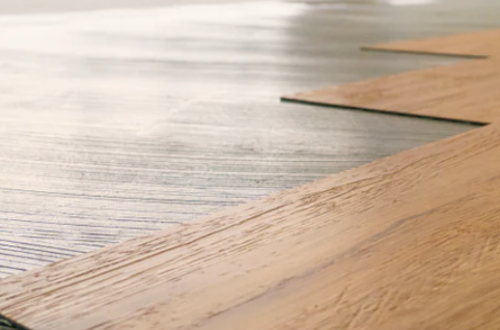
Can click-lock luxury vinyl planks handle warm floors without joint gaps, peaking, or squeaks? Yes, click-lock LVP over radiant floor heat can work well, but only when the heating system is controlled like a slow dimmer switch, not an on-off light.

Radiant heat changes the way a floor lives. Instead of warm air drifting around the room, the heat starts at the underside of the plank, and that flips the risk profile. The biggest problems usually come from overheating, hot spots, and fast temperature swings that make the click mechanism fight itself.
This guide covers practical temperature caps, where to put sensors (and where not to), and a startup schedule that warms the floor without stressing joints.
Click-lock LVP over radiant heat: what’s really happening underfoot
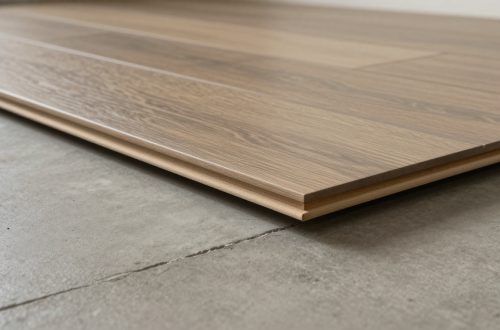
Click-lock LVP is a floating installation system. Think of each joint like a zipper that’s strong in a straight line, but unhappy when one area grows faster than the next. Radiant heat adds exactly that kind of uneven pressure if the system isn’t controlled well.
Both hydronic and electric systems can be compatible, but they behave differently:
- Hydronic radiant heating (water tubes or PEX tubing) tends to change temperature slowly, especially in a slab. That’s joint-friendly, but it can overshoot if the controls chase room air temperature instead of floor temperature.
- Electric radiant heating mats or electric cables respond faster and can create sharper hot spots if a sensor is misplaced or the mat layout is uneven.
Before anyone signs off on an install, confirm the following basics that stores, flooring manufacturing factories, and manufacturer warranty providers care about because they drive claims and callbacks:
- The plank’s radiant rating and warranty language. Some lines have strict caps and control requirements.
- Underlayment requirements and thermal resistance. Thick, soft underlay can trap heat and force higher setpoints. Radiant likes low R-value assemblies.
- Subfloor preparation, flatness, and support. Heat cycling can expose weak spots, so use self-leveling concrete and follow the product’s flatness spec closely.
- Vapor barrier. A proper vapor barrier is essential to control moisture and prevent issues with heat expansion.
- Sun + rugs + radiant. Solar gain and insulated rugs can spike surface temps in small zones, even when the thermostat looks “normal.”
For a practical overview of vinyl and underfloor heating compatibility, see radiant heating under vinyl plank guidance.
Max Surface Temperature for LVP Radiant Heat (and How to Keep Them Stable)
Most click-lock flooring problems with luxury vinyl plank (LVP) over radiant heat trace back to one thing: the finished floor surface gets too warm, even if the room feels comfortable. Many LVP products use 80°F to 85 degrees Fahrenheit as the safe operating ceiling, and some allow higher, but only with specific controls. Your best number is always the one in the manufacturer warranty.
Here’s a field-friendly way to communicate limits without pretending every brand is identical:
| Control point | Practical target | Why it matters |
|---|---|---|
| Normal operating surface temp | 75°F to 82°F | Comfortable underfoot, lower joint stress |
| Typical “do not exceed” zone (many LVP lines) | 80°F to 85°F | Reduces risk of expansion, curling, and joint damage |
| Rapid change in setpoint | Avoid | Fast swings strain click mechanisms and end joints |
Two control rules prevent most overheating issues:
- Use thermostat control by floor temperature, not just air temperature. Floor sensors keep the system honest when the sun hits a window wall or a space has a lot of glass.
- Avoid aggressive setbacks. Dropping the thermostat hard overnight, then blasting heat in the morning, is a recipe for joint movement.
If you’re pairing an electric film system with an underlayment stack, it also helps to confirm system-to-floor compatibility at the assembly level. This kind of compatibility checklist is laid out in radiant system and flooring compatibility notes.
Sensor placement that prevents hot spots and warranty headaches
A thermostat can’t control what it can’t “feel.” Floor temperature sensor and slab sensor placement is the difference between even heat distribution for a calm floor and a system that short cycles, overheats, or lags.
For most electric radiant installs under floating luxury vinyl plank, best practice is a floor probe in conduit so it’s replaceable. Hydronic systems vary, but the principle stays the same: measure where the floor temperature represents the whole room, not a single hot stripe.
Where the floor sensor should go
Place the sensor where it reads the average floor condition:
- Between heating runs, not touching a cable, and not directly above a tube.
- In a representative traffic zone, not tight to exterior doors, not in front of a fireplace, and not in a sun pocket.
- Away from rugs and furniture bases that trap heat (a rug can act like a blanket on the system).
- Centered in the heated area when possible, and not shoved against a wall.
A good explainer of common placement mistakes and “why the floor feels off” symptoms is here: radiant sensor placement troubleshooting. If your crews prefer a quick visual, this video shows the basics of probe location and setup: proper floor sensor placement video.
Two small upgrades that pay off
- Use a floor-sensing thermostat mode (or dual-sensing) so thermostat control respects a surface temperature limit and protects the manufacturer warranty.
- Consider a second sensor in large or high-sun areas, even if it’s only used for commissioning checks with an infrared thermometer.
Startup Schedule That Warms the Room Without Stressing Click Joints
Turning on radiant heat under a floating floor should feel boring. If it feels dramatic, it’s usually wrong. A calm startup schedule limits expansion and contraction shock and keeps the click system from taking the full force of movement in a single day.
Below is a conservative, brand-agnostic ramp plan used by many installers. Always reconcile it with the LVP and radiant manufacturer instructions.
- Pre-check moisture and site conditions. Confirm slab moisture testing is complete and within limits, and that the space is enclosed and conditioned.
- Shut radiant off before install. A common acclimatization requirement is 24 to 48 hours off, so planks install at a stable baseline.
- Install and hold steady. Keep the room at normal living conditions during vinyl plank installation and for at least 24 to 48 hours after.
- Day 1 (first heat): set low. Start with a low floor setpoint, often around 70°F to 72°F surface equivalent, depending on climate.
- Days 2 to 5: raise slowly. Increase in small steps, about 2°F to 3°F per day, watching for any binding at perimeters and transitions.
- Stop below the cap. Never push past the product’s max surface temperature, even “just to test it.”
- Avoid big daily swings. Keep changes small during the first two weeks, then operate with modest setbacks.
- Commission with real measurements. Use an IR thermometer to spot-check hot spots near windows, under rugs, and over mat seams.
One more joint saver that gets ignored: keep expansion gaps and transitions true to the installation guide. Heat cycling doesn’t forgive tight perimeters.
What early-2026 buyers are asking for (and where they’re learning it)
Even when radiant heat isn’t the headline, it keeps coming up in sales conversations because homeowners want waterproof flooring and luxury vinyl plank that deliver comfort without giving up performance. Early 2026 flooring trends also lean into warmer tones and more realistic embossing, including mineral core vinyl and rigid core flooring, which helps LVP compete visually while staying practical over heat.
Industry chatter matters because it shapes spec sheets, claims language, and showroom scripts. If you track flooring industry news and flooring news around training and product updates, you’ll notice more attention on vinyl plank installation education and material transparency. For example, NTCA training sessions for early 2026 reflect a push to reduce failures through better field habits. On the product side, suppliers keep improving visuals and performance, covered in wood performance and visuals updates, and that same “make it tougher, make it look real” mindset carries into vinyl categories.
These conversations often happen face-to-face at annual flooring shows, including regional buying events such as Flooring Markets events, where retailers scout newest flooring trends and products and compare newest flooring products across brands.
Conclusion
Click-lock luxury vinyl plank (LVP), a waterproof flooring favorite, can pair with radiant heat from boiler systems, but only when the floor temperature is capped, measured in the right place, and increased slowly to manage heat transfer. As a floating click-lock flooring system with ideal adhesive compatibility (requiring no glue), put the sensor where it reflects the average floor, control to surface temperature, and treat startup like a gentle warmup, not a stress test. For retailers, reps, and flooring manufacturing factories, the best results come from aligning product limits, manufacturer warranty, thermostat logic, and installer habits into one simple promise: stable heat, stable joints.