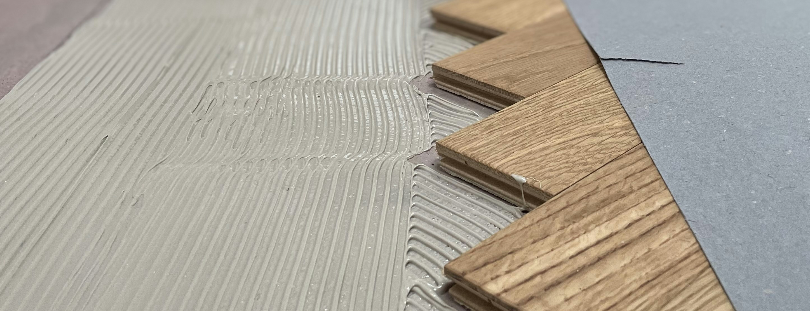
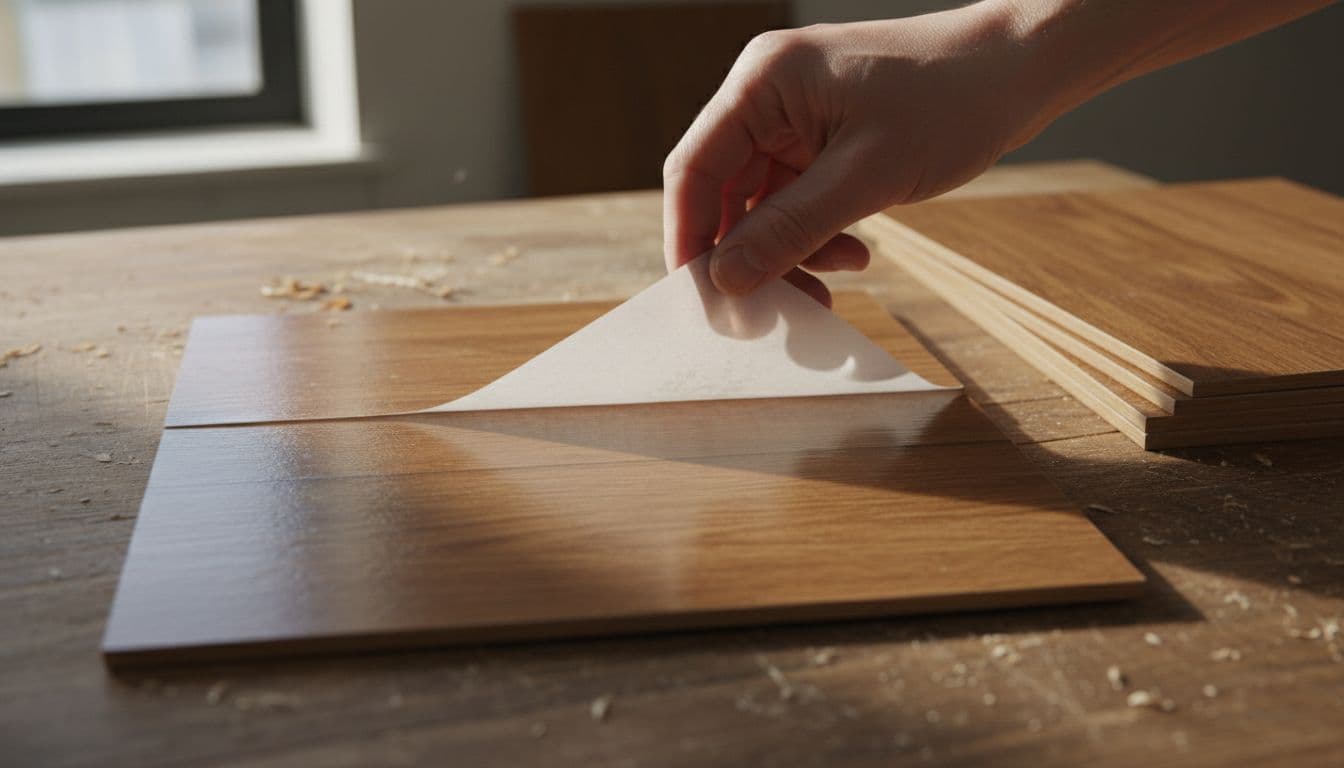
Peel-and-stick flooring looks simple on the surface. Pull the backing, press the tile, and the job moves fast. Yet that thin backing is the part that protects the adhesive, keeps production clean, and makes installation predictable. When release liner supply gets shaky, the whole program feels it.
For 2026, the picture looks steady, not loose. Real-time market updates point to growing self-adhesive vinyl demand with no major reported liner shortages. Still, buyers shouldn’t relax too much. Cost swings, trade policy, and coating quality can still reshape margins and lead times.
Why the liner matters long before the floor reaches the jobsite
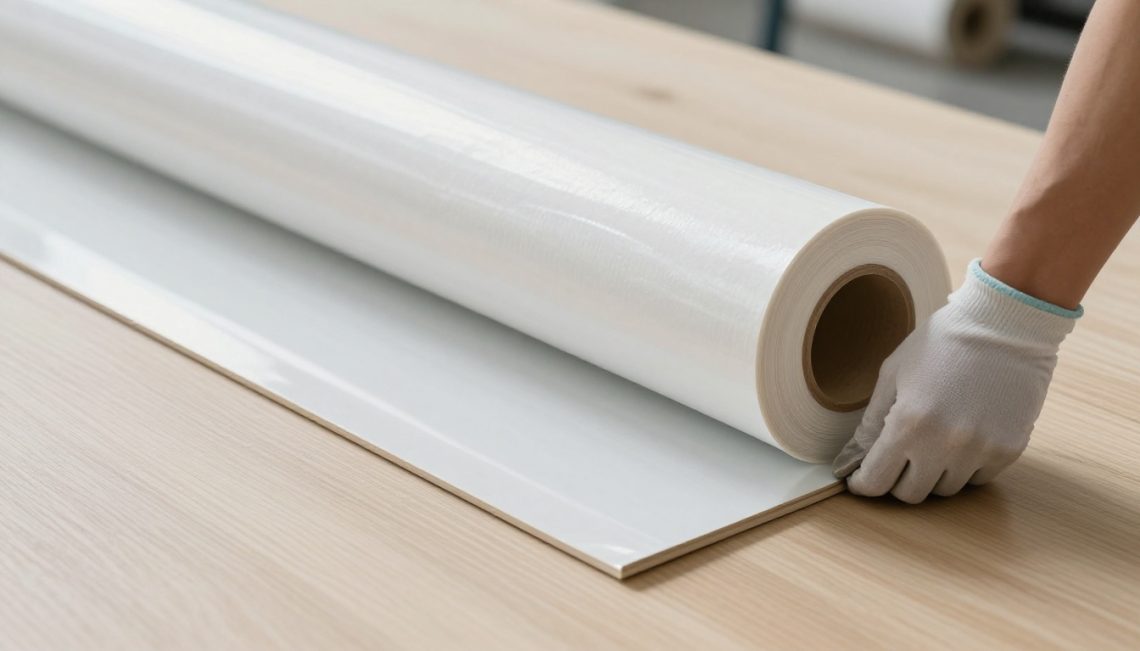
A release liner is the peel-away paper or film that covers pressure-sensitive adhesive. If it tears, curls, sheds, or releases unevenly, peel-and-stick flooring turns from easy to annoying. What good is a self-adhesive tile if the backing fights the installer on every piece?
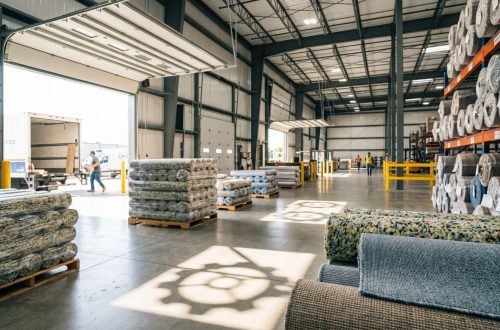
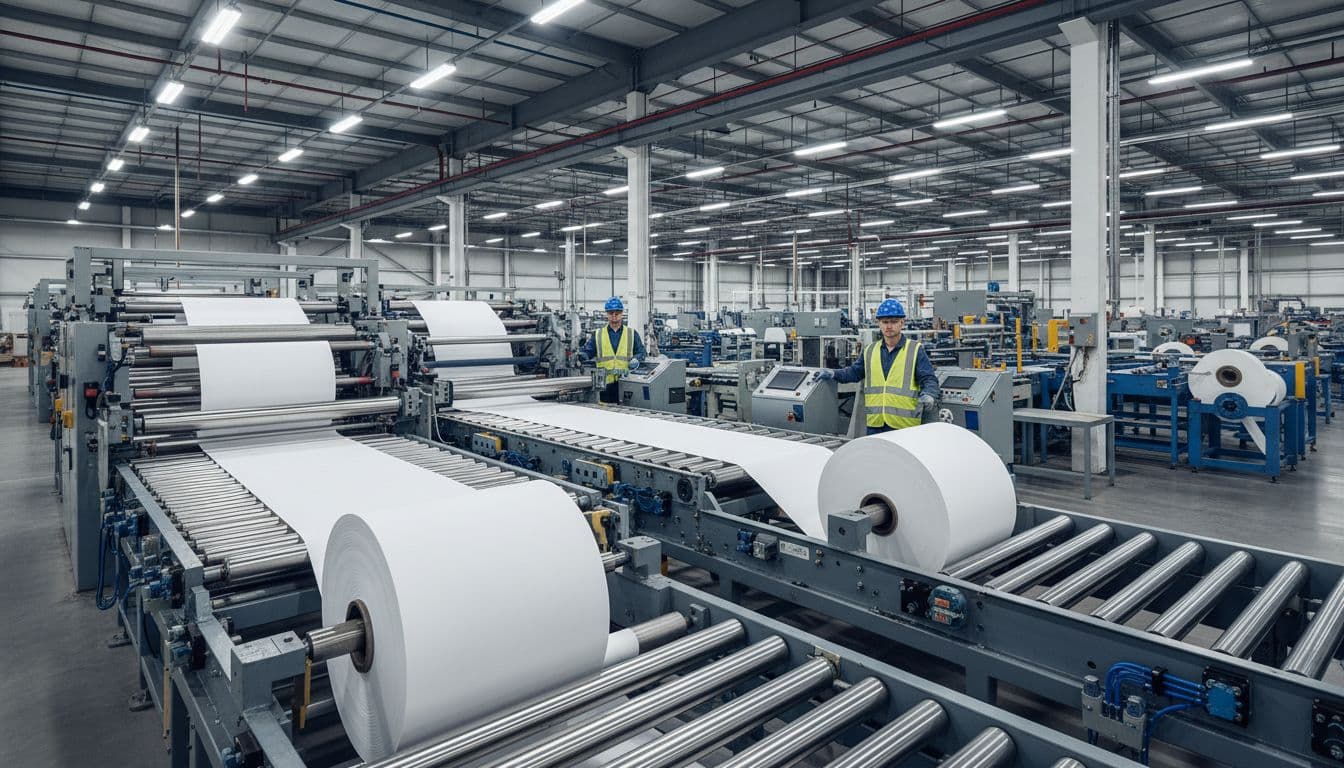
Manufacturers care for the same reason. Inside flooring manufacturing factories, liner consistency affects unwind speed, die cutting, lamination, and scrap rates. A small shift in coating or caliper can ripple through thousands of square feet.
Demand also supports the 2026 outlook. Many homeowners are still improving existing homes instead of moving, so quick-turn remodel products keep finding buyers. That fits peel-and-stick’s value story. It also fits current 2026 flooring trends warm tones, where softer wood looks and lower-sheen visuals are replacing colder grays.
Paper-based liners still hold much of the volume because they’re cost-effective and easy to convert. Film-based liners are gaining attention where moisture resistance, cleaner tear behavior, or tighter dimensional control matter. That mix shift shouldn’t upend 2026 supply, but it can tighten specific SKUs for a time.
Recent market summaries also show vinyl flooring expanding in 2026, with self-adhesive formats benefiting from simple installs and lower labor needs. So the main question isn’t whether peel-and-stick demand exists. It’s whether suppliers can hold clean release performance while cost pressure builds underneath.
2026 release liner supply looks balanced, but costs could still move
The good news comes first. No strong data points to a broad 2026 shortage in liner volume for peel-and-stick flooring. A recent release liner market outlook also projects long-term growth, which supports continued investment in coating and converting capacity.
The watch-outs sit one layer deeper. Paper grades, film substrates, silicone coatings, freight, and trade rules all influence liner cost. Buyers also need to watch tariff exposure. A current tariff impact forecast for release liners suggests that policy changes can alter landed costs even when basic supply looks fine.
This quick table sums up the likely pressure points.
| Supply driver | 2026 outlook | Why it matters |
|---|---|---|
| Paper and film availability | Adequate overall | Some SKUs may need substitutions |
| Silicone coating quality | Tight quality focus | Poor release raises waste and claims |
| Tariffs and trade | Unsettled | Costs can change faster than forecasts |
| Freight and plant efficiency | Mixed by region | Lead times may vary more than capacity |
The 2026 story looks like balanced supply with uneven costs, not a headline shortage.
North America should stay serviceable, while Asia remains a major production base for flooring and liner-related inputs. So the real risk is regional timing. One converter may quote four weeks, another eight, even when neither is sold out.
That matters for peel-and-stick buyers because liner problems rarely show up as dramatic headlines. More often, they appear as extra waste, tougher install peel, or a late price revision. Broader raw material pressure in vinyl is part of the same story, which is why this 2026 PVC resin price outlook is worth tracking alongside liner costs.
What flooring news and 2026 shows are telling the market
Recent flooring news and flooring industry news point to a cautious but active year. Category forecasts going into 2026 show laminate improving, wood looking more hopeful, and tile expected to post mild growth. That wider mix matters because peel-and-stick doesn’t sell in a vacuum. It wins when the buyer wants speed, budget control, and a simple install.
That pattern also matches housing signals. Existing-home sales improved only slightly late last year, while many owners still hesitate to give up older low mortgage rates. When people stay put, they refresh kitchens, basements, rental units, and light commercial spaces. Peel-and-stick fits that practical remodel cycle.
At the same time, people still chase the newest flooring trends and products. That’s why annual flooring shows still matter. Regional buying events, TISE, and the education push around Coverings give retailers and distributors a live look at color, texture, and claims. Screens help, but they can’t replace touching a sample. Retail buyers comparing newest flooring products now ask more about install risk than marketing claims.
Those events also sort hype from substance. A booth may present the newest flooring products, yet the smarter question is whether the liner peels cleanly after storage, travel, and seasonal humidity swings. In other words, buyers want style, but they also want fewer callbacks.
Training has become a bigger theme, too. Installer education and stronger technical sessions show the market wants better prep and fewer failures. Chemical scrutiny is rising as well. Recent reporting on PFAS testing methods signals a broader push for cleaner inputs and tighter documentation across adhesives, coatings, and backing materials. For retailers, the takeaway is simple. Watch flooring trends, but don’t ignore factory discipline.
Conclusion
The 2026 outlook for release liner supply in peel-and-stick flooring is stable enough for planning, but not soft enough for guesswork. Supply looks available, while cost and quality variation remain the real risks. Teams that pair market watching with tighter supplier checks will be in better shape. In 2026, the safer move isn’t panic buying, it’s better forecasting.