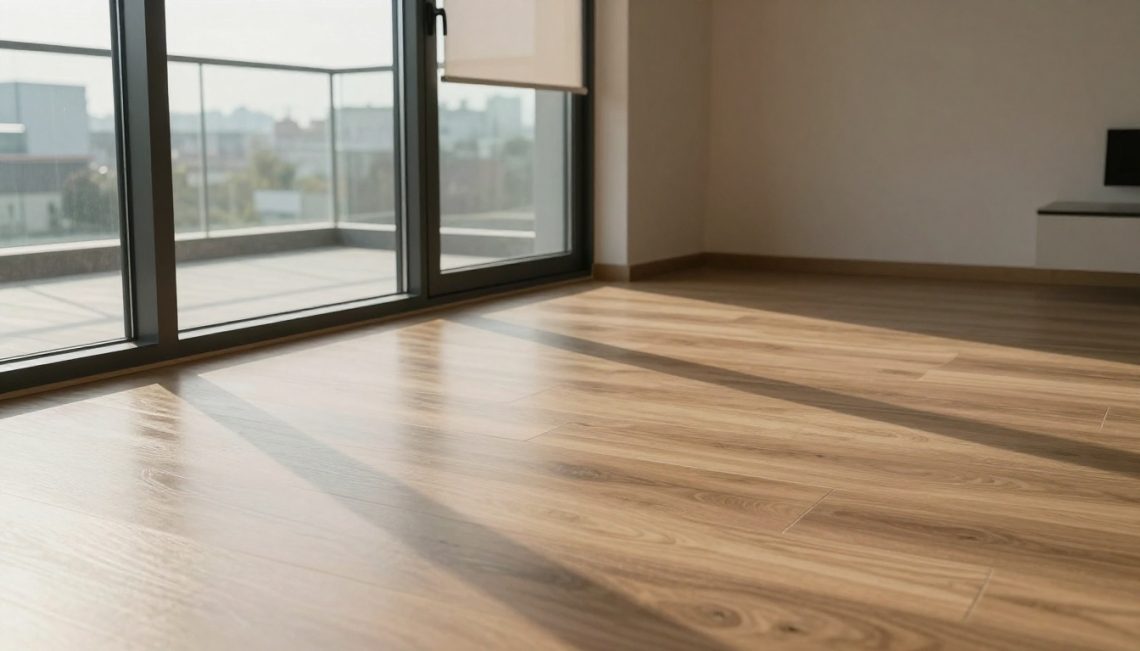
A click lock LVP sunroom install can look perfect on day one, then start acting strange after the first hot week. Gaps appear at the ends, joints feel tight, and a floor that was silent suddenly “talks” when the afternoon sun hits it.
Sunrooms and rooms with big windows don’t behave like the rest of the house. They run hotter, cool faster at night, and get direct solar exposure that can spike surface temperatures far above the thermostat setting. This article lays out practical heat swing limits, realistic shade plans, and clear situations where glue-down LVP is the safer bet.
Why click-lock LVP struggles in sunrooms with big windows
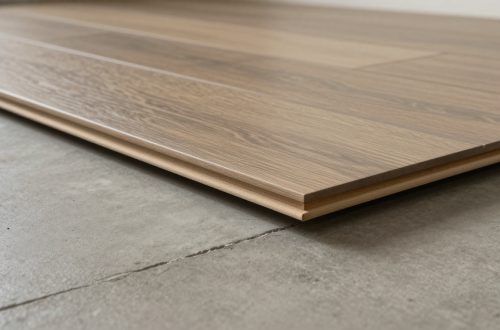
Click-lock LVP is a floating system. That’s the point, it sits on the subfloor and expands and contracts as a single sheet. In a typical interior room, temperature changes are mild enough that the floor’s movement stays within the design window.
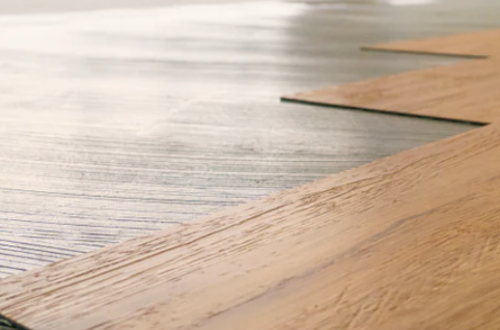
A sunroom is different. Direct sun can heat the planks unevenly, especially near sliders and south or west-facing glass. One side of the room expands while the shaded side lags behind. Think of it like a long tape measure on a hot dashboard, it doesn’t just grow, it can bow, push, and bind where it has nowhere to go.
The most common failure pattern in these spaces is compression. The floor expands, meets a fixed object (a wall, a heavy cabinet, a tight door jamb), then the locking joints take the stress. That can show up as peaked seams, tenting, or a “crunchy” feel at the joints.
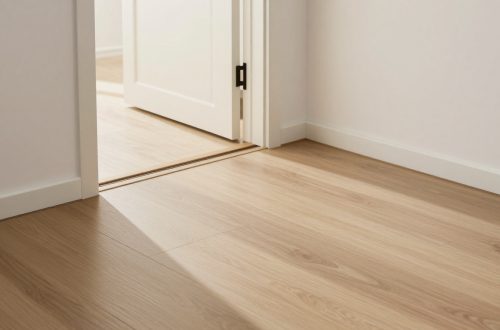
It also doesn’t help that sunrooms often have details that restrict movement: flush thresholds, tight quarter round, or multiple transitions that pin the floating field in place. If the floor cannot move freely, it will try to move anyway, and it will choose the weakest point.
Manufacturer instructions matter here, including expansion space, subfloor flatness, and perimeter clearances. If you need a refresher on common click-install requirements, see these LVP click-lock installation guidelines.
Heat swing limits: set a temperature budget before you buy
“Can LVP handle heat?” is the wrong question. The better question is, “What temperature range will this floor see, at the plank surface, day after day?”
A useful baseline comes from a temperature-focused LVP case study that shows floors staying relatively stable in a moderate band, with increased dimensional change outside it. The takeaway is simple: the tighter your real-world range, the happier your floating floor will be. This PDF is a helpful conversation tool for teams and customers: LVP temperature change case study.
Field reality is harsher because sunlight can push surface temps well past air temps. In commercial vinyl discussions, heat damage is often framed around thresholds where expansion and adhesive behavior change fast. One practical summary is here: how heat affects vinyl flooring.
Use those references to build a “temperature budget” before the sale. Then verify the room can live within it.
| Sunroom condition | What it does to LVP | What to plan for |
|---|---|---|
| Direct sun on planks | Uneven expansion across the room | Shade, film, rugs in hot zones (if allowed) |
| Big day-night swings | Repeated expand-contract cycles | Leave correct perimeter gaps, avoid pinning |
| Tight transitions and trim | Restricts movement | Undercut jambs, maintain expansion space |
If the room cannot be controlled (seasonal rooms, no HVAC, glass on three sides), treat click-lock as a higher-risk spec, even if the product is labeled “waterproof.”
Shade plans that protect a floating LVP floor (without making the room gloomy)
Shade is not an accessory in a sunroom. It’s part of the flooring system.
Start by identifying the solar “hot strip.” In many rooms it’s a 2 to 6-foot band inside the windows and doors. That strip is where movement concentrates, and where you want the most protection.
A workable shade plan usually mixes three layers, each doing a different job:
- Solar control at the glass: Window film or upgraded glazing reduces heat gain before it hits the floor. It’s often the cleanest solution because it protects everything in the room, not just the planks.
- Adjustable interior shading: Cellular shades, roller shades, or verticals let occupants react to real conditions, like a winter afternoon glare that feels nice to people but punishes a floating floor.
- Floor-level buffering in the hot strip: Some projects use area rugs or runners to reduce direct exposure. Always confirm rug and pad guidance with the LVP supplier, since certain backings can trap heat or affect warranties.
Operational habits matter too. If a room is allowed to bake all day and then cool hard at night, the floor sees stress cycles like a paper clip being bent back and forth. Keeping a more consistent setpoint during extreme seasons can reduce peak expansion and contraction, even if the room is rarely used.
When glue-down is the safer call, plus what 2026 industry signals are saying
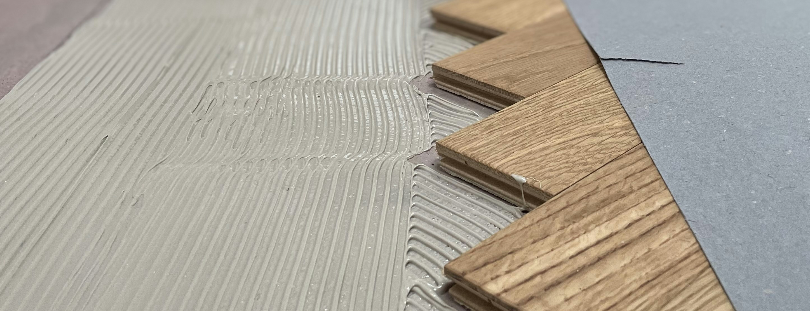
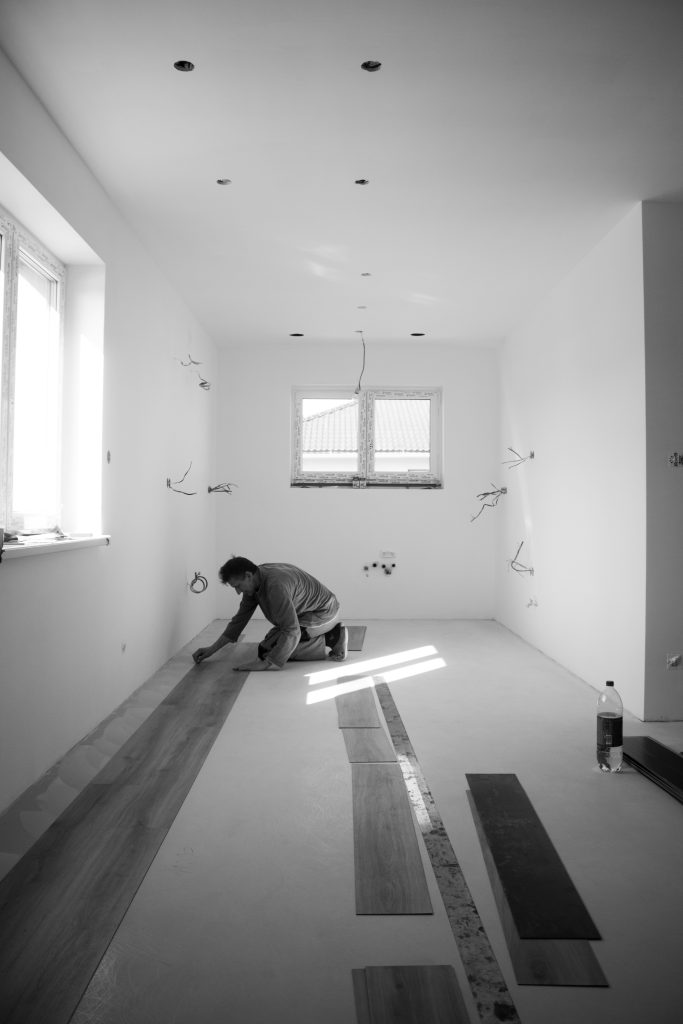
Glue-down LVP can be safer in high-sun rooms because the adhesive bond helps control movement at the plank level. Instead of the whole floor acting like one floating sheet, each plank is restrained by the adhesive system and the subfloor. That can reduce gapping and locking-joint stress in spaces with bigger heat swings or heavy rolling loads.
Glue-down is worth a serious look when:
- The room has wall-to-wall glass and predictable hot zones.
- The floor plan has many pinch points (multiple doorways, long narrow runs).
- The client wants minimal transitions and tighter visual lines.
- The space is commercial or light commercial, where maintenance staff can’t babysit shades.
Glue-down is not a magic shield. Adhesives have temperature limits too, and high heat can soften certain systems. Product selection and adhesive selection must match the job conditions, and subfloor prep has to be clean, flat, and dry.
This is where 2026 flooring industry news is heading, more performance talk, less brochure talk. Suppliers are pushing harder on testing and transparency. For example, Shaw has discussed new methods to detect PFAS in manufacturing inputs, a reminder that materials and process control inside flooring manufacturing factories can change what “standard” means from one year to the next. Installer education is also getting louder, with the National Tile Contractors Association promoting expanded training opportunities in early 2026, and that training mindset is spreading across hard surface categories.
If you follow flooring news and attend annual flooring shows, you’ve probably noticed how often booths now focus on heat performance, installation systems, and claim prevention, not just color. The sales angle is still design, but the close is confidence. Buyers want newest flooring trends and products, yet they also want fewer callbacks. That’s why discussions at markets and shows keep circling back to construction details, locking profiles, and spec clarity for newest flooring products. It’s a practical shift in flooring trends, driven by real jobsite conditions.
Conclusion
Sunrooms don’t forgive vague assumptions. If the room can’t hold a steady temperature range and control direct sun, a floating floor is more likely to move, bind, and stress the joints. Pair click-lock with a real shade plan, keep expansion space honest, and don’t pin the floor with tight trim. When the environment is extreme or unpredictable, glue-down often gives you a wider safety margin and fewer surprises.