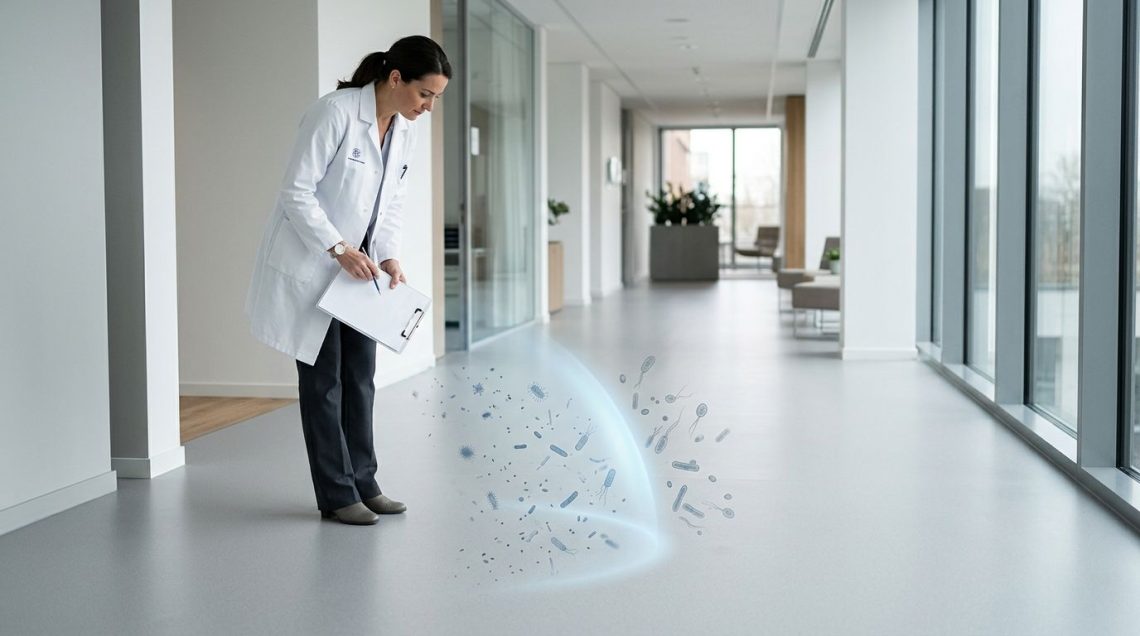
“Antimicrobial” on a carton can sound like a safety net. In reality, antimicrobial flooring claims range from well-tested performance to vague marketing.
If you work in flooring manufacturing, distribution, or retail, 2026 brings more questions than ever. Customers want healthier spaces, yet regulators and spec writers want proof. At the same time, the newest flooring trends and products keep pushing into kitchens, clinics, schools, and rentals where moisture and cleaning are daily facts.
This guide breaks down what to verify, what paperwork to request, and how to talk about antimicrobial features without overpromising.
Why antimicrobial additive claims are louder in 2026
Antimicrobial additives moved from niche to mainstream because “easy to clean” isn’t the same as “resists microbial growth.” Property managers want fewer odor complaints. Healthcare and senior living teams want materials that support hygiene routines. Homeowners want peace of mind, especially in wet zones.
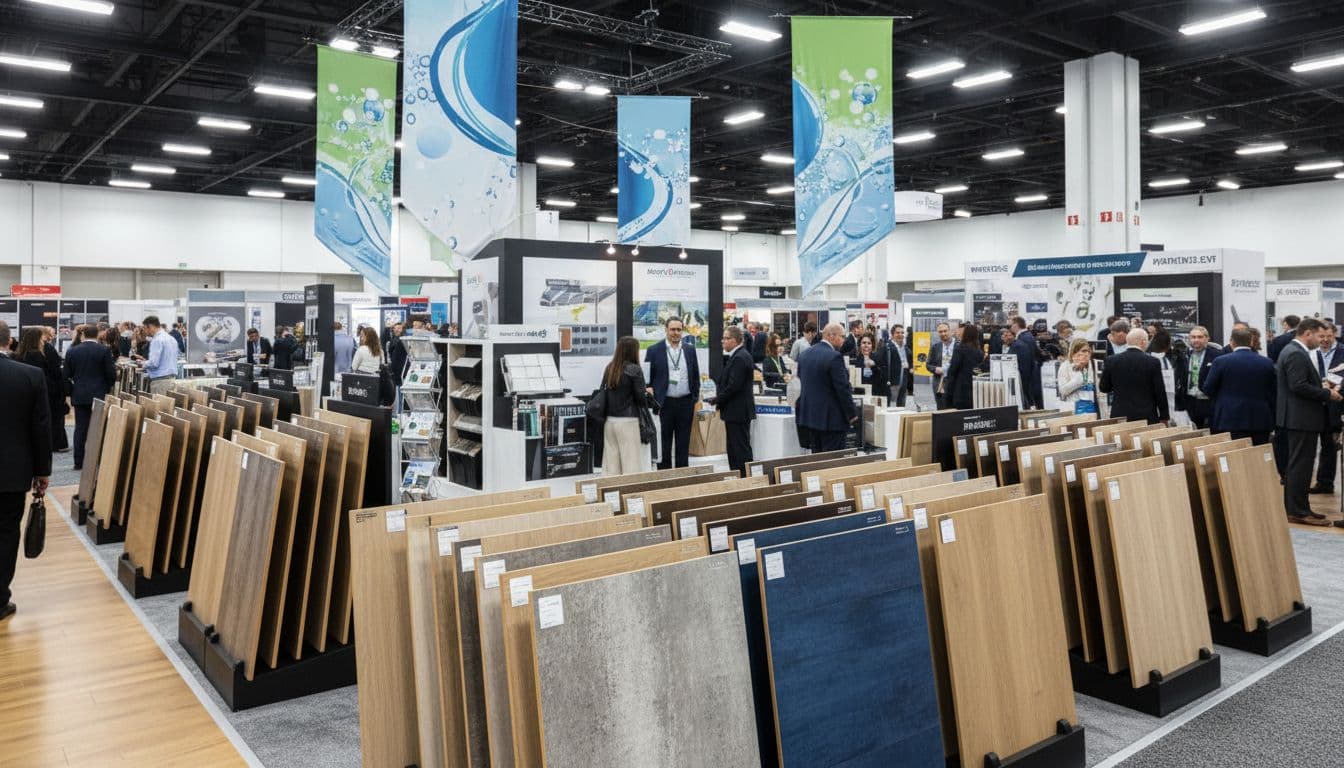
Those needs show up everywhere people learn about newest flooring products: distributor roadshows, dealer trainings, and annual flooring shows. The trade show floor is also where claims can get fuzzy, because banners have more space than spec sheets.
A quick reality check helps: antimicrobial additives generally aim to slow growth on the product surface, not sterilize a room. Think of it like a deodorizer in a gym bag. It can reduce stink-causing buildup, but it won’t replace washing the towels.
Also, “antimicrobial” isn’t one ingredient. Products may use different chemistries and different loading levels, and they may place the additive in different layers. In resilient products, the additive might sit in the wear layer, the topcoat, the core, or all three. That placement matters when you consider abrasion, refinishing, and long-term performance.
Finally, 2026 flooring industry news has put more attention on material transparency. Trade press has highlighted tighter scrutiny of inputs and test methods in general, including discussions about detecting chemicals in manufacturing streams. That same mindset is pushing buyers to ask for data, not adjectives.
If a claim can’t survive a simple question, it won’t survive a warranty dispute.
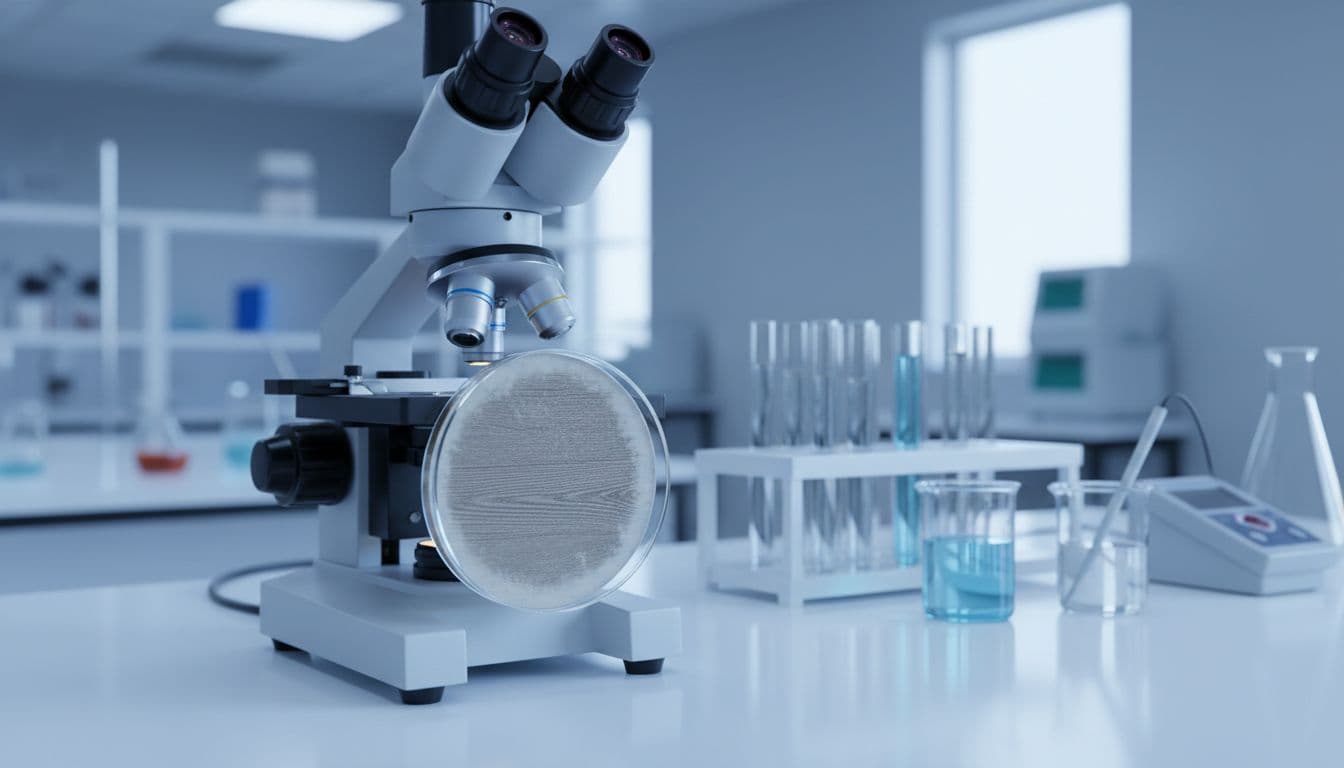
What to verify in the lab, not the brochure
Start with one question: what exactly is the claim about?
Some brands discuss “antimicrobial protection” as a built-in additive. Others talk about coatings. A few blur the line between antimicrobial, antiviral, and “hygienic.” Amtico’s technical overview is a good primer on these differences, especially the limits of what antimicrobials can and can’t promise in real buildings (see antimicrobials vs antivirals in flooring).
For commercial claims, especially in healthcare or institutional settings, you’ll also run into how regulators view “efficacy claims” on porous materials. The U.S. EPA has published interim guidance on what it expects when products make pathogen-related claims on porous surfaces (see EPA porous material claims guidance). Flooring is not always “porous” in the same way as a textile, but the document is still useful because it shows how easily marketing can drift into regulated territory.
Use this table as a quick translation tool when reviewing antimicrobial flooring claims:
| Claim language you’ll see | What it usually means | What to ask the supplier for |
|---|---|---|
| “Antimicrobial treated” | Additive exists somewhere in the product | Where is it located (wear layer, topcoat, core)? |
| “Inhibits mold and mildew” | Reduces growth on the surface under test conditions | Test method, organism list, and pass criteria |
| “Prevents odors” | May reduce odor-causing bacteria growth | Data showing odor reduction mechanism, plus cleaning guidance |
| “Kills 99% of bacteria” | Strong efficacy statement that needs tight controls | Lab report, test conditions, time to kill, and legal review |
| “Helps keep floors cleaner” | Cleanability claim, not antimicrobial efficacy | Chemical resistance and stain testing, plus maintenance spec |
One more practical verification step often gets missed: can the floor tolerate the cleaning chemistry your site uses? “Antimicrobial” doesn’t help if the surface haze comes from disinfectants. For resilient categories, chemical resistance tests (like those referenced in ASTM F925 testing context) can support the discussion with facility teams.
What documentation to request from flooring manufacturing factories
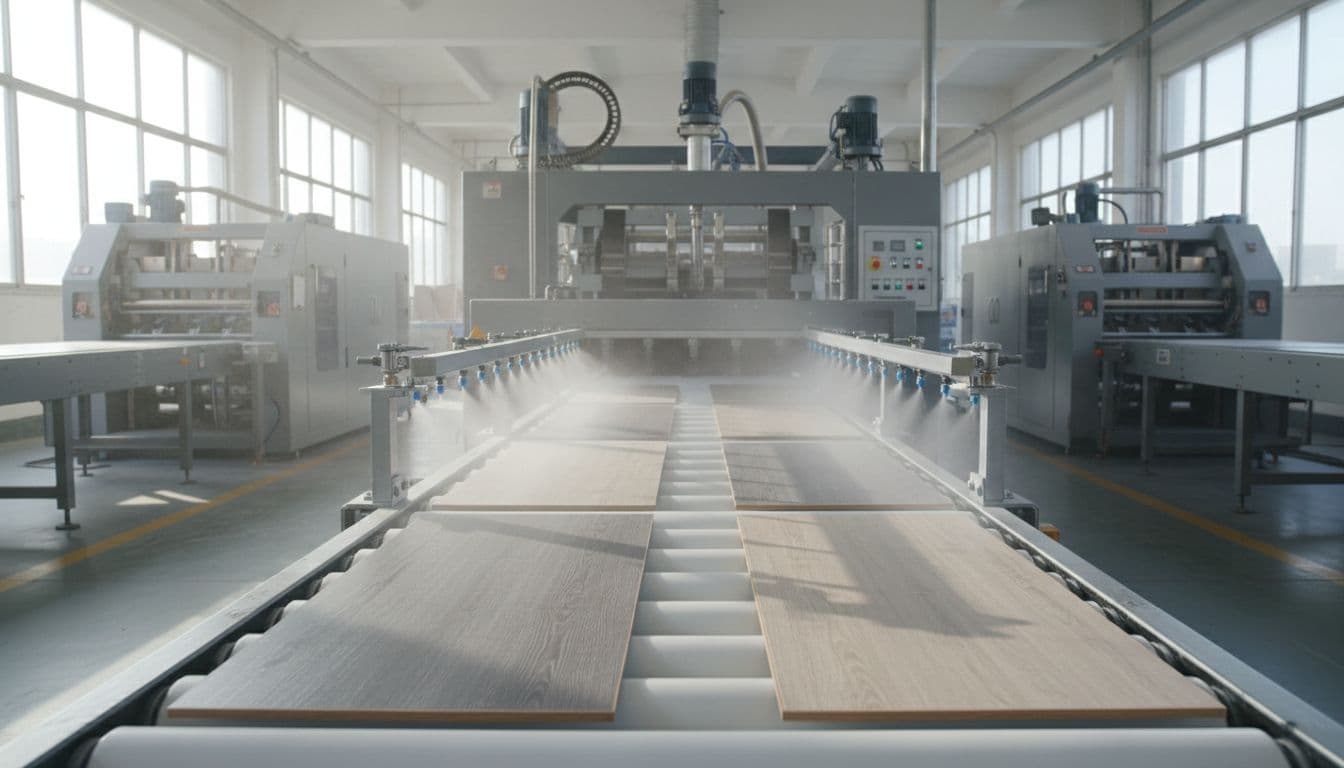
Even good lab data can fall apart without traceability. When you buy at scale, the risk isn’t only “does it work,” it’s “is it consistent lot to lot.”
That’s why documentation matters, especially when sourcing from multiple flooring manufacturing factories or multiple lines within one plant.
In 2026, many buyers already request sustainability and indoor air quality documentation for resilient floors. If you want a structured example of how certification programs define product requirements and disclosures, review the SCS-111 rigid core resilient flooring standard (v2.0, Oct 2025). Even when you don’t certify, the framework helps you ask better questions.
Ask for documentation that ties the antimicrobial claim to real production control:
First, confirm additive identity and placement. You don’t need a proprietary formula, but you do need the additive type, where it sits in the construction, and whether it can wear off.
Next, request a change-control statement. If the supplier switches additive vendor, changes loading, or alters the topcoat chemistry, do they retest?
Then, align antimicrobial with moisture strategy. Microbes love moisture. If the install traps vapor, you’ll still get odor and growth risks below the surface. For wet zones, pair product claims with a real assembly plan, including underlayment and vapor control (see moisture-friendly underlayments for LVP in wet areas).
Finally, keep marketing aligned with style direction. Antimicrobial features often ride along with broader flooring trends like warm tones, matte finishes, and wider formats. If your team is merchandising the newest flooring trends and products, make sure the antimicrobial story doesn’t contradict the design story (see 2026 flooring trends featuring antimicrobial cork).
For context, many resin-floor suppliers describe antimicrobial systems as part of a broader “benefit package” that includes cleanability and durability. That positioning can help sales teams avoid medical-sounding promises (see antimicrobial floor finish overview).
How to sell and specify antimicrobial floors without overpromising
A strong antimicrobial story sounds calm, not dramatic. It should fit into the way people actually maintain floors.
Here’s language that holds up well in commercial and retail settings:
- Say the floor is designed to inhibit growth on the surface, under defined test conditions.
- Clarify that it doesn’t replace cleaning and doesn’t make a room “germ-free.”
- Tie the benefit to real outcomes: reduced odor risk, fewer stain issues from microbial buildup, and support for routine hygiene.
This also helps when customers bring up flooring news headlines and expect miracles. Antimicrobial additives can be a smart feature, yet they’re only one part of a system that includes moisture control, cleaning chemistry, and proper installation.
The safest promise is a measured one: “helps inhibit growth on the product surface,” backed by a test report and care instructions.
Conclusion
In 2026, antimicrobial additive claims will keep showing up in flooring industry news, showroom pitches, and spec packages for the newest flooring products. The difference between a smart buy and a liability usually comes down to verification. Ask where the additive sits, what test supports the claim, and how the factory controls change. Then train sales teams to describe antimicrobial flooring claims as a support feature, not a shield. When your story matches the data, the product sells better and fails less.