A primer shortage rarely looks dramatic at first. It looks like a delayed pour, a forced substitution, or a slab that bonds poorly two days later.
That’s why self-leveler primer supply deserves more attention in 2026. Supply has improved from the worst freight swings, but buyers still face uneven stocking, tighter specs, and faster-turn jobs that leave no room for guesswork.
Why 2026 self-leveler primer supply looks steadier, not loose
The broad picture is better this year. Market researchers put the self-leveling primer market at about $2.03 billion in 2026, with steady growth ahead. At the same time, industry forecasts for a 2026 rebound point to stronger flooring demand as housing activity improves.
That sounds positive, and it is. Still, better demand doesn’t always mean easy buying. In many regions, standard acrylic primers are easier to find than fast-dry or specialty bond coats. Patch compounds are usually available, but matched-system primers can still disappear faster than the bags they support.
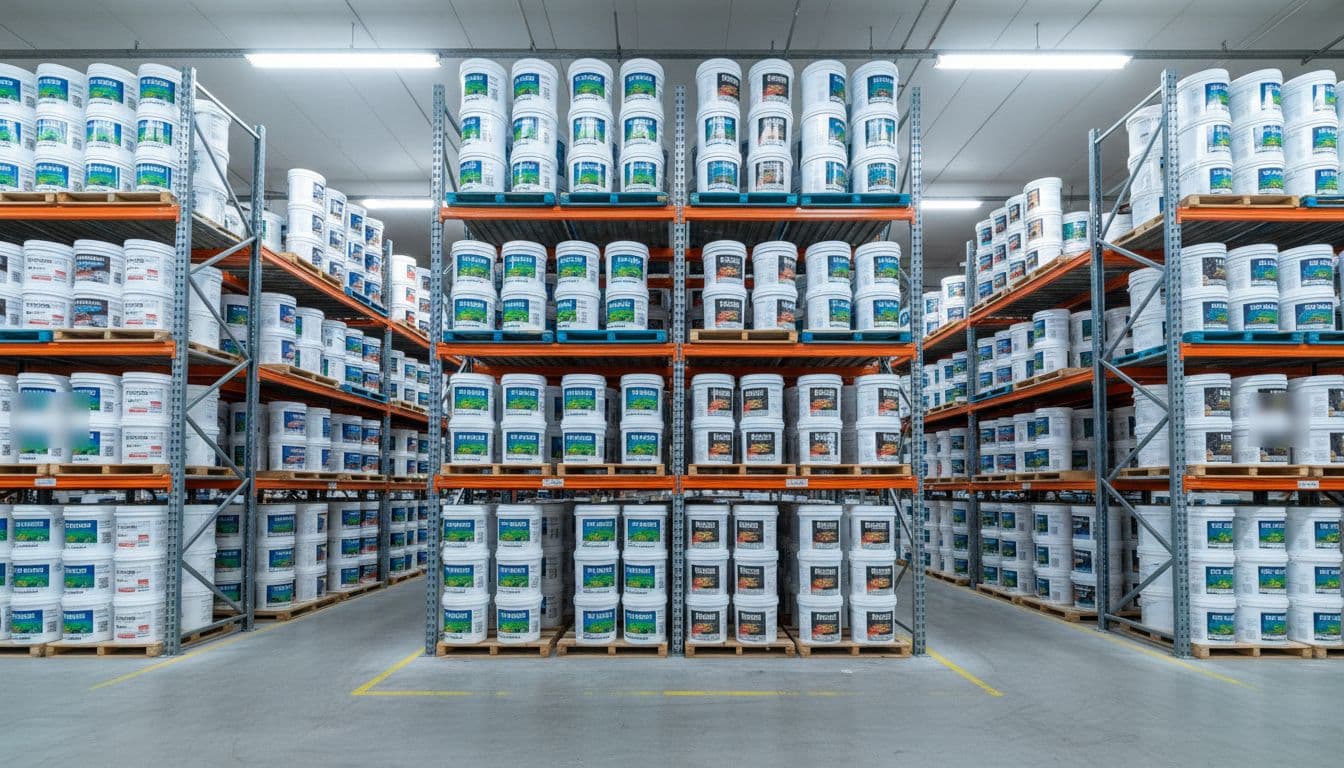
Here’s the quick read on what buyers are seeing in early 2026:
| Product area | Current watch point | Why it matters |
|---|---|---|
| Standard self-leveler primer | Mostly stable, but brand-specific gaps remain | Approved alternates are not always simple swaps |
| Fast-dry primer | Tighter in metro markets | Rush jobs depend on it |
| Patch and skim systems | Bag supply is steadier than companion liquids | Partial shipments slow installs |
| Moisture-related accessories | Still quote-driven on some specs | Full system approvals matter more than price alone |
The takeaway is simple. Supply is better, but not loose enough for careless ordering. For flooring companies that buy both surface goods and prep materials, timing between chemical suppliers and flooring manufacturing factories still affects job starts. That matters even more when long-plank LVT, large visuals, and other flooring trends leave little room for slab error.
Where patch systems can still pinch margins
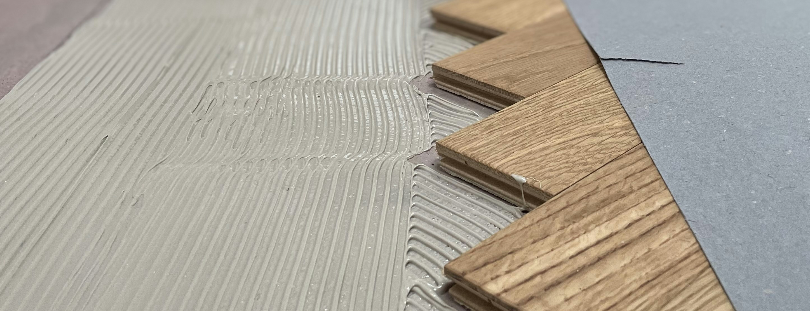
Patch systems don’t attract as much attention as surface goods. Yet they can quietly hurt margins faster than a delayed carton of plank. Primer is the handshake between the slab and the underlayment. If that handshake fails, the whole job feels it.
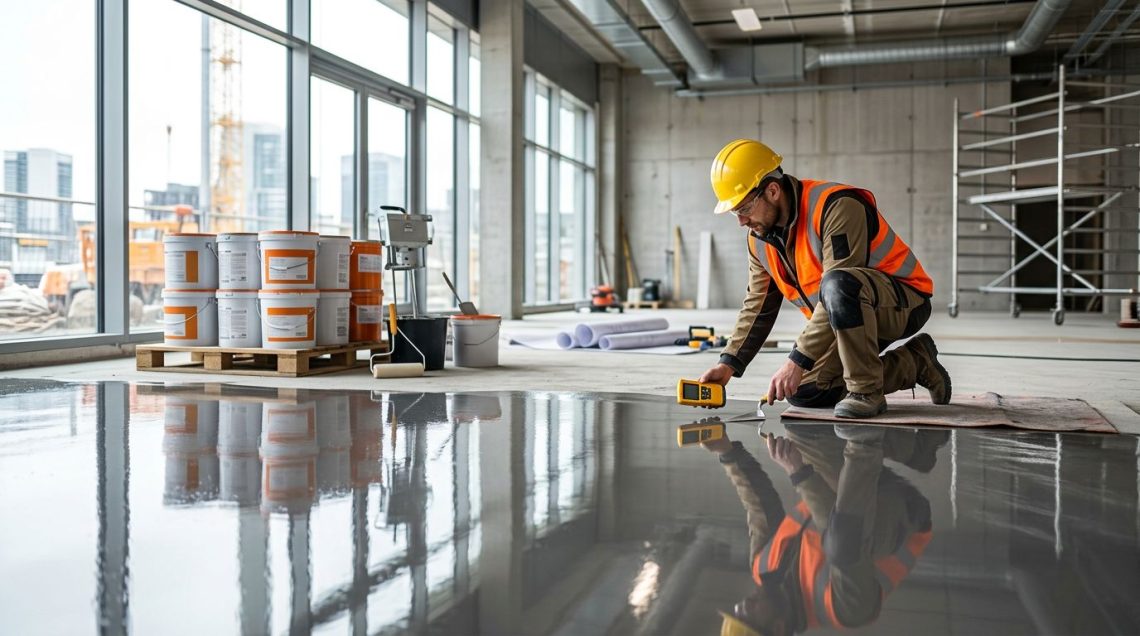
The biggest risk in 2026 isn’t only shortage. It’s substitution. Crews under pressure may swap a primer because the pail looks similar or because the distributor has “something close.” That’s where callbacks start. On the installation side, preventing soft spots in self-leveling underlayment still comes back to the same basics, correct primer choice, correct water, and correct cure conditions.
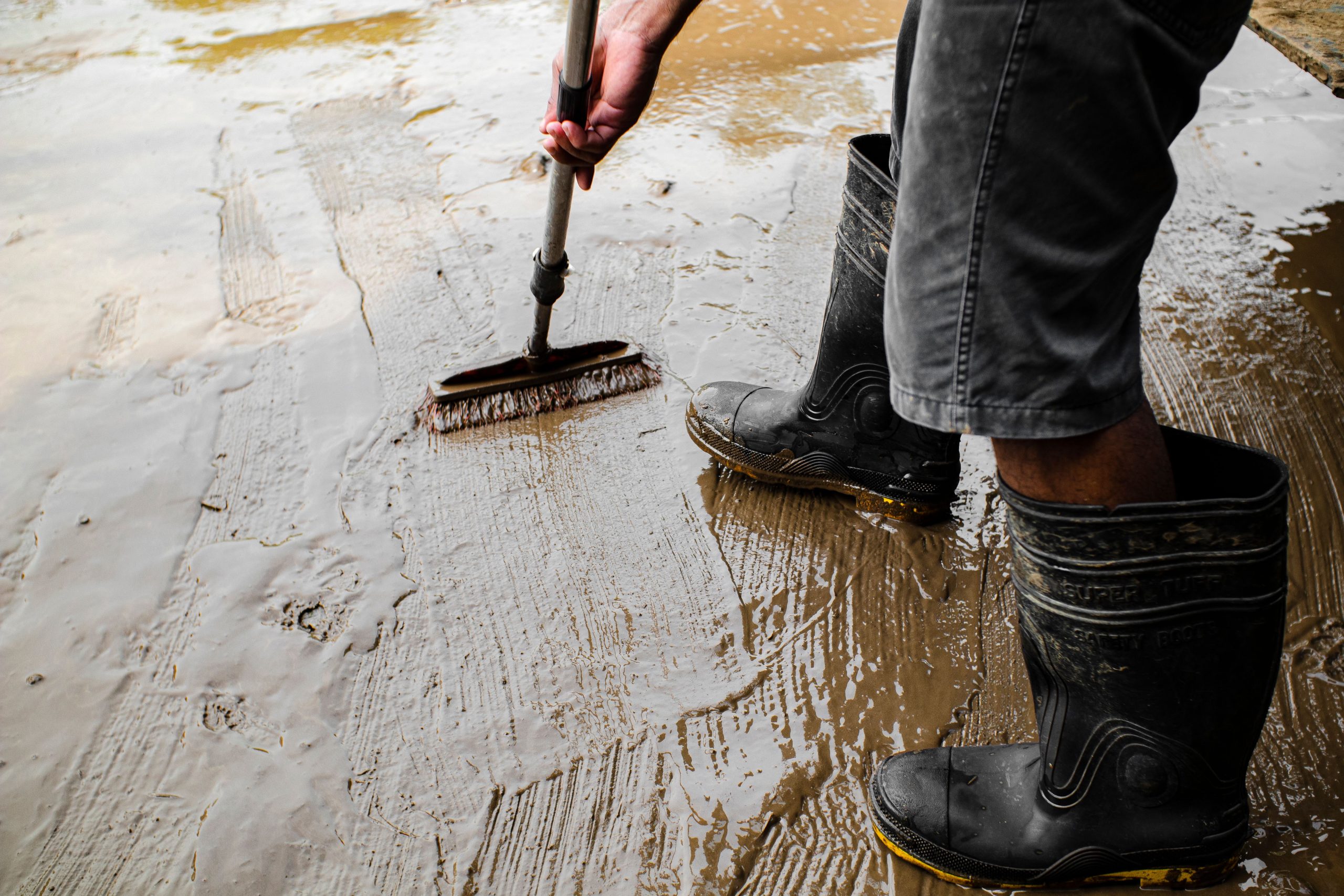
Photo by Nothing Ahead
The newest flooring products may grab the spotlight, but subfloor prep decides whether they stay flat. That’s especially true now because the newest flooring trends and products often use longer boards, thinner visuals, and tighter tolerances. A wavy slab that once hid under softer goods now shows every mistake.
Treat primer as part of a system, not a cheap add-on.
Product development is moving, too. LATICRETE’s lighter-weight NXT Level Plus Lite and Platform Performance’s broader prep-to-waterproofing push show where suppliers are heading, faster pours, more training, and more bundled systems. Recent flooring industry news also shows buyers asking for low-VOC options, EPD support, and more chemical transparency. Add PFAS scrutiny across adjacent categories, and purchasing teams have to review paperwork earlier, not later.
What annual flooring shows and flooring news are telling buyers
If you follow flooring news closely, the message from 2026 is clear. Suppliers are spending again, but they’re doing it with a sharper product focus. At Surfaces ’26 in Las Vegas, surface categories drew headlines, yet the same mood applies to prep materials, manufacturers want products that save labor, move faster, and support cleaner installs. That’s also visible in new product launches across categories, where performance and simpler selling stories keep showing up.
Annual flooring shows still matter because buyers get answers there that price sheets can’t give. Can a primer go over dense concrete without a second coat? Is the patch stable under rolling loads? What is the true regional lead time, not the printed one? Those talks still happen best in person.
Regional events back that up. Flooring Markets has drawn more than 3,200 industry pros from 25 states, with more than 100 brands on the floor. Roughly 85% of attendees are key buying decision-makers, and more than 90% come to source new products from current or new vendors. That’s a strong reminder that annual flooring shows and regional markets still shape orders, especially when buyers want to see texture, set speed, and finish quality firsthand.
Some regional events are paused while organizers gauge exhibitor demand. Even so, the format still matters. Buyers from flooring stores, contractor groups, and distributors use these events to compare the newest flooring trends and products with the prep systems that sit underneath them. In other words, flooring industry news may start with the finished floor, but the smartest buying conversations often end at the primer pail.
Smarter buying moves for the next two quarters
The best move now is boring, and that’s why it works. Lock primer, self-leveler, and patch into one approved system before the rush hits.
Next, ask distributors for visibility by SKU, not by brand family. A line may look available on paper while the one pail size you need is missing. Also, match forecasts to your job mix. Retail remodel work, tenant turns, and commercial repair all pull different primers at different speeds.
One more thing matters in 2026. Train the counter team, not only the installers. When sales staff understand cure windows and substrate limits, fewer “close enough” substitutions make it onto the truck.
Supply is steadier this year, but steady doesn’t mean safe. Primer is still the small-ticket item that can derail the whole floor.
Before the next purchase order goes out, ask one blunt question: if your first-choice primer disappears for two weeks, do you already have an approved backup?