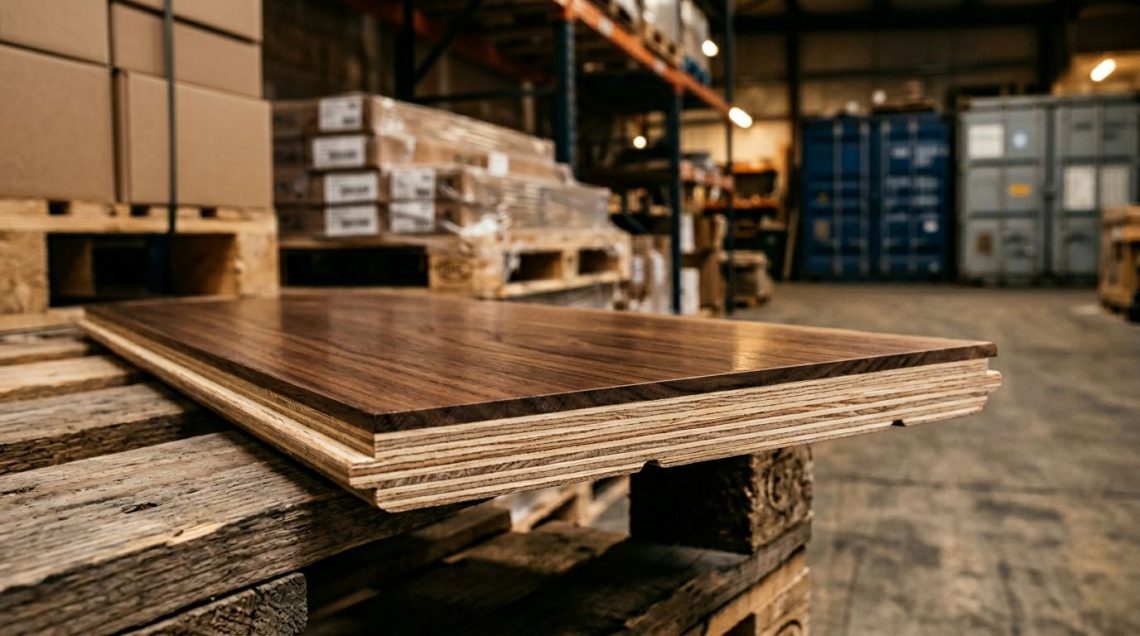
If the face veneer gets the attention, the plywood core pays the bills. In 2026, hardwood plywood supply looks workable, but it isn’t calm. Mills, importers, and retailers aren’t staring at a broad shortage cliff. They are dealing with faster price swings, tighter quality checks, and a market that still leans on cautious housing demand.
That matters because engineered hardwood lives or dies by the core. A pretty top layer can’t hide a weak layup, wet panel, or late container. For flooring companies, the supply watch now runs from timber and resin costs to factory testing, freight timing, and what buyers see at spring shows. For mills and stores alike, this year is about spotting risk before it turns into a claim, a missed truck, or a margin leak.
Where hardwood plywood supply stands in early 2026
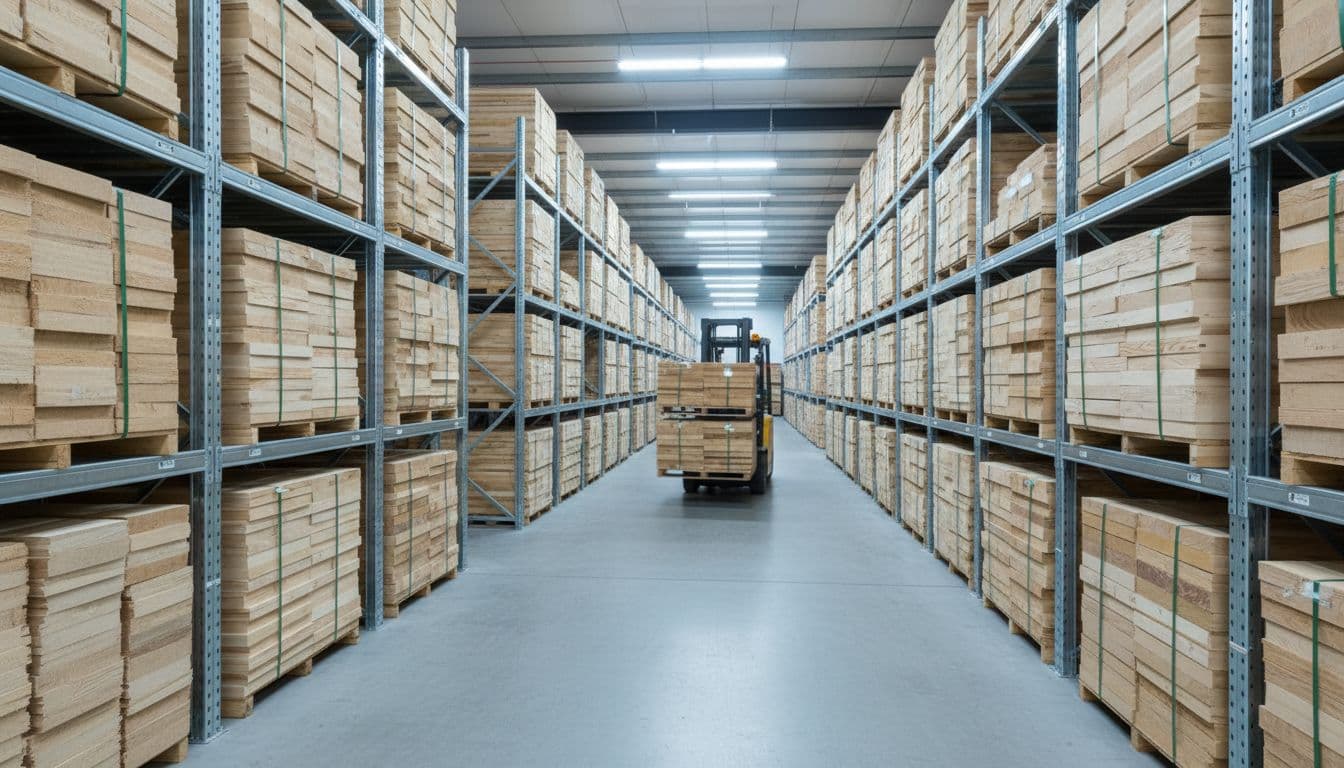
Early 2026 feels more like stop-and-go traffic than a pileup. Recent market tracking points to year-over-year raw material swings above 20 percent in some regions. Energy, resins, and shipping also remain choppy. Still, buyers have more sourcing paths than they did a year ago because import flow improved and Asian panel output stayed active.
China still acts as the main shock absorber. Factory clusters keep core stock close to pressing lines, which helps speed large runs. India is also adding plywood capacity, with new plants planned for 2026. That extra output won’t solve every problem, yet it can ease pressure on volume programs and opening-price collections. U.S. hardwood plywood imports also rose last year, which gave distributors more room to patch holes in their sourcing mix.
The demand side is steady, not hot. Late 2025 brought a small rise in existing-home sales and consumer sentiment, while GDP closed stronger than many expected. However, many owners still don’t want to give up older low mortgage rates. So replacement work keeps carrying much of the wood business.
If you read flooring news, the mood is cautious but better than last year. The 2026 NWFA Industry Outlook shows confidence building, even with tariffs and slower remodeling still hanging over the category. The broader flooring industry news says much the same: supply is available, but disciplined buying wins.
A quick snapshot helps frame the market:
| Signal | Early 2026 read | Why it matters |
|---|---|---|
| Import flow | Better than 2024 and 2025 | Keeps volume programs moving |
| Input costs | Still volatile | Quotes expire faster |
| Housing turnover | Slightly better, still restrained | Replacement demand matters more |
| Compliance checks | Rising | Mills need stronger paperwork |
The bottom line is simple. Availability is not the only risk. Variability is.
What flooring manufacturing factories are changing
Supply volume is only half the story. The bigger shift sits inside flooring manufacturing factories. Buyers now ask about species mix, glue system, press consistency, and moisture balance. That’s good news, because a full warehouse doesn’t solve a bad panel.
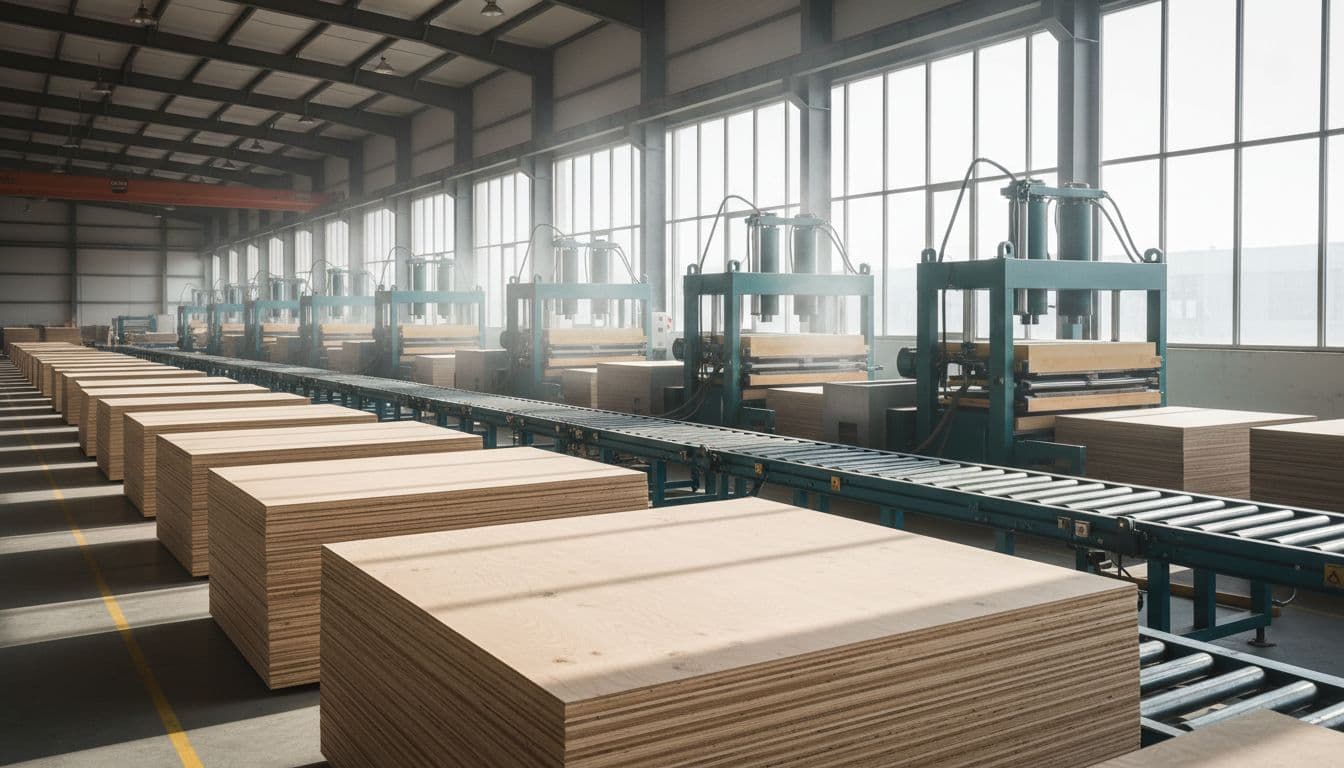
Plywood core still holds a sweet spot in engineered wood. It offers familiar machining, solid stiffness, and better tolerance for normal moisture swings than many dense fiber options. In many cases, Chinese output still lands below comparable European supply, which keeps price-sensitive programs pointed east. At the same time, the newest flooring products are moving upmarket. Thicker veneers, wider planks, and longer boards all ask more from the core below.
A stable supply lane means little if the panel arrives too wet, too light, or poorly bonded.
Recent launches show suppliers are still investing. For example, Parador’s new Sensus engineered hardwood line points to ongoing demand for better visuals and construction. That fits current flooring trends, especially richer color depth, wider planks, and more premium texture work.
Material scrutiny is also rising. Late in 2025, Shaw shared a new PFAS test method for manufacturing inputs. That isn’t only about wood, but it signals a wider shift. Retailers want cleaner paperwork. Distributors want fewer surprises. Mills want better claim protection. Even on the jobsite, many of the same habits behind wood moisture content checks to prevent flooring issues still apply. Moisture balance matters after delivery, not just before pressing.
Smaller homes also shape the mix. With median home sizes edging down, engineered wood keeps its appeal because it delivers real-wood value without the cost jump of solid. That’s why hardwood plywood supply remains such a close watch. When a core source changes, the effect can show up in machining, stability, freight cost, and claim rates all at once.
What annual flooring shows are signaling for buyers
Spring events often work like a weather vane. By the time annual flooring shows open, suppliers reveal how bold they feel. In 2026, wood exhibitors are still spending on displays, launches, and sample boards. That’s a better signal than rumor chains and hallway talk.
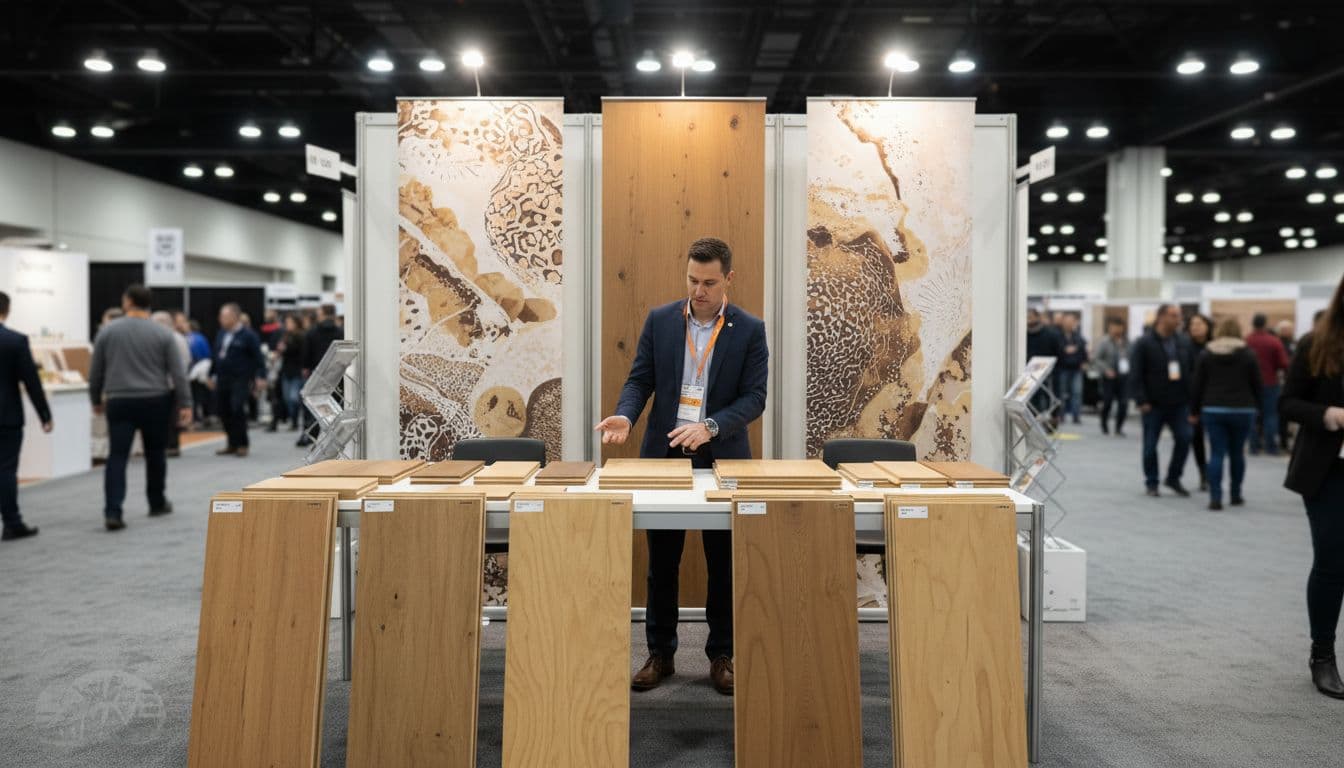
The official NWFA Expo 2026 information shows the wood-focused event returns to Orlando in April. For buyers, these annual flooring shows matter because screens flatten everything. In person, you can compare face grades, plank widths, locking profiles, and the feel of a plywood-backed board in minutes. That is where the newest flooring trends and products turn from hype into purchase orders.
Regional buyer markets still matter, too. Dealers want to see, touch, and feel a line before they commit. That’s even more true when lead times and substitution rules can change by mill. A sample board may look perfect under lights, but a live talk with the rep can reveal whether a line uses birch, eucalyptus, mixed hardwood layers, or a back-up panel when supply tightens. That hands-on check still beats a glossy photo, especially when finish samples hide clues about board balance and edge quality.
This is why flooring industry news and newest flooring products should be read together. Product launches show where demand is heading. Supply notes show whether the mill can keep up. Buyers chasing the newest flooring products should ask a few plain questions before writing a large order: where the core is made, what species mix is used, how moisture is controlled, what lead-time range is realistic, and what substitutions are allowed.
If your team treats shows as trend tours only, you’re missing half the value. The smartest buyers use them as live audits of supply, claims risk, and margin protection.
Engineered hardwood in 2026 doesn’t come with a simple shortage story. It comes with a watch list: input swings, import timing, factory discipline, and show-floor proof. Teams that track those signals can protect margin and avoid weak substitutions. The face sells the floor, but the core still decides whether the program works.