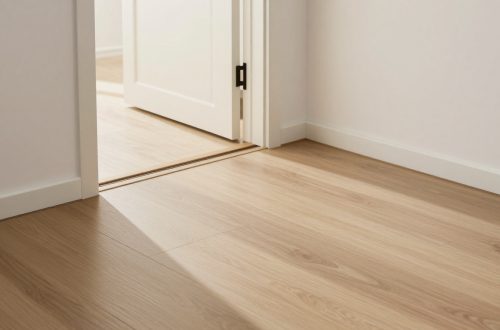
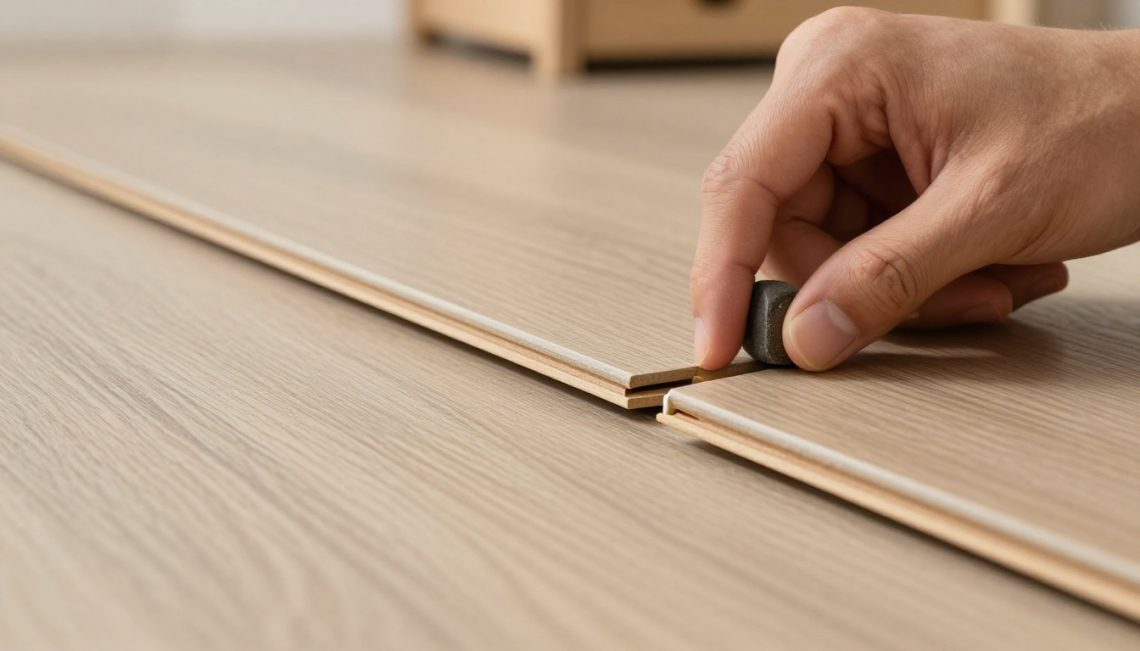
Click lock flooring can look the same from six feet away, then fail at row three. That’s the reality many crews are seeing as LVP lock profile designs keep evolving in 2026.
The good news is that newer profiles in high-end Luxury Vinyl Plank and waterproof vinyl flooring categories can install faster and feel tighter underfoot. The risk is that small edge profile tweaks, tighter tolerances, and bigger plank formats leave less room for “installer finesse.” For flooring stores, flooring companies, and teams inside flooring manufacturing factories, the goal is the same: fewer gaps, fewer broken tongues, and fewer warranty fights.
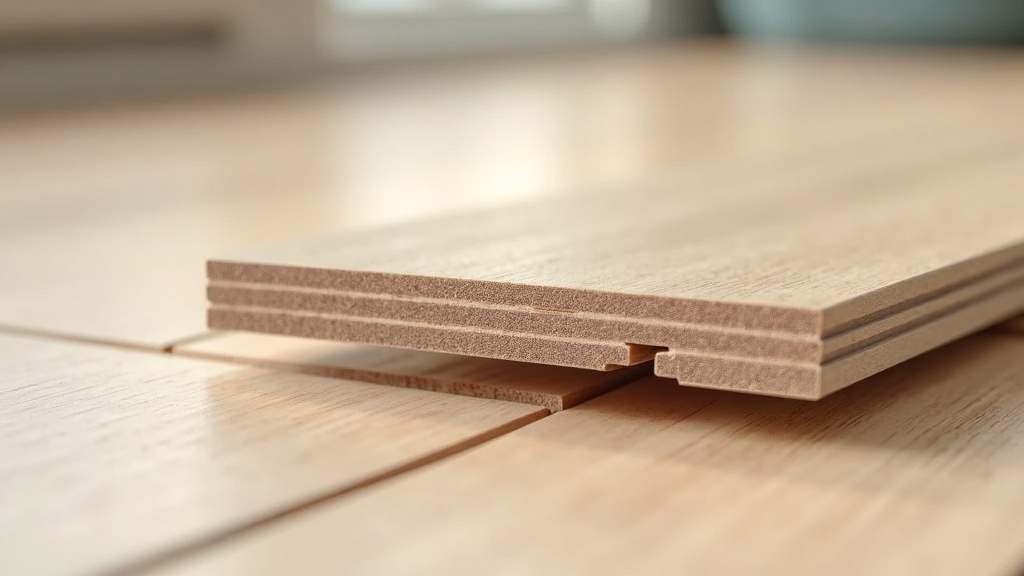
What’s changing in 2026 Luxury Vinyl Plank lock profiles (and what’s driving it)
Most 2026 updates aren’t loud marketing claims. They show up as subtle revisions to the nose shape, locking tab thickness, or end-joint geometry. Those changes often ride alongside bigger visual trends, like wider boards, longer lengths, and more matte, natural looks tied to the newest flooring trends and products consumers ask for, including wood-look designs and the introduction of the micro-bevel on newer planks.
Across annual flooring shows, manufacturers keep talking about faster installs and tighter joints, because labor is still hard to find and callbacks are expensive. A good example of the show cycle influence is how brands time locking system refreshes around regional markets, as covered in Shaw’s 2026 product rollout at SWFM.
At a practical level, many click systems still fall into a few families. While these resemble traditional tongue and groove joints, they are far more complex:
- Angle-angle: Strong when installed correctly, but sensitive to subfloor flatness and technique.
- Fold-down (angle-drop): Often faster on long runs, but end joints can break if forced.
- Drop-lock / “5G-style” end joints: Designed for quick end engagement, but milling has to be consistent.
- Hybrid profiles: Mix behaviors (and sometimes confusion) when crews expect last year’s feel.
Locking technology suppliers have been pushing for better performance and easier assembly for years, and the broader direction is well summarized in Floor Covering Weekly’s feature on locking improvements. In 2026, that pressure collides with aesthetics. Longer, wider planks in rigid core flooring can look great, yet they also amplify tiny subfloor humps and valleys, which puts more stress on the lock. Luxury Vinyl Tile is another format experiencing these profile evolutions.
That’s why “it clicked” isn’t a final check anymore. It’s just the start.
The install risks that rise when a lock profile changes
When a Luxury Vinyl Plank lock profile gets revised, the biggest failures rarely come from one dramatic mistake. They come from small mismatches that stack up. A plank installs fine, then the next carton fights you, then the end joints start chipping, then the floor grows micro-gaps two weeks later.
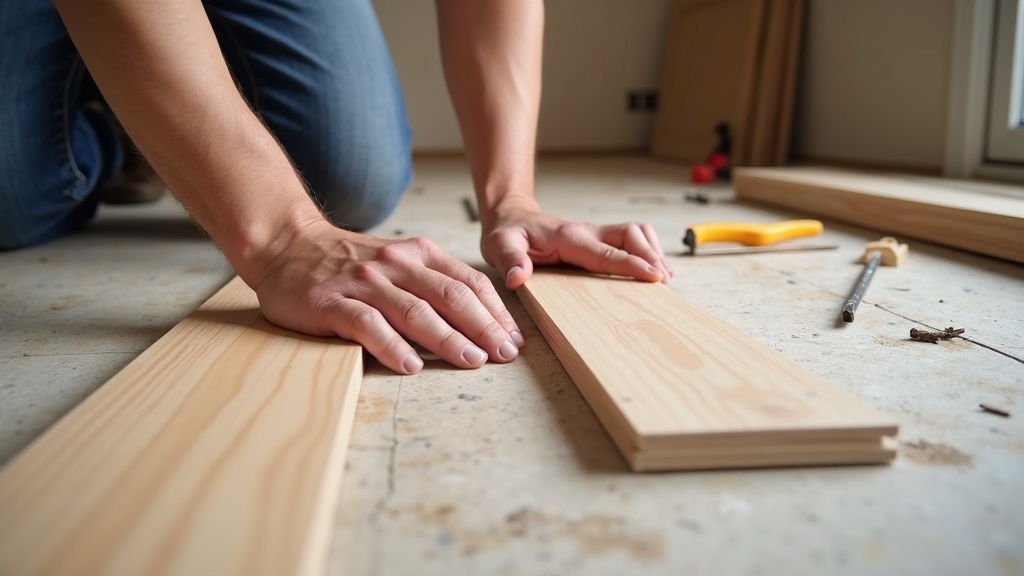
Here are the patterns showing up most often in 2026 claims and callbacks, especially on rigid-core products:
A common trigger is mixing lots or “near-match” SKUs. Retailers may stock two runs that look identical on the rack. Meanwhile, the factory may have shifted tooling, bevel depth, end-joint latch, or wear layer thickness. If installers blend cartons across batches, the lock can feel unpredictable, especially if wear layer thicknesses vary. One side seats, the other side shaves.
Next comes over-tapping. Newer systems often need less force, not more. Crews used to “persuading” older profiles can crush the receiving lip, blow out the end joint, or create a hairline that later turns into an open seam.
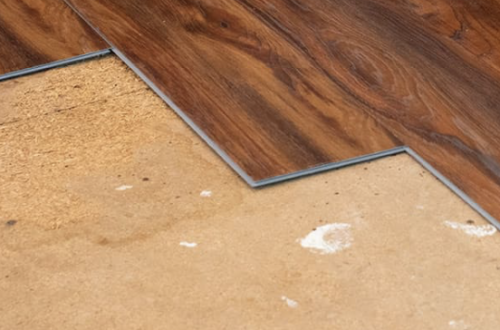
Subfloor preparation also matters more when tolerances tighten. A profile that locks beautifully on a dead-flat test table can chatter on a real concrete subfloor. If the floor flexes, the joint pumps. Over time, that movement can sound like clicks, or show as edge lift.
Note that an enhanced bevel hides joint stress better than a square edge profile. Set context for the quick scan below, these are field symptoms paired with likely causes and the best prevention moves.
| What you see on site | Common cause with updated profiles | What prevents it |
|---|---|---|
| End joints won’t fully seat | Wrong engagement motion for that profile | Follow the brand’s install sequence, use a pull bar with finesse, don’t “wing it” |
| Tongue chips during tapping | Too much force, wrong tapping block location | Tap on the correct edge with a rubber mallet, reduce impact force, replace worn blocks |
| Random micro-gaps after install | Subfloor deflection, mixed lots, or doubled underlayment | Verify flatness, keep lots consistent, follow underlayment rules, maintain expansion space |
| “Peaking” at short seams | Hump under joint, or end latch not seated | Pre-fill low areas, re-check end clicks before moving on |
| Joint feels tight, then releases | Debris in groove, or damaged locking tab | Vacuum often, reject damaged planks early |
If the lock is “almost” seating, stop and diagnose. Forcing a new profile usually turns a small problem into scrap and a delay.
Finally, remember how quickly a lock issue becomes a warranty issue. Many warranty denials point back to process, not product. If you want a clean reminder of what manufacturers commonly reject, keep this internal reference handy: LVP warranty install mistakes to avoid.
How to reduce click-lock failures in 2026 (retail, installer, and factory tactics)
The best prevention plan is simple: treat lock changes like you’d treat a new adhesive or a new finish system. Always follow the installation instructions and allow for the proper acclimation period. You wouldn’t swap chemistry mid-job without a spec check, so don’t assume a 2026 click system behaves like the 2024 version.
For retailers and reps, tighten the handoff. Add a one-page “lock behavior” note to quotes and job packets. Include the engagement motion, the required expansion space, the need for a moisture barrier, and whether an attached underlayment pad means “no added cushion.” If you need a broad explainer customers can understand without technical overload, this click-lock vinyl guide helps set expectations. It also supports sales conversations around newest flooring products marketed as DIY friendly without promising “DIY-proof” outcomes.
For installers, two habits cut risk fast. First, verify moisture and flatness with proper subfloor preparation before the first plank, because locks don’t forgive movement, especially on a concrete subfloor. Second, document the lot numbers and carton labels you used. That paper trail matters when flooring industry news cycles spark customer questions about performance and testing, and when flooring news headlines make buyers more skeptical of blanket claims. For moisture discipline in click together vinyl during floating floor installation, this internal walkthrough on subfloor preparation stays practical: subfloor moisture testing for LVP.
On the manufacturing side, lock profile changes demand more than a new cutter set. Better outcomes usually come from boring, repeatable controls: tighter go/no-go gauges, clearer carton labeling when profiles change, and sampling that stresses end joints, not only long seams, but also compatibility with radiant heat systems. That’s also where show feedback helps. The questions asked at annual flooring shows tend to predict next season’s callbacks.
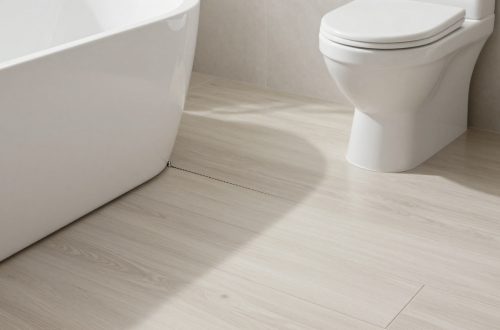
One last point: wet areas still expose weak joints first. When crews push rigid-core into baths, seam tightness and perimeter detailing matter as much as the plank surface. Pair lock-profile training with wet-room detailing, using: click-lock LVP bathroom waterproofing guide.
A stronger lock doesn’t fix a moving subfloor. It just fails in a cleaner, faster way.
Conclusion
2026 updates to the LVP lock profile can improve speed and joint strength in Luxury Vinyl Plank and click lock flooring, but they also raise the cost of small mistakes. Long-term performance, including the integrity of the wear layer and waterproof vinyl flooring, depends on a reliable locking system. Reduce risk by avoiding mixed lots, dialing back tapping force, enforcing flatness and moisture checks, aligning store packets with the exact profile behavior, and using expansion gap spacers plus transition pieces for successful Luxury Vinyl Tile projects to ensure proper expansion space. When retailers, installers, and flooring manufacturing factories treat lock changes as a real product change, not a minor revision, the work stays tighter, quieter, and far easier to stand behind with a warranty.