 SW-01 · Industry News & Supply
If thinset runs short, large-format tile installation crews don’t “slow down.” They stop. Every stalled shower wall, lobby floor, or slab-on-grade great room costs money fast.
As of March 2026, the thinset mortar supply picture looks stable for most U.S. crews. The bigger story is cost pressure and product selection, especially for large and heavy tile (LHT) installs that need specific performance.
This outlook breaks down what’s driving demand, what’s most likely to tighten supply or pricing, and how crews (plus retailers and manufacturers) can plan around it while staying aligned with the newest flooring trends and products.
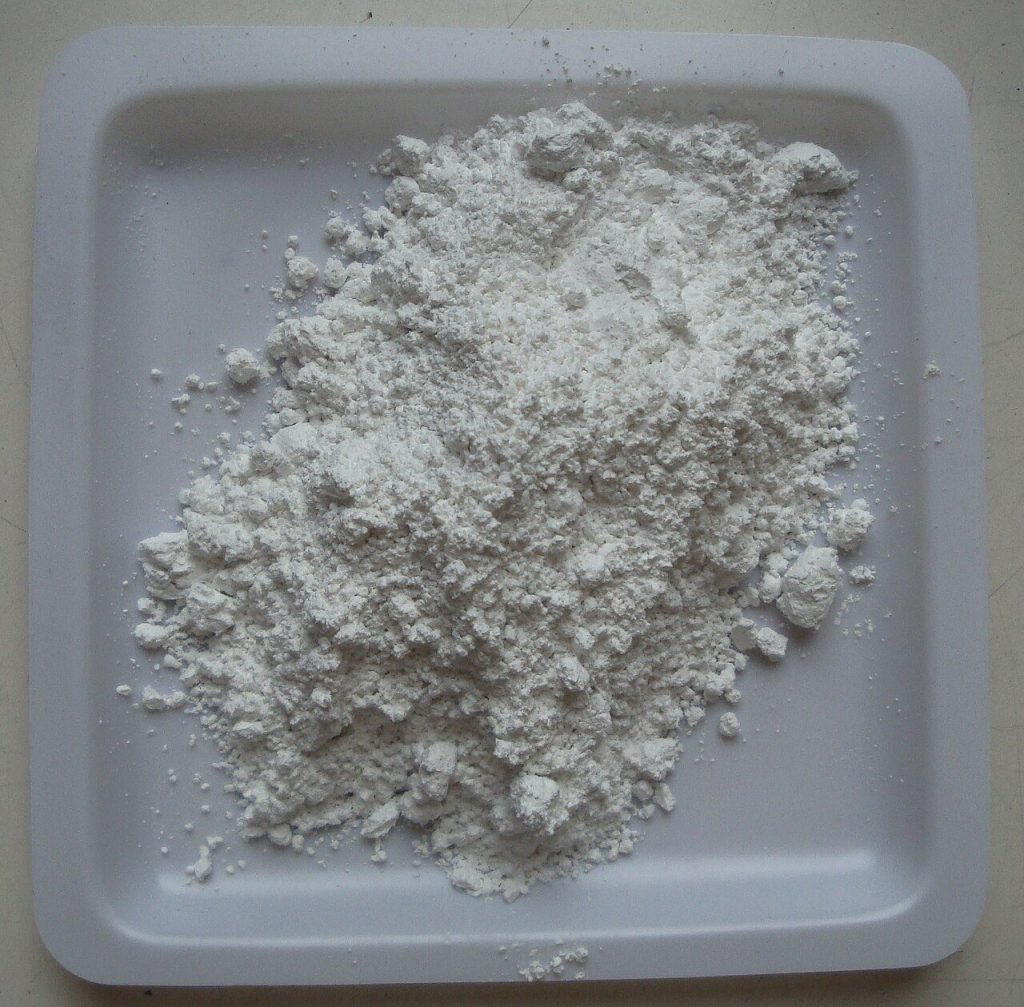

Why large-format tile demand stays steady in 2026 (and what it means for thinset)
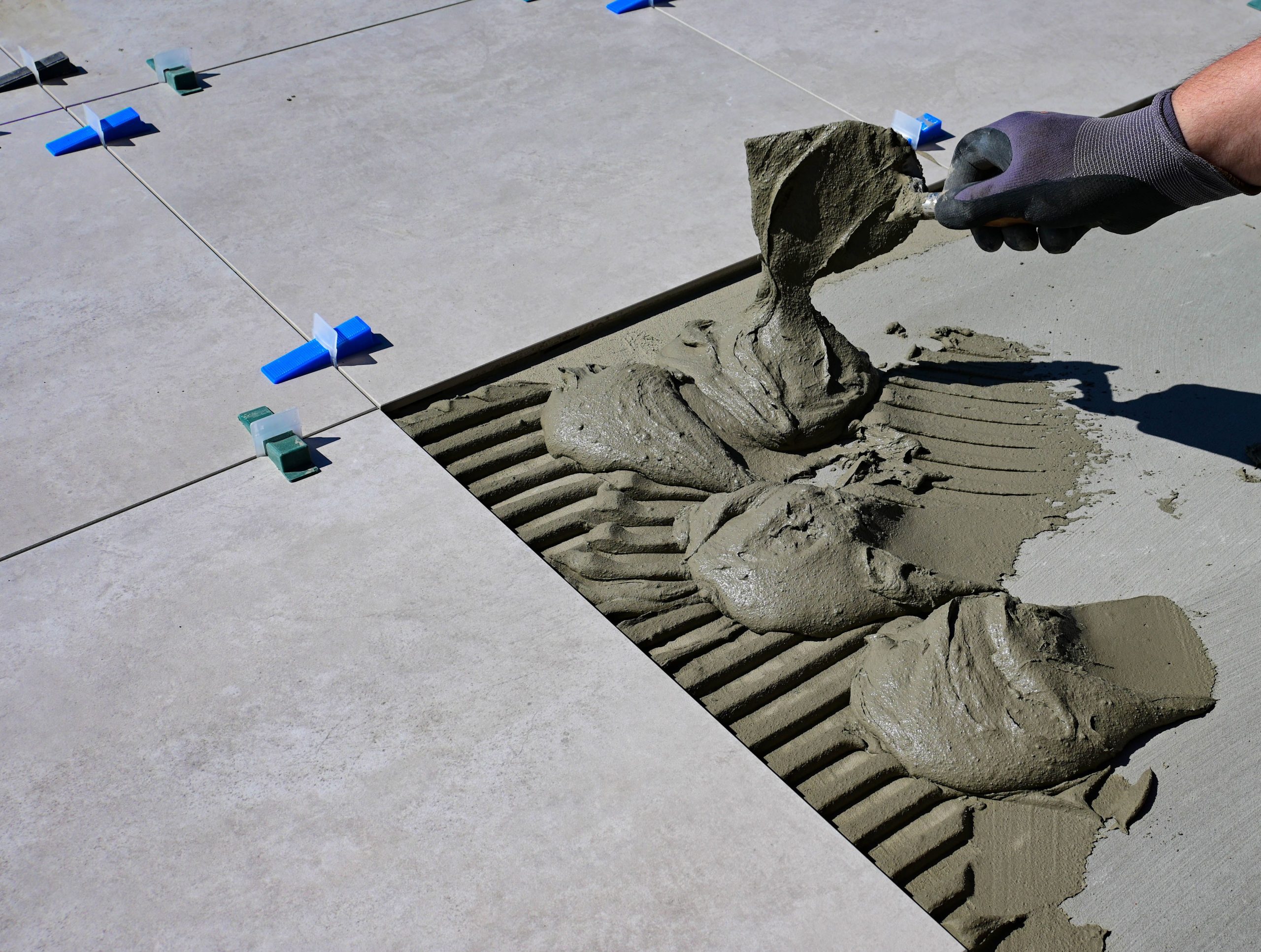
Photo by Vladimir Srajber
Large-format tile has a simple advantage: it looks like money on the floor and on the wall. Fewer grout joints read cleaner, and designers keep pushing bigger panels in outdoor and wet locations, including glass tile trends that drive the use of specialized mortars. At the same time, tile’s 2026 category outlook, including installation materials, points to mild growth, not a boom. That matters because “steady” demand usually supports predictable ordering and production, which helps thinset stay available.
A second demand driver is remodeling. Many homeowners still hesitate to sell because their current mortgage rate is hard to give up, so they upgrade kitchens and baths instead. Even with uneven housing conditions, existing-home sales have shown periodic lift, and that turnover keeps repair and refresh work moving through distribution.
Trade events reinforce the direction. Coverage from Surfaces 2026 highlights how tile realism and retail-first merchandising continue to shape what customers ask for, including larger visuals and cleaner grout lines (Surfaces ’26 tile category recap). Meanwhile, the year’s early annual flooring shows set ordering patterns for dealers and contractors. TISE 2026, held in late January, emphasized new materials and systems across flooring categories, which influences what gets stocked and promoted next (TISE 2026 show coverage).
Here’s the practical takeaway for large-format crews: tile demand may not spike, but it won’t disappear. That supports stable throughput for the mortars you rely on, as long as you spec the right products and don’t wait until the last minute to buy them. It also helps to watch flooring news closely, because adjacent categories (laminate, wood, resilient) keep improving their visuals and performance, which can shift what gets quoted and when.
March 2026 thinset mortar supply outlook: stable availability, rising input costs
Current market indicators point to no major shortages for thinset and related dry-mix mortars in March 2026. Industry trackers describe continued growth in technical mortars year over year, and North American dry-mix mortar volumes are also projected to rise from 2025 to 2026. In plain terms, that usually means plants are running and distribution lanes are active.
Still, “available” doesn’t always mean “priced the same.” Cost risk is tied to inputs: portland cement, dry powder components, adhesive polymer modifiers, specialty additives, and even paper bags and pallets. Tariffs and trade friction remain a common explanation for why polymer-modified products can jump in price faster than crews expect, even when shelves look full.
Use this table to map the most common friction points to jobsite actions:
| Supply pressure point | What crews may see in 2026 | Best field response |
|---|---|---|
| Cement and SCM pricing | Bag costs creep up mid-project | Lock pricing on long runs, ask for a dated quote |
| Polymer and additive costs | Premium LHT mortars jump first | Keep an approved “Plan B” mortar per spec |
| Packaging and pallet swings | Short-term allocation by SKU | Standardize on fewer SKUs across crews |
| Freight and regional demand | Spotty availability at one branch | Build relationships with two distributors |
The pattern is familiar: supply stays mostly steady for industry leaders like Laticrete and Mapei, but certain SKUs get tight when a region heats up, a plant changes runs, or a distributor trims inventory. For large-format tile, the “special” mortars are the ones that hurt most when they vanish for a week.
The job doesn’t fail because mortar is gone everywhere. It fails because your exact mortar is gone at your exact branch when you need it.
That’s why thinset mortar supply planning in 2026 is less about panic buying, and more about SKU discipline, early ordering of pallets of bags, and clear substitution rules tied to performance standards.
How large-format tile crews can protect schedules with smarter purchasing and specs
Large-format work punishes improvisation. One wrong mortar choice can create sag on walls, hollow spots on floors, or ugly lippage that no grout can hide. The safest approach is to treat thinset setting material like you treat waterproofing membranes and shower systems: a system, not a bag.
Start by narrowing your “core” mortars. Many crews run smoother with two or three primary options: a polymer-modified LHT mortar for floors, a non-sag for walls, and a rapid-set for tight turnover. From there, confirm the ANSI performance requirements for each thin set mortar application (for example, when bonding to plywood versus concrete).
Quantity planning also matters more than people admit. Under-ordering forces last-minute substitutions and mixed lots. Over-ordering ties up cash and risks aged product. A simple estimator can help tighten the math before you place the PO, especially when you’re switching trowels or tile sizes (thinset coverage calculator).
Next, write down substitution rules before the job starts. If the specified mortar is out, what’s acceptable without changing warranties or bond performance? Your answer should be approved by the GC, designer, or owner when needed, not decided at the counter on a Friday afternoon.
Training is the other “supply” variable crews forget. A well-stocked trailer still loses time when installers fight open time, slake time, or coverage requirements. If you’re refreshing technique for large panels, outside corners, substrate prep, trowels and floats, and leveling tools, the NTCA’s early-2026 education schedule is a solid option (NTCA January 2026 training schedule).
Finally, keep an eye on what’s happening upstream. Flooring manufacturing factories adjust formulas, packaging, and private-label runs based on raw material costs and retailer demand. Those changes can show up as “same name, different feel” in the bucket. When that happens, test boards and mockups stop being a luxury.
What retailers and manufacturers should watch in 2026 flooring industry news
Thinset sits in the middle of competing forces. Tile design remains popular, yet other surfaces keep stealing attention with better visuals and easier installs. Recent flooring industry news has highlighted optimism in some hard-surface segments and steady moves in others, which affects what dealers stock and what contractors carry.
For retailers, the risk is simple: carrying the wrong mortar mix for the tile you’re selling. As larger formats and heavier pieces stay in rotation, lightweight mortar stands out as a high-demand SKU, and the accessory sale has to match. That includes not only thinset (which outperforms mastic for demanding professional crews), but also patch, primer, underlayment, sand and cement for substrate preparation, and moisture systems, because failures usually start at the substrate. If you’re tracking adjacent product categories, Floor Talks’ coverage on moisture control systems is a useful companion read for wet-area planning (kitchen and bath LVP underlayment trends for 2026).
For manufacturers and distributors, the question is timing. The industry’s show calendar shapes buying behavior, and the post-show months are when contractors try to get the “newest flooring products” installed before the busy season. One current example is a February perspective on how the industry shifts from Las Vegas events to regional construction activity as the year settles in (February 2026 construction outlook).
If you only watch one thing, watch spec alignment. When new tile lines launch at shows and hit the floor, thinset choices need to be merchandised and trained the same way, including manufacturer recommendations for jobsite safety like safety glasses. That’s where flooring trends turn into fewer callbacks.
Conclusion
For March 2026, thinset mortar supply looks dependable for most large-format tile crews, but pricing and SKU availability can still bite. Crews that standardize mortars along with tile spacers, backerboard preparation, and mud bed mix, pre-approve substitutions, and order early protect schedules best. Retailers that pair tile sales with the right installation system reduce returns and complaints. Keep an eye on specialty niches like epoxy adhesive for mosaic art, which will also demand careful material planning in 2026. As you track flooring news and the newest flooring trends and products, ask one blunt question: are your mortars keeping pace with the tile you’re selling and setting?