A click-lock LVP floor can look perfect on day one, then fail in the one place nobody stares at all day, right under the fridge. The next time the homeowner rolls it out to clean, the “zipper” pops, edges chip, and you’re left explaining why a floating floor didn’t float.
For flooring pros, click-lock LVP appliances problems are rarely about the wear layer. They’re about joints, load, and movement that wasn’t planned for. This guide breaks down what actually crushes click systems under refrigerators, ranges, and other heavy gear, and what to do in the field to prevent it.
Why click-lock joints fail under refrigerators and ranges
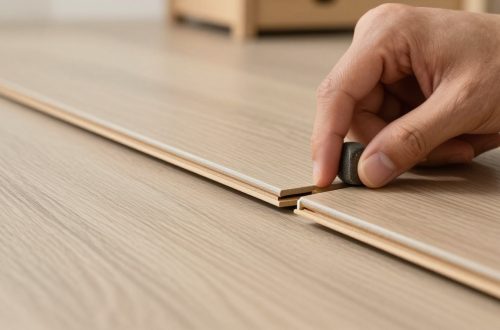
Click-lock LVP joints are strong when the load stays flat and the floor can move as designed. Heavy appliances change both conditions. Think of a click joint like a plastic-and-wood zipper. It holds tight when it’s aligned, but if you twist it while pulling, the teeth deform.
There are three load types that create most crushed joints:
Static weight that “pins” the floor. A fridge or range can act like a clamp on a floating assembly. If the floor is pinned and then tries to expand and contract with temperature swings, stress concentrates at the nearest end joints. That’s when you see peaked edges, broken tongues, or gaps that won’t close.
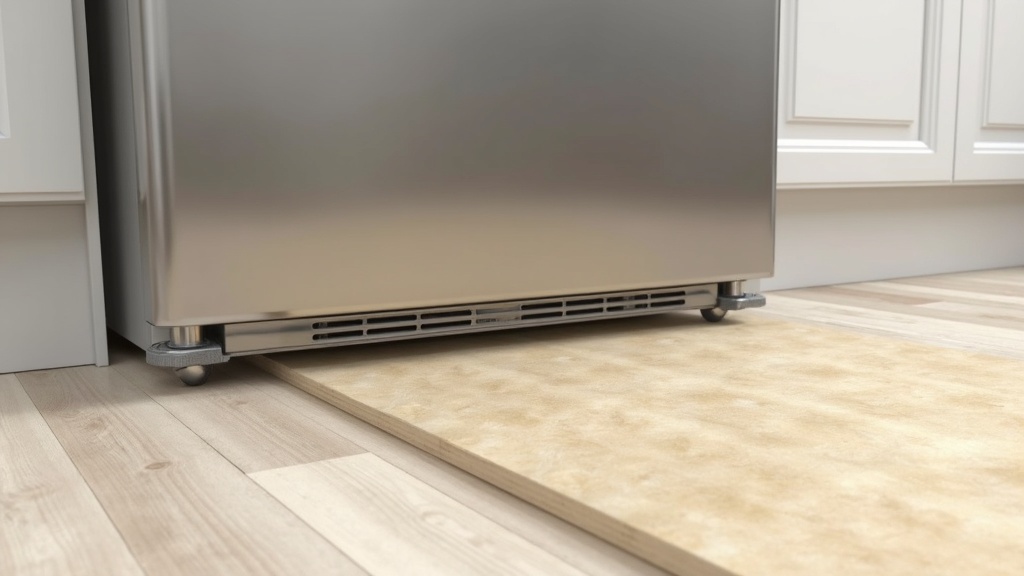
Rolling load from small wheels. Many refrigerator rollers have a small contact patch. That concentrates force like a stiletto heel, especially when it crosses a plank seam at an angle. The damage often looks like a crushed edge lip, then a joint that won’t re-lock.
Point loads from leveling legs. Ranges and some fridges rest on feet that can dig into softer underlayment, creating a tiny “dish” in the plank. Once the plank deflects, the click profile takes the abuse.
Subfloor flatness makes all of this worse. A slight dip can turn a normal appliance load into a hinge point. Then the joint becomes the stress riser, not the plank body.
It’s also why boxed instructions can feel strict about appliances. If you’ve ever had a customer ask whether it’s safe to run LVP everywhere, including under the fridge, you’ve seen the confusion firsthand. The trade debate shows up even in homeowner circles, like this discussion on installing vinyl plank under appliances. The takeaway for pros is simple: the floor may survive the weight, but it may not survive the movement.
Installation choices that prevent crushed joints (before the appliance arrives)
Most crushed-joint failures are set up during layout and prep, not during the appliance move. The goal is to keep the floor supported, keep the assembly free to move, and keep rolling loads from attacking the weakest geometry.
Start with “boring” prep: flat, firm, and not spongy
A click system needs support. If the substrate is soft or wavy, heavy appliances turn that softness into joint shear.
If you’re in a market where thick attached pads are popular, be careful. Extra cushion can feel great underfoot, but under a rolling refrigerator it can act like a trampoline. When the wheel climbs the seam, the plank edges compress, then rebound, and the locking profile takes the hit.
Use the manufacturer’s limits for flatness and approved underlayments. When you’re selecting product for kitchens, ask for published rolling-load and indentation performance, not just wear-layer talk.
Layout so the seam isn’t the “wheel track”
You can’t always avoid seams under an appliance footprint, but you can avoid putting the seam where the rollers travel. If the fridge rolls straight out, try to avoid a short-end joint right at that path. A long, continuous plank run under the front edge tends to handle movement better than multiple end joints lined up like perforations.
Also avoid narrow rip cuts where the appliance will sit. A thin strip has less mass, flexes more, and transfers force into the click.
Protect the floor’s ability to move
Floating floors need expansion space. When an appliance, trim detail, or island base pins the floor, stress shifts into joints.
Two practical habits reduce callbacks:
- Leave clean, consistent expansion at all fixed verticals, then cover it properly with trim that doesn’t trap the floor.
- Treat “semi-fixed” items (like a heavy freestanding range that rarely moves) as a risk point. If the product instructions require isolation or a different approach near certain appliances, follow that guidance, even if it means a cleaner transition plan.
Moving fridges and ranges without damaging click-lock LVP
The install can be perfect, then one service call ruins it. Appliance movement is where joints get crushed fast, because the force is dynamic, angled, and often done in a hurry.
The safest approach is to spread the load and control the direction of travel. A good mover’s method aligns with what pros already know: never let small wheels grind directly on a floating joint line. This guide on protecting vinyl flooring when moving appliances reinforces the same core idea: use barriers, sliders, and lifting methods instead of dragging.
A simple field routine that works well with click-lock LVP:
- Place a rigid runway (thin plywood or hardboard) that extends beyond the appliance’s full travel path.
- Use an appliance dolly or sliders that keep the load stable and reduce twisting.
- Keep the move straight. Side loads are what rip locking profiles.
- Set the appliance down gently, then re-check leveling legs so they don’t become point punches.
If a customer insists on “just rolling it out,” educate them with a visual. Tell them the joint is a mechanical lock, not glue. Rolling a 300-pound fridge over a seam is like rolling a loaded cart over the edge of a stair tread.
What this means for product teams, retailers, and claims
As 2026 starts, a lot of flooring industry news is focused on performance, testing, and installation education, not just colors. Flooring manufacturing factories are putting more effort into tighter quality control and material screening, and trade groups are expanding installer training schedules early in the year. That matters because appliance-related joint damage sits right at the line between product capability and jobsite handling.
For teams tracking newest flooring trends and products, watch how brands talk about rolling-load resistance, core stiffness, and approved underlayment stacks. Those details are becoming part of the selling story, alongside visuals.
Annual flooring shows are also where these conversations get real, because you can ask direct questions and compare specs across lines. If you’re planning your calendar, TISE 2026 event coverage is a solid starting point for what’s being emphasized this year.
For day-to-day flooring news and newest flooring products announcements, keep an eye on recap-style industry roundups like The Great Reveal 2026, and broader homeowner-facing flooring trends reports such as Floor & Decor’s 2026 design trends forecast. Even when a trends piece is design-led, it often signals what categories will sell hard, and where appliance-related complaints may follow.
If you need a clean visual for training decks or a blog post header, browse free-use options in stock libraries before pulling random web images. A starting point is vinyl plank photo searches, then filter for free assets and follow license terms.
Conclusion: treat appliance zones like high-traffic joints, not dead space
Heavy appliances don’t just sit there. They roll, shift, and concentrate force, and that’s why click systems fail in kitchens. Flat substrates, smart seam placement, and controlled appliance moves prevent most crushed joints, and protect your margin on callbacks.
If your teams are watching flooring trends and planning assortments for 2026, push for clear rolling-load guidance and real-world install education, not just new visuals. The best installs are the ones where click-lock joints never become the story.
Keep reading
More in Uncategorized: Installing click-lock LVP around a kitchen island, where to stop, where to float, and how to avoid pinning the floor, Heat-Welded Sheet Vinyl Mistakes That Open Up Later, Fix common subfloor issues before tile installs to avoid callbacks..