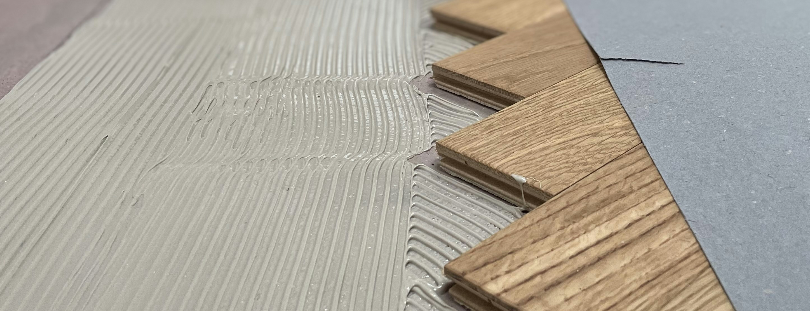
If white oak supply is still the safest bet in wood, why does it still feel tight? That tension defines 2026 for mills, distributors, retailers, and specifiers.
Demand is still there, especially for the warm, natural wood variations consumers seek in 2026. Yet availability of white oak planks shifts by width, grade, and format, so one buyer sees steady flow while another gets longer lead times and higher quotes.
Here’s the clearer picture, and why solid and engineered white oak are starting to move on different tracks.
Why white oak supply still feels uneven in 2026
White oak remains one of the most requested wood visuals in the market. That part hasn’t changed. What has changed is the ease of getting the right material, in the right grade, at the right time.
Recent industry updates point to the same pattern. Demand opened 2026 on solid footing, but higher prices cooled some orders. In many regions, the tightest spots are still common flooring sizes, especially 3 1/4-inch to 5-inch material. The Southeast stays active, so buyers in markets like Atlanta still feel more pressure than others for white oak lumber.
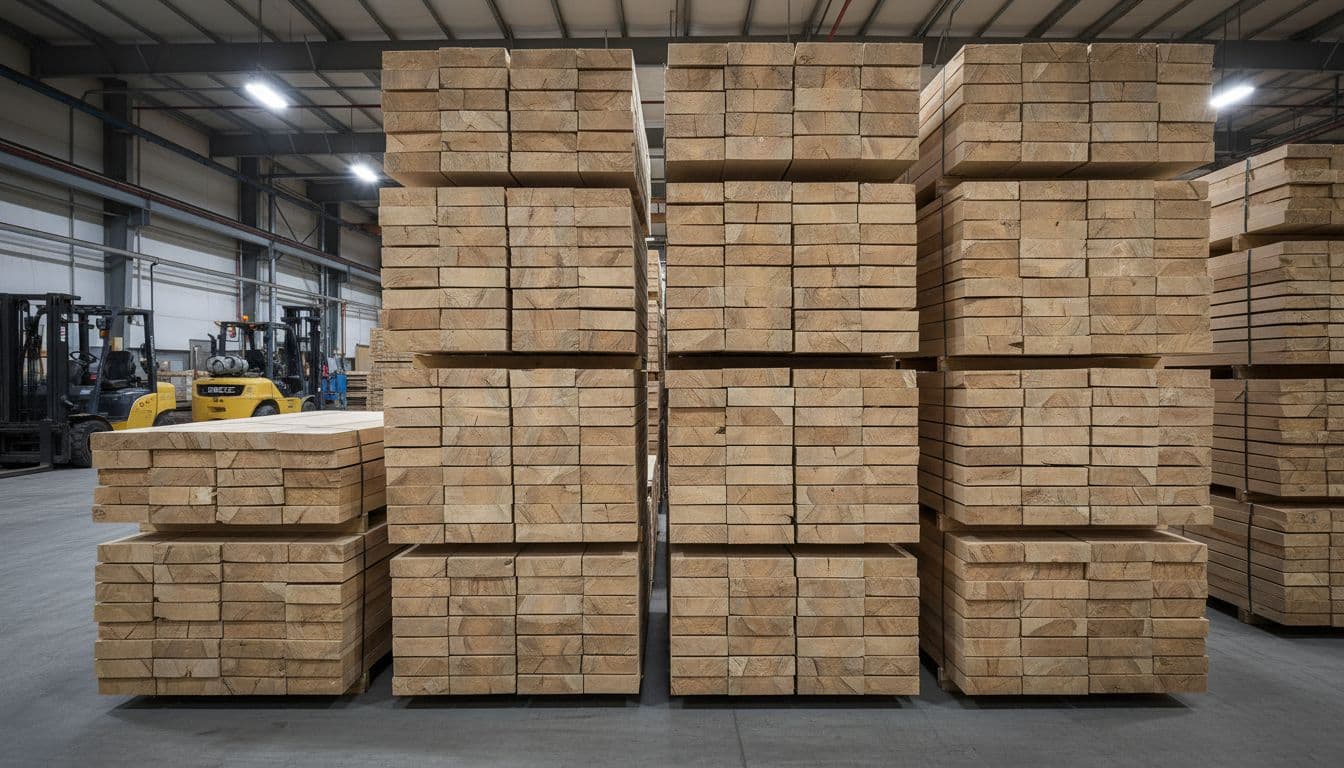
Inside flooring manufacturing factories, supply looks better than it did during the worst shortages. Still, fill rates can vary sharply by width and by grade mix, especially when meeting high-quality standards. Past logging slowdowns are still part of the story. So is outside demand, including barrel stock, which keeps competing for white oak.
Some domestic mills are catching up with kiln-dried white oak. Tennessee and Missouri remain important production points for white oak lumber flow. That said, “available” and “available with consistency” are not the same thing.
White oak isn’t absent from the market. Consistent grade, width, white oak grain, and timing are what stay hard to line up.
Broader hardwood supply sentiment has improved for 2026, even with housing friction. The latest NWFA industry outlook showed more wood flooring businesses expecting stronger sales this year. Yet high borrowing costs and slower home turnover still cap how fast hardwood can recover.
That matters because buyers are balancing two forces at once. Consumers still want white oak. Dealers and manufacturers still have to watch cash, turns, and replacement speed.
Solid vs. engineered hardwood, where supply pressure shows up first
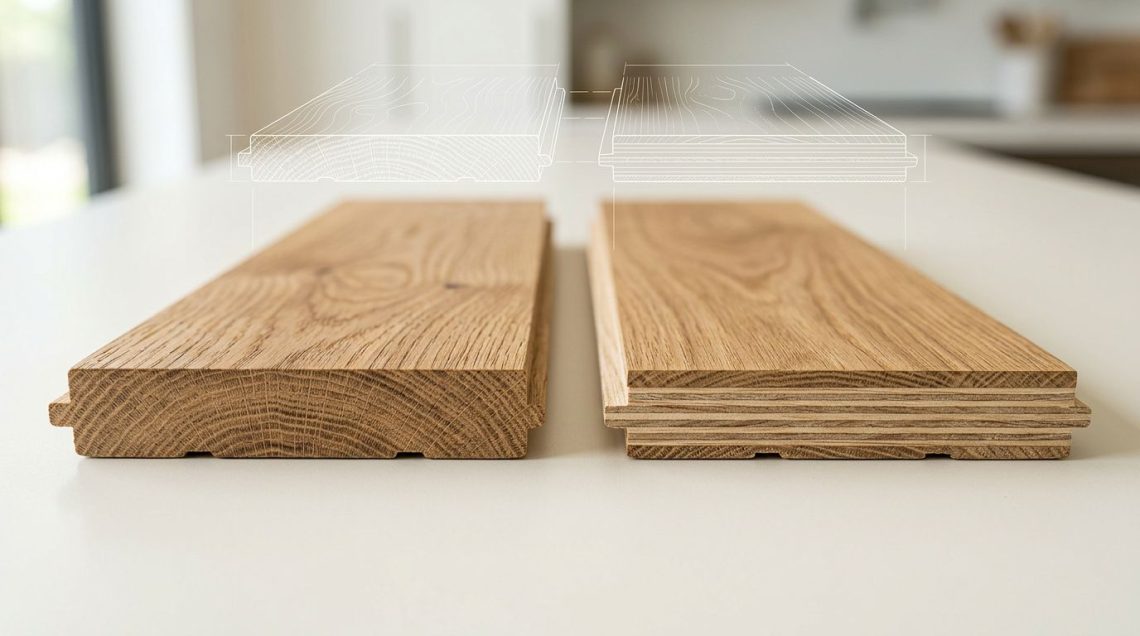
Solid white oak boards and engineered white oak are not facing the same pressure. They share the same design momentum, but the supply math is different.
Solid products depend more directly on domestic lumber flow, drying capacity, and grade sorting. If you need clean visuals from select white oak, fixed milled dimensions, or dimensional boards with longer average lengths, lead times can stretch faster. That’s especially true when buyers all chase the same looks at once.
Engineered white oak gives suppliers more room to work. Many collections now use durable white oak from Appalachian or European sources with veneers often 2 mm or thicker wear layers. Widths from 6 1/2 inches to over 10 inches remain common, along with longer random lengths and smooth finishes. That flexibility helps brands keep programs alive even when solid white oak boards get tighter. These materials are also popular for various woodworking projects.
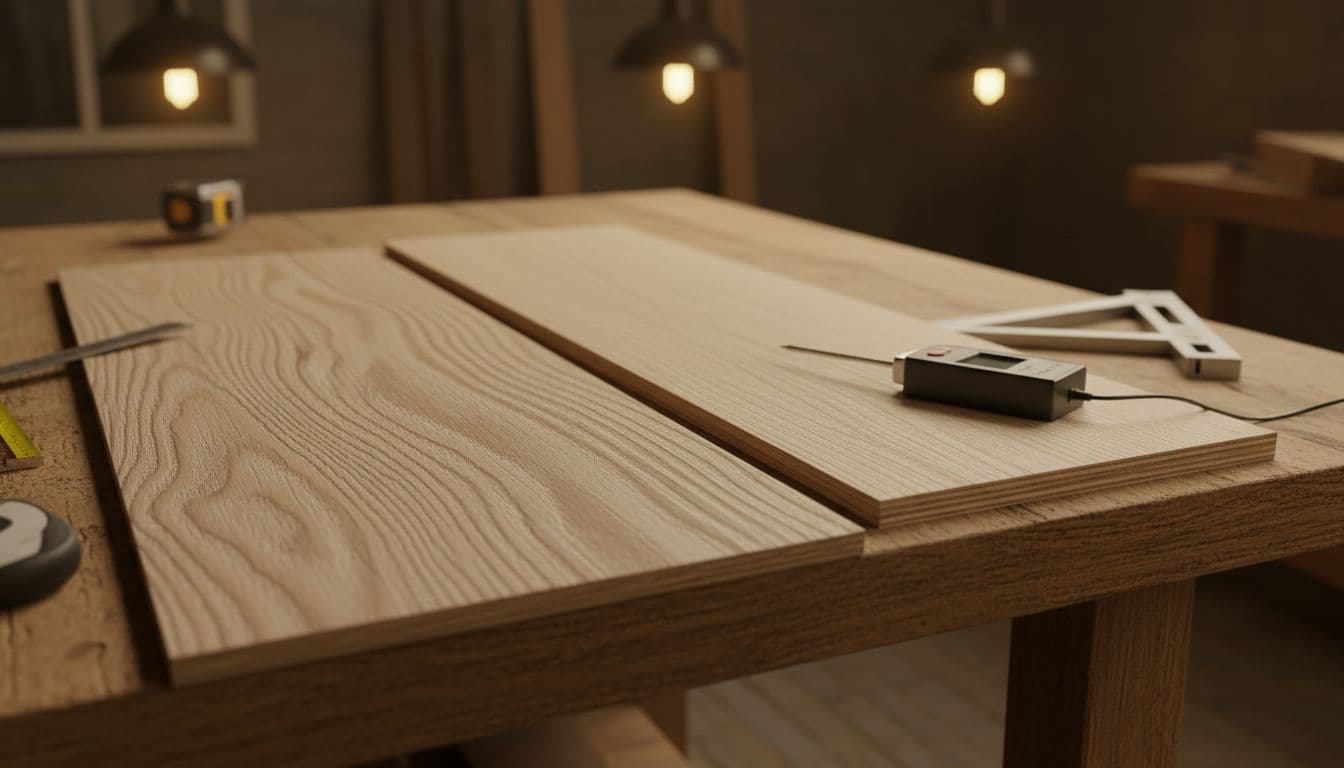
Still, engineered isn’t immune. Veneer quality, core sourcing, and freight can create their own bottlenecks. A line may look safe on paper, then tighten when one input slips.
For retailers, the biggest mistake is treating both categories as one pool. They aren’t. Solid is often more exposed to raw lumber swings. Engineered is often more exposed to component coordination.
Design adds another layer. White oak still fits today’s strongest flooring trends because its grain is calm and its color range is flexible. It works in light naturals, mid-tone browns, matte finishes, and wirebrushed textures. That lines up with the broader 2026 warm wood tone flooring trends already reshaping showroom walls.
Showrooms tracking the newest flooring trends and products saw the same shift this winter. Many of the newest flooring products still leaned on white oak visuals, especially in wider, lower-sheen formats.
What flooring news and annual flooring shows are signaling
Recent flooring news says a lot without saying it outright. White oak boards remain a headline species because they still bridge style and sell-through better than most domestic woods.
That message came through at Surfaces. Coverage of latest wood intros at Surfaces ’26 showed suppliers pushing bold wood launches, wider white oak boards, and fresh visuals. Another clear takeaway was simple: brands are still investing in wood, even while they stay cautious on volume.

That’s why annual flooring shows still matter. You can compare a spec sheet online, but you can’t judge grain, stain balance, and board character through a screen. Regional markets continue to draw serious buyers for the same reason, even as some organizers pause weaker events and concentrate on stronger ones.
Broader flooring industry news also points to more training and more scrutiny around materials. That affects hardwood, too. Buyers now ask harder questions about sourcing, finish systems like Rubio Monocoat with its food-safe finish, and replacement windows. A white oak program with fast sampling but weak replenishment won’t hold up for long.
For manufacturers and stores, three moves stand out:
- Watch grade consistency: Insist on hand-inspected lots that meet high-quality standards, since today’s sample may not match next quarter’s shipment.
- Separate solid from engineered forecasts: They react to different supply triggers.
- Use show season well: Events like NWFA Expo 2026 help teams compare sourcing stories, not only colors and display racks. Look for dressed 4 sides options, board variations with a smooth finish, and local wood pick-up to verify quality firsthand.
White oak still wins because it feels familiar without looking tired. That makes it strong, but it also keeps pressure on the pipeline.
White oak isn’t disappearing in 2026. The real issue is consistency, not survival. Buyers who track species, format, and source separately will make better calls than those chasing one simple market read.
If your team sells or sources hardwood, now is the time to tighten forecasts, ask tougher supply questions, and treat white oak like the high-demand program it is.
White Oak’s Appeal Extends to Woodworking
Beyond flooring, white oak boards serve as prized woodworking materials for professional craftsmen and DIY enthusiasts tackling woodworking projects such as furniture building. High-demand species like white oak are frequently requested as custom size white oak or via an order custom size for items like charcuterie boards or cutting boards, often specified dressed 4 sides with board variations, a smooth finish, and hand-inspected to high-quality standards using finishes such as Rubio Monocoat for a food-safe option. Local wood pick-up makes it easy to select the perfect pieces.