 SW-01 · Materials & Supply
A two-component waterborne finish is mixed with a hardener and has a limited pot life; Bona's Traffic HD must be used within 4 hours and cannot be remixed.1 Coverage is specified, not optional: 350-400 square feet per gallon, spread no thinner.1 Cure takes about 3 days, with the floor walkable after 24 hours.1 VOC rules for wood coatings differ from those for adhesives.2
A site-finished wood floor is sanded bare and then coated. For decades that meant oil-modified urethane, with its long dry times and strong solvent smell. Waterborne finishes now do most of that work, particularly on commercial jobs where the building cannot be closed for a week. They behave differently from the solvent finishes crews grew up with, and the data sheet is where those differences are written down.
Two components, one window
The durable waterborne finishes are two-component systems: a finish and a separate hardener, mixed before use. Bona describes its Traffic HD as a two-component waterborne finish, with ingredients listed as water, polymeric resins and amorphous silica.1 Its mixing instructions are specific. Shake the finish, add the hardener, shake the mixture vigorously for 30-45 seconds, insert the supplied filter, then let it sit 5-10 minutes before applying.1
The mixed finish has a limited life. Bona says the mixture must be used within 4 hours, that properties are diminished after that, and that the finish and hardener can be mixed only one time.1 It warns the product cannot be rehardened.1 Mix what the crew can apply, not what is convenient to carry.
Coverage is a specification
Waterborne finishes are often spread too thin, either to stretch material or out of habit from thinner coatings. Bona gives coverage as 350-400 square feet per gallon and tells applicators in capitals not to spread too thin.1 It lists a solid content of 32% with hardener.1 A coat spread at half the specified rate is not the product that was tested, whatever the label says.
Application method matters too. Bona describes pouring a 6˝ wide line of finish along the starting wall, with the grain. A floor coater is then drawn forward at a snowplow angle to keep a wet edge.1 It says not to dilute the product.1
Dry time, recoat and cure
Three different timings matter, and crews often collapse them into one. Bona gives a drying time of 2-3 hours, noting that high humidity or low temperature extends it.1 Its recommended conditions are 65-80˚F and 40-60% relative humidity.1 Curing takes about 3 days, with the finish 80% cured after 1 day and 100% after 3.1
The floor may be walked on after 24 hours, but Bona warns it remains susceptible to scuffing or marring until completely cured. It says not to replace area rugs until the floor has fully cured.1 On a commercial job, that difference decides the schedule. A floor can take foot traffic the next day and still be damaged by rolling furniture or rugs laid too early.
Between coats
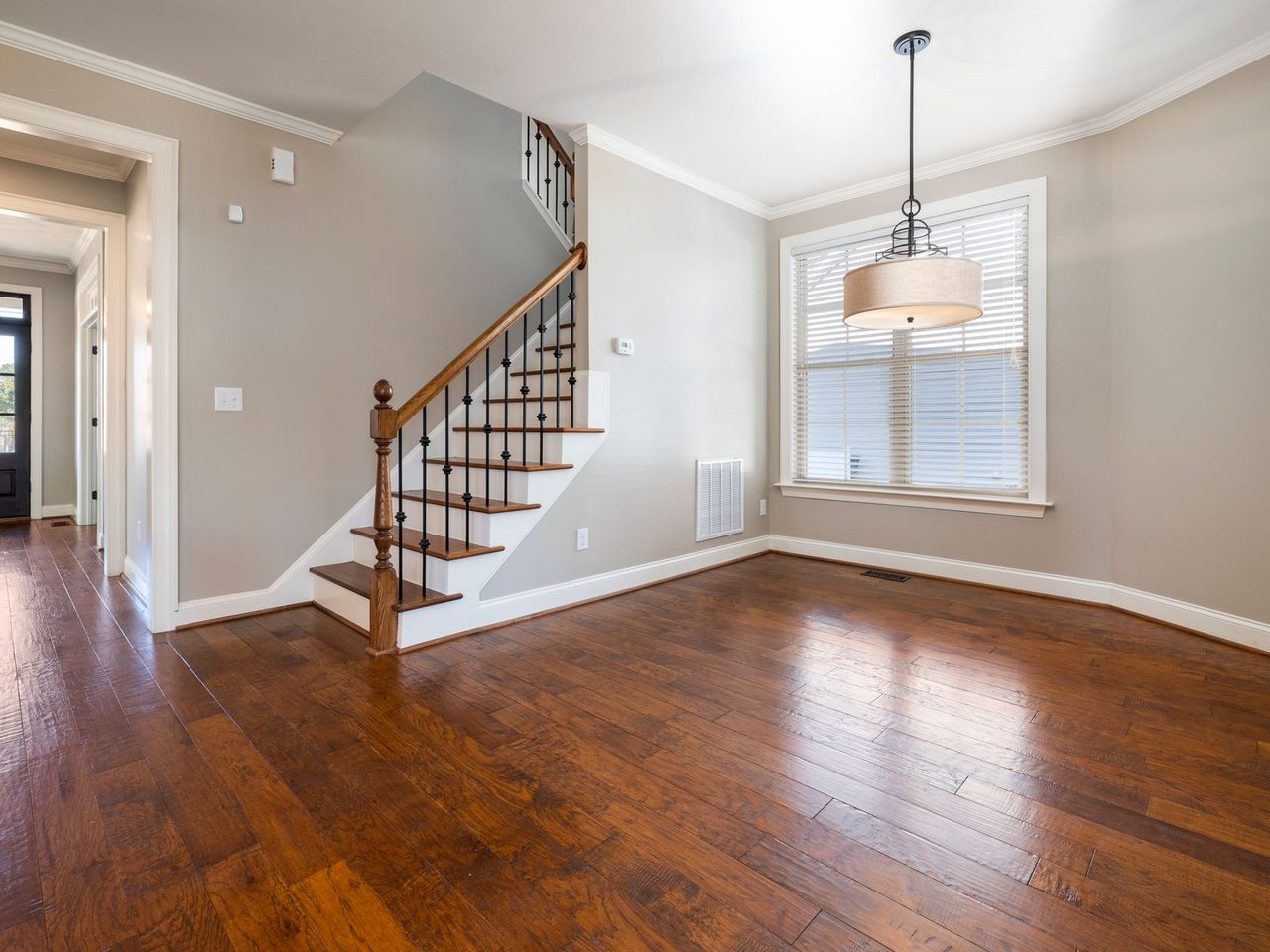
Waterborne coats bond to each other if they are applied inside a window. Bona says it is not necessary to abrade between its waterborne coats unless more than 48 hours have passed since the previous coat.1 At a minimum between coats, it asks crews to vacuum and tack thoroughly.1 For the smoothest result, it suggests abrading between coats with the specified abrasives.1
Recoating an existing floor is a different job. Bona says the floor must be free from wax, polish and oily residues. It warns that adhesion failure can occur if its recoat process is not followed and compatibility has not been tested.1 Test a small area before committing to a whole floor.
Sanding and preparation
The finish only performs on a correctly prepared floor. Bona asks for the floor to be sanded using accepted industry association methods.1 For an unstained floor it specifies a final cut with 80 to 120-grit paper, then a multidisc with 120 to 150-grit.1 For a stained floor the grits are coarser, to keep the wood open to the stain.1 It also notes that results vary widely by wood species, especially oily and resinous exotics, and tells applicators to always prepare a sample or test area.1 That matters with white oak, which takes color unevenly; see white oak for flooring.
Where the finish suits the space
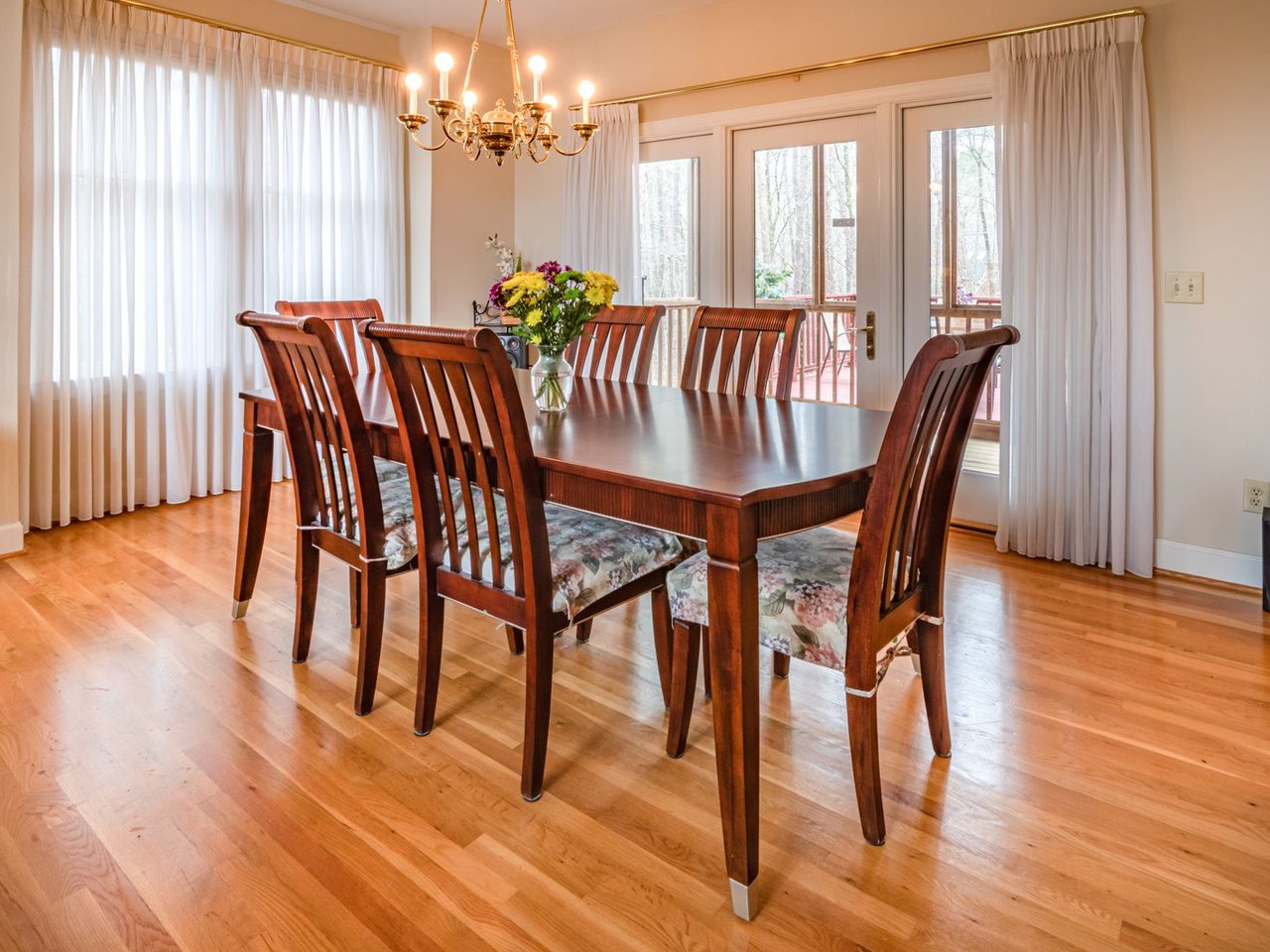
Finish choice follows the building. Bona lists Traffic HD for commercial and residential use including restaurants, offices, retail stores, theater stages, hospitals, shopping malls, schools and nursing homes.1 It recommends a sealer or stain plus 2 coats, with a third coat in heavy-traffic areas.1 It also gives a coefficient of friction and a range of sheens, from extra matte to gloss.1 Sheen is not only an aesthetic choice. Lower sheens hide scratches and traffic patterns better, which matters in a corridor that cannot be screened and recoated often.
VOC rules for coatings
Wood coatings are regulated separately from adhesives. South Coast AQMD's Rule 1113 covers architectural coatings and defines wood coatings as film-forming coatings applied to wood substrates, including floors, decks and porches. The category includes all lacquers, varnishes and sanding sealers.2 Its table of standards lists a limit of 275 g/L for wood coatings, varnish, sanding sealers and lacquer.2 It sets separate limits for stains and for floor coatings, which it defines as opaque coatings for flooring plus clear coatings for concrete.2 Bona lists Traffic HD's US regulatory VOC as 150 g/L.1 Compare a product against the right category for the jurisdiction, and remember that emissions certificates are a separate question; see the VOC checklist.
Handing the floor over
New finish needs careful first weeks. Bona asks for cleaning with only a dry microfiber mop or cloth during the first week, walk-off mats at entrances, and felt pads under furniture legs and appliances.1 Put those instructions in the closeout documents, with the cure schedule, so the owner does not undo a good finish in its first month. Aacer's installation instructions make the same point for prefinished floors: leave the warranty and floor care information with the owner at the end of the job.3 It also asks that heavy appliances and furniture not be rolled across the floor, and that plywood, hardboard or appliance lifts be used instead.3 A finish that is still curing is the most vulnerable surface on the site.
Sources
- Bona, “Bona Traffic HD technical data sheet (2026)”. paneltown.com/wp-content/uploads/2026/06/tds-bona-traffic-hd-us-enus_202
- South Coast Air Quality Management District, “Rule 1113: Architectural Coatings”. aqmd.gov/docs/default-source/rule-book/reg-xi/r1113.pdf
- Aacer Flooring, “3/4" Solid Strip and Plank Installation Instructions (nail-down)”. aacerflooring.com/downloads/residential/Installation-Instructions-Solid-
General information for the flooring trade. This article was drafted with AI assistance and checked against the sources listed above; the manufacturer's current instructions and the project specification govern any real job. If something here is wrong or out of date, tell us.