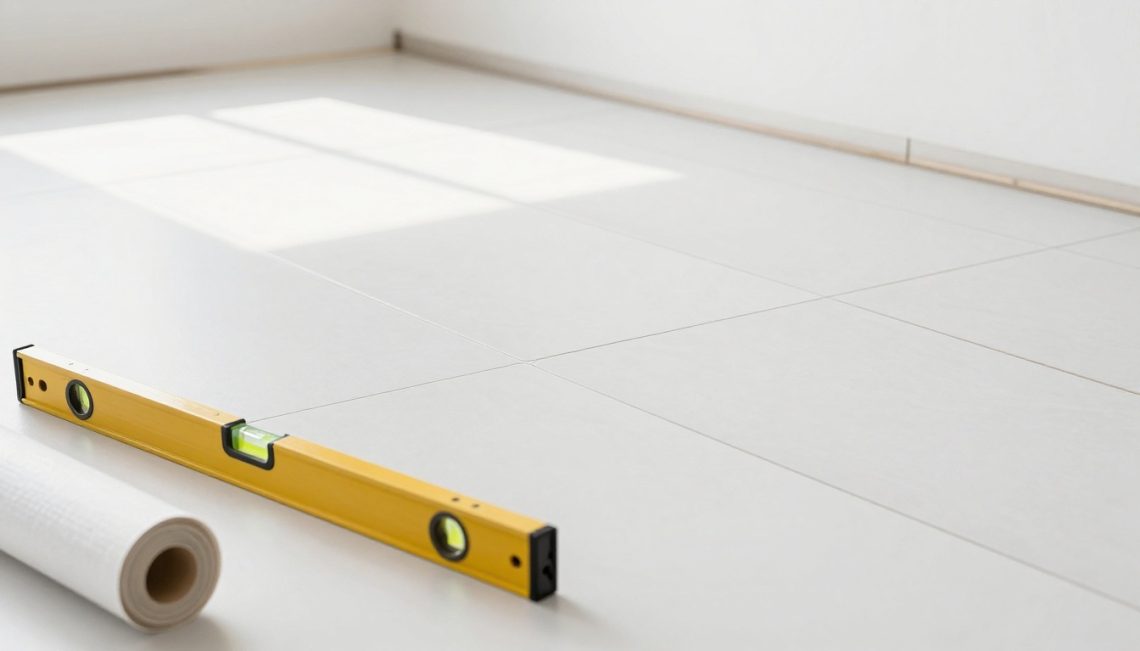
Installing lvp over tile sounds like the perfect shortcut. No demo dust, no dumpster, no days of chip-out noise. For stores and installers, it can also look like an easy upsell that keeps projects moving when homeowners don’t want disruption.
But tile is a hard, unforgiving base. Luxury vinyl plank is flexible by design, which means it can “tell the truth” about what’s underneath. If the surface isn’t flat and stable, the finished floor can look fine on day one and start complaining on day thirty.
This guide lays out when lvp over tile is a smart install, when it’s a trap, and the prep steps that make the difference.
When lvp over tile actually works (and why)
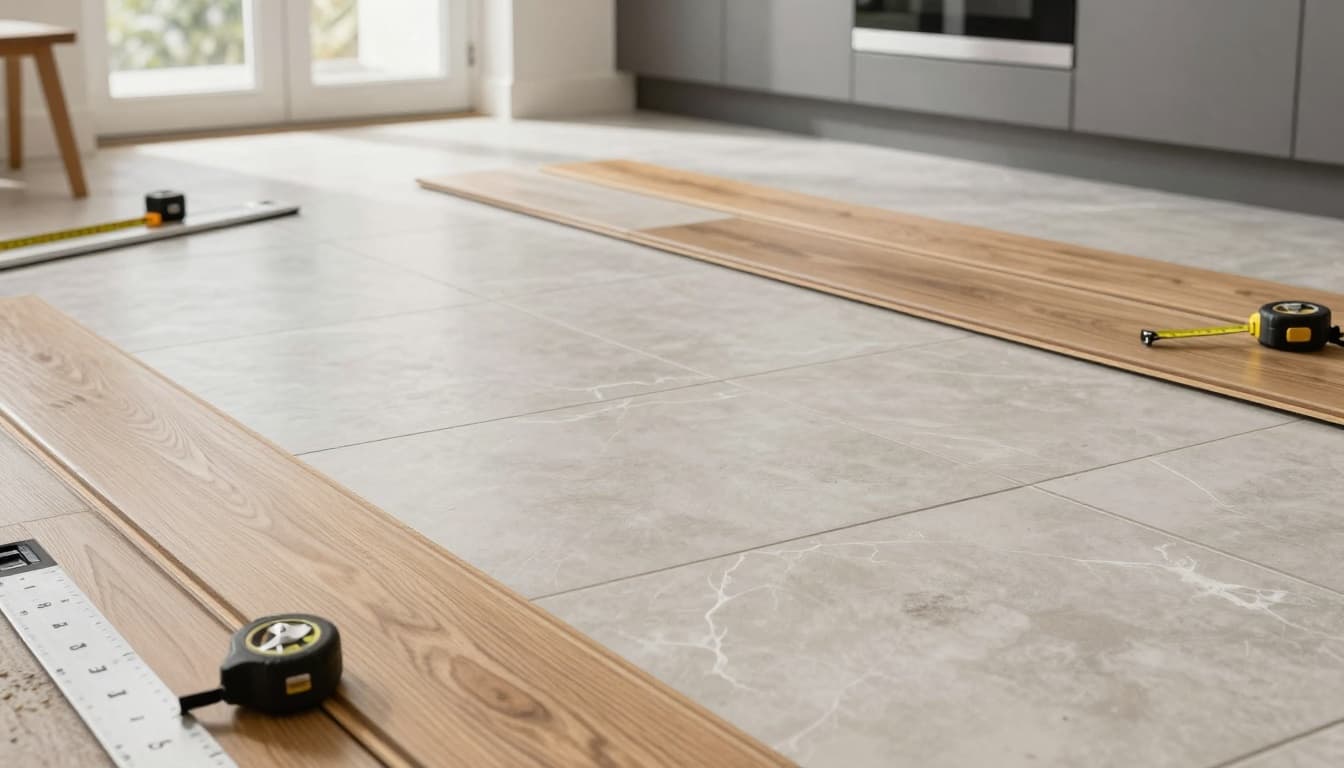
LVP over old tile works when the tile floor behaves like a solid slab. Think of LVP like a thin paperback book. Lay it on a clean, flat table and it sits perfect. Lay it on a table covered in pennies and you’ll see every bump.
A good candidate usually checks these boxes:
- Tile is bonded tight (no movement, no hollow-sounding “drummy” areas).
- Lippage is minimal (edges of tiles don’t stick up like speed bumps).
- Grout lines are shallow and narrow, or can be filled without building the floor too high.
- Moisture is under control, especially on slabs and in below-grade rooms.
- Height changes won’t cause problems at doors, appliances, or transitions to other floors.
Floating click-lock LVP is often chosen here because it avoids adhesive issues on glazed surfaces, but the tradeoff is simple: the floating floor needs a flatter base. Glue-down LVP can sometimes tolerate small texture better, but it demands the right adhesive system and a clean, compatible substrate.
The industry has been loud and clear on one point: prep is where jobs are won or lost. Floor covering pros keep repeating it because callbacks hurt. A quick refresher is worth sharing with teams and customers, such as this overview on why floor prep matters for LVT/LVP.
For retail sales floors, this is also where current flooring trends matter. Consumers want wood looks, wider planks, and quieter steps, but they don’t want the cost or downtime of tile removal. That’s the opening, as long as the substrate earns it.
When it fails: the telltale conditions that lead to problems
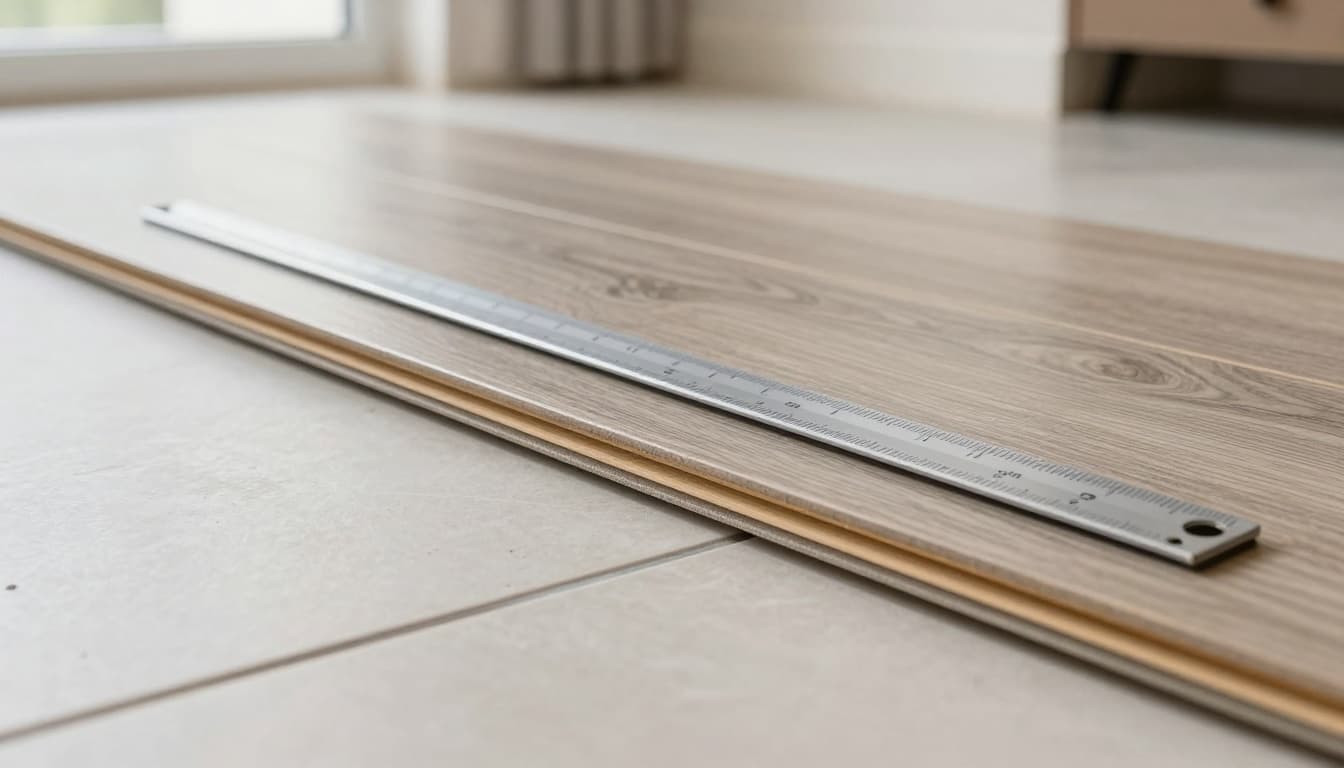
Most failures aren’t dramatic at first. They start as small annoyances: a click-lock joint that opens, a soft spot near the fridge, a line you can see in afternoon sun. Then they become warranty fights.
Here are the common “no” scenarios:
Loose or hollow tile: If the tile isn’t bonded, the LVP becomes a cover over a moving problem. Floating floors hate movement, and glue-down floors can release.
High grout lines or lippage: This is the classic telegraphing story. Even with an attached pad, many LVPs will show shadow lines over grout, especially in raking light.
Cracked tile or patchy repairs: Cracks often mean the tile assembly moved at some point. If the cause is still active (deflection, slab crack, moisture), it can keep moving.
Moisture and vapor issues: Tile itself doesn’t rot, but moisture can affect adhesives, encourage mold smells in trapped layers, and push floating systems into cupping or edge stress.
Height and clearance problems: Adding LVP and underlayment can block dishwashers, pinch doors, and create tripping transitions. It’s a failure even if the planks lock perfectly.
A fast way to frame risk for customers and crews is this simple table:
| Red flag on old tile | What you’ll see later | Best fix before LVP |
|---|---|---|
| Hollow, loose tiles | Soft spots, joint failure | Remove and patch flat |
| Lippage at edges | Rocking planks, broken locks | Grind high edges, level |
| Deep grout joints | Visible lines, premature wear | Skim coat and feather |
| Moisture signs | Odor, adhesive release | Moisture test and barrier plan |
Keeping up with flooring news helps here because product specs change. Locking systems get revised, underlayments get updated, and requirements shift based on field performance. That’s why many dealers track flooring industry news and manufacturer bulletins coming out of flooring factories, not just marketing sheets.
Prep steps that matter most (the ones crews can’t skip)
If you want lvp over tile to last, treat prep like you’re building a countertop. Flat is the goal, not “pretty close.” Here’s the sequence that prevents the most headaches.
1) Confirm the tile is stable
Do a tap test (coin, mallet handle) and watch for movement at corners. Any loose tile gets removed. Fill the void with a cement-based patch or appropriate underlayment, then bring it flush.
2) Clean like adhesion depends on it, because it might
Tile often has years of grease, polish, and cleaner residue. Degrease, rinse, and let it dry. For glue-down jobs, follow the adhesive maker’s surface requirements, not guesswork.
3) Flatten the high spots before you fill low spots
Grind or scrape lippage and thinset ridges. Skipping this step forces you to bury problems in patch, which can raise the whole floor and create transition trouble.
4) Fill grout lines with a feather-finish patch
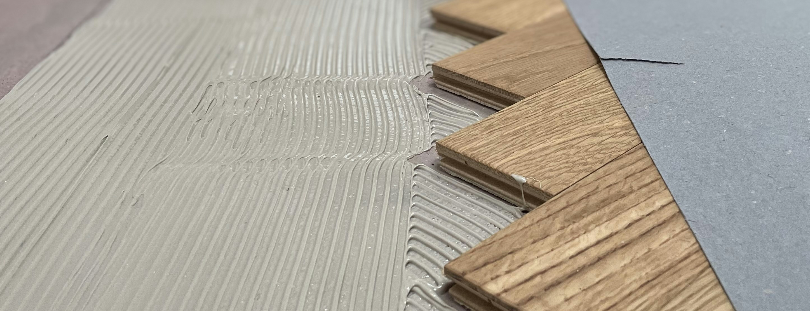
This is the big one. Skim coat the grout joints (and sometimes the full field) so the surface reads as one plane. Feather the edges wide, then sand or scrape ridges after cure.
5) Check flatness with a long straightedge
Work in multiple directions. Mark dips. Patch again if needed. The floor doesn’t care that the tile “looks level.” It cares about flatness.
6) Plan moisture control and underlayment correctly
Bathrooms and slab-on-grade rooms need a clear plan. Some floating systems require a vapor layer, others don’t. Some “attached pad” products still need a separate underlayment for sound or minor smoothing, but underlayment won’t fix a wavy floor.
7) Handle height changes before planks go down
Undercut jambs, verify appliance clearance, and choose transitions early. This is also where stores protect margin, because surprise carpentry at the end burns time.
For a practical field checklist that aligns with what many contractors already do, see this guide on prepping ceramic tile for LVP.
Finally, keep one eye on the bigger market. Customers walk into shops after browsing newest flooring products online, then ask what’s “hot.” The best answer mixes design and install reality. A quick read on consumer-facing 2026 flooring trends can help sales teams speak their language, while pros compare notes at flooring shows like Surfaces and Coverings. Trade coverage, including flooring trend reporting from FCNews, also helps teams stay current without chasing rumors.
Conclusion: the tile isn’t the problem, the hidden movement is
LVP over old tile can be a clean, profitable install, but only when the tile floor is stable and the surface is flat. Most failures come from skipped prep or ignored red flags, not from the plank itself. If crews treat grout lines, lippage, and loose tile like small issues, the finished floor will broadcast them. Treat prep like the product, and you’ll cut callbacks and protect your reputation. The best installs start with one decision: don’t cover a problem you wouldn’t build on.