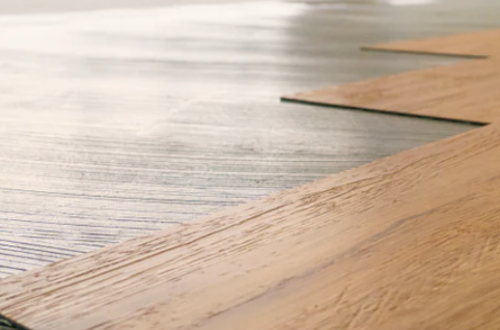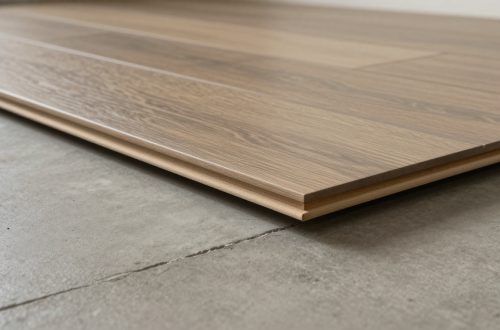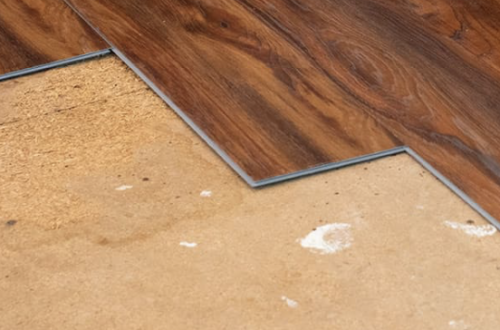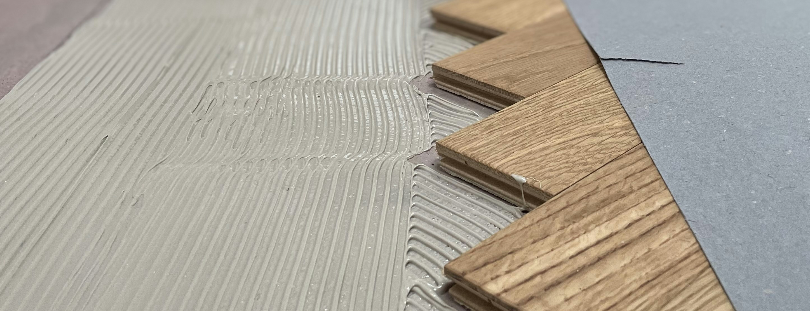
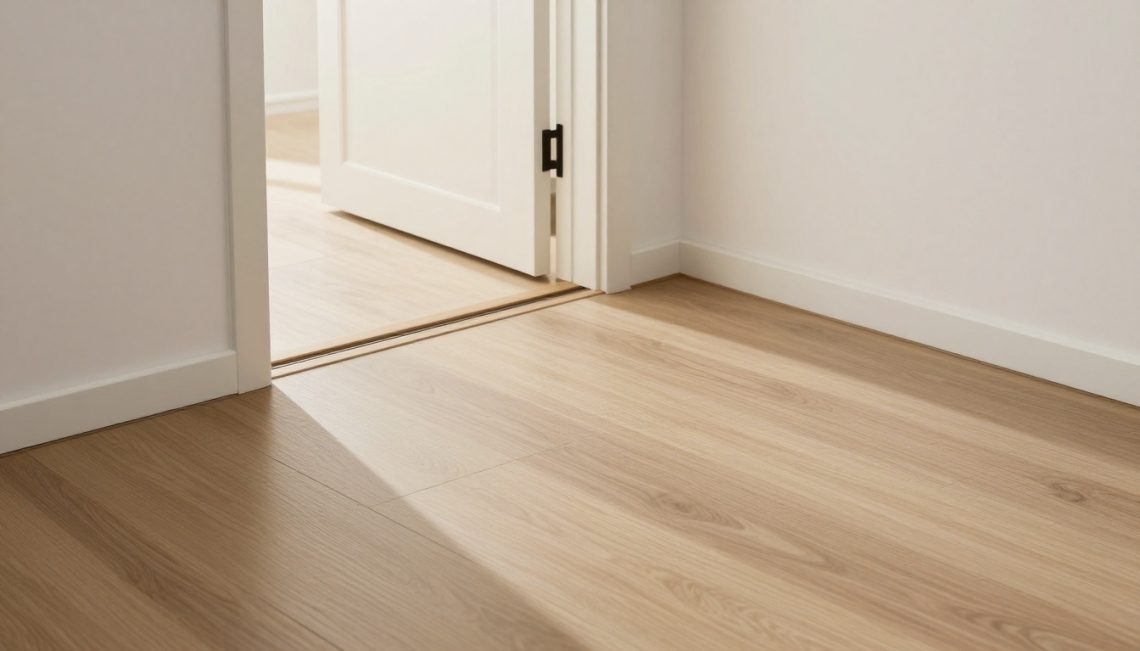
If a click-lock luxury vinyl plank (LVP) floor, a type of vinyl plank flooring, fails, it rarely fails in the middle of the room. It fails at the edges, the doorways, the cabinets, and the spots where someone thought “tight is better.” That’s where the LVP expansion gap either does its job, or gets erased by one bad detail.
For flooring stores, installers, and teams connected to flooring manufacturing factories, expansion gaps are more than an install note. They’re a warranty divider line, and a repeat callback driver. This article breaks down gap sizing by room, the pinch points that cause peaking and joint stress, and trim details that look clean without locking the floor in place.

Why click-lock LVP needs room to move (even when it “doesn’t expand much”)
Click-lock luxury vinyl plank is a floating floor. Think of it like a large raft sitting on the subfloor. It’s stable when it can slide a little as conditions change. It gets stressed when anything pins it down.
Rigid-core LVP with a stone polymer core moves less than wood, but it still experiences expansion and contraction due to temperature and humidity changes, sun loading, and indoor HVAC cycles. The plank body can change size slightly, and the locking profile can take the hit when movement has nowhere to go. The result is familiar: end-joint gapping, peaked seams, tenting, or that crunchy “oil can” sound when you walk.
Manufacturer guidelines often spell out two key principles:
- Leave a consistent expansion gap at all vertical surfaces.
- Don’t fasten trim or fixed objects through the floating floor.
For example, some rigid vinyl manuals call for a perimeter space around walls, cabinets, and penetrations, and warn against securing moldings into the planks because fixed objects pin down the tongue and groove edges in the click system, stopping the floor from floating (see the fastening and perimeter guidance in this rigid vinyl plank installation instructions PDF).
Temperature control matters, too. Many click-floating LVP instructions assume the building is conditioned before, during, and after install, with typical living-range temperatures, including acclimatizing the planks to local moisture levels and subfloor conditions. If the jobsite is cold one week and hot the next, your “perfect” gap can become a pinch point fast. A good example of these conditioning expectations shows up in this click floating luxury vinyl instructions PDF.
LVP Gap Sizes by Room (Practical Ranges You Can Defend)
The only gap that truly “works” is the one the product requires, based on that exact core, locking system, and maximum run. So the first rule is simple: follow the carton and manual.
That said, across many click-lock LVP products, the expansion gap around the perimeter of the room you’ll see specified tends to land in a narrow band, often around 1/4 inch to 5/16 inch, maintained at every wall, cabinet toe-kick, post, and pipe. This perimeter of the room expansion gap must stay consistent to handle movement properly. Where teams get into trouble is not the number, but the consistency, and what happens at transitions and long uninterrupted runs.
Here’s a jobsite-friendly way to think about gap sizing by room and by risk level. Use it as a starting point, then verify against the product documentation and the max-run limits.
| Area condition | Typical perimeter gap range | Why it changes |
|---|---|---|
| Small bedrooms, offices, closets | 1/4 in | Short runs have fewer cumulative movement forces |
| Standard living rooms, hallways | 1/4 in to 5/16 in | Longer runs and more sunlight exposure raise risk |
| Large open concepts (no breaks) | 5/16 in (plus planned transitions if required) | Long spans need room to slide, and may need expansion breaks |
| Perimeters near sliding doors or big windows | 5/16 in | Solar gain can heat planks fast and unevenly |
| Around pipes, columns, kitchen islands | Match perimeter spec, don’t “tight cut” | Odd shapes create bind points that concentrate stress |
Two on-site habits make this reliable:
Keep spacers in until trim is ready. Many “mystery failures” start when the crew removes spacers, the floor drifts, then base goes on tight. Use a tapping block and rubber mallet to ensure tight fits with staggered joints, all while maintaining the necessary expansion gap distance from the subfloor and walls.
Measure the tightest spot, not the average. One tight corner can lock a whole field. This is the same logic highlighted in general trade guidance about correct expansion spacing (see expansion gap guidance by flooring type).
And one more reality for retailers: today’s homes often have more open sightlines than older floorplans, which means longer continuous runs in vinyl plank flooring. That design shift shows up in both flooring trends and installation risk profiles.
Pinch points and trim details that don’t trap the floor
Most click system issues blamed on “product” are really pinch points. They’re small, easy to miss, and they compound. The fix is a mental checklist: the floor must be free to move under everything that looks fixed.
The pinch points that break floating floors
The most common culprits are boring, not dramatic:
Door jams and door casing undercuts that are too low. Proper undercutting is critical here; if the plank can’t slide under the door casing without friction, it can bind during expansion and lead to buckling or floor lifting.
Kitchen and bath toe-kicks cut tight. That clean scribe looks great until the floor needs to move.
Fixed objects like islands, vanities, or built-ins set on top of the vinyl plank flooring. A floating floor can’t float if 600 pounds of cabinetry pins it to the subfloor. (Set cabinets first, then run LVP up to them with the required expansion gap, unless the manufacturer explicitly allows otherwise.)
Transitions that are screwed through the planks. The fastener becomes a nail in the raft.
If you want a quick training moment for crews and sales teams, borrow a line from current flooring news: click system and tongue and groove mechanics keep getting better, but the basics still decide outcomes. A pull bar is useful for perimeter planks in tight spots. That tension is why annual flooring shows keep dedicating education time to installation. Even in early 2026, flooring industry news coverage around The International Surface Event keeps spotlighting product launches alongside performance expectations, like this FCNews live coverage at TISE 2026.
Baseboard and shoe molding: fasten to the wall, not the floor
Trim should hide the gap, not erase it.
Baseboard: Install it after the floor, and keep it just off the surface. You’re not trying to clamp the plank edges, you’re trying to cover the space.
Quarter-round moulding, shoe molding, or skirting boards: Nail it into the baseboard or wall, not into the LVP. If the trim needs to flex to meet a wavy wall, that’s fine. What’s not fine is a fastener that pierces the floating system and creates a fixed point.
Adhesive-only shoe: In some commercial jobs, teams use adhesive to avoid nail holes. The same rule applies. Bond to the wall side, keep the floor free.

Transitions that look finished, but still allow movement
At doorways and material changes, you usually need a transition strip, but it has to be installed in a way that the LVP can move under or within it to accommodate expansion and contraction.
Track-mounted moldings: Fasten the track to the subfloor (or approved substrate), then snap the T-molding into the track. The planks should maintain the required gap under the transition cap.
Reducers at exterior doors: These spots see temperature and humidity swings and moisture events. Keep the gap, use the correct profile, and avoid compressing the edge with a tight screw-down.
When you talk to buyers about the newest flooring trends and products, it helps to connect the design story to installation reality. Many 2026 reports on the newest flooring products focus on bolder visuals, larger formats, and mixed-material looks. Those styles often mean fewer breaks and longer runs, which raises the importance of clean transitions and correct spacing. For a snapshot of what retailers are promoting this year, see Floor and Decor’s 2026 design trends forecast.
Conclusion: leave the gap, then protect it
A click-lock luxury vinyl plank floor can’t “float” if trim, cabinets, and transitions pin it down. Every floating floor needs an expansion gap to function properly. The most dependable luxury vinyl plank expansion gap approach is simple: follow the manufacturer guidelines, keep it consistent by room, eliminate pinch points, and install trim so it covers the space without clamping the planks.
If your team sells, specifies, or supports vinyl plank flooring installs, consider building one photo-based checklist for crews and one talking-point sheet for customers. Always check manufacturer guidelines as your primary resource for reducing callbacks. It protects the locking system and supports flooring trends that push bigger, more open layouts.