The short version is simple: IXPE underlayment supply looks better in 2026 than it did during the worst disruption periods, but attached pad LVP buyers still need to watch sourcing, specs, and lead times closely. The broad panic has eased. The risk has moved upstream, into plant planning, import exposure, and warranty detail.
For flooring manufacturers, retailers, and distributors, that shift matters. Attached pad programs move fast when foam supply is steady. When it slips, the whole line feels it.

Why IXPE supply still deserves close attention
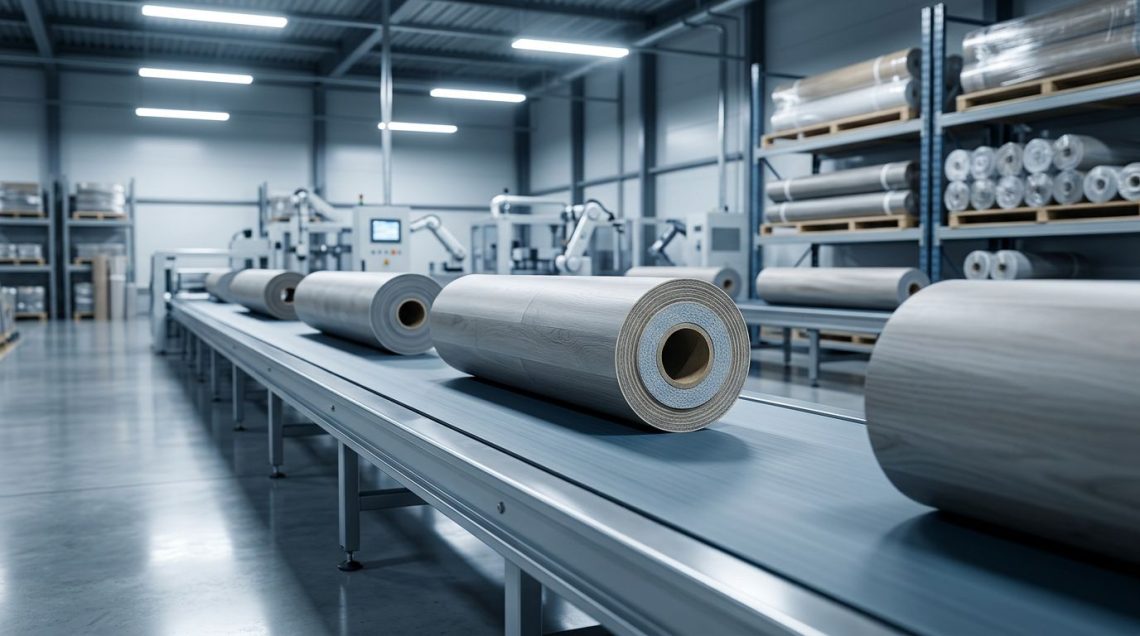
Think of attached pad LVP like a sandwich made on a moving belt. If the foam layer shows up late, the whole belt slows down. That is why IXPE is still a watch item in 2026, even with supply conditions improving.
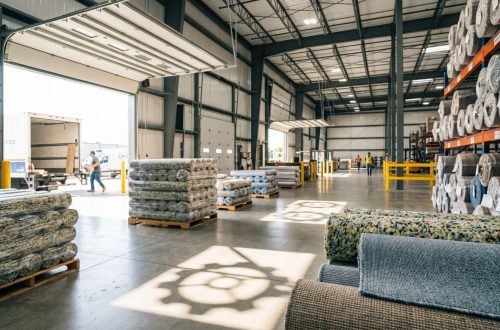
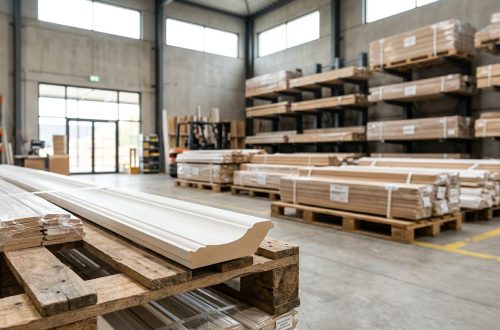
Recent market signals point to stronger domestic output. Industry reporting this year has highlighted new U.S. foam investment, including added IXPE capacity in Georgia after flood-related disruption hit a Tennessee operation in 2024. That matters because flooring manufacturing factories hate stop-start material flow. A missing pad roll can idle premium plank production just as easily as a missing wear layer.
IXPE remains attractive because it brings a balanced mix of sound control, moisture resistance, and compression strength. If teams need a simple material comparison, this overview of IXPE vs. EVA underlayment explains why IXPE still holds a strong position in rigid-core and attached pad programs.
Here is the supply picture buyers should keep in mind:
| Supply signal | What changed in 2026 | Why it matters for attached pad LVP |
|---|---|---|
| Domestic foam capacity | More U.S. output came online | Shorter lead times, less freight risk |
| Import pressure | Tariffs still weigh on some inputs | Domestic sourcing looks safer |
| Product mix | More premium attached pad builds | Demand favors tighter pad specs |
| Claims exposure | Specs and documentation matter more | Wrong pad pairing can create warranty trouble |
The key point is not just availability. It is usable availability. A buyer may find foam, yet still miss target density, thickness, or acoustic performance.
The 2026 issue is less about total shortage, and more about getting the right IXPE at the right spec for the right plank line.
What flooring news and annual flooring shows are signaling
Recent flooring news suggests a steadier market for hard surface materials overall. Forecast coverage from FCNews points to a stronger laminate outlook for 2026, while wood and tile are also expected to post modest gains. That means attached pad LVP is not operating in a vacuum. It is fighting for shelf space and warehouse dollars against several improving categories.
At the same time, the housing backdrop still leans toward remodel. Existing-home sales moved up late in 2025, yet many owners remain locked into low-rate mortgages and are not eager to sell. In plain terms, fewer moves often mean more upgrade projects. That helps LVP, especially attached pad lines that sell on speed, comfort, and easier installation.
This is also why annual flooring shows matter so much in 2026. Surfaces at TISE has been a launch point for new IXPE-related products and system messaging. Coverings is pushing education too, as shown in the Coverings 2026 conference education lineup. Buyers scanning these events for the newest flooring trends and products will notice a pattern. The talk is no longer just about visuals. It is about the whole stack, from subfloor prep to attached pad performance.
That lines up with broader LVP direction as well. This 2026 LVP guide and format shift overview reflects the same market pull toward better realism, stronger cores, and more performance-driven selling.
So yes, buyers still want the newest flooring products. They also want them quieter, easier to specify, and less likely to come back as claims.
Where attached pad LVP buyers can still get burned
A calmer supply picture does not mean a safer install picture. In fact, better foam access can tempt teams to overbuild, substitute, or stack layers where they should not.
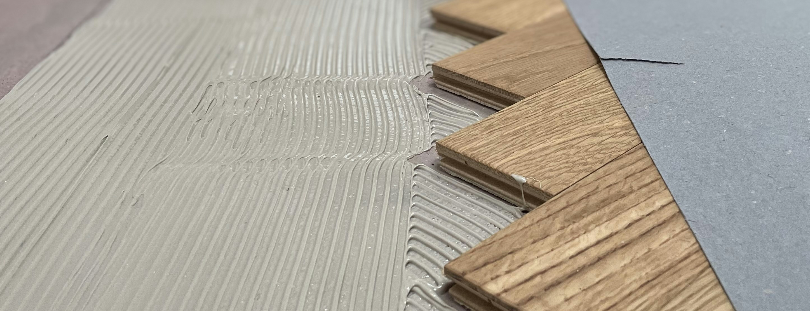
That is the big trap with attached pad LVP. If the plank already has IXPE bonded to the back, adding more soft underlayment can turn a good floor into a weak floor. That issue shows up often in underlayment choices affecting LVP warranty, and it is still one of the fastest ways to create avoidable failures.
Moisture remains the other pressure point. IXPE helps manage sound and light vapor concerns, but it does not fix a wet slab or a bad wood subfloor. Teams that are tightening their 2026 quality process should keep subfloor moisture testing before LVP close at hand, because pad performance starts with the base, not the brochure.
Recent flooring industry news also shows more attention to testing, material traceability, and training. That trend reaches past chemistry headlines and into everyday field decisions. Buyers are asking harder questions, and that is healthy.
Before locking a 2026 attached pad program, verify these points:
- Pad source stability: Ask whether supply is domestic, imported, or mixed by production run.
- Compression and density targets: Similar-looking IXPE can behave very differently.
- Moisture and acoustic claims: Match the claim to the tested assembly, not to a sample board.
- Lead-time reality: A quoted lead time means little without raw material confirmation.
- Showroom story: Tie performance back to real use, not just the newest flooring trends and products.

The bottom line for 2026
The attached pad LVP market is in better shape than many expected, and IXPE underlayment supply is part of that improvement. Domestic expansion, tighter system thinking, and stronger buyer discipline are helping smooth out the category.
Still, no one should confuse better supply with zero risk. The winners in 2026 will be the teams that treat foam sourcing, plant timing, and install specs as one system. In a market chasing comfort, speed, and fewer callbacks, the best pad story is the one that still works after the sale.