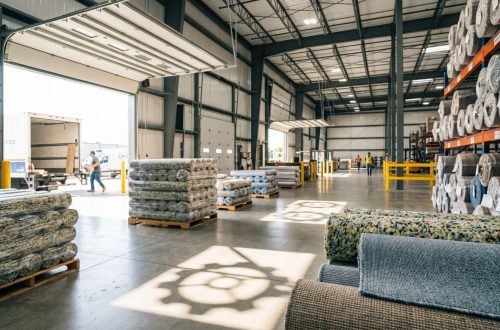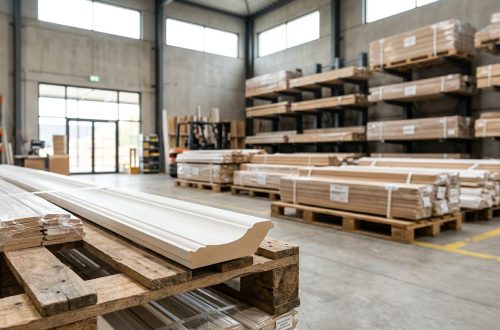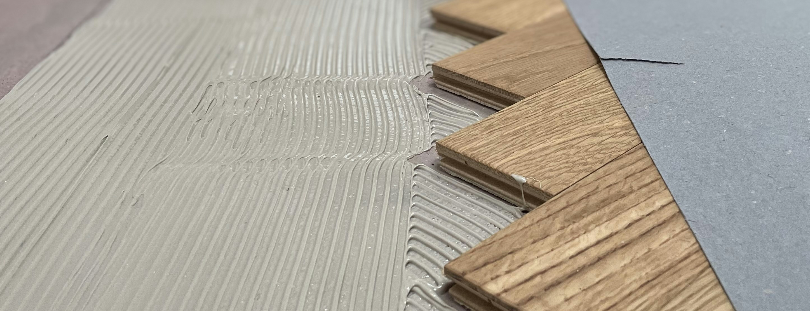
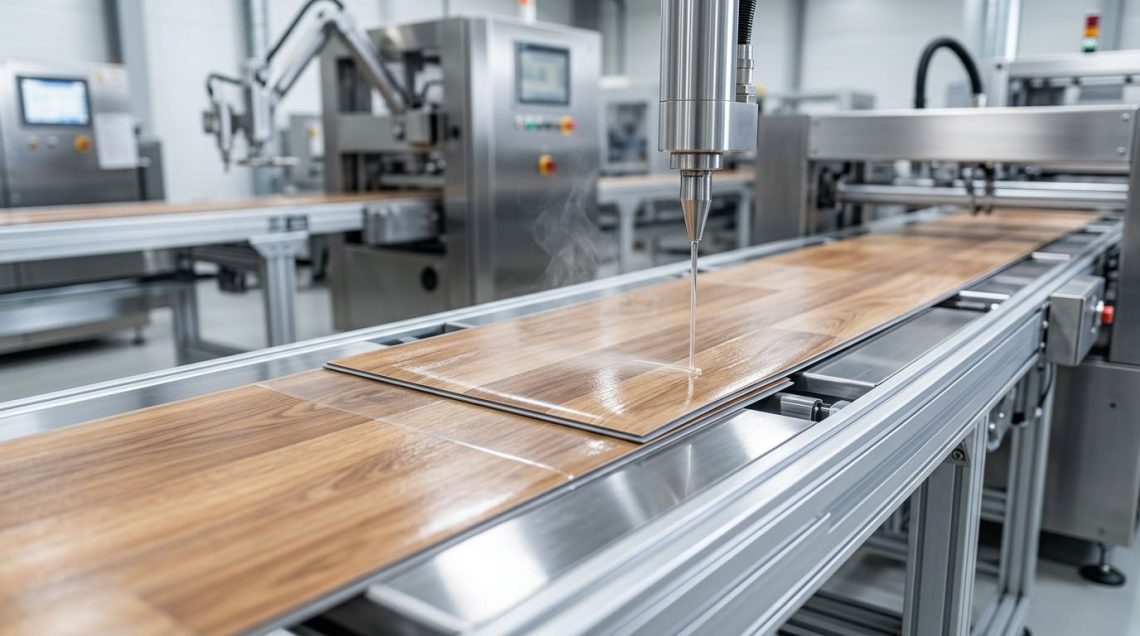
A quiet change is moving through flooring plants this year. Hot melt PUR adhesive is no longer just a premium option for select builds. In 2026, it’s becoming a practical answer to faster lines, tougher performance demands, and more layered product designs.
For laminate and LVP producers, the shift is about more than glue. It touches uptime, scrap rates, warranty risk, and even what products can be built at scale. As décor gets sharper and cores get more complex, the bond line has to do more work without slowing the factory.

Why hot melt PUR adhesive is taking more line space
The appeal is simple. PUR gives fast initial grab, then keeps curing as it reacts with moisture in the air. That means a board or plank can move down the line quickly, while the bond keeps building strength after it leaves the press.
For laminate and LVP production, that matters a lot. These products combine films, wood-based layers, rigid or flexible cores, and wear surfaces. Each layer expands and contracts a bit differently. A weak bond acts like a loose hinge. A strong bond acts more like a welded seam.
In practice, hot melt PUR adhesive helps producers target three pain points. First, it improves heat and moisture resistance. Second, it supports high-speed lamination with more stable bonding. Third, it reduces the chance that a premium-looking product fails where no shopper can see it, inside the construction.
Fast grab helps the line run. Full cure helps the floor last.
That balance is why more manufacturers are moving PUR from specialty runs into broader use. Market tracking also shows strong momentum for the category, as reflected in this PUR hot-melt market report for 2026. Growth is tied to building demand, tighter material rules, and the push for longer-lasting interior products.
There’s also a sustainability angle. Many new PUR systems support low-VOC goals, and some newer grades use recycled content or run at lower temperatures. That helps plants cut energy use while still chasing stronger performance. In other words, the glue room is starting to shape product strategy.
What flooring manufacturing factories are changing in 2026
The shift to PUR doesn’t stop at the adhesive tank. Flooring manufacturing factories are reworking process control around it. Because PUR reacts with moisture, plants need tighter handling, better sealed systems, and cleaner shutdown routines. The reward is better bond consistency, but only if the line is disciplined.
Operators are paying closer attention to application temperature, coat weight, open time, and substrate prep. A small drift in any one of those can turn a good formula into a messy production day. That’s why the best results usually come when maintenance, quality, and production teams tune the line together.
This is where the main factory changes are showing up:
| 2026 shift | Why it matters |
|---|---|
| Closed adhesive systems | Reduces unwanted moisture exposure and waste |
| Tighter temperature control | Keeps flow and wet-out more consistent |
| More in-line inspection | Catches bond issues before finishing or packing |
| Lower-temperature PUR grades | Cuts energy use and supports greener targets |
The takeaway is clear: PUR pays off when the process is just as strong as the formula.
Plants are also using the switch to rethink product mix. Entry-level dry-area products may still run well with lower-cost systems. However, premium laminate, rigid-core LVP, and hybrid builds are pushing PUR adoption because those categories promise more to the buyer. If the product claims water resistance, heat stability, or long-term dimensional hold, the bond line has to support that story.
That’s why the newest flooring products often start with a production question, not a color question. Can the line build a more complex plank without giving up speed or yield? In 2026, PUR is helping more factories say yes.

What flooring news and annual flooring shows are telling buyers
If you follow flooring news, the message is pretty consistent. Trade coverage late in 2025 pointed to a better 2026 for laminate, cautious optimism for wood, and only mild growth for tile. At the same time, housing is still uneven. Existing-home sales improved slightly, yet many owners remain locked into older low mortgage rates and aren’t moving. So, makers are chasing renovation demand with better visuals and stronger performance, not just more volume.
That backdrop helps explain why adhesive choices matter more now. A recent residential LVT report described a more balanced phase for the category. Balanced growth usually rewards plants that can protect margins, control claims, and build differentiated products. PUR fits that model.
The same pattern showed up at the annual flooring shows. At Surfaces ’26 resilient introductions, brands pushed realism harder. Better embossing, sharper print layers, and more advanced constructions look great on the board. Still, they also raise the stakes for lamination quality. Meanwhile, Bostik at Surfaces 2026 showed that adhesive suppliers want a bigger role in the conversation, not a back-seat role.
Overseas, the signal looks similar. Coverage of TISE 2026 product launches from Bjelin and DOMOTEX 2026 showcases highlights a market focused on surface realism, performance claims, and factory investment. That’s where newest flooring trends and products intersect with adhesive strategy.
For store owners, distributors, and production leaders, the smart question is no longer just, “What does the plank look like?” It’s also, “What holds it together, and how repeatable is that process?” Buyers watching the newest flooring products at shows should ask about adhesive platform, cure window, moisture resistance, and line controls. That’s where flooring industry news turns into better sourcing decisions.
Conclusion
In 2026, hot melt PUR adhesive is moving from an upgrade to a production standard for many laminate and LVP lines. It helps plants build tougher products, run faster lines, and support more ambitious visuals. For anyone tracking flooring trends, the lesson is simple: the bond line now plays a bigger role in product quality, factory efficiency, and brand trust. The strongest floor may start with the part no shopper ever sees.