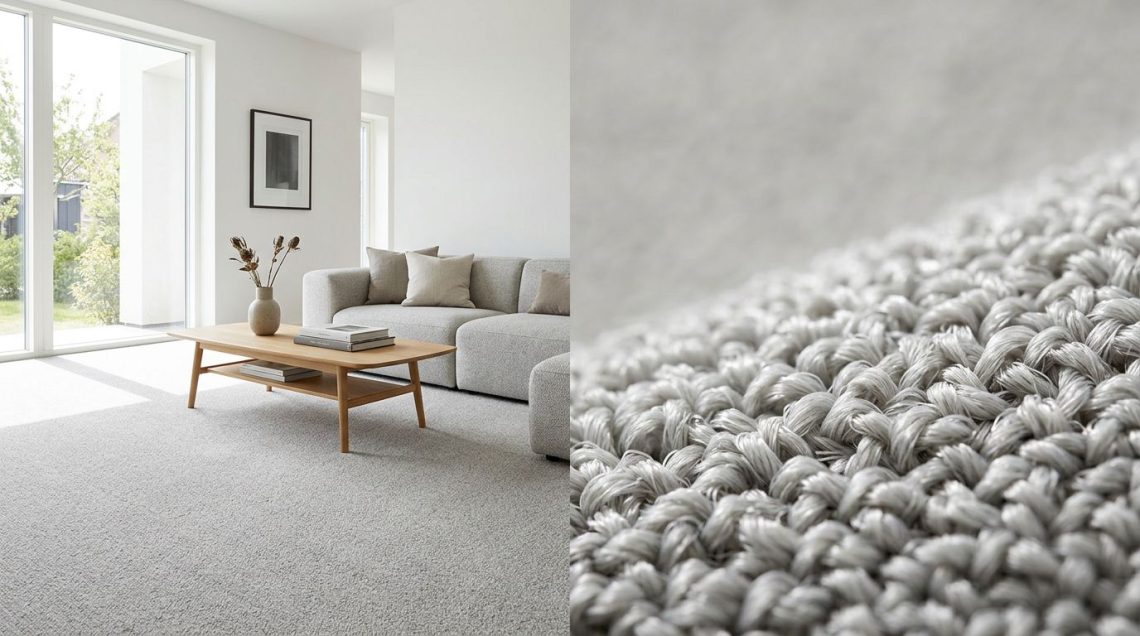
If price still closes the sale, polypropylene carpet fiber isn’t stepping aside in 2026. For mills, retailers, and distributors, it still supports one simple promise, broad coverage at a workable cost.
That promise matters because demand is improving only in spots. Home sales have shown some lift, but many owners still delay large remodels. In that kind of market, value broadloom doesn’t need a boom to stay relevant.
Why polypropylene carpet fiber still fits value broadloom
Polypropylene, often sold as olefin, keeps winning when budgets are thin and rooms need clean, simple wall-to-wall carpet. The fiber handles moisture well, resists many common household stains, and helps suppliers hit opening price points. For rentals, builder-grade bedrooms, starter homes, and quick replacement jobs, that still matters.
Recent market tracking points to a mild 2026 lift for soft surface, not a surge. Broadloom remains a large global category, and current forecasts suggest residential carpet should post low single-digit gains if housing turnover keeps improving. A recent soft-surface rebound forecast also points to a slow start, with better odds later in the year.
For many buyers, value broadloom is still the pickup truck of carpet. It isn’t built to win a luxury design award. It is built to cover square footage, install fast, quiet a room, and meet a bid. That matters even more as smaller homes and compact layouts put more focus on comfort and sound control.
A quick side-by-side helps frame the 2026 choice.
| Factor | Polypropylene in value broadloom |
|---|---|
| Price | Usually one of the lowest fiber-cost options |
| Stain resistance | Strong on many spills because color runs through the fiber |
| Wear | Good for light to moderate traffic, weaker than nylon in harsh use |
| Best fit | Bedrooms, rentals, starter homes, and price-led replacement jobs |
The tradeoff hasn’t changed. Nylon still leads in resilience under heavy wear. Polyester can feel softer underfoot. Still, when a buyer needs decent looks without a premium ticket, polypropylene stays in the conversation.
Value broadloom works best when the spec calls for clean looks, fast turns, and tight budgets.
What flooring manufacturing factories are changing in 2026
Across flooring manufacturing factories, the story is less about flashy chemistry and more about better control. Mills keep improving extrusion, twisting, heat-setting, tufting, and backing stability. Those steps sound technical, yet the result is easy to see on the floor, better yarn consistency, fuller texture, and fewer ugly surprises after install.
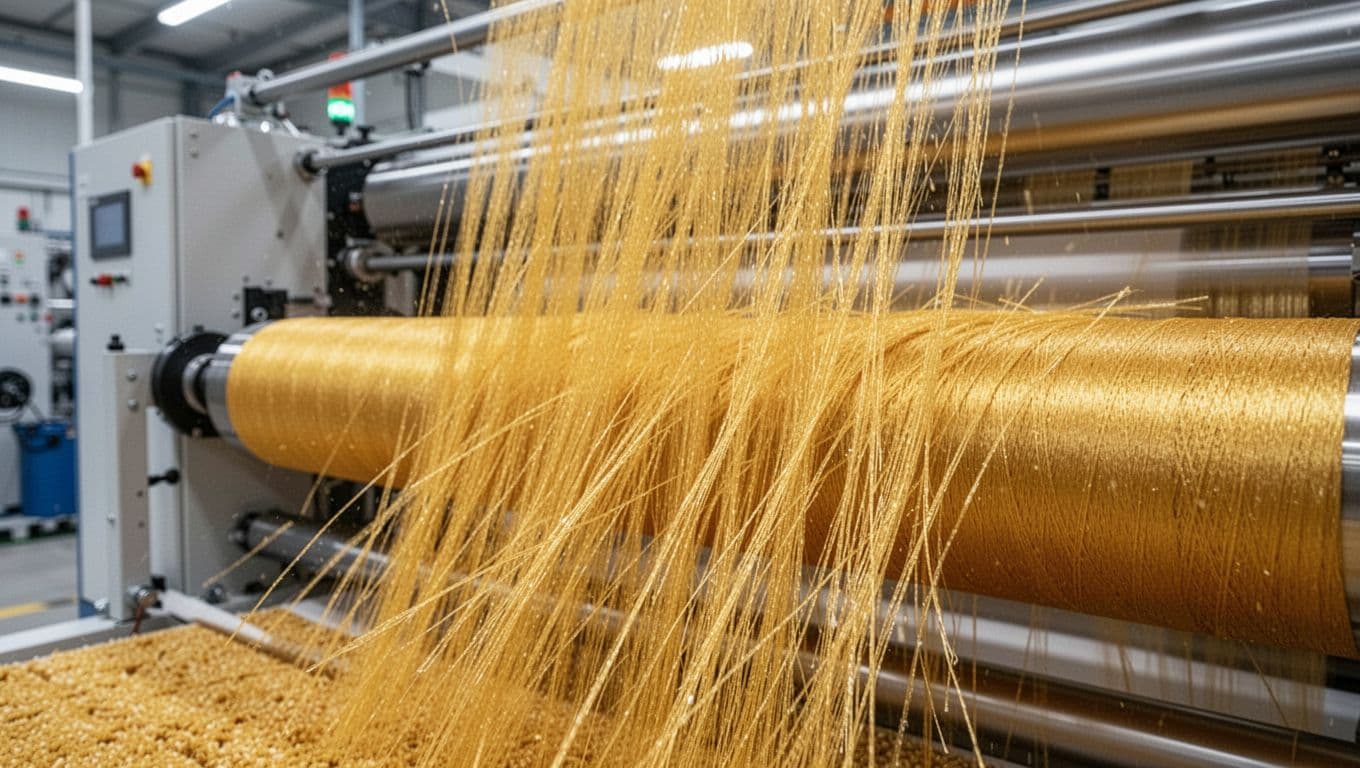
That matters because buyers in the value tier still want the hand of a better product. They also want fewer claims. Newer polypropylene constructions do a better job hiding soil, pet hair, and surface shading than old bargain carpet did. Some suppliers are also pushing recycled content or more recyclable constructions, even if value broadloom still trails premium soft surface on the green story.
Raw material pricing remains a watch item. Polypropylene ties back to petrochemicals, so resin costs can move quickly. At the same time, broader polypropylene fiber market forecasts point to continued investment in fiber capacity and yarn demand. That helps supply, but it doesn’t erase freight, energy, or tariff pressure.
Recent flooring industry news also shows manufacturers paying more attention to material inputs and testing. That shift matters beyond hard surface. When major producers sharpen PFAS detection and documentation practices, every category feels pressure to answer more product questions with cleaner data.
For store buyers and spec teams, the lesson is practical. Don’t judge 2026 polypropylene by old memory alone. Ask about face weight, twist, density, backing, seam behavior, and stain warranty. Then ask how the style performs after a year in a rental or starter home.
Flooring trends, annual flooring shows, and buying signals
The style shift around carpet is easy to spot. Warm beige, sand, clay, and muted taupe are replacing colder gray. Lower luster, soft texture, and quieter patterning are back. That lines up with broader warm-tone flooring trends in 2026 and with carpet’s return in bedrooms and family rooms where comfort beats shine.
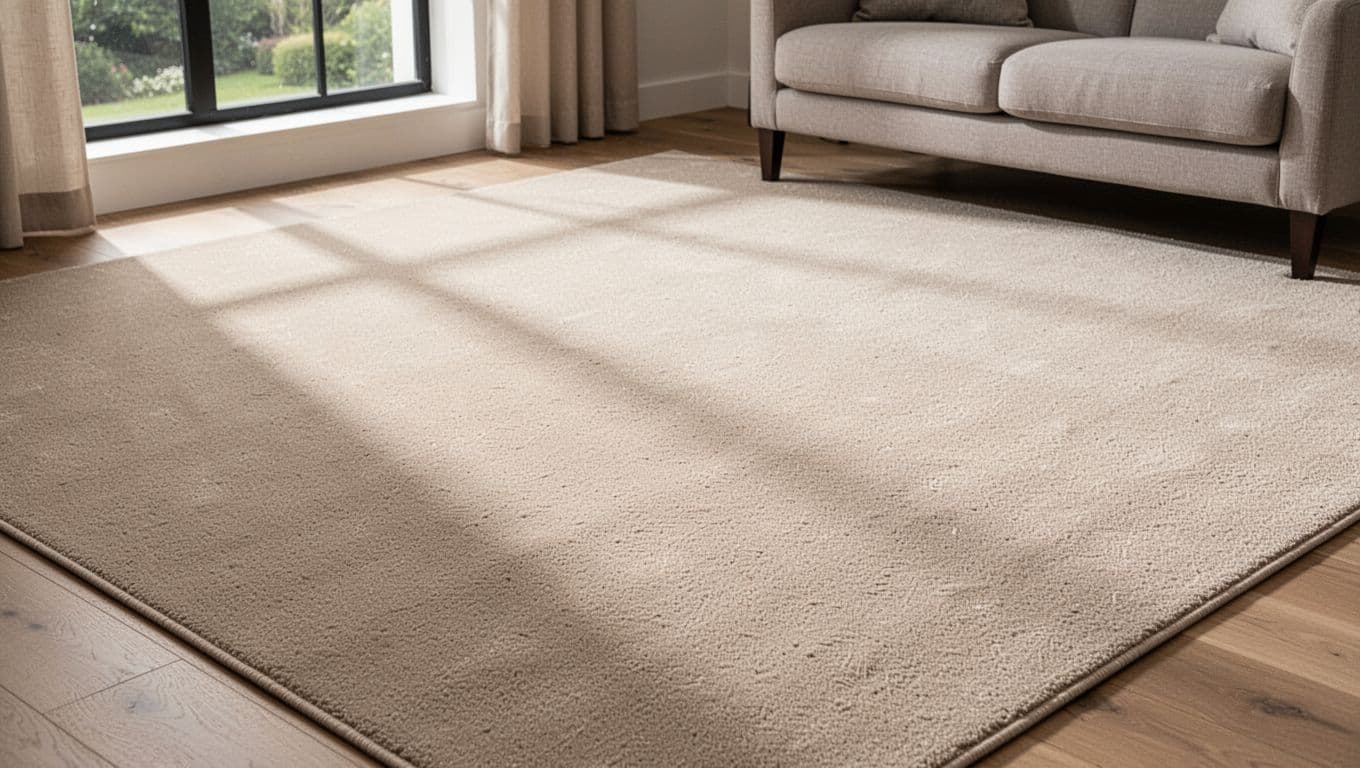
In other words, the newest flooring trends and products aren’t always dramatic. In value broadloom, the smarter updates are often subtle. Buyers want the newest flooring products to feel warmer, hide traffic better, and work beside matte wood looks or LVT in the next room. Those are real flooring trends, not showroom fantasy.
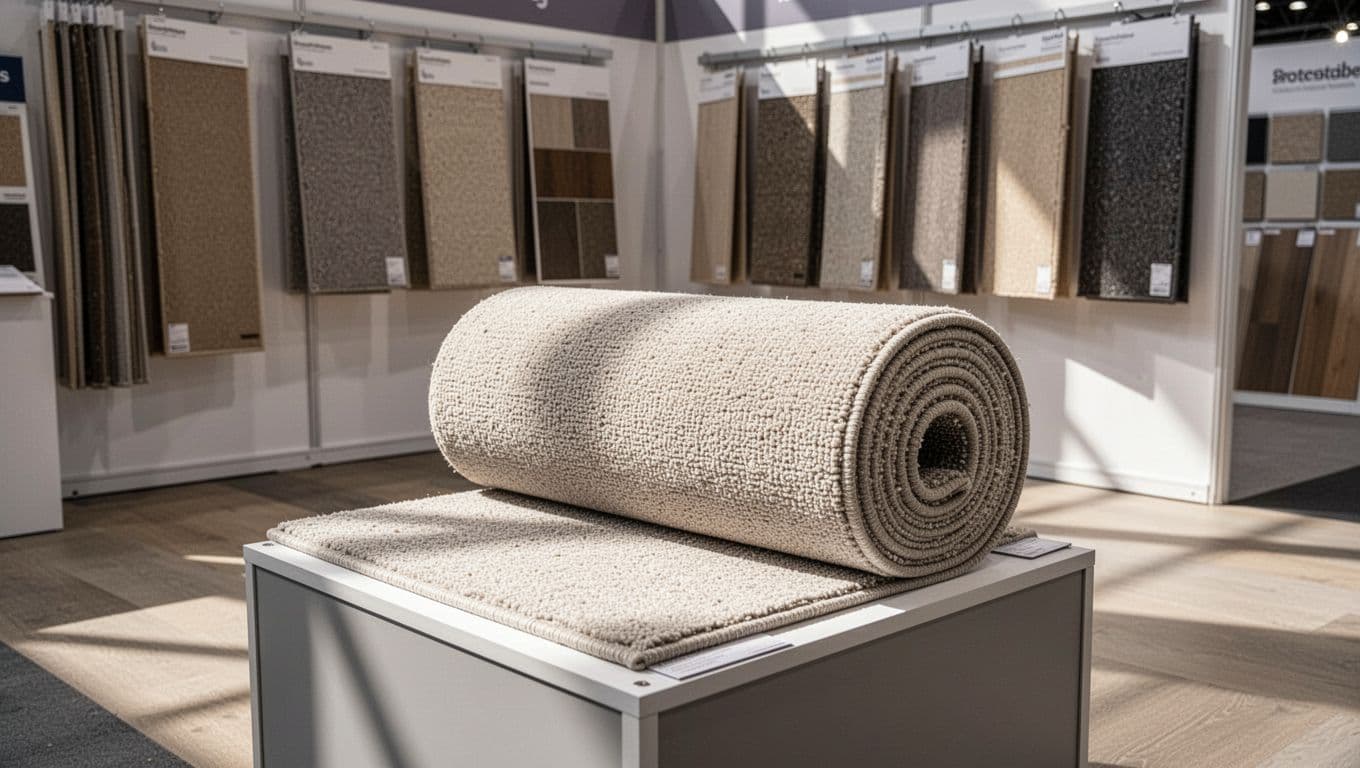
That same logic explains why annual flooring shows still matter. Carpet has to be touched to be judged. Regional markets and winter events give retailers a fast read on color, texture, and hand. They also help buyers compare the newest flooring trends and products against actual opening price points, which matters more in 2026 than a polished launch pitch.
Recent flooring news on a 2026 rebound suggests the wider market may improve after several slow years. Meanwhile, flooring industry news on soft-surface recovery keeps expectations grounded, with modest early gains and better odds later in the year. Put together, that points to a steady, not explosive, outlook for polypropylene broadloom.
Polypropylene broadloom won’t be the headline product of 2026, but it doesn’t need to be. It stays relevant because price, quiet, and room-scale coverage still solve real jobs.
If you sell, spec, or source soft surface, treat polypropylene carpet fiber like a working category, not a leftover one. Follow the flooring news, watch what shows up at the shows, and back the styles that match how people live now.