A floating floor can look perfect on the rack and still disappoint on the job. The hidden layer decides a lot of that story. For buyers watching cork underlayment supply in 2026, the market looks steady, not stressed.
That matters because cork sits at the crossroads of comfort, acoustics, and sustainability. It also sits under more laminate, engineered wood, and selected rigid-core installs than many buyers expected a few years ago. If you sell, source, or spec floating floors, this is the year to watch cork with a sharper eye.
What March 2026 supply signals are telling buyers
As of March 2026, the supply picture is firm. Market updates point to solid output from Portugal and Spain, which still anchor global cork production. North American buyers are seeing roll goods and sheet goods in circulation, and no broad shortage pattern has surfaced.
Demand, however, is moving up. Multifamily work still needs sound control. Retail buyers want warmer, quieter floors. Green building standards also keep natural materials in the conversation. That mix supports cork even as foam and composite pads fight for shelf space.
Here’s the short version of what buyers are seeing now:
| Supply signal | March 2026 read | Why it matters | | | | | | Iberian production | Stable | Core raw material flow remains dependable | | U.S. distributor stock | Available, but SKU mix varies | Approved thickness and density can still tighten | | Acoustic demand | Rising | Cork stays strong in condo and upstairs installs | | Sustainability interest | Rising | Cork’s renewable profile keeps it in bid reviews |
The takeaway is simple: supply exists, but not every cork SKU is equal. A 2 mm acoustic layer, a 6 mm comfort pad, and a vapor-backed hybrid product solve very different problems.
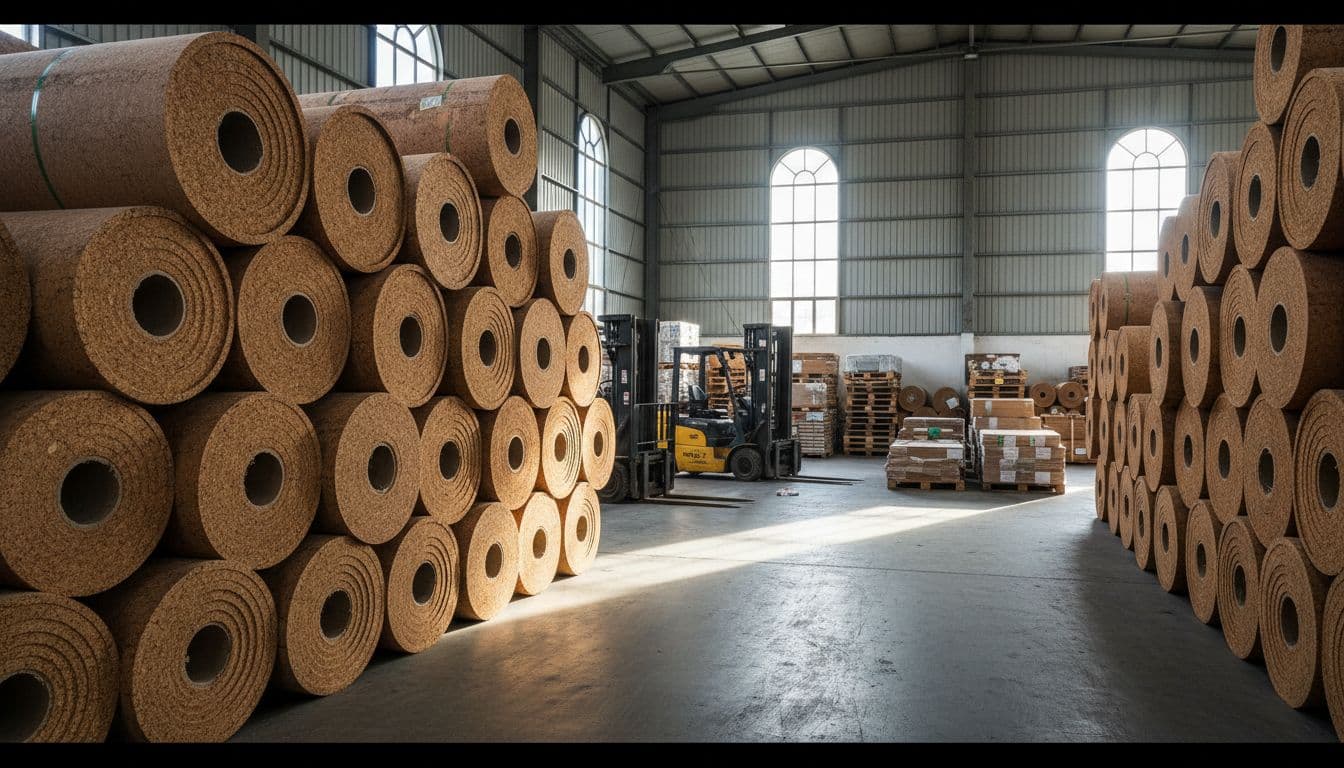
That’s why buyers should ask about density, compression performance, moisture pairing, and source country before they ask about price. Many flooring manufacturing factories build to spec, not to a broad “cork is cork” standard. If your team is weighing cork against other wet-zone options, this guide to 2026 moisture-friendly underlayment for LVP in kitchens is a useful side read.
Why cork still earns a place under floating floor systems
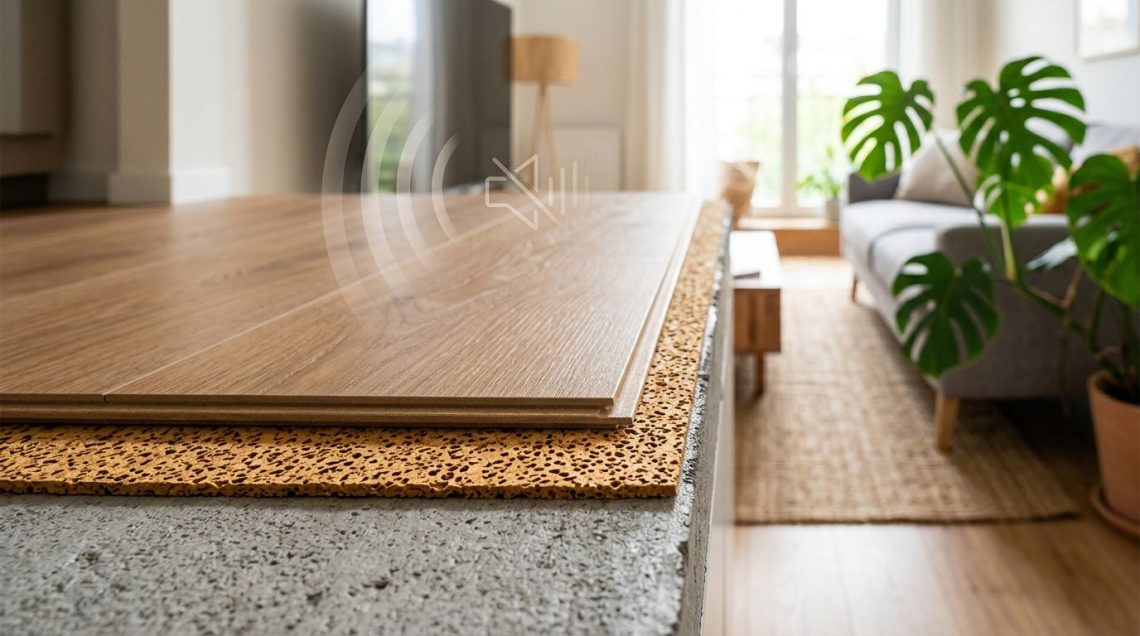
Cork works because it behaves more like a spring than a sponge. It softens footfall, helps tame airborne and impact noise, and holds shape better than bargain foam after repeated loading. Recent industry comparisons keep pointing in the same direction: cheaper foam pads can flatten fast, while cork tends to keep far more of its original body over time.
That matters under click systems. A floating floor is a bridge, not a blanket. When the pad collapses, the locking edges take the stress.
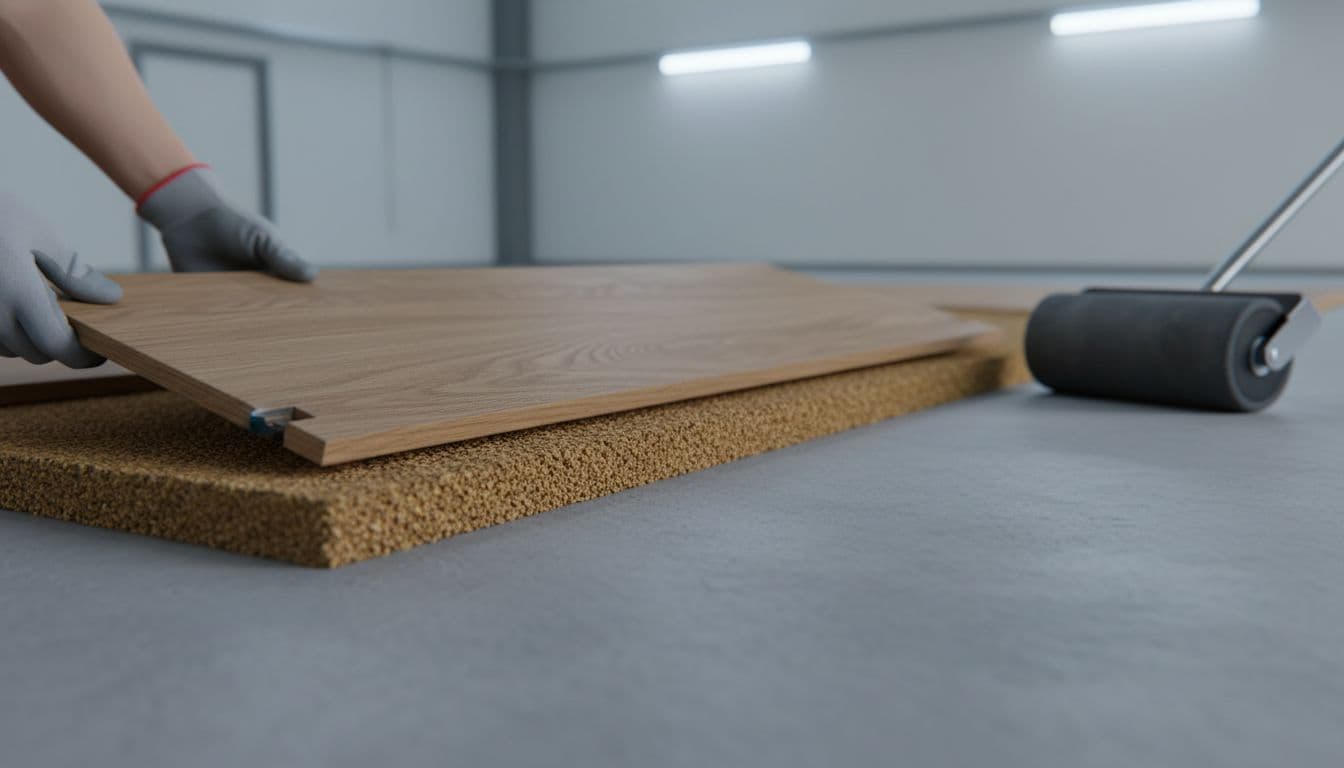
Cork can improve comfort and sound, but it won’t rescue a wet slab or a poorly prepared subfloor.
That warning matters more in 2026 because the newest flooring products often use tighter locking systems and larger formats. Long planks and broad boards look great, yet they punish soft spots and moisture mistakes. Before you pair cork with resilient or engineered products, verify the manufacturer rule on attached pads and double underlayment. Also, keep moisture testing in the process. This walkthrough on subfloor moisture testing before LVP install covers the jobsite side well.
Current Floating Floor Guide 2026 coverage in flooring news also reinforces a basic truth: floating systems succeed as assemblies, not as single products. Cork fits that thinking. So does the long-running case for acoustic and thermal performance in Jelinek’s cork underlayment performance overview.
Where sourcing gets sharper in 2026
This year’s flooring trends push cork from “nice extra” toward “practical upgrade.” Warm wood visuals, matte finishes, and quieter interiors line up well with cork’s feel underfoot. On the retail side, customers chasing the newest flooring trends and products often ask for comfort without wanting carpet. Cork answers that better than many thin foams.
Show activity matters here. Annual flooring shows still give buyers something a product page cannot: rebound, density, and feel. Regional buyer events remain important because decision-makers want to see materials in person, not just on screens. The Wood Flooring 2026 Expo is one event worth watching, and broader flooring industry news points to stronger training and product education across the market.
That fits the wider backdrop. Suppliers are talking more about test methods, documentation, and material inputs. Buyers should expect more questions about emissions, source transparency, and long-term compression. In other words, cork is no longer judged only as an “eco” add-on. It is judged as a performance layer.
For stores and distributors, this changes the sales conversation. The best move is to connect cork to real jobs: upstairs bedrooms, condo remodels, engineered wood over concrete, and floating floors where a quieter walk sells the room. If you also track design demand, these 2026 flooring trends warm wood tones show why softer, warmer interiors keep pulling cork back into the mix.
Conclusion
The 2026 market doesn’t show a broad cork shortage. It shows a buying challenge. Cork underlayment supply is available, but matching the right cork to the right floating system takes more discipline than ever. When buyers treat underlayment like part of the floor, not an afterthought, margins, performance, and customer trust all get stronger.