If you sell floors for a living, you already know the truth: customers buy the look first. Then they ask about wear layers, warranties, and water resistance.
In 2026, that “look” still depends on a surprisingly old-school input, printed decor paper. When decor paper bottlenecks hit, the impact shows up fast in laminate collections and, in a different way, in rigid core visuals. Colors arrive late, best-selling oaks get recycled, and the newest launches quietly slip a quarter.
The bottom line is simple. If your team follows the newest flooring trends and products, you also need to follow the materials and print capacity that make those visuals possible.
Why decor paper still controls what customers see (and why rigid core still feels it)
Laminate visuals start with decor paper, a printed sheet that carries the wood or stone image. That paper gets resin-impregnated, pressed, and protected under a durable overlay. When the image quality is great, laminate can look shockingly close to real wood, especially with synced embossing.
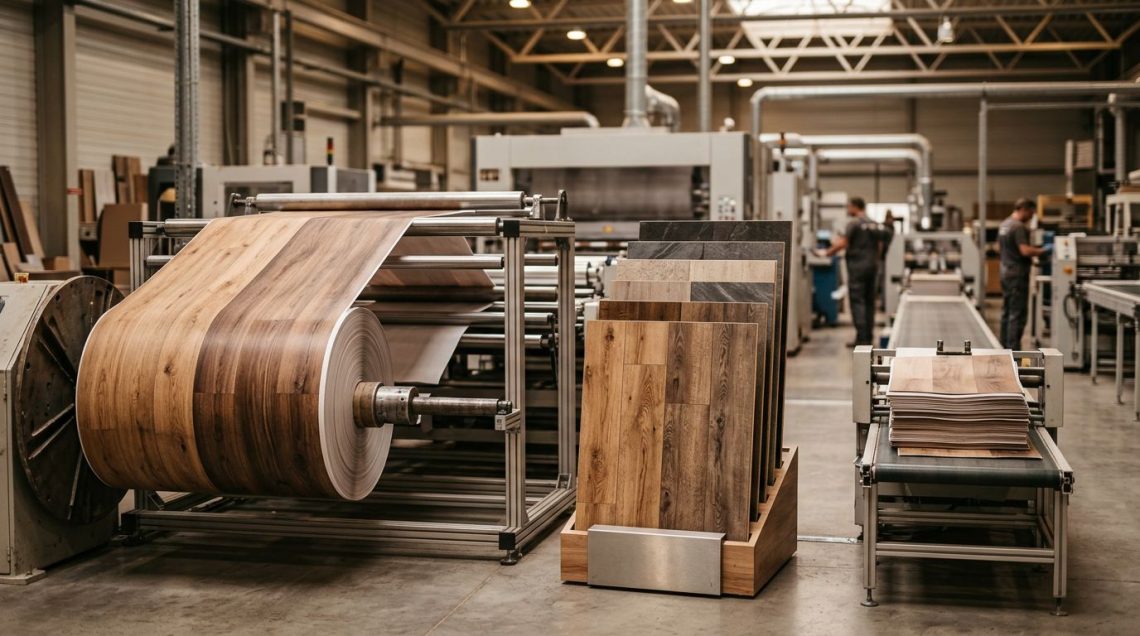
Rigid core products are built differently. Most rigid core LVP uses printed vinyl film rather than paper. Still, the “visual supply chain” overlaps more than people think. The same design studios, scan libraries, color targets, inks, cylinders, and print scheduling constraints influence both categories. When print capacity tightens, everyone competes for the same calendar.
That matters because 2026 styling is not forgiving. Warm, natural tones and low-sheen surfaces are in demand, and small color shifts stand out under modern lighting. If you want a quick internal refresher on the direction customers keep asking for, see these 2026 flooring trends warm tones. Those tastes drive SKU planning, and they also increase pressure on visuals that require tighter color control.
On the market side, consumer-facing testing keeps raising expectations too. When shoppers read roundups like Consumer Reports’ best flooring of 2026, “good enough” visuals lose quickly, even when the performance story is strong.
What causes decor paper bottlenecks in 2026 (it’s not one problem)
In March 2026, there isn’t a single widely reported headline saying “decor paper shortage.” Instead, bottlenecks tend to come from normal pressures stacking up at once: design approvals, print scheduling, resin and coating inputs, freight timing, and tight QC rework loops. When any one of those slows, the whole line feels it.
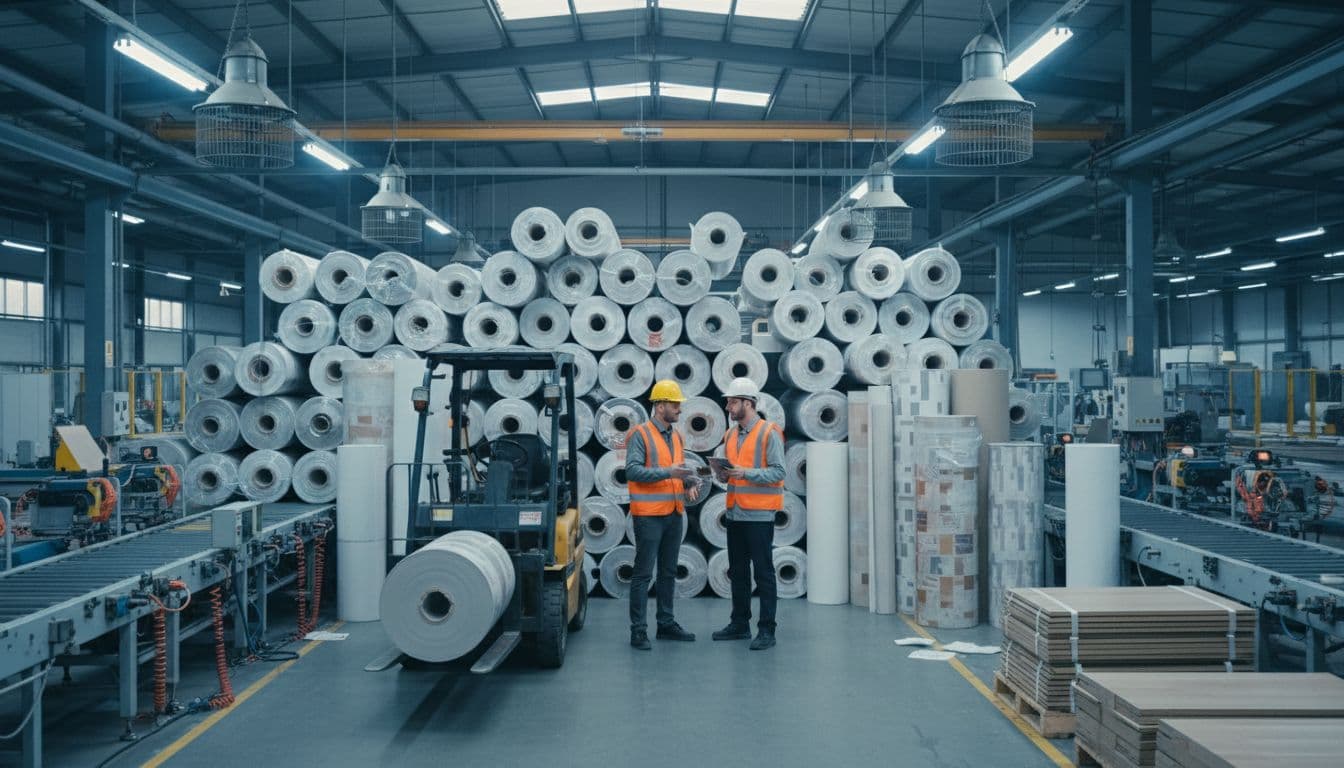
Economic conditions add another layer. Industry outlook coverage going into 2026 has leaned cautiously optimistic, with leaders watching demand signals while staying disciplined on inventory and investment. Floor covering executives have framed 2026 as a year for smart, targeted moves, not loose forecasting, as summarized in FloorDaily’s Executive Outlook 2026.
Here’s a practical way to think about where decor paper bottlenecks form, and what your teams see downstream.
| Bottleneck point | What slows down | What you’ll notice in the market |
|---|---|---|
| Design finalization and color signoff | “Approved” visuals queue up | Launches slip, reps show “coming soon” boards |
| Print scheduling and cylinder availability | Press time becomes scarce | Fewer new visuals per collection update |
| QC rejects and re-runs | Scrap rises, lead times stretch | Certain colors go “out of stock” repeatedly |
| Resin and coating constraints | Paper can’t be finished on time | Same visual offered in fewer gloss levels |
The takeaway is uncomfortable but useful: even with steady demand, visuals can get constrained because the pipeline has a choke point upstream of the press line.
When the visual layer is late, everything else becomes a workaround, even if the plant can press boards all day.
How laminate visuals change when decor paper gets tight
Laminate has positive momentum heading into 2026, and industry forecasting has pointed to steadier growth as the category benefits from value positioning and improved performance stories. Still, visual availability decides whether that optimism turns into orders.
When decor paper bottlenecks show up, laminate teams often respond in predictable ways:
Product lines narrow toward “safe” visuals. That usually means more mid-tone oaks and fewer risky fashion colors. It also leads to repeat patterns across brands, because everyone pulls from similar sources.
Details get simplified. Registered embossing and specialized surface effects are easier to plan when paper supply is stable. When supply feels uncertain, teams may choose visuals that tolerate small shifts better, even if the floor looks flatter under direct light.
Retail merchandising gets harder. A dealer might build a display around a warm, matte plank, then learn the paper lead time changed. Now the store has a hole in the story, right where customers ask about the newest flooring products.
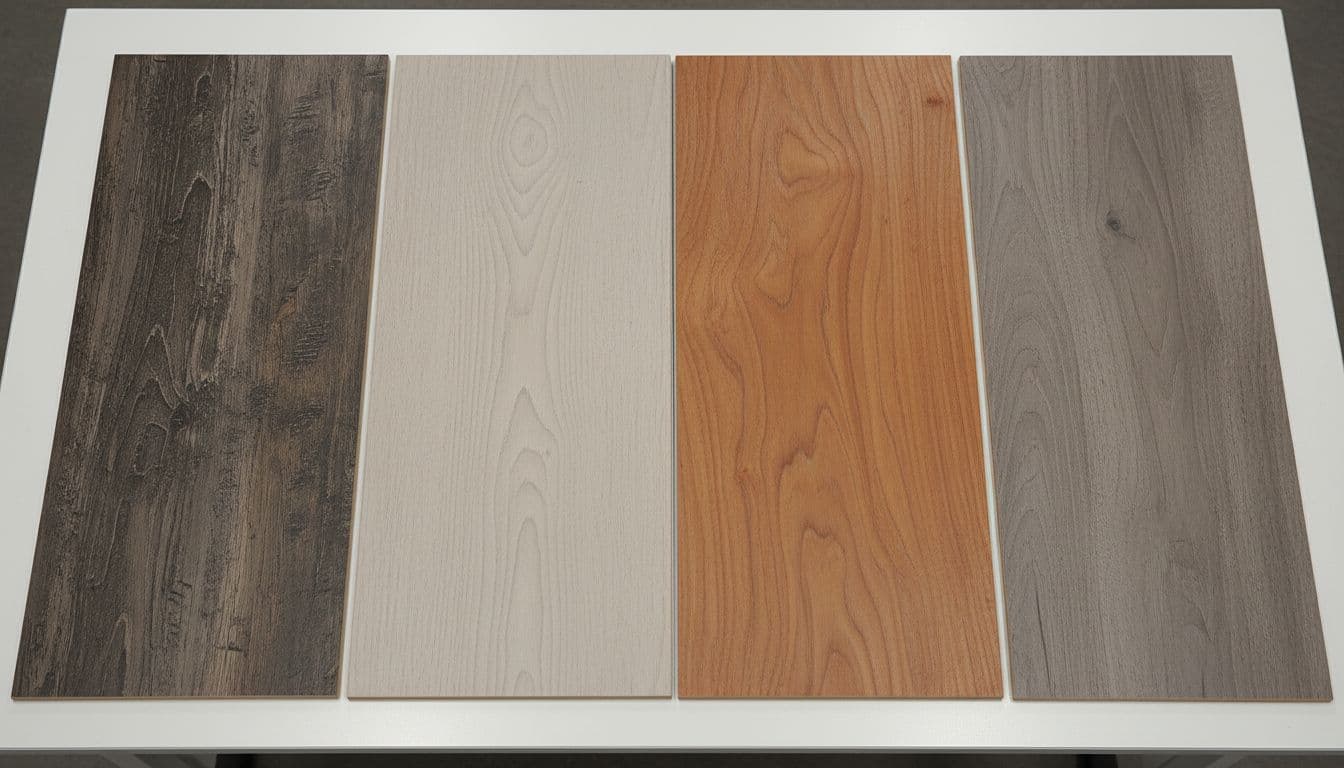
This is why laminate marketing claims need to match operations. “New visual tech” sells, but dealers remember which SKUs stayed available. In day-to-day flooring news, availability often matters more than hype.
Rigid core visuals in 2026: the bottleneck looks different, but the pain feels familiar
Rigid core doesn’t live and die on paper the way laminate does, yet the visual story can still get squeezed. Print film capacity, emboss tooling schedules, and pattern development timelines are real constraints. When those get tight, rigid core brands tend to protect their high-volume visuals and slow the long-tail SKUs.
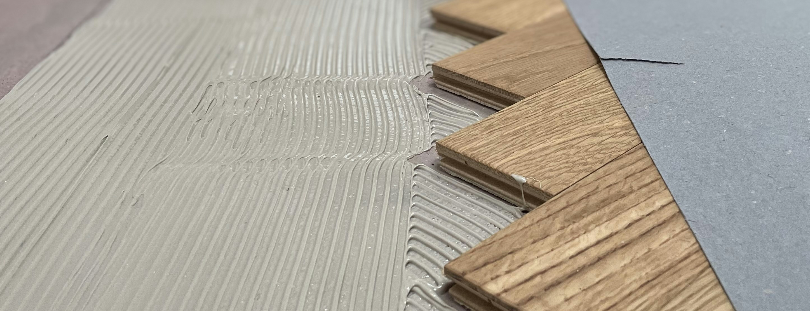
You can see the effect in today’s shopping behavior. Customers want more pattern options, including herringbone and smaller formats, but those patterns can be harder to keep consistent. Retail examples like this waterproof rigid core herringbone plank show where demand is headed. The catch is that pattern formats increase the number of pieces and the visual repetition customers can spot.
Annual product reveals also keep raising the bar. Surfaces (TISE) early this year leaned into realism, comfort, and upgraded constructions in WPC and hybrid rigid cores, which lines up with what many teams have reported from the show floor. Coverings 2026 will bring more tile and stone inspiration into hard surface styling, which tends to push rigid core visuals to mimic nuanced stone movement even more closely.
In other words, rigid core visuals may not depend on paper, but they do depend on the same crowded race to release “new” looks on time.
What to do now: protect visuals without freezing innovation
This isn’t only a design problem. It’s a planning problem that touches merchandising, forecasting, and supplier management inside flooring manufacturing factories.
A few moves help in 2026:
Lock a “core visual set” early. Keep your top sellers on visuals with stable supply, then treat fashion SKUs as controlled bets.
Build time for lab and line approvals. Color and sheen targets need room for iteration, especially on warm tones where shifts show quickly.
Reduce showroom whiplash. Retailers can merchandise around visuals that will actually ship. That supports trust and helps close sales on newest flooring trends and products.
Track compliance and material transparency. Industry work on testing and inputs is increasing, including efforts to detect substances like PFAS in manufacturing streams. For context, see Shaw’s PFAS testing methodology coverage. Even when it’s not directly tied to decor paper, it signals where documentation expectations are heading.
Education and face-to-face sourcing still matter too. Installer training calendars, including NTCA’s January 2026 training schedule, help reduce callbacks that unfairly get blamed on “bad product.” On the buying side, regional markets also remain a practical way to compare textures in person, as promoted by Flooring Markets trade shows. That’s where many teams first see which visuals are real, and which ones are still only brochures.
Conclusion
Decor paper bottlenecks don’t always make headlines, but they quietly shape which laminate looks win in 2026, and which rigid core visuals get delayed or simplified. Brands that connect visual planning to real supply constraints keep collections fresh without breaking promises to dealers. Stay close to flooring industry news, keep assortments realistic, and use annual flooring shows to verify what’s truly ready to ship. What visual is your market asking for most right now, warm oak, stone, or pattern layouts?