Ever walked a finished room and heard that low, hollow “thunk” under your boot, like the floor turned into a cardboard box? Click-lock luxury vinyl plank (LVP) hollow spots on concrete are one of the fastest ways to earn a callback, especially when the job looks perfect but sounds wrong.
The tricky part is that “drummy” sound can come from more than one place. Sometimes it’s a harmless acoustic effect of a floating floor. Other times it’s a real void that will turn into movement, broken locks, or peaking seams.

Why click-lock LVP has a drummy sound on concrete
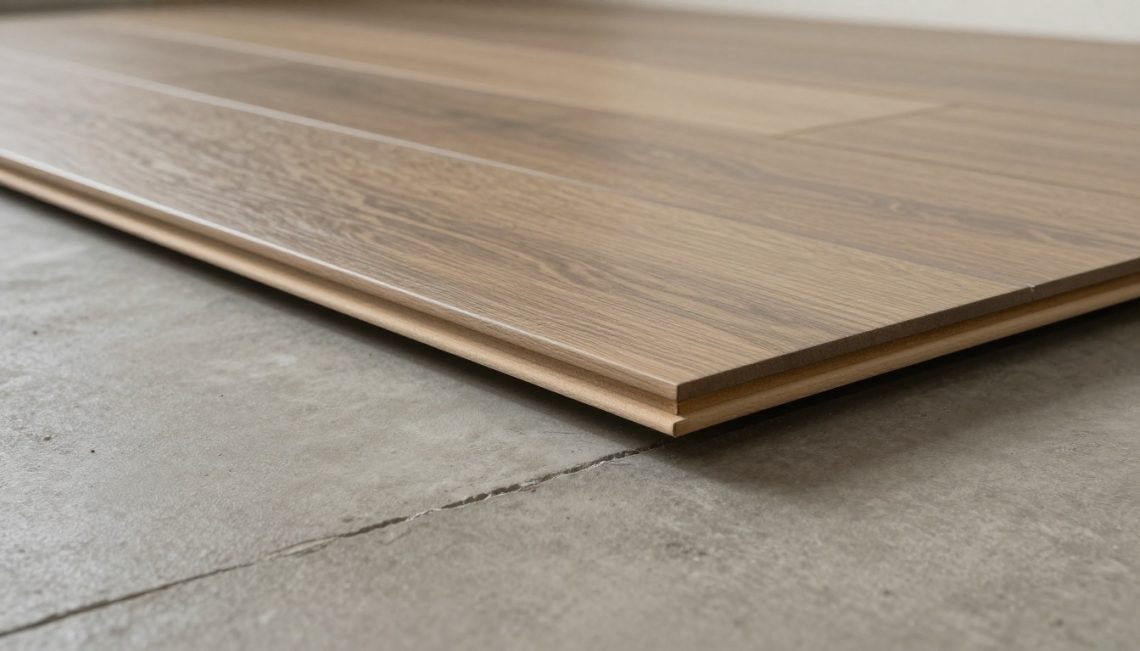
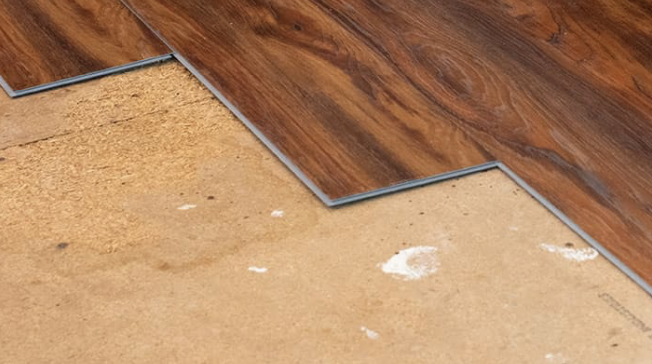
Click-lock LVP is a floating floor system. That means the planks are designed to ride over the slab, not bond to it. Subfloor flatness and substrate flatness are the primary factors in preventing noise in engineered flooring. When the slab isn’t flat enough, the plank bridges a low spot and leaves an air gap. Step on it and you get that drum sound, the same way a speaker cabinet amplifies a tone because it has empty space inside.
A few common jobsite causes show up again and again:
Proper subfloor prep eliminates subfloor imperfections such as high spots and dips. Even a small “dish” can create a gap under a rigid plank. The floor might feel fine until weight hits the right spot, then it talks back.
Underlayment or moisture barrier issues can add to the effect. A wrinkled poly sheet, a taped overlap that stands proud, or an underlayment that’s too soft can leave micro gaps and make the floor sound louder than it should.
Debris is another culprit. Grit, drywall mud, or a stray tile spacer under a plank doesn’t just make noise, it can stop the click profile from seating fully, which creates both a sound pocket and a weak joint.
Plank construction matters too. Some rigid-core builds transmit impact sound sharply, especially LVP on concrete in big, open rooms with hard walls. That’s why acoustic backers and pad choices have become such a hot part of product conversations in 2026, as they boost acoustic performance through better Impact Insulation Class and Sound Transmission Class ratings.
One more point that helps with expectations: hollow sound is not always a failure by itself. Industry guidance for wood floors notes that sound alone can be present even when performance is fine, as long as there’s no vertical movement or deflection. Ignoring these issues might lead to a denied manufacturer’s warranty claim later. The same logic often applies when troubleshooting floating resilient floors. See the Wood Floor Hollow Spots bulletin for a clear explanation of how “hollow” and “problem” don’t always mean the same thing.
Finding Voids Fast (and Proving What’s Really Happening)
The fastest way to stop guessing is to map the floor like you’d map a squeaky stair. You’re trying to answer two questions: Where is the void, and is the slab the cause or is the click system not seated?
Start with a simple field routine:
- Do a tap test: Use a hard plastic handle or a coin and tap in a grid. Hollow areas ring. Supported areas sound short and tight. These voids often occur over a concrete subfloor that hasn’t met the industry standard of 3/16 inch over 10 feet for flatness.
- Walk it with intent: Heel-toe over the suspected area. You’re feeling for bounce, not just listening for tone.
- Mark the perimeter: Blue tape around the “drummy” zone keeps the diagnosis honest once furniture moves back in.
- Check joint engagement: Look for lifted edges, tight end joints that didn’t lock, or side seams that show a hairline gap.
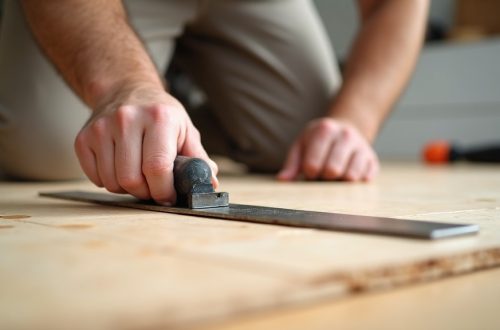
- Verify flatness indirectly: Lay a long straightedge across the marked zone. If you can see daylight or feel rocking, the slab profile is involved. Remember the difference between level vs flat (level is overall tilt, flat is local surface variations).
A quick symptom table helps installers, retailers, and claims teams speak the same language:
| What you notice | Most likely cause | Best confirmation |
|---|---|---|
| Hollow sound, no movement | Acoustic cavity from minor slab dip | Tap test plus straightedge, no bounce |
| Hollow sound plus bounce | True void under plank | Walk test shows floor deflection in the same spot |
| Clicking noise at seam | Lock not seated or debris | Visual seam check, pull one plank to inspect |
Don’t ignore the slab itself. Concrete can have its own hollow spots (surface delamination) that only show up when you start grinding, coating, or loading it. If you suspect the concrete is “drummy” even before flooring, this guide on how to repair hollow spots in concrete is a useful reference for what’s happening below the surface.
The fastest fixes that last (and when they’re a bad idea)
There’s no single “magic fix” for click-lock LVP hollow spots. The fastest lasting repair depends on whether the floor is moving, and whether the void is in the slab profile, the underlayment layer, or the click system itself.
When the sound is annoying but the floor doesn’t move
If there’s no deflection, locks are tight, and the floor is within spec, you may be dealing with an acoustic pocket, not a structural problem. In that case, the lasting fix is rarely surgical. It’s usually about prevention on the next job (better prep, better flatness control, better underlayment selection).
For a finished occupied space, the practical play is to document it clearly (sound map, photos, straightedge result) and align expectations. Many warranty fights start when “drummy” gets treated like “failed.”
When there’s movement, fix the support, not the symptom
If the plank bounces, you’re on borrowed time. The long-life repair is to pull planks back to the area, correct the slab, and re-install.
What that looks like in the field:
- For high spots, grind and clean thoroughly.
- For low spots, use a self-leveling underlayment or other wet topping solutions for precision leveling, then let it cure fully.
- Re-install, making sure the click edges are clean and fully seated.
Yes, it’s slower than a shortcut, but it’s the fix that prevents joint failure in the click-lock mechanism six months later.
The “fastest” repair: adhesive injection into the void
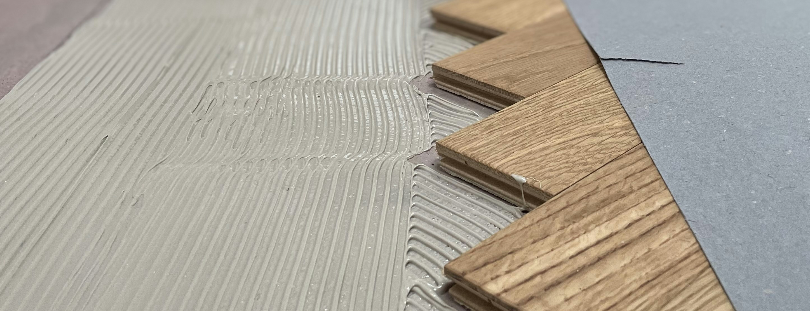
Injection methods can work when the hollow area is small and access is limited. The concept is simple: fill the air pockets to prevent floor flexing and resonance. A field example of this approach is described in injecting adhesive for hollow LVP.
Two cautions for pros:
First, injection can effectively glue down a floating section. That can restrict normal expansion and create stress elsewhere.
Second, it can collide with manufacturer instructions and void the manufacturer’s warranty, so it belongs in the “approved exception” category, not the default playbook.
If you want another perspective on real-world click repairs, see this Ask Ken click LVP repair video, it’s a good reminder that the simplest method is often the one that reduces risk to the locking system.
Why this matters in 2026 (stores, factories, and shows)
In flooring stores, “hollow” complaints land at the service desk even when the install crew did everything right. In flooring manufacturing factories, the push is toward quieter builds, tighter locking tolerances, and backers that reduce impact sound sensitivity.
That’s also why flooring industry news and flooring news coverage has been heavy on click-lock LVP acoustics, material testing, and installation education. Buyers chasing the newest flooring trends and products are also chasing fewer callbacks. At annual flooring shows, the buzz isn’t only colors and prints, it’s performance details like pad stack-ups, locking geometry, and slab prep systems. For a snapshot of what brands are putting in front of dealers right now, the TISE 2026 innovation preview is worth scanning, especially if you’re sourcing newest flooring products and want to ask better questions before they hit your warehouse.
Conclusion
A “drummy” floor is a message, not a diagnosis. When hollow spots show up in click-lock LVP on concrete, separate sound from movement, map the area, and confirm whether the slab profile or the click system is the real trigger. The fastest lasting fix is almost always proper support under the plank, not a cosmetic patch. Tight subfloor prep standards and smarter product choices are still the cleanest way to ensure acoustic performance and keep hollow spots from coming back.
Keep reading
More in Uncategorized: Replacing a single damaged click-lock LVP plank without pulling up half the room, the tool list and the cut-out method that holds tight, How to Remove Scuff Marks From Rubber Flooring Safely, Click-lock LVP under heavy appliances, fridge rollers, ranges, and how to prevent crushed joints.