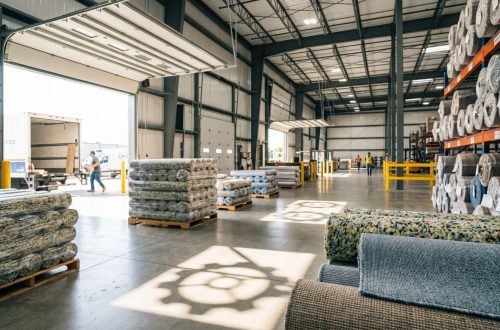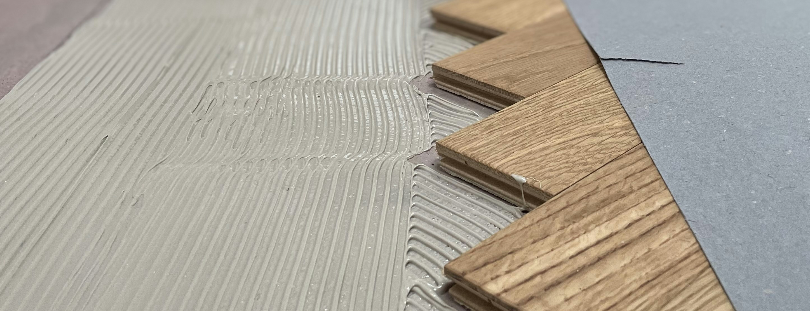
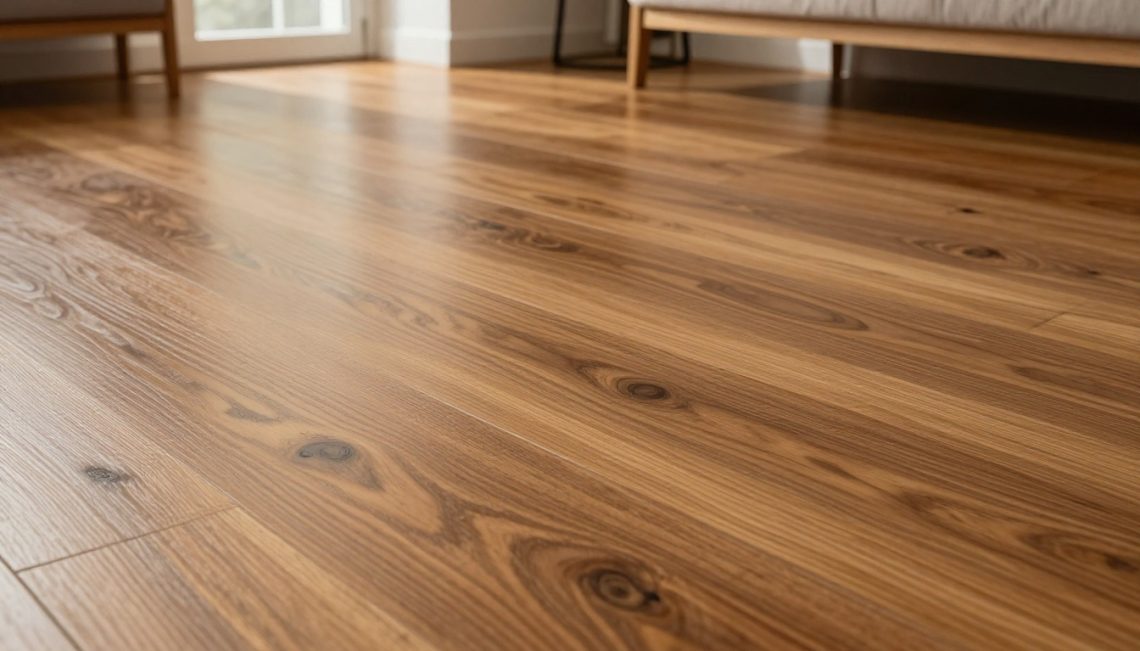
What happens when the face layer gets tight? The whole engineered hardwood line feels it.
In 2026, wood veneer supply looks stable on the surface, but it isn’t loose. No broad shortage has hit the market, yet prime logs remain harder to secure, higher-grade faces cost more, and premium visuals keep pulling demand upward. For mills, distributors, and flooring stores, the watch list is clear: species access, veneer yield, certification, and lead times.
That matters because the face drives the sale. Customers notice grain, color, and character first. If supply shifts, margins, timelines, and claims can shift with it.
Why wood veneer supply feels tighter in 2026
Engineered hardwood keeps gaining ground because it offers real wood visuals with better dimensional stability than solid planks. At the same time, housing activity looks a bit healthier than it did a year ago, and premium wood lines still draw interest. That mix supports demand, even if the broader wood category only posts slow growth.
The pressure point is upstream. High-quality timber is less available because of harvest limits, forest protection rules, weather swings, and uneven regional supply. As a result, face veneer costs have held firm, and some mills have seen slight increases.
Design demand adds more strain. Wide planks, longer boards, matte finishes, and warm oak visuals all need cleaner faces. The move toward latest trends in warm veneer flooring supports sales, but it also narrows the usable veneer pool. Similar signals show up in hardwood flooring trend roundups for 2026, where warm tones and natural character remain front and center.
This quick view shows where the pressure sits:
| Supply signal | Likely effect on engineered faces |
|---|---|
| Tighter prime logs | Higher veneer costs, more grading pressure |
| Wider plank demand | Need for longer, cleaner face sheets |
| Stronger FSC demand | More sourcing checks and paperwork |
| Better cutting tech | Higher recovery, fewer usable sheets lost |
The takeaway is simple. Supply isn’t broken, but it is selective. If your line depends on long, clean, matching faces, you can’t buy like it’s 2021.
What flooring manufacturing factories should track each week
Inside flooring manufacturing factories, veneer yield now matters as much as labor efficiency. A few extra points of face recovery can protect margin when raw wood moves up. That’s why more plants are investing in better slicing, rotary peeling, laser-guided cutting, and tighter grading controls.
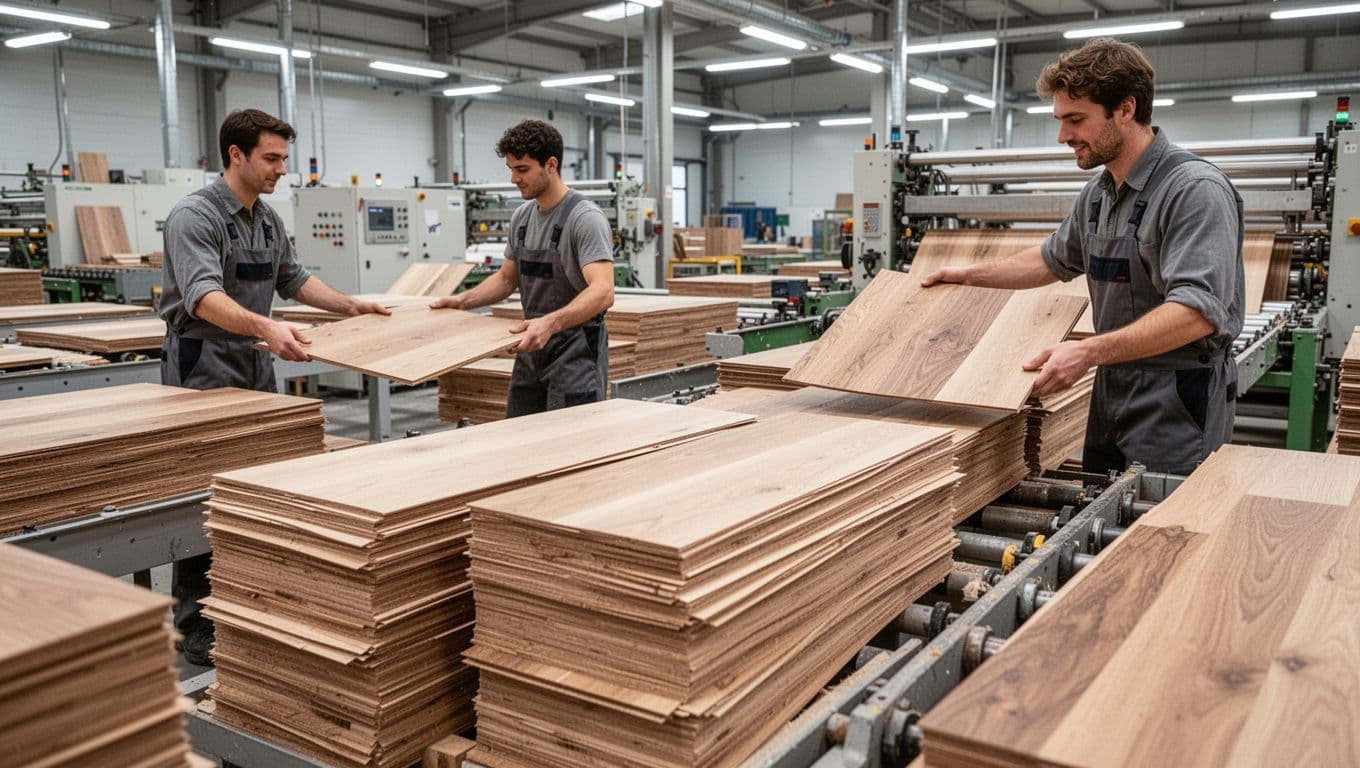
Procurement teams should also watch source diversity. A mill that relies too heavily on one species or one region carries more risk. In 2026, many buyers are qualifying backup options sooner, including alternate cuts, nearby species looks, and different finish recipes that preserve the target color.
Certification remains part of the supply story, too. Buyers increasingly ask where the wood came from and whether chain-of-custody claims can back it up. FSC and similar programs don’t just serve marketing. They affect vendor choice, lead times, and plant paperwork.
Market watchers still expect growth ahead for veneer-based products. A global veneer panel market forecast points to a larger market over the next several years, which helps explain why manufacturers keep upgrading recovery systems and sourcing controls now.
If you’re buying veneer for face lamellas, track four numbers every week: usable yield, defect rate, lead time, and substitute approval status. Those four tell you more than a polished quarterly deck ever will.
Face veneer specs that protect margins and claims
When supply gets tight, some buyers focus on price first. That’s risky. The smarter move is to protect the specs that matter most in the field.
For engineered hardwood faces, that means checking wear-layer thickness, cut quality, moisture balance, core density, and bond performance together. A beautiful face over a weak build is like fresh paint on soft drywall. It looks fine, until real life shows up.

Photo by cottonbro studio
The face layer sells the floor, but the core protects the claim rate.
Premium programs deserve extra care here. Thicker faces, longer boards, and wire-brushed or low-sheen finishes still lead many flooring trends, but they can expose variation faster if grading slips. The same goes for water-resistant engineered lines. A strong finish system helps, yet it doesn’t erase poor veneer selection or uneven moisture control.
Retail teams should think the same way. Customers asking for the newest flooring products often compare near-identical colors from different brands. What they don’t see is the face quality, layer build, and factory discipline behind each board. That hidden structure often separates a smooth install from a costly callback.
For buyers, a good spec sheet should answer five things fast: species, cut, wear layer, core build, and finish system. If one of those stays vague, press harder before the PO goes out.
Flooring news and annual flooring shows still shape veneer buying
Recent flooring news points in one direction. Wood looks more optimistic than it did last year, laminate may pick up, and tile growth looks modest. At the same time, training and product transparency are getting more attention, including better testing around manufacturing inputs.
That wider flooring industry news matters because veneer decisions don’t happen in a vacuum. Buyers still use annual flooring shows and regional markets to compare color, texture, and face quality in person. Surfaces, Coverings, and regional Flooring Markets still matter for one simple reason: screens flatten wood.
For stores and distributors, those events remain the fastest way to review the newest flooring trends and products side by side. They also help teams compare the newest flooring products under real light, with real hands on the boards. That matters when warm visuals, matte finishes, and tactile surfaces dominate launch conversations. Broader veneer design forecasts echo that same pull toward touch, authenticity, and long-term performance.
In short, trade events still do what samples mailed in a box can’t. They let buyers see if a face is consistent, if a finish hides noise, and if a vendor is ready for scale.
Conclusion
The 2026 story is not panic, it’s discipline. Wood veneer supply for engineered hardwood faces remains workable, but only for buyers who track yield, protect specs, and qualify backups early. If you wait for a shortage headline, you’re already late. The safer move is to buy with your next quarter in mind, not your next container.