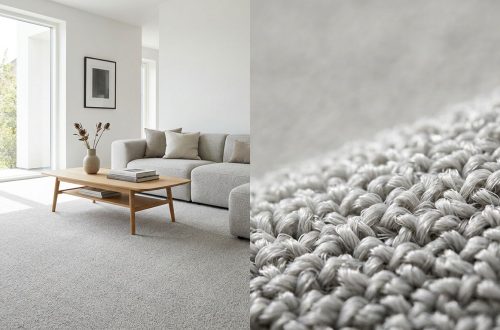
A carpet line can look busy and still be one late truck away from trouble. That’s why SBR latex supply (styrene butadiene copolymer, a synthetic rubber) deserves close attention in March 2026.
For broadloom and carpet tile, SBR latex is less visible than face fiber or pattern. Still, it often shapes cost, cure speed, and ship timing. The market doesn’t show a confirmed carpet-specific shortage today, but the warning lights are on.
What the March 2026 supply picture shows
The main issue is not one dramatic shutdown in U.S. carpet. It’s a stack of smaller hits that raise risk at the same time.
Recent updates point to a March 10 price increase from Zeon, a major adhesive manufacturer for industrial use, tied to higher raw material costs of butadiene and styrene. Meanwhile, China’s SBR production fell more than 20 percent in December 2025, with a sharp full-year drop as well. South Korean petrochemical output has also felt pressure from naphtha tightness linked to Middle East conflict. On top of that, freight and cargo insurance costs have moved higher.
That mix matters because broadloom and carpet tile buyers don’t purchase SBR latex, the synthetic rubber adhesive used in mills, in isolation. They buy into a cost chain that also includes fillers, backing components, energy, and transport. Analysts still expect carpet-linked demand to hold up, as seen in an SBR latex market forecast report. At the same time, the broader tone in FCNews’ 2026 growth outlook is cautious, not overheated.
These are the signals worth tracking now:
| Signal | What it means for carpet | What to watch |
|---|---|---|
| Petrochemical inflation | Higher binder costs, maintaining stable properties despite feedstock shifts | New quote language, shorter validity |
| Asian output cuts | Less room for import backfill | Longer replenishment windows |
| Higher freight and insurance | More landed-cost risk | Sudden quarter-end resets |
The 2026 risk isn’t empty tanks everywhere. It’s uneven cost shock, quiet formula pressure, and late quote revisions.
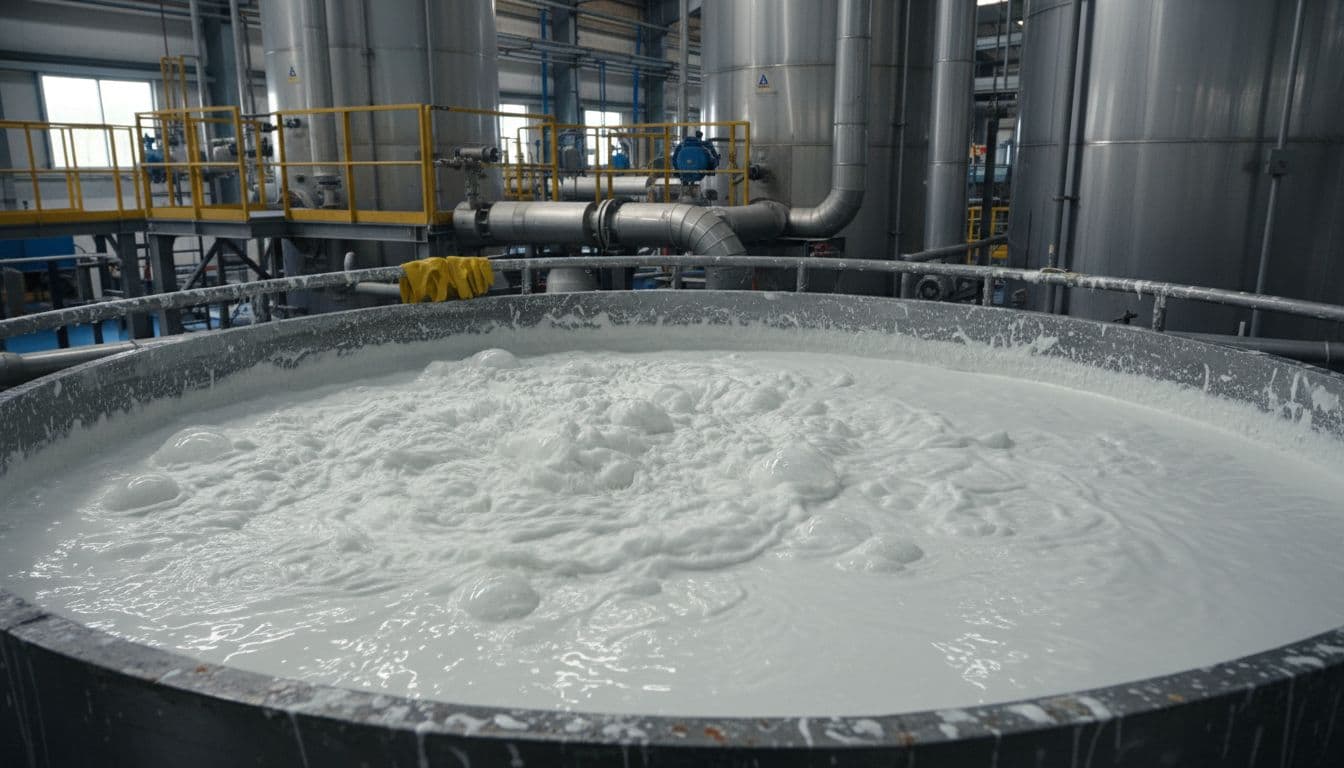
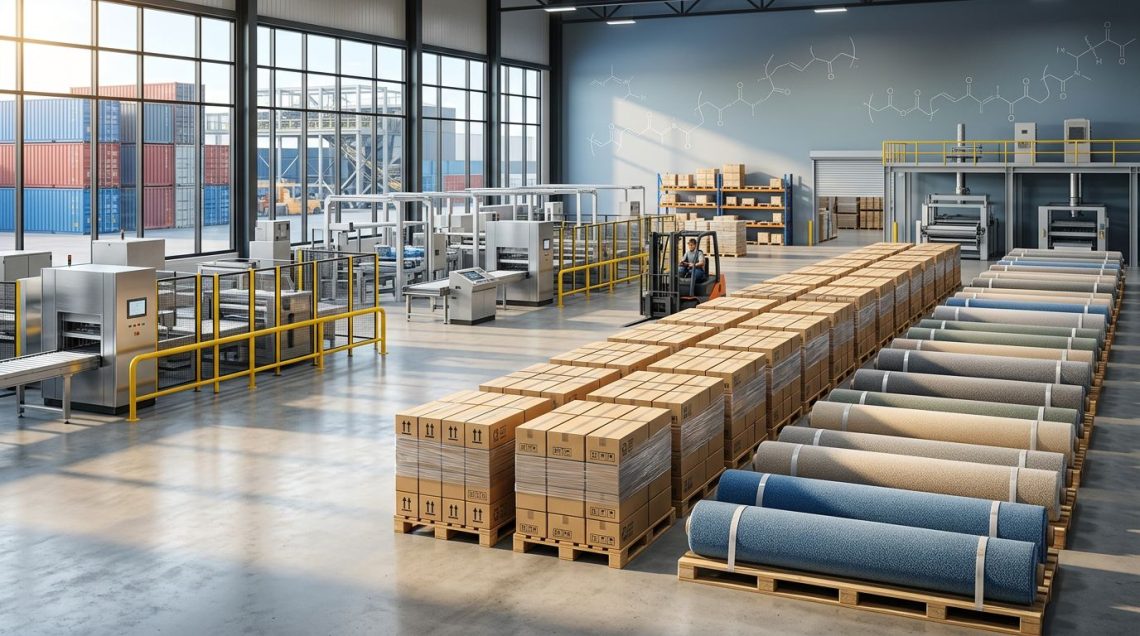
For purchasing teams, that means SBR latex supply belongs on the same watch list as nylon, resin, and freight. If replenishment windows stretch even a little, treat that as an early signal, not background noise.
Why broadloom and carpet tile feel SBR latex pressure differently
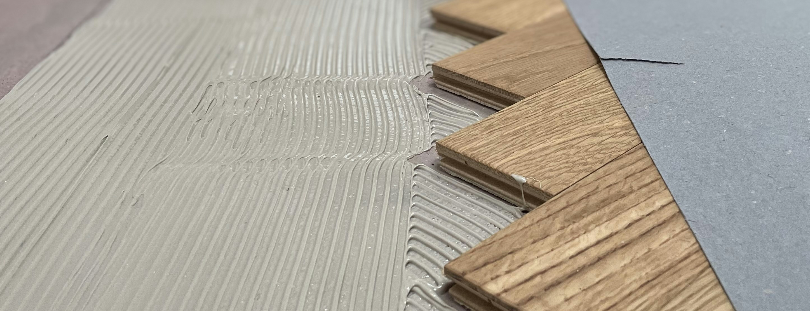
Broadloom usually feels SBR latex pressure first in backing cost and plant flow, especially its impact on bonding strength when bonding fibrous materials like secondary backings. A mill can sell the face fiber story, but the backing line still has to run on time. If latex shows up late, cure schedules can slip and roll output can tighten.
Carpet tile follows a different pattern. Many modular systems use layered backing structures with custom adhesive formulations and adhesive rubber products, and not every construction carries the same SBR load. While synthetic options like SBR help manage costs, natural rubber faces higher prices and tighter availability. Some programs have more room to adjust filler levels, coat weights, or binder blends. Others have far less. So the right question isn’t, “Is carpet tile safe?” It’s, “Which tile platform has formula flexibility, and which one doesn’t?”
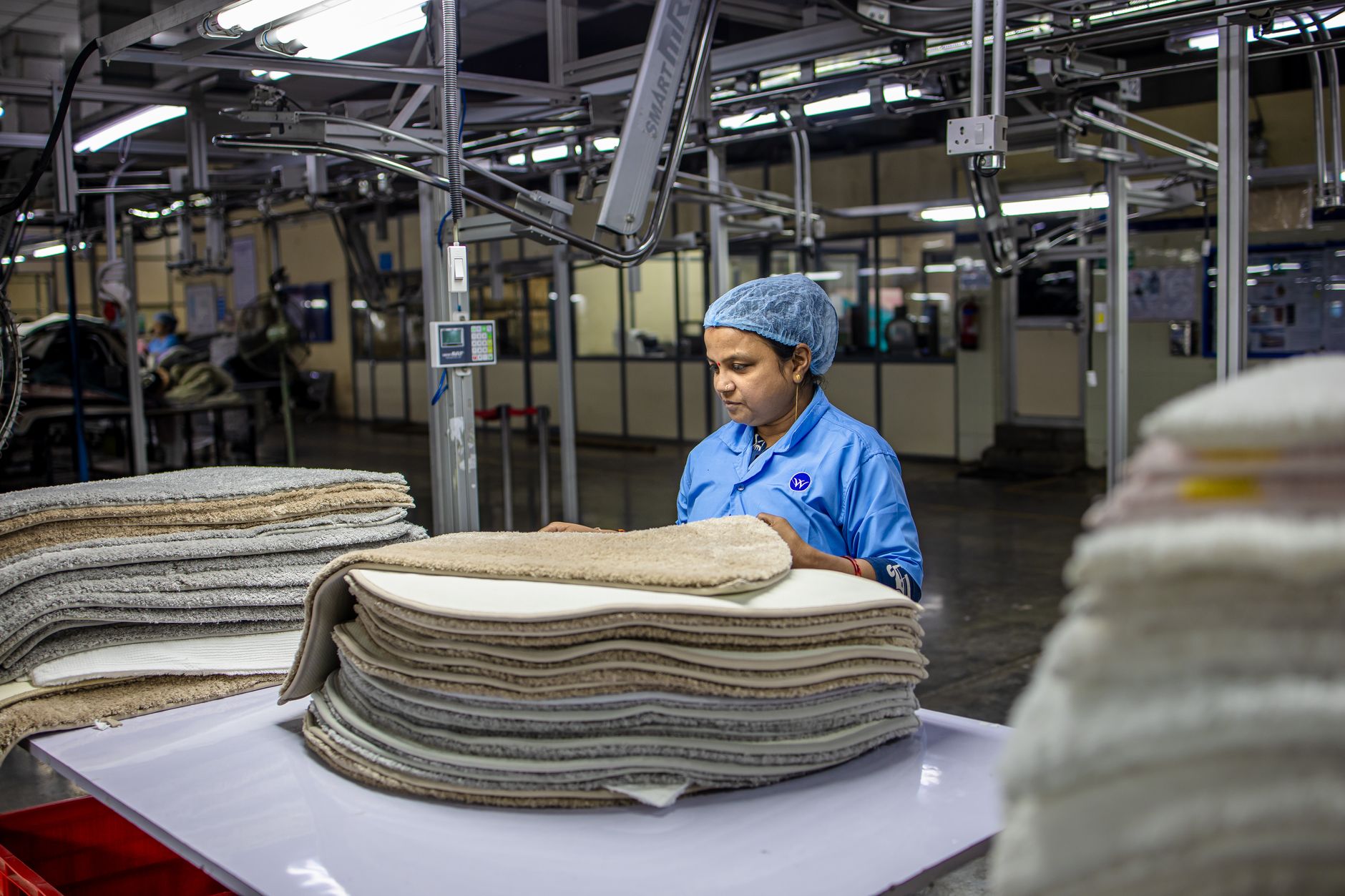
Photo by EqualStock IN
Inside flooring manufacturing factories, buyers should listen for a few plain terms: tuft bind, delamination risk, dimensional stability, and odor control. These relate to durable adhesive solutions that must remain water resistant and act as effective bonding agents. When mills tweak formulas, those are often the first checkpoints. SBR latex, a historically cost-effective adhesive now under price pressure, draws extra attention here. Shaw’s recent work on PFAS detection also shows how much more scrutiny product chemistry gets today. A simple binder change can trigger testing, documentation, and customer questions.
Demand signals add another layer. Current flooring news suggests 2026 should bring mild growth in some categories, with laminate showing better energy and wood looking steadier than it did a year ago. Yet housing remains uneven. Existing-home sales improved modestly late last year, while many owners still don’t want to give up older low mortgage rates. Consumer sentiment also stayed soft. In other words, demand is alive, but selective. That favors mills that protect lead times on core SKUs over long-tail custom runs.
What buyers, distributors, and mills should do at annual flooring shows
The smartest supply checks may happen away from the loading dock. They often start at annual flooring shows, distributor meetings, and supplier reviews.
Events like Surfaces, Coverings, and regional Flooring Markets are built around the newest flooring trends and products. That’s useful, but it can also distract from harder supply questions. When buyers chase the newest flooring products for commercial use, including those featuring hot melt adhesives or multi-purpose adhesive, they should also ask how much latex exposure sits behind those launches, whether formulas are fixed, and how long pricing stays open.
A few questions can save a lot of trouble later:
- Ask about binder exposure: Find out whether the product relies on one formula or has approved options within spec, such as water-based contact cement, solvent based contact cement, or pressure-sensitive adhesive to contrast with standard rubber adhesive.
- Separate core SKUs from custom work: Standard programs usually get first priority when supply tightens.
- Recheck quote timing: A 30-day assumption may fail when feedstock moves fast.
- Request testing updates: If a mill changes chemistry, ask what performance checks were re-run, including adhesion to porous or non-porous substrates.
This is also where flooring trends and supply reality meet. A great new pattern means less if the backing recipe moves mid-quarter, especially as products like rubber cement and label glue compete for the same synthetic rubber feedstocks that drive SBR latex availability. That’s why regular flooring industry news and plain old flooring news checks matter more than they did a few years ago. The broader floor coverings market outlook for 2026 to 2031 still points to growth, but short-term swings can beat the long view.
Carpet supply problems rarely arrive with sirens. More often, they show up as a revised quote, a pushed ship date, or a quiet formula change.
For 2026, the best move is simple. Treat SBR latex supply as a live buying variable, not a background item. Ask harder questions now about custom adhesive formulations, protect core programs, keep one eye on SBR latex at the factory, and watch the market.