Is IXPE underlayment getting tight in 2026, or is the market simply shifting under our feet?
For flooring stores, distributors, and plant buyers, the answer sits somewhere in the middle. Supply is available, but the buying pattern has changed. Loose-roll IXPE still matters for floating LVP, yet more volume is moving into attached-pad programs, private-label packages, and system-based sourcing. That change affects lead times, margins, and specs long before a pallet hits the dock.
At the same time, housing demand still leans toward remodel work, not just new construction. That keeps floating LVP active, especially where customers want waterproof claims, quieter rooms, and fast installs.
What the 2026 IXPE underlayment market looks like right now
The short version is simple. There is no clear sign of a broad IXPE shortage in early 2026. However, supply isn’t as relaxed as it looks from the sample rack.
Current market signals show overseas factories holding stock in common thicknesses, while domestic capacity is improving in select channels. At the same time, pricing can still jump because imported chemicals, films, and related components remain exposed to tariff pressure. A January 2026 floor prep and underlayment market report pointed to softer packaged underlayment sales, yet it also noted that tariffs keep squeezing many finished flooring inputs.
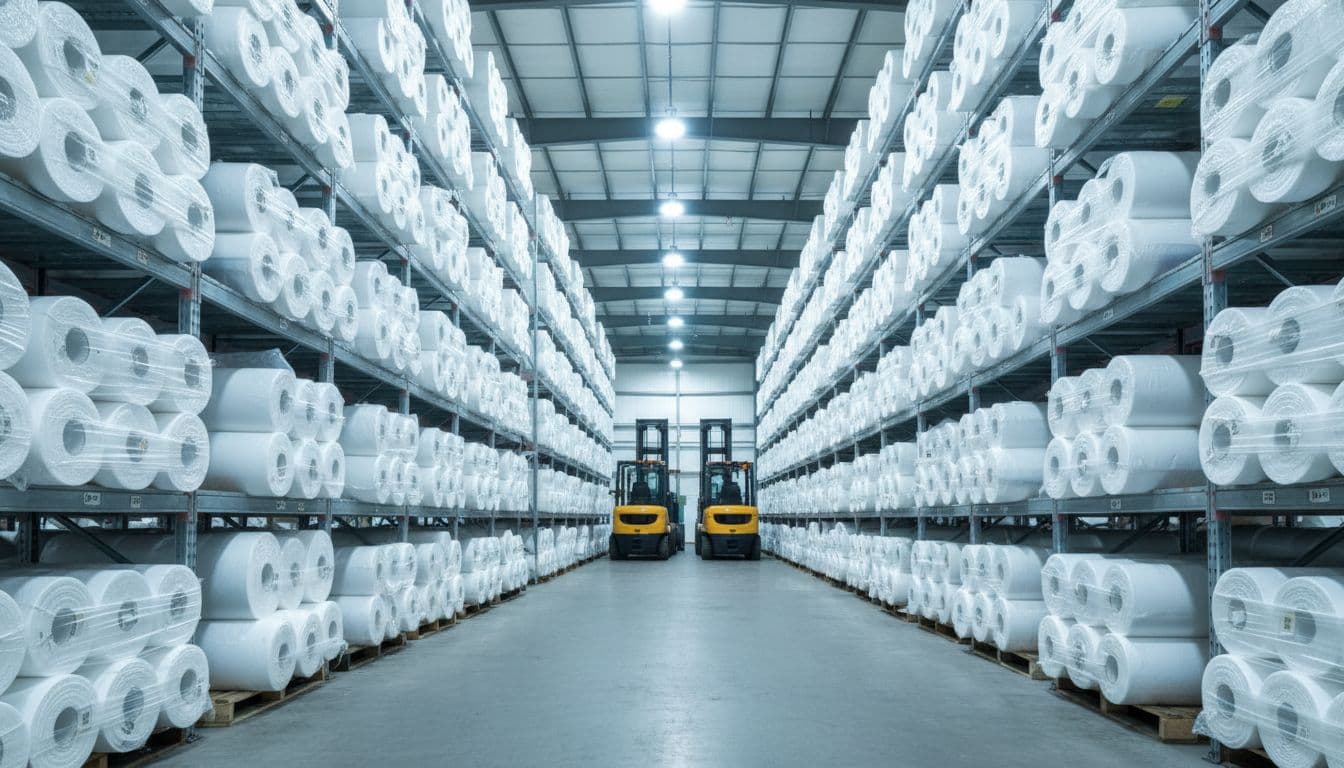
That matters because buyers are not just sourcing foam. They are sourcing foam, film, tape systems, packaging, and freight reliability. For floating LVP, those details decide whether a product lands as a clean 3-in-1 story or a callback risk.
This quick snapshot helps frame the market:
| Supply signal | What it means for floating LVP buyers |
|---|---|
| Overseas stock remains available | Fast samples are common, custom runs take longer |
| Some U.S. capacity is expanding | Replenishment may improve for domestic programs |
| Tariffs still affect inputs | Quotes can move even when roll goods are in stock |
| Attached-pad LVP keeps growing | Loose-roll IXPE faces more selective demand |
So, supply is there. Still, it isn’t a free-for-all. The safest read for 2026 is this: buy on spec, not on habit.
Why IXPE demand is shifting inside the LVP channel
A few years ago, IXPE often sat in the background, a simple add-on under click floors. Now it is part of the sales story. That shift explains why supply feels uneven.
Retailers chasing the newest flooring trends and products aren’t only looking at plank visuals. They are also looking at sound ratings, moisture control, comfort, and attached backing options. In other words, the underlayment is no longer the hidden layer. It has become part of the promise.
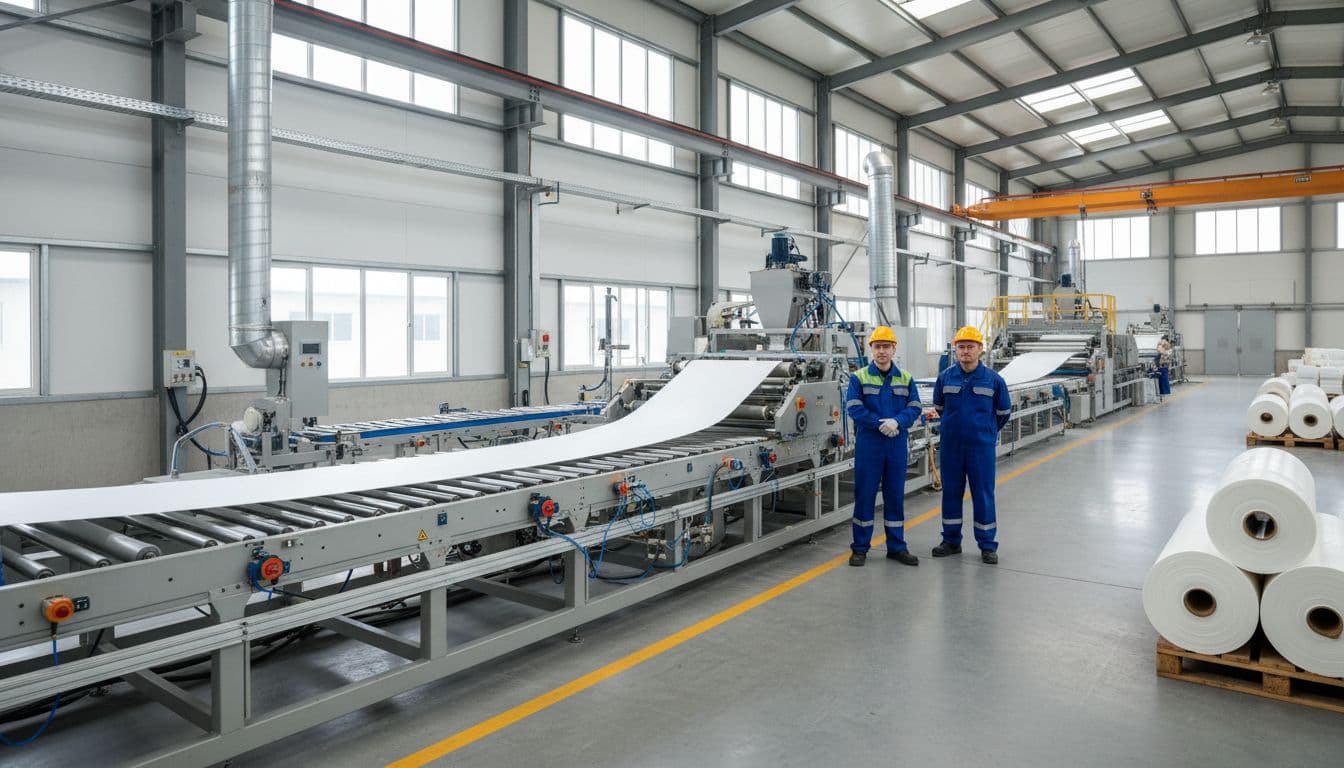
That change starts in flooring manufacturing factories. Many are building LVP and SPC lines around factory-attached pads, not just loose accessories. As a result, some IXPE volume is moving away from open-market rolls and into OEM programs. Buyers who depend on generic replacement stock can still source it, but they should expect tighter choice around density, embossing, and film combinations.
This is also where annual flooring shows matter. At shows, suppliers present new constructions before most buyers see them in the field. A recent TISE 2026 underlay materials showcase highlighted advanced underlay solutions tied to modern flooring systems, which fits the wider push toward quieter, thinner, and more integrated products.
Trade coverage points the same way. Recent flooring industry news on a 2026 systems pivot suggests suppliers want to sell a full performance package, not just a roll of foam. That’s why the newest flooring products often arrive with attached pads or tightly controlled accessory specs.
The biggest 2026 risk is not a missing roll, it’s buying the wrong IXPE construction for the LVP system.
How flooring stores and manufacturers should buy IXPE underlayment in 2026
For pros, the smart move is to treat IXPE like a specification item, not a filler product. Ask four plain questions before you buy: Is the pad approved for that exact floor, does it carry the needed vapor layer, what is the compressive strength, and how consistent is the lot from batch to batch?
Those questions matter more now because flooring trends favor wider, stiffer floating planks. A weak or overly soft pad can turn a clean install into a noisy, flexing floor. On the other hand, the right IXPE can help with sound, moisture control, and slight subfloor forgiveness.
If your business handles wet-room LVP, this guide on IXPE underlayment for moisture control in LVP kitchens is a useful companion. It lines up with what many crews are seeing in kitchens and baths, where vapor and edge sealing matter as much as the pad itself.
The same rule applies to attached-pad products. Don’t double-pad unless the floor maker approves it. That old habit still causes avoidable failures.
Recent flooring news also points to tighter review of material inputs and better installer education across 2026. That is a healthy sign. It means suppliers, retailers, and contractors are finally treating the whole floor assembly as one system. For buyers, that also means product data sheets, acoustic reports, and moisture details should come earlier in the sale, not after the claim.
Watch show floors, but also watch the paperwork. That’s where the real supply story lives.
Conclusion
The 2026 market for IXPE underlayment is not defined by panic buying. It is defined by smarter buying. Supply exists, yet attached-pad growth, tariff-sensitive inputs, and system selling are changing how floating LVP buyers should plan. If you follow the specs, track trade-show signals, and keep a close eye on supplier consistency, your underlayment strategy will stay steady even when the market doesn’t.