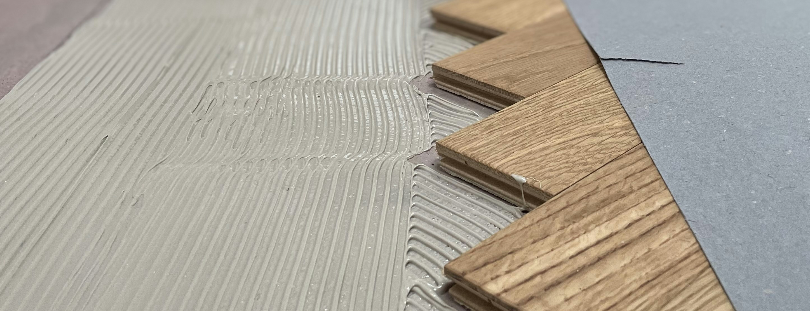

A hospital spec can turn a normal order into a slow-moving file. In April 2026, that matters because sheet vinyl lead times are less about panic and more about hidden friction.
Public sources don’t show broad, brand-wide lead-time bulletins for homogeneous sheet across major healthcare lines. So, if you’re buying, selling, or making product, you need a watch list, not a guess.
Why healthcare still leans on homogeneous sheet vinyl
Healthcare buyers don’t pick homogeneous sheet because it’s trendy. They pick it because welded seams, tight maintenance routines, and heavy rolling loads all favor a durable, easy-clean surface.
That remains true in patient corridors, treatment rooms, and support spaces. Product pages from Tarkett’s healthcare flooring solutions and Polyflor homogeneous sheet ranges show the same pattern, space-by-space performance still drives the spec.
Public data for April 2026 is thin. There are no widely posted lead-time updates for major healthcare homogeneous sheet programs. An older public Mannington reference once showed 4 to 6 weeks on resilient sheet, but that predates 2026 and shouldn’t guide current bids.
That gap in published timing doesn’t mean supply is wide open. It means real lead times now sit at the SKU level, color level, and accessory level.
AHF’s relaunch of Armstrong MedinPure also shows where healthcare demand is moving. Specifiers keep asking for lower-maintenance finishes, cleaner chemistry stories, and surfaces made for infection-control settings. That’s a different conversation from residential 2026 flooring trends with warm tones and matte finishes, where style often leads the sale.
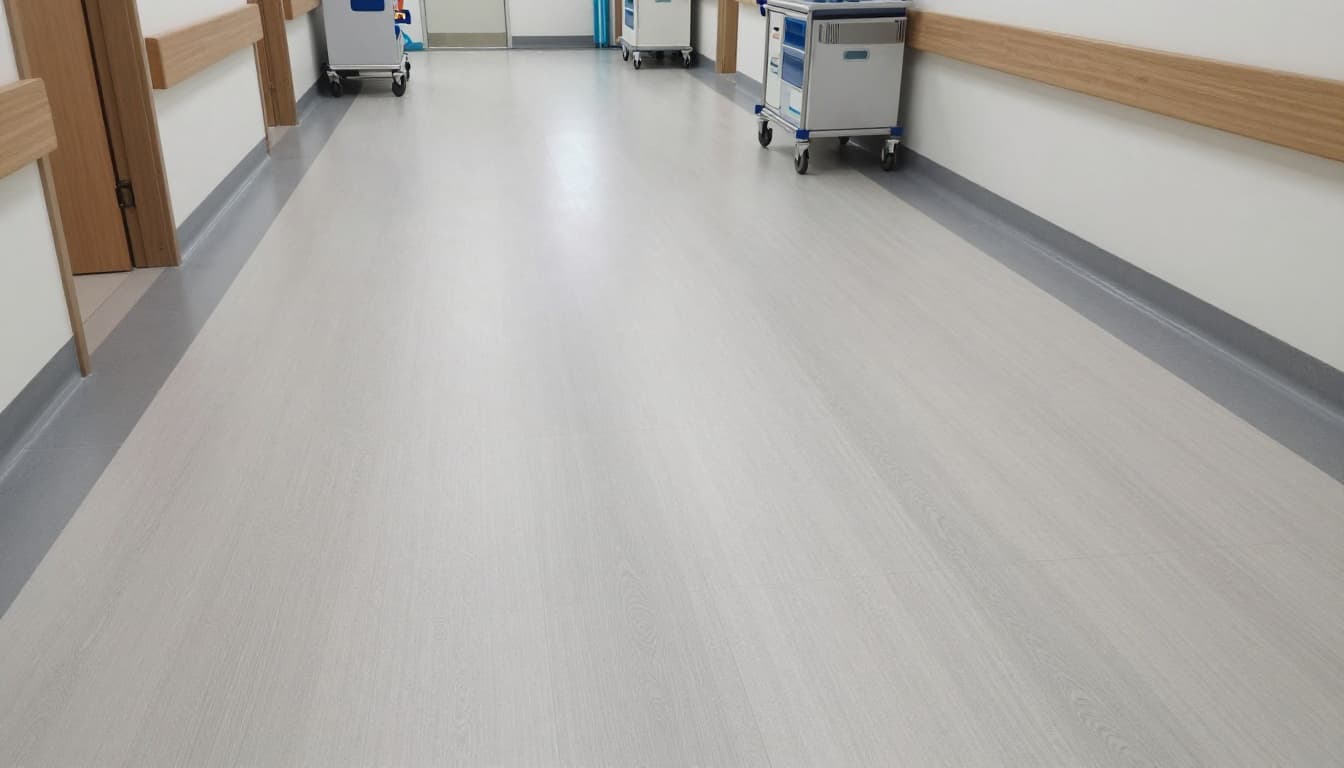
What is shaping sheet vinyl lead times right now
The market isn’t flashing red. Current reporting doesn’t point to a broad 2026 shutdown, shortage, or large manufacturing delay for homogeneous sheet vinyl. Still, steady supply on paper can feel slow in the field.
The pressure often starts inside flooring manufacturing factories. Resin costs, line scheduling, lot control, and color changeovers all affect ship dates. If a mill has stock on a core color but not the matching welding rod, the job still waits.
That’s why sheet vinyl lead times rarely match the first promise on a quote. Healthcare work adds more gates, submittal approval, mockup review, maintenance signoff, and sometimes chemical or sustainability documentation.
For buyers tracking upstream cost risk, this look at managing sheet vinyl lead times amid resin volatility helps explain why calm markets can still produce uneven timing.
A quoted lead time isn’t the real lead time if the accessories, documentation, or freight window lag behind the roll goods.
Market trackers still expect commercial vinyl demand to grow through the decade. Some estimates place the global vinyl flooring market near $33.09 billion in 2026, with U.S. commercial vinyl also trending upward. That bit of flooring news supports a simple point, demand is still there, so service gaps show up fast.
If you’re working a healthcare spec, ask whether the date covers cove base, flash cove parts, adhesive, weld rod, and final QA release. If it doesn’t, the clock isn’t complete.
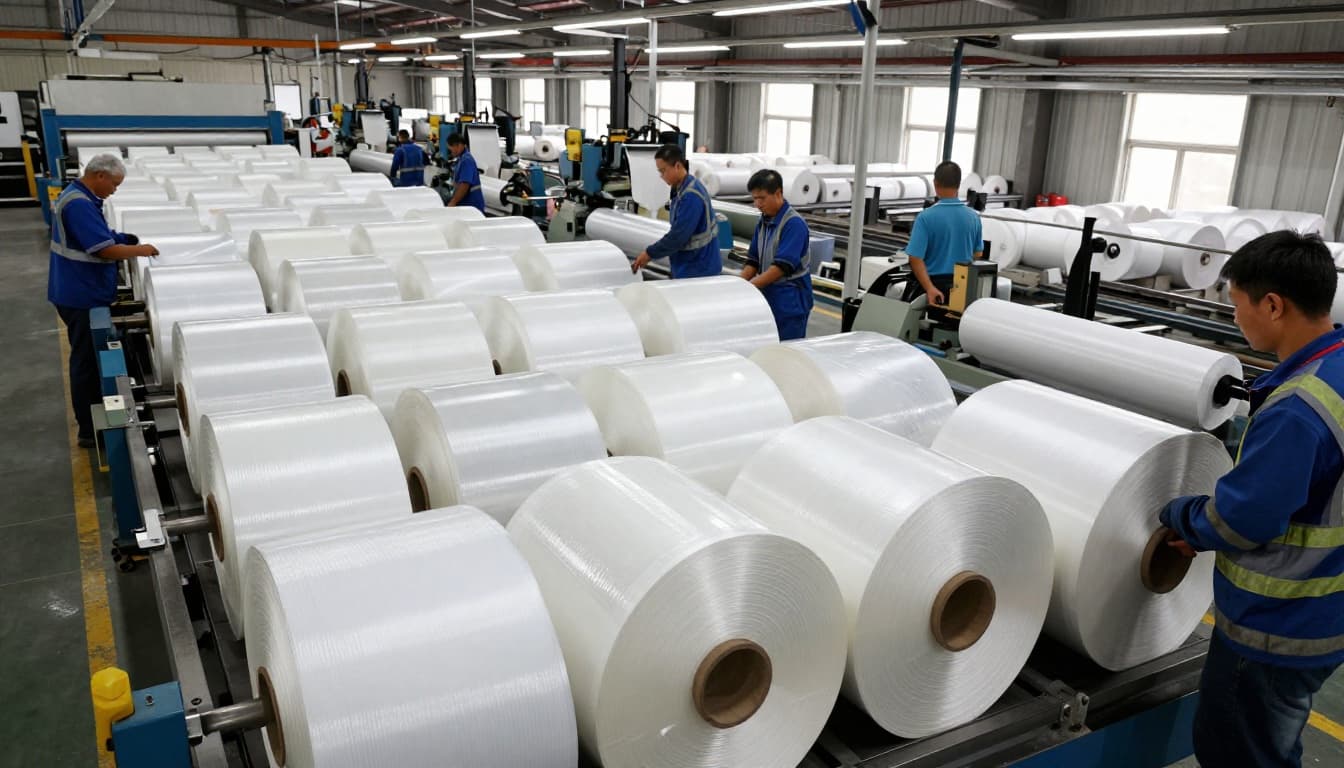
What flooring news and 2026 shows are telling buyers
Trade events still give the fastest early read on direction. Even when hospitals move slowly, annual flooring shows reveal which claims, constructions, and maintenance stories suppliers are pushing hardest.
TISE opened the year with more than 700 exhibitors. After that, resilient buyers still have RFCI Spring Meeting in May, FCICA Spring Meeting in May, and NeoCon in June on the calendar. At those events, teams compare the newest flooring trends and products, and they also sort through the newest flooring products that might survive a healthcare spec review.
Recent flooring industry news has also centered on product testing and training. Shaw’s new PFAS detection work and NTCA’s expanded education schedule both point to the same shift, buyers want clearer documentation and fewer jobsite surprises.
Design still plays a role, but performance leads. Reports on 2026 vinyl sheet design and technology shifts show how surface visuals, textures, and maintenance claims keep improving. For healthcare, though, those flooring trends only matter if the factory can support the spec with consistent supply.
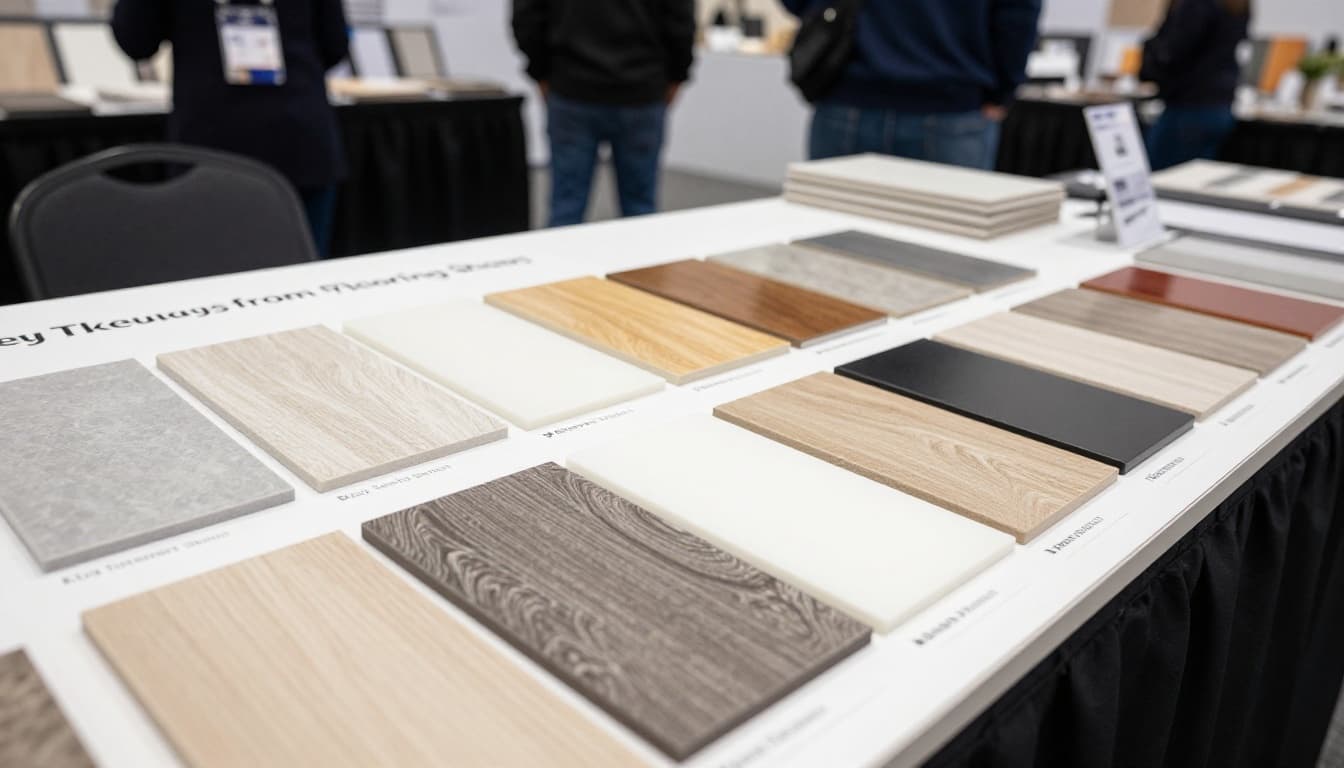
A short watchlist for healthcare specs
Before you release a healthcare package, use this quick screen:
| Watch item | Why it slows jobs | Best question to ask |
|---|---|---|
| Stock color vs. special color | Made-to-order goods extend production time | Is this exact color in stock now? |
| Weld rod and cove parts | Small accessory gaps stall full installs | Are matching accessories shipping together? |
| Chemistry and compliance docs | Review teams may hold release | Are all documents current for this SKU? |
| Freight window | Phased hospital work needs tight delivery | Can you confirm the ship week in writing? |
The takeaway is simple. Don’t buy a roll, buy a complete system with a dated release plan.
Healthcare teams don’t need drama. They need clear answers.
In April 2026, the best read on sheet vinyl lead times is still direct supplier confirmation, backed by accessory status and documentation. Before the next bid goes out, ask for the full package timing, not one blanket number.