A carpet tile line can run short on bitumen long before it runs short on yarn. In April 2026, that risk is back in focus as freight routes tighten, refinery output shifts, and prompt cargoes get harder to secure.
For producers, distributors, and flooring stores, bitumen backing supply isn’t a side issue. It shapes product cost, lead times, tile stability, and launch timing. The pressure is building now, so the smartest move is to read the signals early.
Why bitumen backing supply is a 2026 pressure point
Bitumen-backed carpet tile still matters in commercial flooring because it adds weight, helps tiles sit flat, improves dimensional stability, and supports sound control. Suppliers also keep refining the formula, often with hard-oxidized or modified systems that improve wear and handling. A technical overview of bitumen for carpet tiles shows why many manufacturers still rely on this structure when performance matters more than light weight.
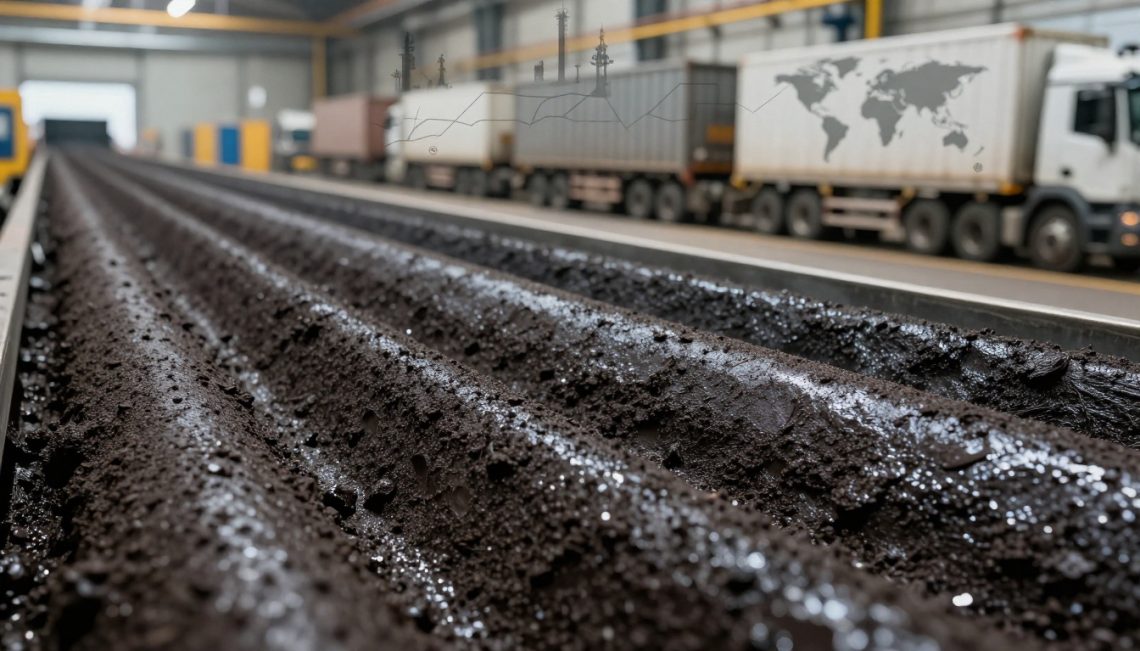
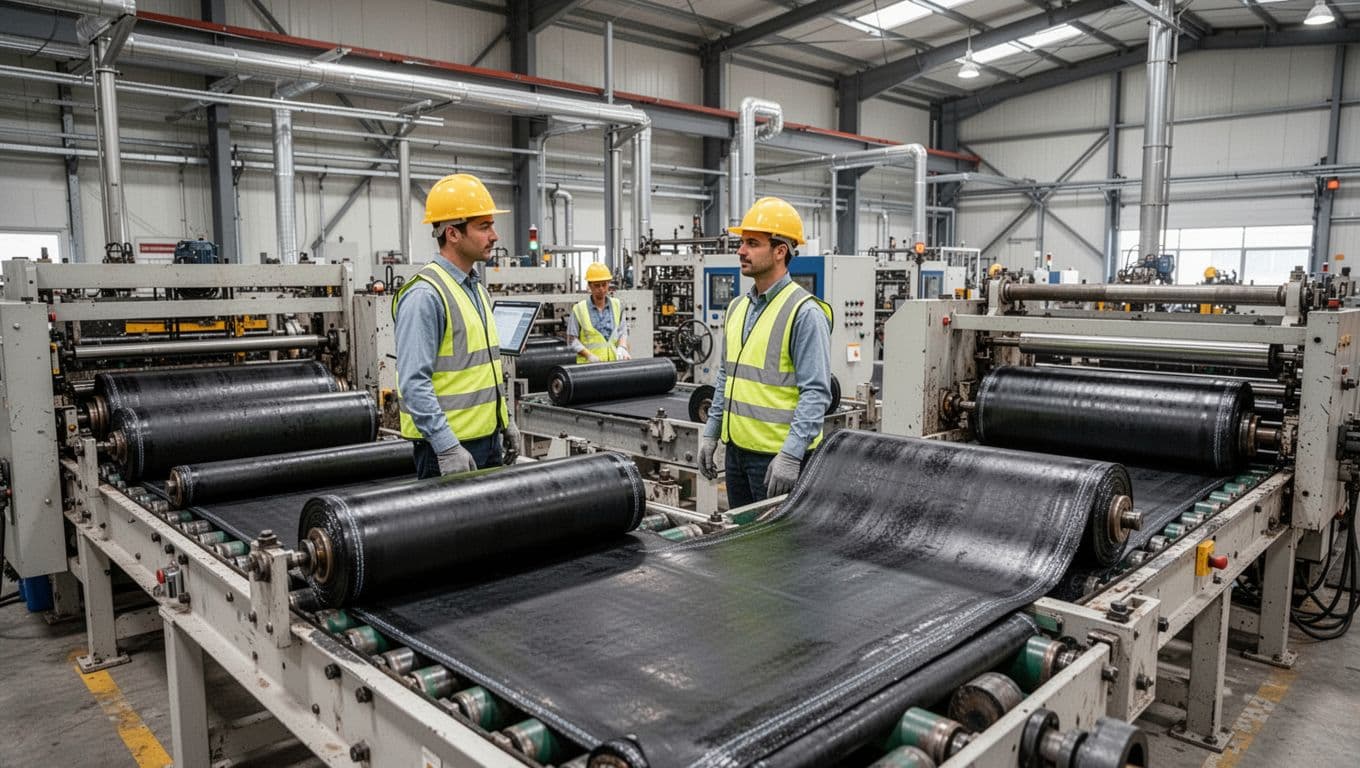
That makes the current supply picture hard to ignore. Real-time market reports in April 2026 point to tighter availability across Asia and the Middle East. Shipping risk near the Strait of Hormuz and Bab al-Mandeb has pushed up insurance and freight costs. At the same time, some refineries have cut bitumen output to favor transport fuels. Traders also report very limited prompt cargoes in Singapore for April loading, which removes a common relief valve for short-notice buyers.
One short table sums up the pressure points.
| Watch point | April 2026 signal | Likely effect |
|---|---|---|
| Geopolitical risk | Tanker routes face disruption | Higher freight, fewer prompt cargoes |
| Refinery output | More runs shift to fuels | Less bitumen available |
| Spot market | Singapore cargoes remain scarce | Harder short-term buying |
| Inland transport | Diesel costs rise sharply | Higher delivered cost |
The takeaway is simple. Supply hasn’t vanished, but it has become less flexible and more expensive. Reports from Asia show prices rising fast in recent months, with some markets jumping from roughly $475 to $640 per tonne. That kind of move hits carpet tile faster than many teams expect. Even strong flooring trends can’t offset a backing bottleneck.
How tight supply hits carpet tile production and pricing
When bitumen tightens, the first hit is usually not a shutdown. It starts with shorter quote windows, smaller buying lots, and more caution around SKU planning. Then the strain reaches production. Plants may slow runs on heavy-backed styles, delay lower-volume collections, or widen substitution rules on approved formulations.
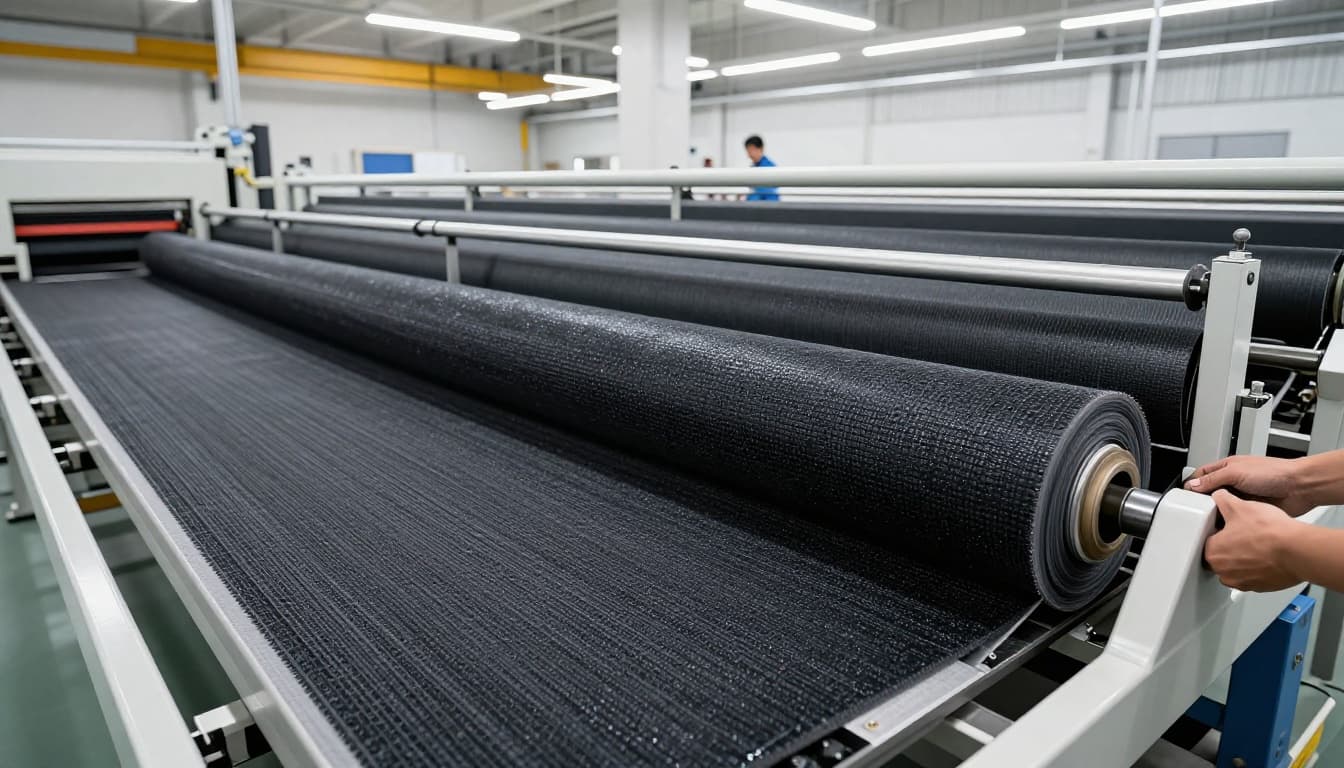
A bitumen backing performance summary highlights why this is hard to swap out overnight. The backing affects more than cost. It influences moisture resistance, comfort, acoustics, and how the tile behaves on the floor. Change the backing carelessly and you risk curl, joint issues, or spec rejection.
When bitumen gets tight, plants don’t only pay more, they lose scheduling freedom.
That pressure is showing up inside flooring manufacturing factories. Procurement teams are asking for more safety stock. Technical teams are re-checking alternate sources. Sales teams, meanwhile, are trimming price validity because nobody wants to quote six weeks out on a shaky input.
Retailers feel it too, even if they never buy a drum of bitumen. If the factory shifts launches or limits styles, stores lose timing around bids and replacements. Buyers may want the newest flooring trends and products, and they may ask for the newest flooring products they saw online, yet product excitement means little if the backing line slips. That’s why flooring news and flooring industry news matter so much this year. Raw material issues can change faster than a printed price sheet.
The timing is awkward because demand looks a bit better. A 2026 flooring rebound outlook points to modest improvement after a long slump, helped by lower rates and steadier home sales. Still, better demand with shaky supply is like opening more lanes on a highway while one bridge stays half closed.
What manufacturers, distributors, and retailers should do next
The best response is not panic buying. It is tighter planning. Start with source visibility. If your bitumen or filled backing compound ties heavily to one region, map the actual route, not only the supplier name. A low quoted cost can hide a high freight risk.
Next, review formulation flexibility with your technical team. Some plants can qualify alternates without changing field performance. Others can’t, especially on high-spec commercial tile. If you track multiple inputs, the same logic appears in this site’s 2026 PVC resin price outlook for VCT, where steady-looking markets can still squeeze margins through lead times and adders.
Sales teams should also tighten customer language. Quote validity, substitution rules, and ship-date disclaimers need to reflect current conditions. That matters in public bids and house accounts alike. A small wording fix now can prevent a margin fight later.
This is also a year to use annual flooring shows well. In-person events still help because buyers can compare stiffness, feel, acoustics, and construction detail, not only color. The trade feedback heading into 2026 has been clear, people still want to see and touch materials while reviewing the newest flooring trends and products. That mix of product review, training, and supplier meetings matters when inputs are unstable.
The broader trade conversation supports that view. Recent industry coverage has stressed education, compliance, and material testing, not only style. In other words, the story for 2026 isn’t simply design. It’s product trust.
Bitumen hasn’t disappeared. It has become harder to buy well, and that changes the math for carpet tile.
Review your sourcing map, tighten your quoting rules, and watch freight and refinery signals weekly. In a year like this, the teams that react early protect both margin and service.