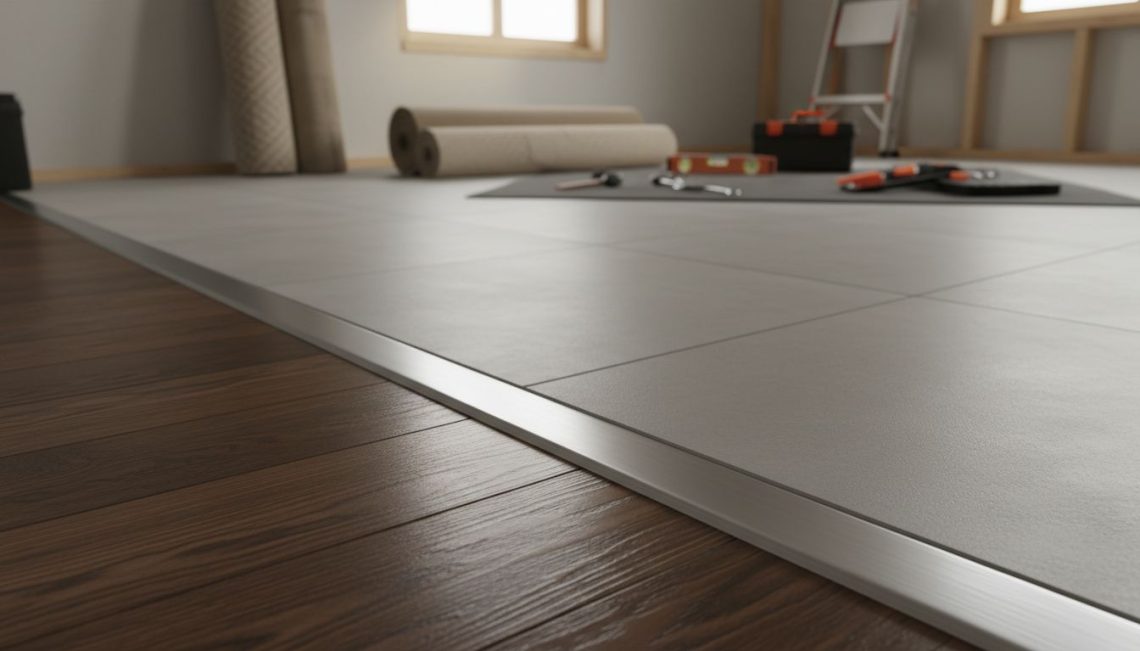
A flooring job can look perfect, then fall apart at the doorway. That’s why aluminum transition strips matter more than most people admit. They’re small, but they decide whether an install ends cleanly, meets safety needs, and gets billed on time.
So why are crews and retailers talking about “shortages” in 2026? The better question is this: are we seeing true supply failures, or are we seeing gaps in the exact profiles, colors, and lengths customers need this week?
Below is what’s actually happening right now, plus a practical stocking plan for flooring stores, distributors, and buyers supporting production.
The 2026 reality: not a total shortage, but uneven lead times
As of February 2026, the market doesn’t show signs of a broad, category-wide shutdown for aluminum transition strips. What it does show is inconsistency. Certain aluminum products move smoothly, while others lag, especially when they depend on specific extrusion schedules, specialty finishes, or packaging changes.
Recent metals reporting points to lead times that look stable overall, yet still vary by product type and segment. That “uneven but not broken” pattern is well described in the January 2026 lead time survey from Aluminum Market Update. For transition strip buyers, it matches what you see on the ground: silver T-molds are easy, matte black reducers can get tight fast.
Costs also keep buyers cautious. Construction materials data tied to 2025 shows metals inflation stayed painful, including aluminum, which can push manufacturers to adjust pricing, run schedules, or minimums. The AGC pricing update on metals costs is a useful reminder that “available” doesn’t always mean “available at last quarter’s price.”
Finally, freight still adds friction. Even when inventory exists, shipping lanes, capacity shifts, and regional disruptions can stretch replenishment timing. The Q1 2026 logistics market update outlines why ETAs can drift, even without a headline shortage.
If your shelf is empty, your customer won’t care whether the issue was extrusion capacity, trucking, or forecasting. It still feels like a shortage.
Why transition strips go missing first when demand picks up
Transition strips don’t disappear because demand is massive. They disappear because demand is messy.
In 2026, the mix of newest flooring trends and products creates more transition scenarios per job. Wide-plank LVP, mixed-material layouts, and thinner floating floors all increase the number of reducers, end caps, and stair noses needed to finish cleanly. Meanwhile, customers expect finishes that match hardware (brushed nickel, champagne, matte black), not just “silver.”
That complexity is rising while the broader category mix stays in motion. Industry outlook coverage going into 2026 signals mild growth in tile and a more optimistic tone for wood, while laminate is expected to regain some energy as shoppers look for value and performance. Those shifts matter because each surface type changes the transition kit you need. Tile edges demand protection, laminates often need expansion-friendly profiles, and improved wood visuals make poorly matched trims stand out more. For a snapshot of how suppliers keep improving visuals and performance, see wood flooring performance and visuals.
Annual events also shape what customers ask for. When dealers and specifiers return from annual flooring shows, they don’t just bring back color stories. They bring back expectations for faster installs, cleaner details, and more coordinated accessories. Coverage of show focus and product direction helps explain why accessory demand can spike after January. One example is the recap of what was highlighted at Surfaces, see TISE 2026 show coverage.
This is why transition strip gaps often show up before major flooring lines run short. The main floor SKU is planned months ahead. The trim selection happens at the end, under deadline pressure.
What to stock now: the aluminum profiles that finish jobs (and protect margin)
Think of aluminum transition strips like spare tires. You don’t want a warehouse full of them, but you can’t afford to be without the sizes that actually fit.
Here’s a simple stocking map that works for most retail and light commercial demand:
| Where it’s used most | Aluminum profile to keep deep | Best-selling finishes | Why it runs out first |
|---|---|---|---|
| LVP to LVP, same height | T-molding | Satin silver, matte black | Fast swaps during remodel punch lists |
| LVP to concrete or lower floor | Reducer | Silver, bronze tones | Height differences vary by subfloor prep |
| Floating floor perimeter | End cap (square edge) | Matte black, silver | Needed late in the job, often forgotten |
| Stairs with hard surface | Stair nose | Matte black, brushed tones | Safety demand plus local code pressure |
| Carpet to hard surface | Carpet edge / Z-bar style | Silver, brass tones | Carpet work still needs clean edges |
The takeaway: go deeper on reducers and end caps than you think. Those two profiles solve the most “surprise conditions” on site.
A few buying rules help avoid the 2026 version of a shortage (a cart full of flooring, and no way to finish it):
- Standardize lengths where possible: Fewer length options reduce dead stock, and simplify replenishment.
- Pick 3 core finishes, then add one “design” finish: Silver plus one warm metallic, plus matte black usually covers most asks.
- Stock matching fasteners and shims: Missing screws can stop an install as surely as a missing strip.
- Train the sales floor on transitions: When staff asks the right questions early, you sell the right profile once.
For stores selling a lot of wet-area LVP, also plan for how underlayment and moisture strategy affect finished heights at doorways. That height difference drives reducer demand. This pairs well with 2026 moisture-friendly underlayments for LVP in kitchens and baths, because small changes in build-up can flip a T-mold into a reducer.
If you want a visual reference library your team can scan quickly, keep a bookmarked page that shows common options and profiles, such as aluminum transition strip examples. It’s not a spec guide, but it helps newer staff understand what customers mean at the counter.
One last note for manufacturers and buyers supporting flooring manufacturing factories: don’t treat trims as an afterthought. A production line can ship “on time,” yet still create customer pain if accessory kitting is weak. Align trim purchasing with the core SKU forecast, especially for your fastest moving colors. Tracking newest flooring products without tracking their matching transitions is how backorders get created inside your own building.
Conclusion
In 2026, the talk of shortages around aluminum transition strips is less about total supply and more about timing, finish mix, and SKU sprawl. Keep reducers, end caps, and stair noses stocked in core finishes, and your team will finish more jobs on the first trip. Stay close to flooring news and flooring industry news, because the next spike usually starts with shifting flooring trends, not with a factory announcement. The shops that treat transitions like a primary category will feel fewer “shortages,” even when the market gets noisy.