Flooring choices in January 2026 feel less like a fashion contest and more like a comfort decision. Customers want flooring trends that make a home look warmer, feel easier to live in, and hold up to real life (kids, pets, rentals, and rushed mornings).
That’s why cool gray planks and high-gloss shine are fading. In their place, warm wood tones, low-sheen finishes, and quieter, softer surfaces are getting more attention.
This is a contractor-friendly breakdown of what customers are asking for now, plus what it means for product selection, installs, and sales.


Top flooring trends in 2026 homeowners are choosing
Warm wood tones replace cool gray floors
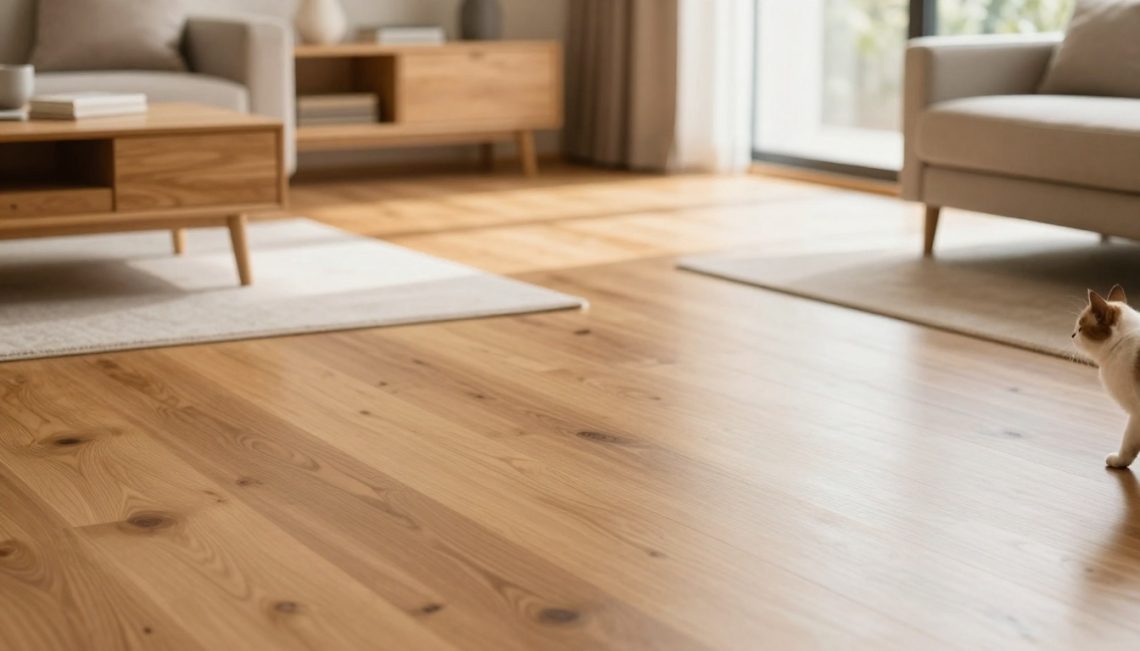
Warm tones are back in a big way, and it’s not just “brown is back.” Homeowners are asking for honey, taupe, beige, and mid-brown looks that feel calmer and more natural. Realtime trend coverage keeps pointing to warm shades like honey, caramel, and chestnut leading the shift away from cool gray.
The “why” is practical, not just style driven:
- Warm tones make rooms feel more inviting, especially in open plans.
- Mid-tone floors often hide dust and daily grit better than very dark or very pale colors.
- They work with more wall colors, from creamy whites to muted greens and clay tones.
Showroom tip: keep sample boards that show warm vs. gray side by side under the same lighting. Customers decide faster when they can compare in one glance.
Matte and satin finishes win because they hide wear
Matte and satin finishes are taking over because they look more like real wood and they’re more forgiving day to day. Low-sheen floors reduce glare, so scratches, smudges, and footprints don’t jump out at customers the way they do on glossy surfaces.
This trend shows up across categories, hardwood, laminate, LVP, and even tile looks. Realtime trend notes also call out matte finishes for their natural look and ability to hide dirt.
Set expectations early: a matte finish doesn’t make a floor scratch-proof. It just makes normal wear less obvious, which usually leads to happier customers.
Bigger formats and bold layouts that change the look of a room
Wide planks and large-format tile make spaces feel bigger
Customers notice size before they notice specs. Wide planks and larger tiles create a calmer field, with fewer seams or grout lines, and that reads as “bigger” in open-plan homes.
LVP is a major driver here, with wider planks and large tile visuals staying popular because they create that seamless look without the maintenance of traditional grout. Large-format tile is also holding attention for the same reason: fewer grout lines, cleaner visual flow.
What contractors should plan for:
- Subfloor flatness matters more as formats get larger.
- With large tile, lippage risk increases if prep is rushed or the substrate is off.
- Layout lines and dry planning take longer, but they prevent ugly cuts at doorways and focal walls.
This trend sells well when you explain the visual payoff in plain terms: fewer breaks in the pattern, less visual noise.
Herringbone, chevron, and parquet patterns are back
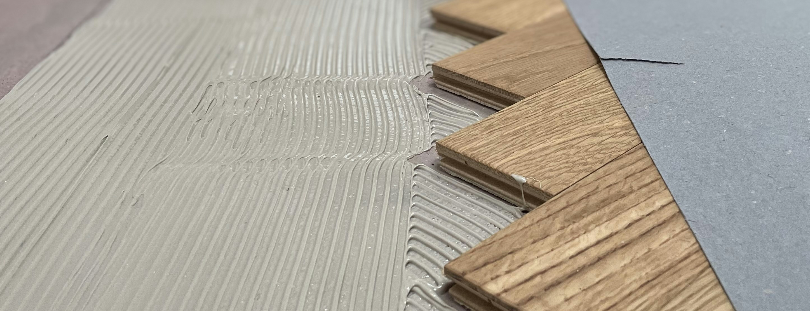
Statement layouts are returning, but most homeowners don’t want pattern everywhere. They want it where it counts: entries, dining rooms, powder baths, or a single feature zone in a larger space. Realtime trend coverage also flags herringbone as a go-to pattern for adding personality without changing the whole house.
Contractor note: patterns bring extra labor and more waste, and they need clear signoff.
A clean way to sell it is the “statement area” option. You can offer herringbone in an entry, then run straight lay through the rest of the main floor. Customers get the wow factor, and you keep the job manageable.
Materials customers ask for when they want durability, comfort, and easier care
Luxury vinyl plank stays strong for busy homes and rentals
LVP continues to perform because it fits how people live now. Customers like the realistic wood visuals, simple cleanup, and the fact that many product lines are water-resistant or waterproof. Realtime trend notes also highlight wide plank LVP in warm shades as a core 2026 choice.
Where LVP fits best on real jobs:
- Rentals and turnovers where speed matters
- Busy family homes with pets
- Basements and below-grade spaces (with the right system and moisture plan)
One caution worth saying out loud: LVP performance depends on product quality and install prep. Flatness, transitions, and perimeter gaps are not optional if you want to avoid hollow spots, peaked joints, or complaints after season changes.
Carpet makes a comeback for quiet, cozy rooms
Carpet is showing up again in bedrooms, upstairs halls, and family rooms because people want softness and less noise. Realtime trend reporting also points to lower-pile styles and earthy colors that feel warm without looking dated.
The pitch is simple: carpet is the easiest way to get warmth and sound control in one step.
Better picks customers are responding to:
- Textured carpet that hides tracks and shading
- Wool in premium projects where comfort and natural fiber matter
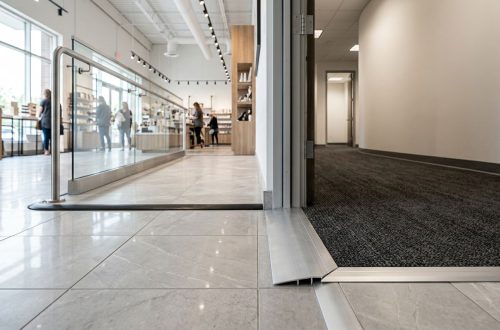
Contractor note: mixed-surface homes need a plan. Talk early about stair details, reducers, and where transitions should land so the finished result looks intentional, not pieced together.
Cork, bamboo, and other lower-impact options keep growing
Sustainability is no longer a niche request. More customers are asking for renewable materials, and they’re also connecting “green” choices with a healthier home feel.
Cork and bamboo keep coming up in 2026 trend coverage as lower-impact options. Cork stands out because it’s naturally comfortable underfoot, and it’s often chosen for its moisture resistance compared to many natural materials, plus its reputation for resisting microbes. It still needs the right finish and care routine, and product details matter a lot.
Bamboo sells when the customer wants a lighter wood look with a renewable story, while still expecting a tough surface. The key is to match the material to the room and the customer’s habits, not just the sample color.
Flooring industry news and shows to watch in early 2026
Major trend roundups don’t always spell out January 2026 show headlines in one place, but the direction is clear: in-person product comparison and installer education are getting more attention again.

Regional flooring markets are still key for seeing products in person
Regional markets still matter because texture and color don’t translate perfectly on screens. Flooring Markets, for example, positions its events as buyer-focused and reports strong attendance by decision-makers, including thousands of professionals across many states, with a high share attending to source new products from both new and current vendors.
That lines up with what dealers say in the field: you can’t “zoom in” on texture the way you can touch it, and customers still buy with their eyes and hands.
One more practical note from the market side: some regional events have been paused while organizers review exhibitor demand, which makes the active markets even more important when you need efficient product discovery in Q1.
Installer education is getting more attention in 2026
Training is getting louder in industry news, especially around tile. The National Tile Contractors Association (NTCA) has promoted a heavy January schedule, including free workshops and regional training sessions geared toward installers and setters.
This matters because today’s trends are less forgiving. Large-format tile and pattern layouts can look incredible, but small errors show fast. Better training means fewer callbacks, cleaner layouts, and higher confidence when customers ask for that “magazine floor” they saved.
Another industry signal to watch is material testing and transparency. For example, Shaw Industries announced a testing approach aimed at detecting PFAS in manufacturing inputs where older protocols were not a good fit. It’s the kind of behind-the-scenes work that can shape specs, documentation requests, and customer questions over time.
Conclusion
The big flooring trends for 2026 are clear: warmer tones, softer finishes, bigger formats, and statement patterns that customers use in targeted areas. LVP stays strong for busy spaces, carpet is returning for comfort and quiet, and cork or bamboo appeal to buyers who want a lower-impact story.
If you’re selling or installing floors this year, keep it simple:
- Refresh sample walls with warm, mid-tone options and matte finishes.
- Price patterns like herringbone correctly, and get layout approval in writing.
- Recommend materials based on room use, not just looks.
What are customers asking for most in your market right now, warm planks, big tile, pattern work, or something else?