 SW-07 · Contractor Business
A new LVP floor can look bulletproof, until the first issue pops up and the LVP warranty turns into a paperwork test.
In 2026, many premium luxury vinyl plank lines advertise long coverage (sometimes even “lifetime” for residential owners). The catch is simple: the product can be great, but the warranty often hinges on the jobsite, the subfloor, and the install details.
This guide breaks down the fine print that matters, then walks through 12 common install mistakes that can wipe out coverage fast, even when the planks themselves aren’t the real problem.
What LVP warranties usually cover in 2026 (and what they don’t)

Most LVP warranty documents read like a contract because they are one. Manufacturers tend to cover manufacturing defects and certain performance claims (wear-through, staining under normal household use, and sometimes fading). Many also offer “waterproof” language, but it’s usually about topical water and short exposure, not ongoing leaks or flooding.
A good way to think about it: a warranty is an umbrella, it works best if you open it before the storm. That means reading the definitions section before the first box is opened.
For a real example of how detailed these terms get, scan a current manufacturer document like the Mohawk LVT/LVP warranty PDF. You’ll see how coverage is tied to installation method, approved substrates, and care requirements.
Here’s the quick reality check many contractors give customers:
| Warranty language you’ll see | What it often means on the job |
|---|---|
| “Lifetime residential” | Coverage for the original purchaser, often non-transferable |
| “Waterproof” | Resists topical water, not plumbing failures or long-term moisture |
| “Wear warranty” | Wear-through of the wear layer, not scratches and dents |
| “Defect warranty” | Product defects, not subfloor movement or bad prep |
| “Installed per instructions” | The escape hatch used to deny many claims |
If you want a plain-English breakdown of common exclusions across floor types, this explainer is helpful: Floor Warranties Decoded: What Coverage Actually Means. For another overview that matches what many retailers explain at the counter, see Understanding Flooring Warranties: What’s Covered and What’s Not.
One more detail that shows up in a lot of documents: responsibility shifts to the installer and owner once material is installed. Many warranty packets state that visible defects should be caught before installation, and that installed material is treated as accepted. This language is common in retail warranty packets like this installer and owner responsibility PDF.
The 12 installation mistakes that can void LVP warranty coverage
Manufacturers don’t just warrant planks, they warrant a system: product plus approved prep plus approved install method. When a claim gets filed, the first question is often not “what failed?” It’s “was it installed exactly per the guide?”
Moisture and subfloor prep are where most claims die
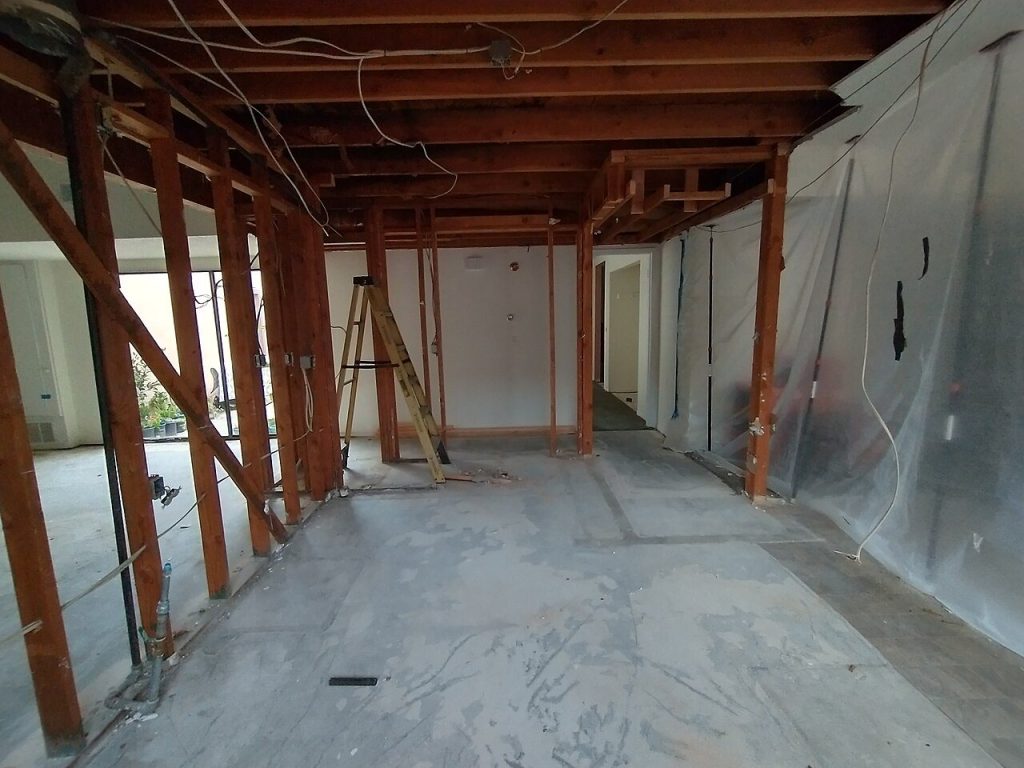
A lot of 2026 call-backs still trace back to two basics: moisture control and flatness. Rigid core is forgiving, but it’s not magic.
- Skipping pre-install inspection of planks: If you install boards with visible damage, pattern issues, or milling defects, many warranties treat that as accepted material. Open multiple boxes and inspect under good light before you click in row one.
- Installing over an unapproved substrate: Soft layers (old cushioned vinyl, loose floating floors, unstable underlayment) can cause flex and joint stress. If the install guide doesn’t approve it, the warranty usually won’t either.
- Not meeting subfloor flatness requirements: “Flat” isn’t “level,” and click LVP cares about flatness. High spots can crush locks, low spots can create bounce, and both can lead to gapping or peak joints that get blamed on installation.
- No documented moisture testing on concrete: Many warranties expect proof, not guesses. Moisture issues can show up as cupping, edge lift, moldy odor, or joint separation. Without test results, the claim often stops there.
- Skipping required vapor barrier or moisture control layers: Some systems require a specific underlayment with an attached barrier, others require a separate film, and some don’t allow “extra layers.” The wrong choice can trap moisture or void the approved assembly.
- Failing to acclimate when the manufacturer requires it: Not every rigid core product needs long acclimation, but many still require the cartons to sit in the space under controlled conditions. Installing straight off a cold truck is asking for movement.
- Installing outside temperature and humidity limits: A common fine print point is keeping indoor conditions in a narrow band during install and use. If the home swings from dry heat to humid spikes, planks can expand and compress beyond what the system tolerates.
- Zero expansion gap at walls and fixed verticals: Tight-to-drywall installs can look “clean” until the floor has nowhere to move. When it binds, you see buckling, tenting, or loud pops, then the warranty denial cites “insufficient expansion space.”
- Pinning the floor with trim, nails, or heavy fixed items: Floating means floating. If quarter-round is nailed into the plank, or kitchen islands and cabinets trap the floor, movement becomes stress, and stress becomes failure.
- Wrong underlayment (or doubling layers): Many click LVP products specify an attached pad only, or a single approved underlayment thickness and density. Too soft can cause deflection, too thick can stress joints, and “extra quiet” can become “extra void.”
- Bad layout choices that concentrate weak joints: H-joints, stair-step patterns, tiny slivers at walls, or short end joints repeated in traffic lanes can amplify movement. If the guide calls for minimum stagger and you ignore it, the claim gets easy to deny.
- No transitions where required (doorways, long runs, mixed areas): Large continuous runs without the required breaks can build expansion pressure. When a floor tents in the middle of a long hallway, the fine print about maximum span suddenly matters a lot.
2026 flooring industry news that affects warranty conversations
Warranties aren’t changing in a vacuum. In current flooring industry news, manufacturers are pushing rigid core formats (SPC and WPC) with longer residential terms, better stain resistance, and more realistic visuals. Those newest flooring products and trends look great in showrooms, but they also come with stricter documentation expectations.
At the same time, industry updates show rising attention on what goes into materials and how they’re tested. One example in recent flooring news is Shaw’s work on improving PFAS detection methods in manufacturing inputs, covered here: Shaw Industries invents testing methodology to detect PFAS. For retailers and contractors, that kind of headline changes customer questions at the counter.
For the flooring business, this means two things:
- Customers ask more about warranty terms and chemical safety.
- Installers need tighter paperwork, photos, and jobsite logs to support claims.
Even as flooring trends shift and flooring factories roll out tougher wear layers and stronger cores, most warranty denials still come down to prep and process, not plank quality.
A claim-ready habit that saves contractors time
If you want fewer arguments later, build a simple “warranty packet” routine:
- Save invoices, batch numbers, and proof of purchase.
- Photograph subfloor flatness checks and moisture test setup.
- Photograph perimeter gaps before base goes on.
- Keep the exact install guide version used for that job.
- Note site conditions (temperature and humidity) on install day.
That’s not extra work, it’s insurance. It also supports better new flooring techniques across crews, because the checklist forces repeatable steps.
Conclusion
Most LVP warranty problems aren’t surprise failures, they’re predictable outcomes from small shortcuts. Focus on moisture, flatness, expansion space, and approved materials, then document like you expect a question later. If a floor does fail, clean job records can turn a denial into a real review. The install is the product, treat it that way.
Keep reading
More in Contractor Business: Flooring Storage Rules That Prevent Curling and Rework, How to Photograph Flooring Defects for Strong Warranty Claims, 2026 Flooring Punch List Checklist for Project Closeout.