Think of 2026 like a truck shifting up one gear, not a race start. That’s the mood around rebond carpet cushion for Main Street dealers.
Supply looks steadier than it did during the last few uneven years. Still, pricing pressure, freight costs, and soft carpet demand mean this won’t be a year for lazy buying. The better play is disciplined stocking, fast turns, and close attention to dealer service.
Why the 2026 outlook looks better, but not loose
The broad flooring market has started to show signs of life. Trade coverage from Floor Covering Weekly’s broader 2026 rebound outlook points to a modest pickup as mortgage rates ease and home sales improve. Soft surface is also expected to recover, but slowly, according to this soft-surface forecast for 2026.
That matters because cushion demand follows carpet sell-through, not wishful thinking. If carpet inches up, rebond should move with it. If carpet stays flat in the first half, cushion orders will stay measured too.
Late 2025 reports also showed existing-home sales improving, while consumer sentiment edged higher. Those aren’t magic fixes. They do, however, help replacement work, which is the bread and butter of many local flooring stores.
At the same time, hard surfaces are still taking share. Trade reporting going into 2026 sounded more upbeat for laminate, wood, and tile. So carpet won’t get a clear runway. That puts a ceiling on any sharp jump in rebond demand.
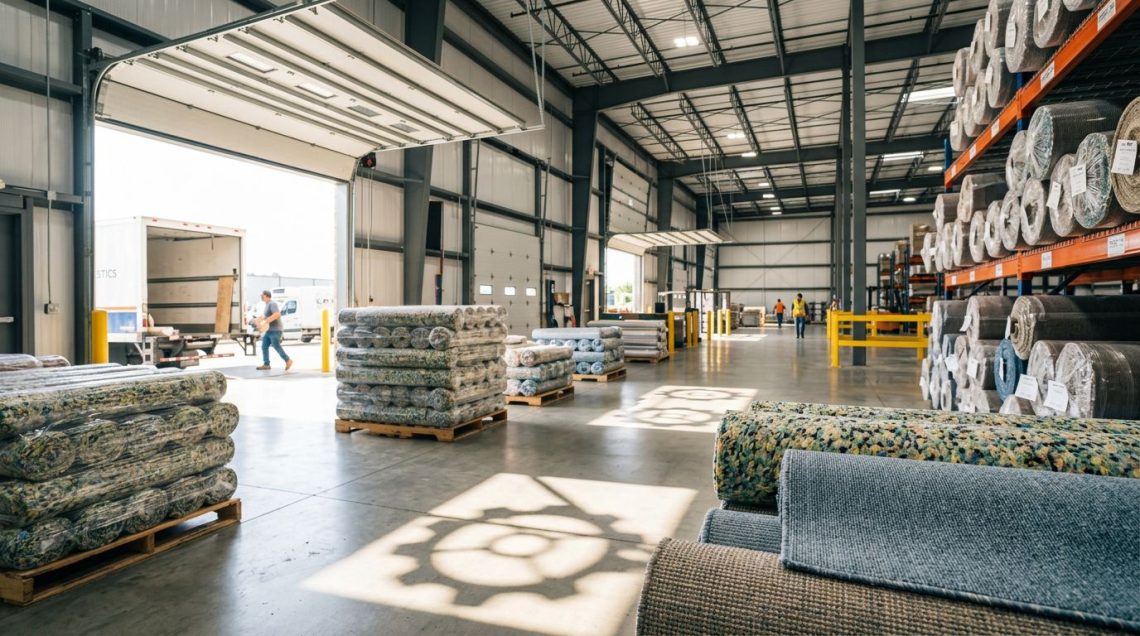
For most dealers, the takeaway is simple. Expect availability to improve before prices soften much. Mills and distributors want cleaner inventories, not warehouses packed with slow-moving rolls.
What factories and raw materials mean for rebond carpet cushion
Most rebond starts with recycled polyurethane trim, then gets shredded, blended, and pressed into pad. That gives the category a practical cost base, but it also ties supply to scrap streams, energy, labor, and freight.
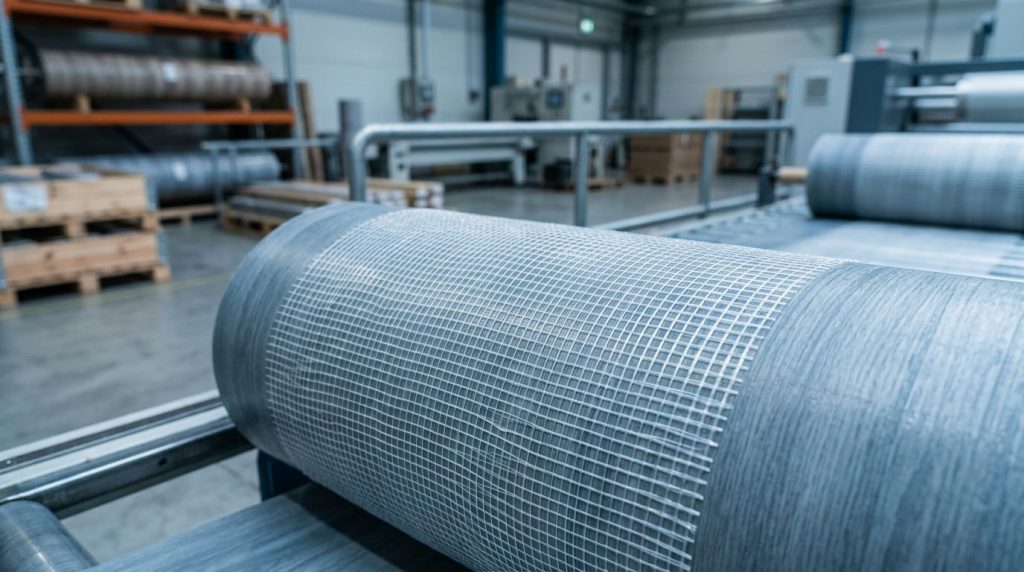
Many flooring manufacturing factories spent the past few years trimming excess stock. In 2026, that lean approach is still in place. Suppliers want faster replenishment and fewer surprises. For dealers, that usually means decent core availability, but less patience for odd specs and tiny custom runs.
Freight and labor remain margin issues. So do tariff worries and higher raw material costs across the soft-surface chain. Even when cushion itself is domestic, the wider cost stack still matters. A small price move at the factory can show up fast on dealer quotes.
Product mix matters too. Better-grade rebond with consistent density tends to keep moving, while low-end openings can come and go. If you need a quick refresher on performance basics, this guide to rebond padding basics gives a clear summary of density, thickness, and common use ranges.
That factory reality connects straight to the sales floor. Dealers chasing the lowest pad cost may save a few cents, then lose it back in claims, flattening, or weak feel underfoot.
What Main Street dealers should stock, watch, and avoid
Main Street buyers don’t need heroic inventory in 2026. They need the right inventory.

Start with your top sellers and trim the fringe. Keep your best-turning residential pad specs in stock, then confirm your backup options with distributors before summer. Because replenishment is better than it was, you may not need to buy as deep. Still, you do need firm answers on lead times.
A few habits should help this year:
- Keep core SKUs tight and easy to reorder.
- Ask suppliers which pad lines are protected for quick ship.
- Review margin by pad tier, not only by carpet style.
- Train RSAs to sell feel, support, and carpet life, not just softness.
Cushion can improve comfort, but it can’t rescue a bad floor or a weak install.
That’s where dealer discipline matters. If a room has substrate trouble, soft spots, or patch failure, don’t expect pad to hide it for long. For adjacent hard-surface jobs or mixed-material remodels, these self-leveling underlayment concrete tips are worth keeping handy.
This is also a good year to read flooring news with a sharper eye. Watch freight shifts, dealer program changes, and any sign that mills are narrowing assortments. Good service will beat bargain hunting in most markets.
Why shows and flooring industry news still shape dealer buying
The smartest cushion buyers don’t look at pad in isolation. They track carpet, installation, and retail traffic together.
That’s why annual flooring shows still matter. Trade events and regional markets give dealers a live read on what suppliers are backing, how merchandising is changing, and which categories feel strong. Recent trade coverage has pointed to healthy interest in Surfaces-related traffic, more education for Coverings 2026, and continued value in regional Flooring Markets, where buyers come to compare products in person.
Those events also surface the newest flooring trends and products. More important, they show which newest flooring products are getting display support, sales training, and real inventory behind them. That’s useful when carpet competes for space against hard surface stories that often dominate flooring industry news.
For cushion buyers, the lesson is practical. Watch the carpet displays, the attached-cushion stories, the soft-surface promotions, and the installer education. Those signals often tell you more about fall demand than a price sheet does.
The market isn’t roaring back. But it is moving, and steady movement rewards prepared dealers.
A smart 2026 plan for rebond carpet cushion is simple: protect your core SKUs, stay close to supplier lead times, and sell value instead of chasing the cheapest roll.
Before your next buying cycle, audit your top pad specs and ask one hard question. If demand improves in the back half, will your store win on price, or on service?