One late delivery can throw off an entire apartment turnover. That’s why gypsum underlayment supply deserves close attention in 2026.
As of March 2026, supply is available, but it isn’t loose. Prices are inching up, imported additives face tariff pressure, and installer calendars still matter as much as the material itself. If you bid, stock, or install multifamily work, this is a market worth watching early.
Where gypsum underlayment supply stands in March 2026
Right now, most buyers can still source gypsum underlayment without a full-blown shortage. Still, the market feels stable but tight. Basic gypsum inputs remain available, yet additives, freight, and applicator capacity leave less room for mistakes.
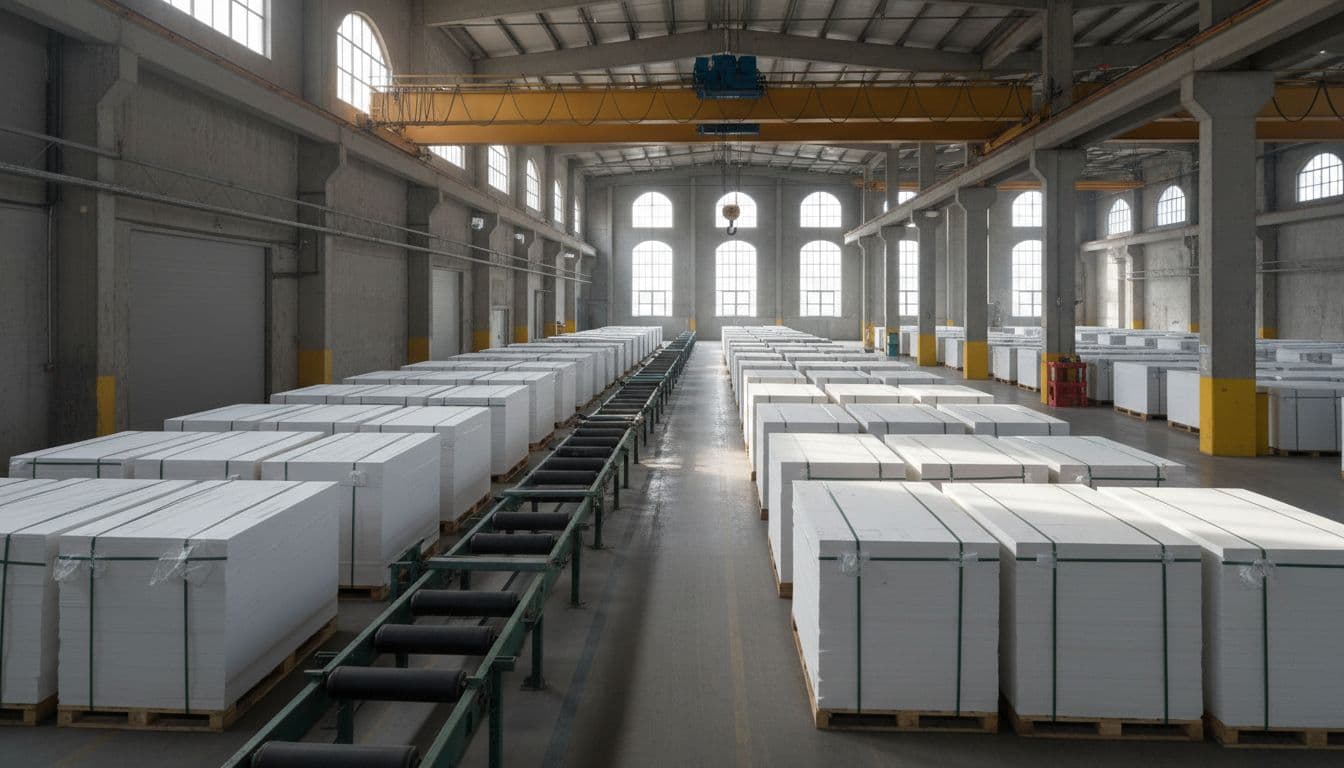
The short version looks like this:
| Market signal | March 2026 read | Jobsite effect |
|---|---|---|
| Core supply | Available in most regions | No broad shutdowns |
| Lead times | Slightly tighter in some lanes | Less float on schedules |
| Pricing | Upward pressure | Higher bid risk |
| Late-2026 outlook | New capacity may help | Relief may come slowly |
That mix matters because gypsum underlayment supply can look calm until several towers break at once. It’s a bit like a parking lot before a storm, plenty of open spots until everyone arrives at the same time.
Broader construction data tells a mixed story. Existing-home sales showed a small lift late last year, and GDP growth was strong in the third quarter of 2025. Yet many owners still don’t want to give up ultra-low mortgage rates. That keeps housing demand uneven, and multifamily starts haven’t fully regained momentum.
At the same time, overseas shipping risks and tariffs are pushing up the cost of imported polymers and other blend components. Some new gypsum and plaster capacity is planned for 2026, often closer to local raw material sources, which could help later this year. For now, though, buyers shouldn’t treat this category like a no-risk commodity.
Why multifamily floor prep still leans on gypsum systems
In wood-frame apartments, gypsum underlayment does more than level a floor. It helps with sound control, fire-rated assemblies, and a smoother base for finish goods. When a project depends on those tested layers, swapping materials at the last minute isn’t simple.
That’s why product choice matters. Systems such as Gyp-Crete 2000 Multifamily and Rapid Floor Multifamily reflect what specifiers keep asking for, strong compressive performance, compatibility with sound mats, and tested fire-resistance assemblies.
For installers, the real issue is timing. Floor prep isn’t only about the pour. It’s also about primer, drying time, moisture checks, patching, and how soon the finish floor can follow. If one part slips, the whole schedule backs up. In a multifamily turnover, that delay spreads fast from one unit to the next.
The loudest flooring trends still favor hard surface, and that keeps pressure on prep quality. Luxury vinyl, laminate, wood, and tile all punish a rough substrate in different ways. So even when demand softens, multifamily builders don’t have much reason to cut corners on the underlayment layer.
What flooring news and annual flooring shows are saying
Recent flooring news paints a mixed but useful picture for floor prep buyers. Laminate suppliers expect a better 2026. Wood makers sound more hopeful than they did a year ago, although higher rates still weigh on housing. Tile suppliers see modest growth rather than a breakout year. Put together, that suggests steady hard-surface demand, not a sudden boom.
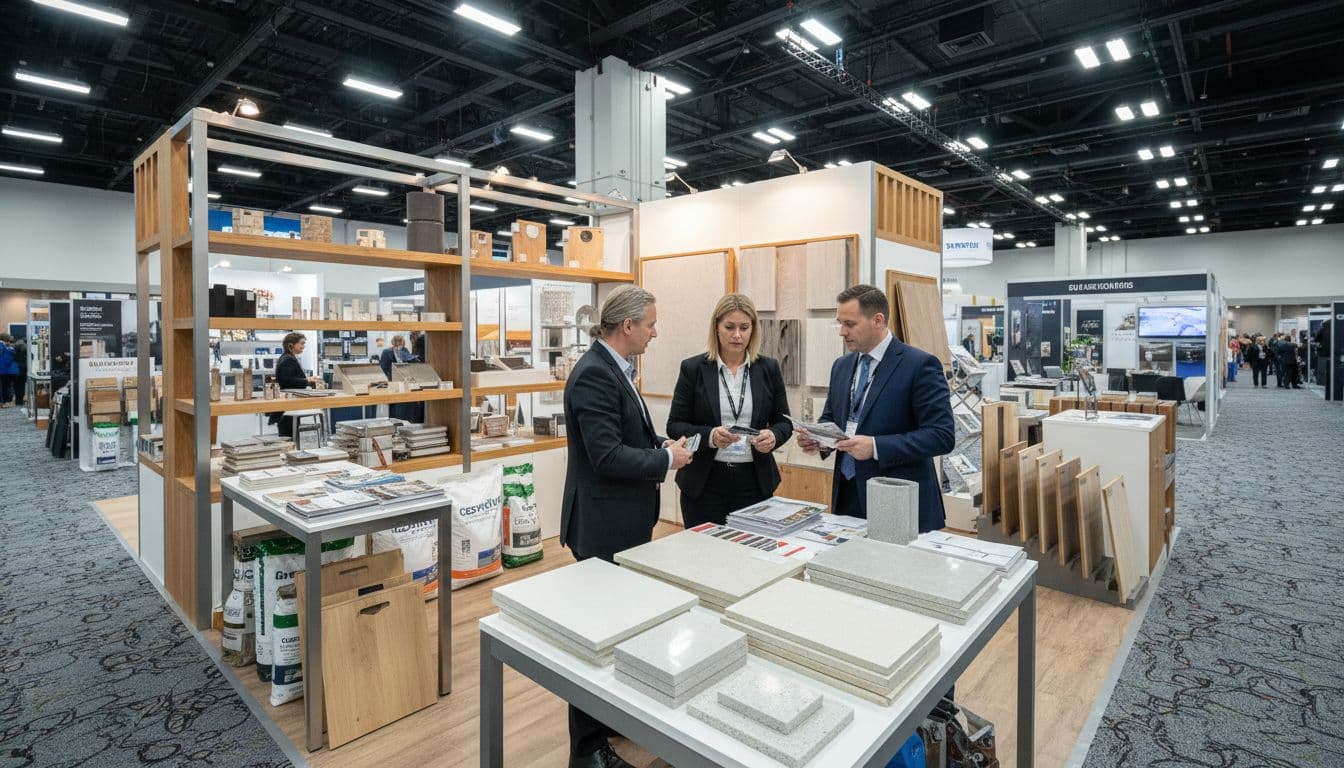
That view also lines up with the 2026 annual flooring shows calendar. TISE ran in Las Vegas in late January, Coverings opens March 30 through April 2 in Las Vegas, and NWFA Expo follows in April in Orlando. Buyers attend these events for the newest flooring trends and products, but the side conversations often matter more. People want lead-time honesty, install support, and clear answers on what can ship now.
In other words, the buzz around the newest flooring products doesn’t erase the prep question underneath. Retailers may chase color, texture, and display stories, while project teams still ask whether the floor system will cure, bond, and pass inspection on time.
Current flooring industry news adds more context. NTCA is expanding training early in 2026, Coverings has rolled out its education lineup, and Shaw has discussed new PFAS testing methods for manufacturing inputs. Those updates point to a simple reality: performance, training, and compliance are gaining attention across categories. Many flooring manufacturing factories are also holding labor counts tight, which limits how fast output can jump when demand turns.
How buyers can reduce risk on multifamily bids
Treat gypsum underlayment supply like a schedule item, not a line item.
That means checking the whole assembly before the quote is final. If the spec includes a sound mat, primer, sealer, or mineral wool layer, don’t price gypsum alone and hope the rest falls into place.
A few habits help:
- Lock the applicator slot early.
- Verify approved alternates before submittals go out.
- Confirm cure windows against turnover dates.
- Review gypsum underlayment product options before allowing substitutions.
For flooring stores, distributors, and flooring companies, this is where margin gets protected. A clean spec and early buy plan beat a rushed value-engineering scramble every time.
The biggest 2026 risk isn’t a national freeze on supply. It’s the smaller delay that hits when additives, applicators, and finish-floor timing fall out of sync.
Watch gypsum underlayment supply early, and the rest of multifamily floor prep gets easier to control. If your next bid has no room for slippage, verify the underlayment system before the finish flooring ever hits the purchase order.
Keep reading
More in News: 2026 PFAS rules and flooring, what contractors need to know about adhesives, underlayments, and customer questions, 2026 Laminate Edge Wax Supply Watch for Water-Resistant Lines, 2026 IXPE Underlayment Supply Watch for Floating LVP.