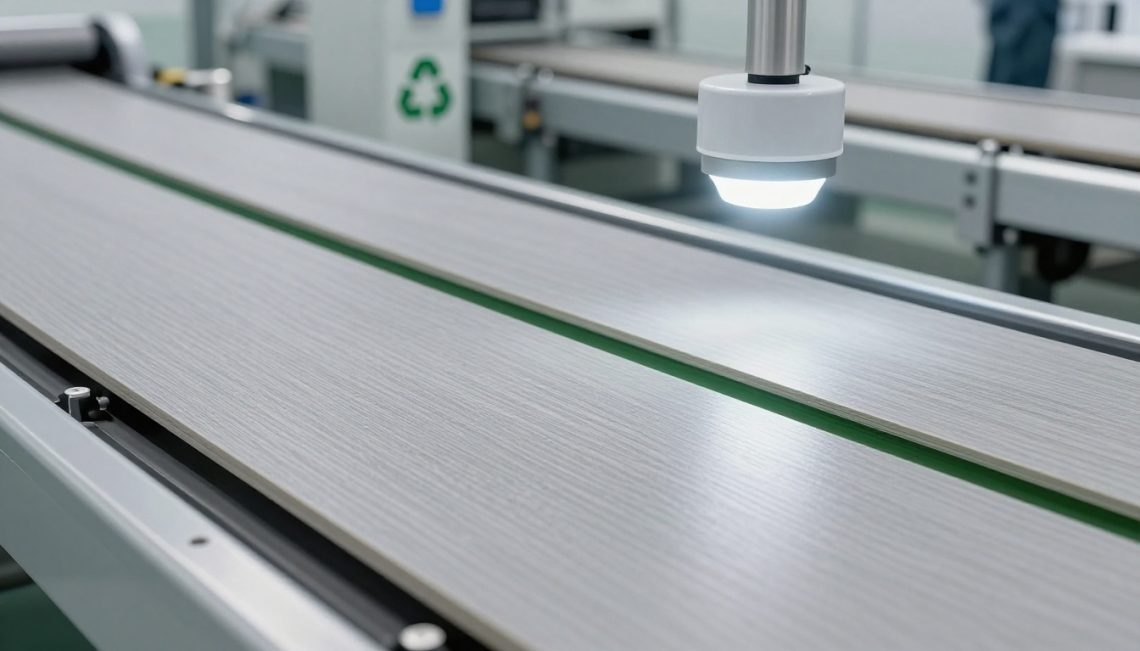
One bad recycled polyvinyl chloride (PVC) batch can turn a strong line into a claims problem. In 2026, recycled PVC quality risks sit at the center of SPC and LVT production because plants need lower waste, stable costs, cleaner sustainability claims, and reduced environmental impact all at the same time.
That pressure is rising across hard surface. Trade coverage heading into 2026 points to a better mood in laminate and wood, mild growth in tile, and a remodel market still shaped by locked-in homeowners. So if you make or sell resilient floors, feedstock control is no longer a back-room issue. It’s a front-line business issue and a key to sustainable development.
Where recycled PVC quality risks begin
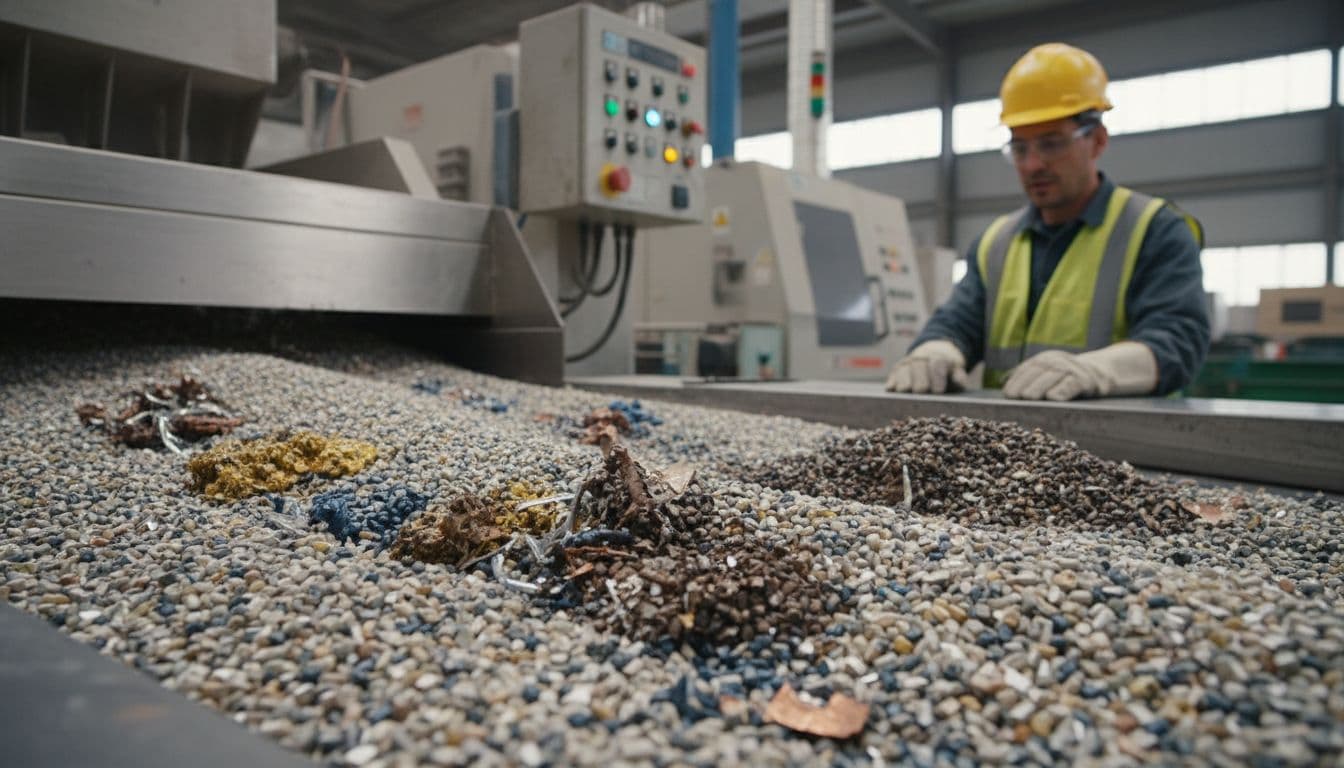
Not all recycled PVC is equal. Clean post-industrial waste from a known line is far easier to manage than mixed post-consumer waste from unknown sources. The second stream can bring moisture, dirt, rubber, paper, metal fines, and off-spec filler into the formula.
New mechanical recycling systems are getting better at separating polyvinyl chloride, stone powder, and fiberglass from old flooring. That helps. Still, cleaner separation doesn’t fix poor collection, wet storage, weak supplier controls, or contamination of recycling issues that harm recyclate quality. A dirty supersack can undo a week of careful compounding.
The chemistry risk is just as serious. Older polyvinyl chloride sources may carry toxic additives like phthalates and DEHP that don’t belong in a 2026 product story. That is why attention keeps growing around topics like heavy metal risks in SPC flooring, especially when recycled streams of post-consumer waste come from mixed-age material and involve heavy metal stabilizers such as lead and cadmium.
SPC and LVT are less forgiving than many buyers think, since rigid PVC cores behave differently than flexible PVC when processing recyclate. A small shift in particle size, filler loading, or contamination level can show up fast. In one run, it may look like weak click edges. In another, it becomes color drift, poor lamination, or odor complaints.
If recycled feedstock is a black box, the finished floor is a gamble.
That’s why recycled content claims need context. Recycled PVC can work well, but only when the stream is known, sorted, and tested before it hits the line.
How poor recycled feedstock disrupts SPC and LVT production
When feedstock drifts, the line tells on it. Melt pressure moves around due to thermal degradation. Plate-out builds faster. Filters load sooner. Scrap rises. Then the problem spreads from process control to product quality.
In SPC, the pain often hits density, lock strength, edge integrity, and dimensional stability. A rigid core with dirty or uneven recycled polyvinyl chloride content may still pass through extrusion, yet fail later as brittle corners, edge chips, or telegraphed surface defects. LVT problems can look different. You may see haze under the wear layer, print issues, surface specks, or poor bond behavior from plasticizers migration.
Because virgin resin remains a cost driver, some plants push feedstock recycling with high recycled loading to protect margin. That can make sense, but only with hard guardrails. When PVC costs impact on SPC LVT production, short-term savings can tempt teams into long-term trouble.
There’s also a bigger reality. No low-cost polyvinyl chloride substitute matches the same mix of price, durability, process familiarity, chemical stability, or vinyl chloride monomer purity today. So the answer isn’t to wish PVC away. The answer is to manage it better.
A few controls make the difference inside flooring manufacturing factories:
- Lock feedstock by source: Don’t blend unknown scrap too early.
- Test incoming lots: Check moisture, ash, metal, and particle consistency before compounding.
- Implement waste management protocols: Track scrap origins and segregation for consistent quality.
- Prioritize mechanical recycling: Use processed recycled inputs with verified specs.
- Run small trials first: A short pilot run is cheaper than a full production miss.
- Match recycled load to product tier: Premium click systems need cleaner input than entry-level constructions.
Plants that treat recycled PVC like a named raw material, not a catch-all bin, usually get better yield and fewer surprises.
Why 2026 flooring news and shows raise the stakes
The market now wants two things at once, more recycled content and better performance. That’s a tough mix. One SPC market growth outlook points to continued expansion, while product development keeps moving toward lighter SPC builds, stronger impact resistance, better sound control, and sharper visuals. In other words, the newest flooring products are getting better, but they’re also getting less tolerant of dirty feedstock that could release microplastics or lead to dioxins during incineration and landfill disposal.

That tension shows up in flooring news every week. Hard surface categories enter 2026 with cautious optimism, yet housing turnover remains slow, even with some improvement in existing-home sales late last year. As a result, remodel demand still carries more weight than many hoped. Buyers want floors that look better, last longer, and carry a cleaner story, one that addresses the environmental impact of end-of-life products and minimizes human health risks from dioxins tied to poor polyvinyl chloride waste management.
This is why annual flooring shows still matter. At Surfaces, Coverings, and regional buyer markets, people compare the newest flooring trends and products in person. Texture, color, and click quality don’t show well on a laptop. Buyers also use those meetings to ask harder questions about chemistry, traceability, and recycled content, especially to avoid toxic additives like phthalates that pose human health risks.
That theme is growing beyond flooring, too. The Future of PVC 2026 conference recap shows how much focus now sits on circular polyvinyl chloride, the Vinyloop process, cleaner sorting, and traceable material flows to improve waste management. At the same time, flooring industry news has highlighted more chemical screening and more training across the trade, from PFAS testing work to fresh installer education on risks like phthalates and dioxins from incineration and landfill.
For retailers, product managers, and mills, flooring trends are no longer only about color and embossing. Buyers still want the newest flooring products, but they also want proof behind the sample board, including strong waste management strategies for polyvinyl chloride to sidestep those ongoing concerns.
The smartest move for 2026
Recycled content isn’t the problem. Uncontrolled recycled content is.
The best plants will tighten supplier rules, test earlier with benchmarks like chlorine content and dechlorination, and match recycled loading to product design, not to wishful cost targets. Sales teams can’t defend a claim that the factory can’t support.
When the next customer asks about recycled PVC quality risks, the strongest answer won’t be a brochure. It will be clean data, stable production, fewer field failures, and proof of polyvinyl chloride chemical integrity.