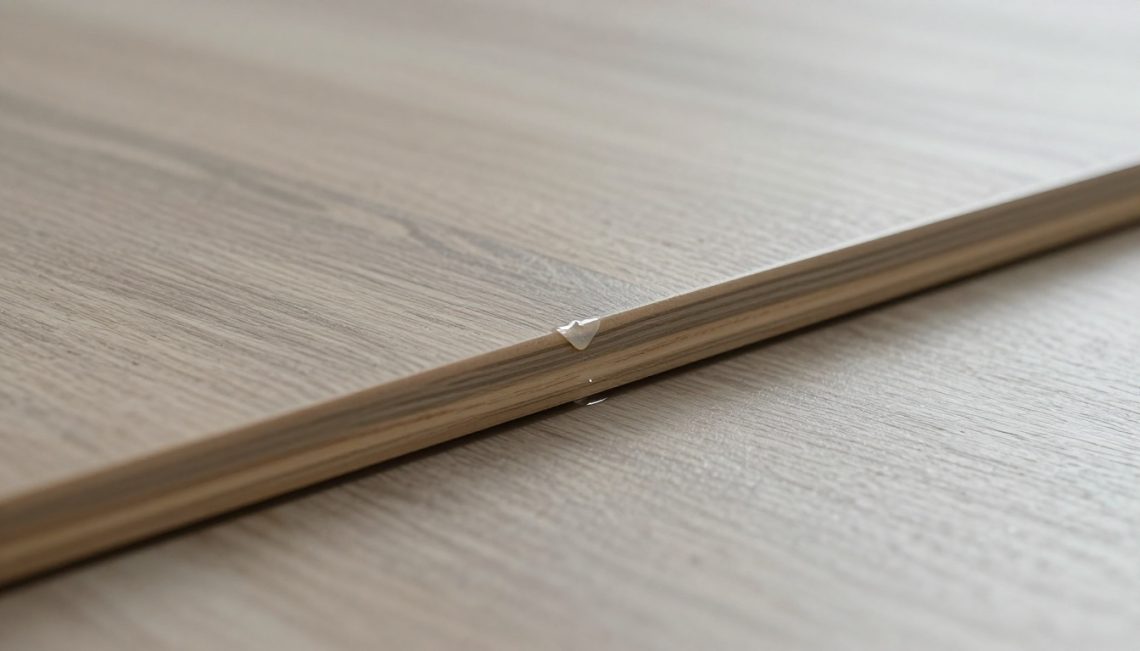
What happens when a thin bead at the plank edge turns into a line-level risk? In 2026, that small detail matters more, because water-resistant laminate with realistic woodgrain finish keeps gaining attention in showrooms and product launches of new laminate sheets.
For mills, importers, and retailers, laminate edge wax sits where chemistry, milling, and warranty claims meet. Public reporting as of March 2026 is thin. There isn’t a broad, flooring-specific report that maps edge-wax supply by source or region. Still, show coverage, market forecasts, and factory behavior give enough signals to build a smart watch list.
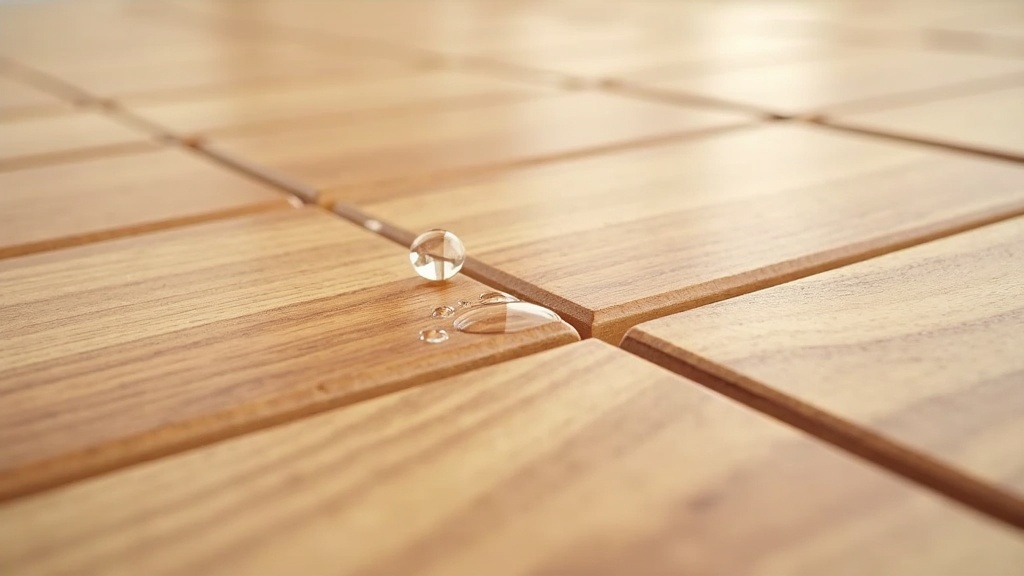
Why laminate edge wax matters more this year
Laminate edge wax doesn’t make a floor waterproof by itself. It helps slow water entry at the joint, which is where many failures begin, working alongside laminate edge strips as a related component for moisture protection. When a spill sits, the face film gets the credit, but the seam does the hard work.
That matters because laminate now sells inside a much tougher performance conversation. Industry benchmarks like Formica and Wilsonart highlight the elevated standards. In FCNews coverage on laminate competing in a waterproof world, the category is framed against waterproof claims across hard surface. If a brand wants to hold shelf space, its water story has to feel real.
Style also pushes the category forward. The EPLF 2026 trend outlook points to natural textures, matte finish over gloss finish, and calmer palettes, which line up with current 2026 flooring trends in warm tones and matte finishes. In other words, buyers want laminate that looks softer but performs harder.
Meanwhile, many homeowners still remodel instead of moving, so kitchen, entry, and whole-home replacement work stays important. Smaller homes also put more traffic and more spill risk into fewer rooms. As a result, plank-edge protection carries more weight than it did when laminate sold mostly on look and price, setting it apart from PVC edge banding applications.
If a water-resistant laminate line is a raincoat, laminate edge wax is the taped seam.
What the 2026 supply watch really shows
Here is the honest read: public data on laminate edge wax supply is scarce in March 2026. No major flooring report has outlined shortages, overcapacity, or factory-specific edge-wax disruptions. That silence doesn’t prove supply is perfect. It means this input is still hidden behind larger product stories, including laminate edge strips.
Yet adjacent signals are useful. Late 2025 trade coverage described laminate as a category expected to pick up steam in 2026. Then early 2026 show reports showed suppliers like Omnova leaning harder into laminate launches, not pulling back.
This quick view sums up the market picture.
| Signal | What it suggests | Why it matters |
|---|---|---|
| No public edge-wax or laminate edge strips alerts from Omnova | No visible market-wide panic | Risk may show up first in specs or lead times |
| More laminate launches at shows | Suppliers like Omnova still back the category | Water-resistant lines remain a focus |
| More scrutiny on materials and testing | Inputs face closer review | Omnova documentation may matter more in sourcing |
At Surfaces ’26, suppliers doubled down on laminate in Vegas. That doesn’t confirm edge-wax abundance, but it does suggest brands aren’t acting like a key input has gone off the rails. Also, a TISE 2026 laminate roundup highlighted broader assortments and stronger line positioning across price points.
For operations teams, the bigger risk is quieter. A small supply change can show up as a reformulated wax, tighter approved-vendor lists from Omnova, longer lead times, or different application behavior at the line. Those shifts don’t always hit headlines, even when suppliers offer same-day shipping or custom slitting. They hit swell testing, edge cleanup, or field claims first.
What annual flooring shows are telling the market
This is why annual flooring shows still matter. Buyers don’t just want planks on a rack. They want to press the joint, ask about seam treatment with laminate edge strips and PVC edge banding, and compare water stories side by side.
That matters when teams scan flooring news for the newest flooring trends and products, then visit events to compare the newest flooring products under the same lights. The message from 2026 coverage is pretty clear: laminate is still in the fight, but it has to win on realism through advanced laminate edge strips and moisture control at the same time.
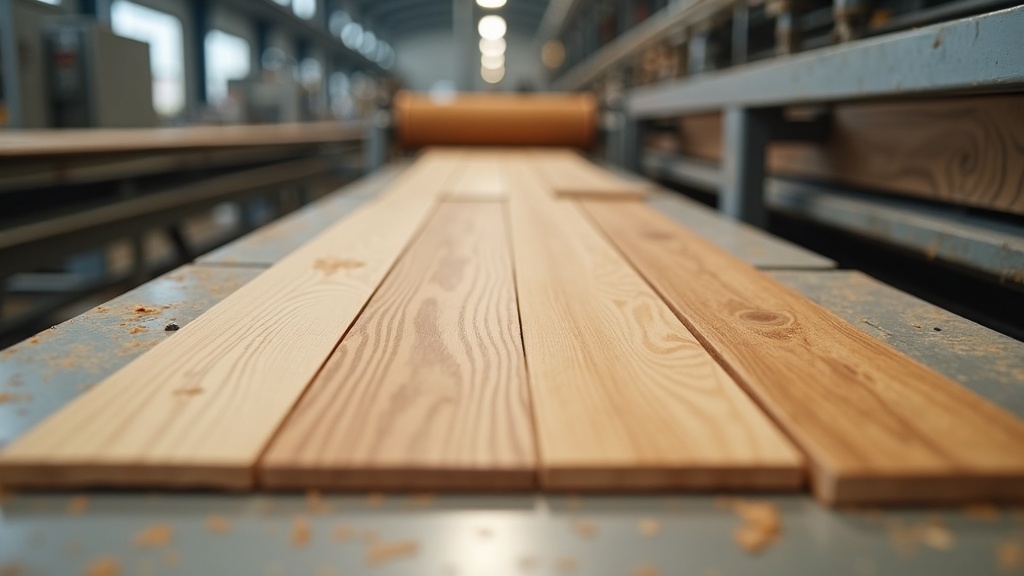
At the plant level, that shifts attention to process control inside flooring manufacturing factories. Edge-wax performance with options like paraffin wax, LamiLube, or even vegetable shortening depends on more than the drum. Application rate, temperature, board cleanliness, lock geometry, PVA glue usage, PVC edge banding, and cure behavior all matter. So do storage conditions, shelf life, and supply stability from partners like Omnova.
At the same time, broader flooring industry news has put more focus on material documentation and testing, backed by reliable suppliers such as Omnova. That trend won’t stay limited to one chemistry topic or one product type. It tends to spread across sourcing, QA, and claim support.
How to protect margins on water-resistant lines
A good 2026 watch plan is simple and practical.
- Track wax, laminate edge strips, self edge strips, and trim bit by SKU and shift: Total spend won’t catch line-level variation, especially with trim bit differences or carbide bit choices across shifts.
- Ask for approved alternates early: Don’t wait for a late PO problem, like switching to a bearingless trim bit or alternate self edge strips.
- Watch spec-sheet edits: Small wording changes can signal a material change that impacts trim bit compatibility or carbide bit performance.
- Tie claims to field reality: Water resistance still depends on install quality and substrate condition, using the right installation tools like a J roller for peel & stick applications or contact cement on prepared substrate, which is why subfloor moisture testing guidance stays relevant even outside resilient. A bearingless trim bit helps with clean edge cleanup on substrate edges, while proper J roller pressure ensures peel & stick self edge strips adhere well with contact cement.
Retailers should also keep sales language tight. A stronger edge treatment with trim bit precision or laminate edge strips supports the story, but it doesn’t replace good perimeter details using installation tools, fast spill cleanup, or honest room-use guidance on substrate prep and peel & stick limits. Buyers follow flooring trends, but warranty costs follow details like contact cement application and substrate moisture.
Bottom line
The 2026 watch on laminate edge wax is less about headline shortages and more about quiet signals. Laminate demand looks steadier, water-resistant lines keep getting attention, and public reports show no broad alarm on this input. Still, smart teams treat edge wax, color caulk, and masking tape like high-value small parts. Color caulk and masking tape, much like laminate edge wax and laminate edge strips, support water resistance because one thin seam can decide a big claim.