The talk around silane adhesive flooring is getting louder in 2026, and for good reason. On wood jobs and selected glue-down LVP installs, many pros now see silane as less of a niche choice and more of a serious everyday option.
There isn’t one massive 2026 headline built only around silane. Still, the direction is clear. Better odor control, flexible bonds, cleaner handling, and tighter attention to moisture risk are pushing more specifiers, retailers, and installers to re-think the adhesive line in the system, not just the plank on top.
Why silane adhesive flooring is gaining ground in 2026
Recent flooring news and broader flooring industry news point to the same pattern, adhesives are getting more attention because claims, labor costs, and jobsite conditions leave less room for mistakes. At the same time, the 2026 hard-surface look is warmer, more matte, and more natural. That shows up in engineered wood and in the latest 2026 LVP guide, where realistic texture and wood visuals keep moving upmarket.
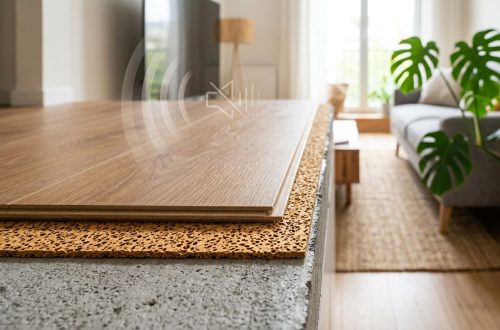
That matters because the bond line now carries more pressure. Wider engineered planks can move more. Glue-down LVP often goes into busy retail, multi-family, and main-street commercial work where hollow sound and floor deflection draw complaints fast. In other words, the shift lines up with the newest flooring trends and products, because the visuals are getting better while tolerance for failure gets smaller.
Trade groups and manufacturers are also tightening their technical focus. Late 2025 and early 2026 coverage highlighted more installer training, more product education, and stronger material screening in manufacturing. When a company develops better PFAS detection for inputs, or training groups expand hands-on classes, the message is simple, the industry wants cleaner chemistry and better process control.
That is also why annual flooring shows still matter. Regional markets continue to draw thousands of buyers, and a large share of attendees are decision-makers there to compare products in person. For adhesives, a data sheet helps, but a live demo still closes the gap between marketing and field reality.
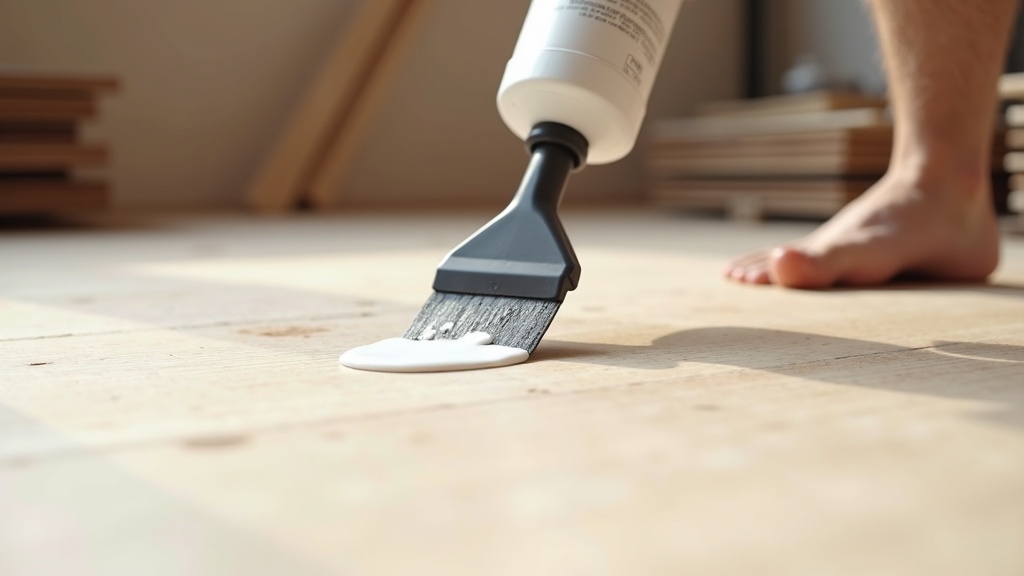
What changes on the job for engineered wood and glue-down LVP
Silane adhesives cure with moisture and stay more elastic than many old-school hard-set systems. That doesn’t make them magic. It does make them useful where movement, odor, and easier cleanup are part of the daily conversation.
Engineered wood gets a more forgiving bond
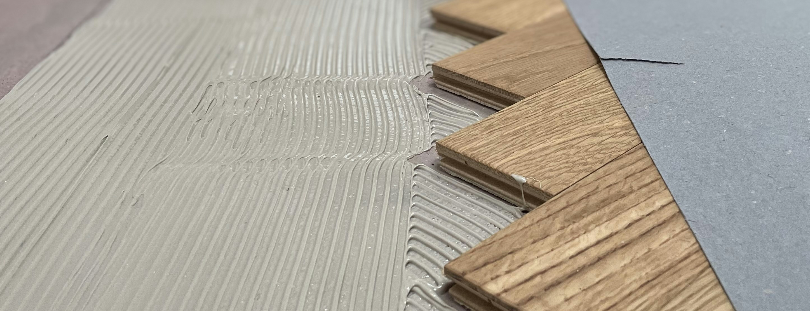
For engineered wood, silane often hits a sweet spot. It grabs well, stays flexible, and can help the floor move with seasonal swings instead of fighting them like a rigid shell. Think of it like a suspension system in a truck. The road still bumps, but the load rides better.
That helps on wider planks, longer lengths, and projects where clients expect a quiet, solid feel underfoot. It also fits the 2026 push toward natural wood visuals and matte finishes, because those premium looks don’t hide movement issues very well. When the floor is beautiful, every click and edge lift stands out.
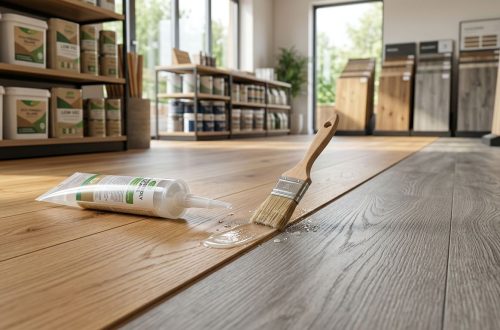
Silane also appeals to crews that want lower odor and simpler cleanup before cure. Product pages such as PWA 800 silane modified adhesive show how suppliers are framing the category, low VOCs, moisture protection, and workable open time.
Glue-down LVP gets a more selective, but real, upgrade
On glue-down LVP, the shift is more selective. Many LVP products still call for pressure-sensitive or hard-set acrylic adhesives, so approval comes first. Still, where the plank and adhesive are compatible, silane can offer a strong, flexible bond with a cleaner install story.
That matters in large open areas, tenant improvement work, and commercial remodels where glue-down LVP still wins on sound, height, and rolling-load stability. As flooring trends lean toward more realistic embossed surfaces and warmer wood tones, glue-down LVP keeps finding work where floating floors don’t fit the brief.
Silane helps a sound system. It doesn’t rescue a wet slab or a dusty patch.
Because of that, prep is still the gatekeeper. Start with concrete slab moisture red flags before LVP, then fix flatness issues by preventing soft spots in self-leveling underlayment. Adhesive failure often gets blamed first, but the subfloor usually wrote the story earlier.
What stores, distributors, and factories should do next
The smartest buyers at annual flooring shows aren’t chasing the newest flooring products by look alone. They want a system that sells well, installs cleanly, and comes back less often. That changes the sales conversation.
For flooring stores, the lesson is simple. Train the team to talk about the full assembly, not just wear layer, color, and price. If a customer wants glue-down LVP for a busy space, the adhesive choice should come up early. If engineered wood goes over a tricky slab, moisture testing and adhesive type belong in the quote, not in a late-stage scramble.
Distributors and reps should also expect sharper questions. Buyers now follow flooring news faster than ever. They hear about training events, PFAS screening, new compliance demands, and product tweaks coming out of flooring manufacturing factories. That means the old “it sticks great” pitch doesn’t go far enough.
Manufacturers have work to do as well. Clear approvals, clean documentation, and honest jobsite guidance matter more than broad claims. As Coverings 2026 education plans and other show schedules build out, technical training will keep shaping which adhesive systems gain share.
The bottom line is steady, not flashy. Silane won’t replace every adhesive in 2026. Still, for engineered wood and approved glue-down LVP, it fits where the market is going: better air quality, better movement control, and fewer surprises after handoff.
Silane is not the whole floor, but in 2026 it’s becoming a bigger part of the winning package. That shift tracks with flooring trends, the demand for the newest flooring products, and the pressure to reduce callbacks. For pros who sell, make, or install floors every day, that’s the kind of change worth watching closely.